The automotive landscape is a constantly shifting battleground, and nowhere is this more evident than in the fiercely competitive compact SUV segment. For years, one name has reigned supreme, a veritable juggernaut that has redefined what buyers expect from a family hauler: the Toyota RAV4. But as we peer into the crystal ball of 2026, the question isn’t just whether the RAV4 will remain a sales leader, but whether it can truly hold its title as one of the best SUVs for the money against a surging tide of formidable, feature-packed rivals.
By 2026, the RAV4 will likely be entering a pivotal new chapter. Having debuted its current XA50 generation in late 2018, an all-new, sixth-generation RAV4 (XA60) is a near certainty. This isn’t just a refresh; this is Toyota’s chance to reassert its dominance, to not only innovate but to solidify its value proposition in an era where "value" means far more than just a low sticker price. It encompasses everything from fuel efficiency and long-term reliability to cutting-edge technology and a genuinely premium ownership experience.
So, what can we expect from the 2026 Toyota RAV4, and how will it stack up against a cohort of challengers, each vying for a piece of the pie? Let’s dive in.
The 2026 Toyota RAV4: A Glimpse into the Future of the Segment Leader
If history is any guide, the 2026 RAV4 will be a meticulously engineered evolution, not a revolution, but one that addresses key areas where the current model, excellent as it is, has started to show its age.
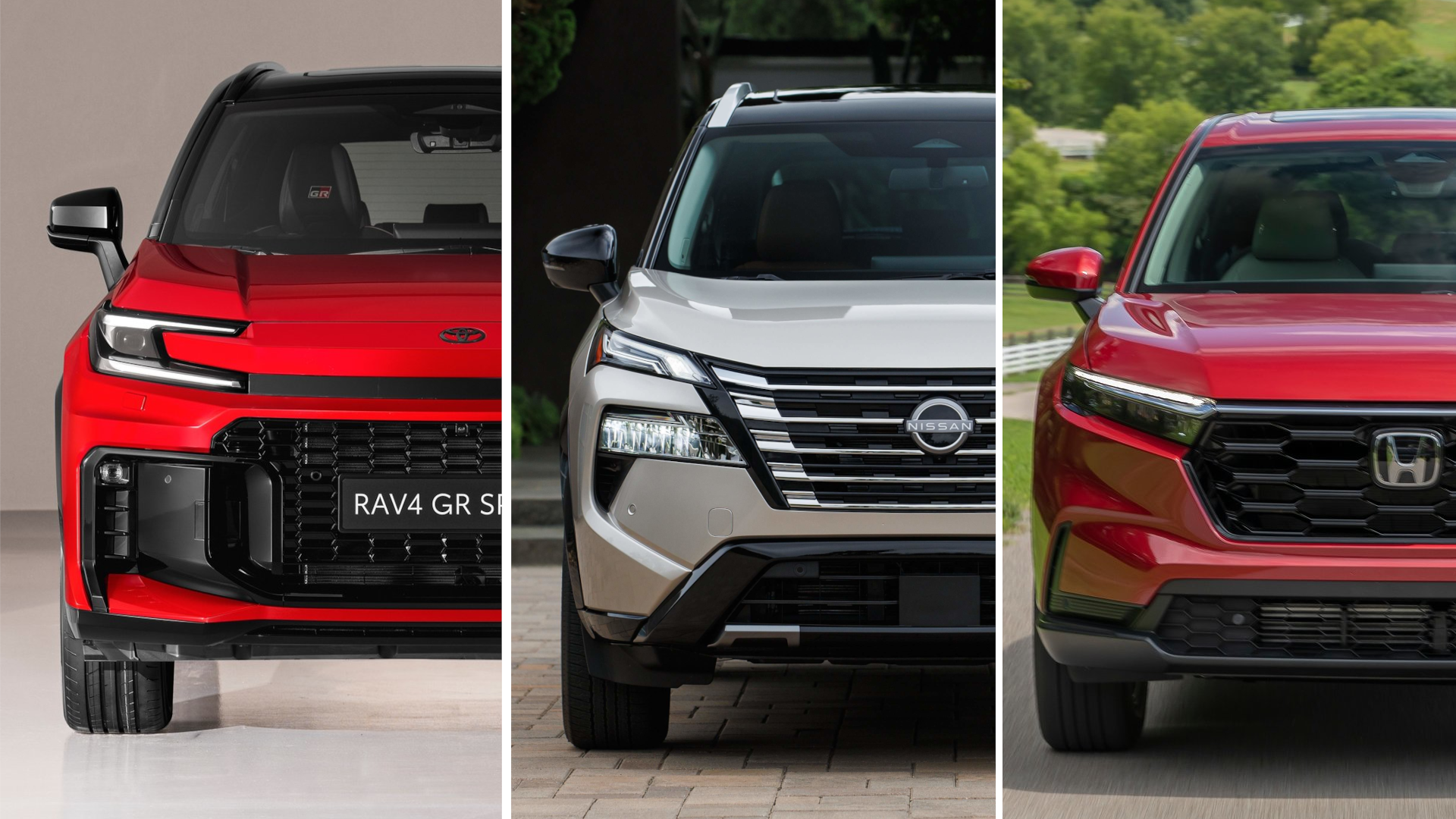
Design & Aesthetics: Expect a bolder, more sophisticated exterior design. Toyota has been on a roll with its recent models like the Crown, Prius, and Grand Highlander, showcasing a sharper, more aerodynamic, and often more aggressive styling language. The 2026 RAV4 will likely adopt these cues, featuring sleeker LED lighting signatures, a more integrated grille design, and perhaps a slightly longer wheelbase to enhance both interior space and ride quality. The adventure-oriented Woodland Edition will undoubtedly return, offering rugged aesthetics and mild off-road enhancements.
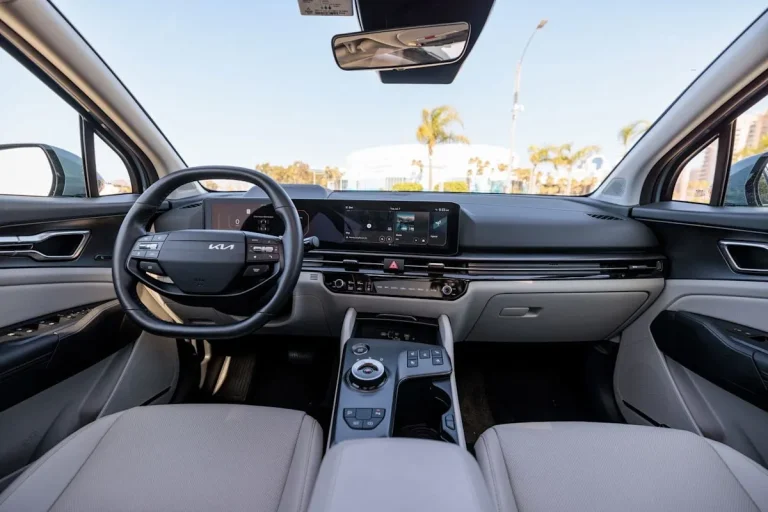
Interior & Technology: This is where the current RAV4 faces its stiffest internal pressure. While functional, its cabin design and infotainment system, though updated, lag behind some rivals. The 2026 model will almost certainly feature a complete interior overhaul. Imagine a cabin dominated by larger, seamlessly integrated digital displays – a fully digital gauge cluster and a next-generation Toyota Audio Multimedia infotainment system (likely 12.3 inches or larger) with crisp graphics, wireless Apple CarPlay/Android Auto, and robust cloud-based navigation. Expect improved material quality, more soft-touch surfaces, enhanced ambient lighting, and more thoughtful storage solutions. The pursuit of "premium" will be evident, pushing the RAV4 closer to its luxury Lexus NX sibling.
Powertrain Evolution: This is Toyota’s wheelhouse, and electrification will remain central.
- Standard Engine: A refined version of the existing 2.5-liter four-cylinder, potentially with mild-hybrid assistance, will likely serve as the base engine, focusing on improved efficiency and reduced emissions.
- RAV4 Hybrid: The core of the RAV4’s success, the hybrid variant will see significant enhancements. Expect even better fuel economy, potentially nudging close to 45 MPG combined, thanks to more efficient electric motors and battery technology. A slight bump in combined horsepower wouldn’t be surprising either.
- RAV4 Prime (PHEV): The undisputed performance and efficiency king of the current lineup, the Prime will push boundaries further. An increased all-electric range (perhaps 50+ miles) and even faster charging capabilities will make it an even more compelling proposition. A slight increase in overall power could also be on the cards, solidifying its "hot hatch on stilts" reputation.
- Hydrogen/BEV?: While a full battery-electric RAV4 might still be a few years out (with the bZ4X filling that niche), Toyota’s continued exploration of hydrogen might lead to interesting, albeit niche, powertrain announcements. However, for mass market value, the hybrid and PHEV will remain paramount.
Safety & Driving Dynamics: Toyota Safety Sense (TSS) will undoubtedly evolve to version 4.0 or 4.5, offering even more sophisticated driver assistance features, including enhanced proactive driving assist, improved lane-keeping, and advanced parking assistance. Built on a refined TNGA-K platform, the 2026 RAV4 should deliver an even more composed ride, sharper handling, and significantly reduced noise, vibration, and harshness (NVH) – areas where the current model, while good, isn’t class-leading.
The Contenders: A Glimpse at the 2026 Compact SUV Landscape
The RAV4 won’t be cruising to victory unchallenged. By 2026, its rivals will have either undergone significant redesigns or mid-cycle refreshes, bringing their A-game.
-
Honda CR-V: The perennial rival, the CR-V, received a comprehensive redesign for 2023, emphasizing refinement, practicality, and a much-improved hybrid powertrain. By 2026, it will likely be in its mid-cycle refresh, potentially offering even more sophisticated tech, further polished driving dynamics, and perhaps a more powerful hybrid variant. The CR-V’s reputation for clever packaging and solid reliability makes it a formidable "money" contender.
-
Hyundai Tucson / Kia Sportage: The Korean twins are design and value champions. Their current generations, launched in 2021/2022, are bold, tech-forward, and offer strong hybrid and PHEV options. By 2026, they’ll likely receive substantial mid-cycle updates, refining their striking aesthetics, upgrading interior materials, and integrating even more advanced driver assistance and infotainment features. Their industry-leading warranties are a huge "money" advantage, instilling long-term confidence.
-
Mazda CX-5 / CX-50: Mazda’s strategy of offering a more premium experience at a mainstream price point will continue. The venerable CX-5 might finally see a full replacement by 2026, or the newer, more rugged CX-50 will be refined and potentially gain a dedicated hybrid powertrain – a crucial missing piece for Mazda’s "value" proposition against the RAV4. Mazda’s focus on driving dynamics and exquisite interior craftsmanship will always appeal to those who prioritize the tactile experience.
-
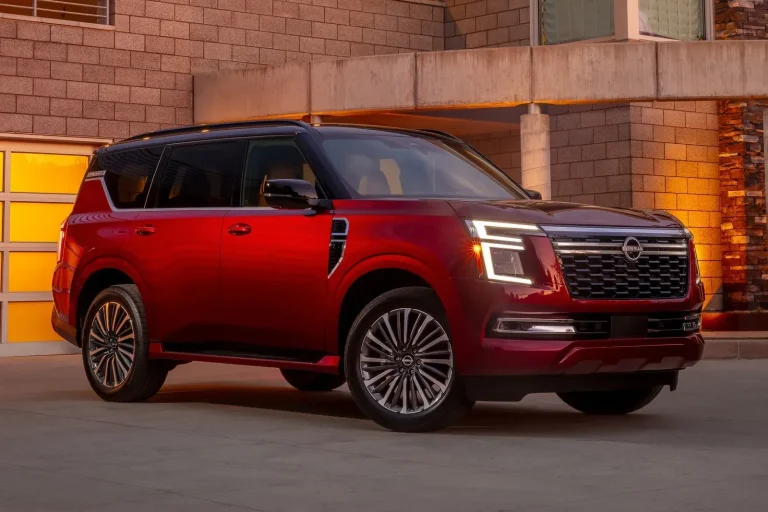
Nissan Rogue / X-Trail: The current Rogue, while comfortable and efficient with its VC-Turbo engine, needs to regain momentum. By 2026, a new generation is highly probable, one that will hopefully inject more excitement into its design, offer a compelling hybrid option, and significantly upgrade its interior tech beyond the capable ProPILOT Assist. A strong value play here would involve aggressive pricing and a robust standard feature set.
-
Subaru Forester / Outback: The champions of AWD and practicality, Subaru’s offerings will continue to appeal to the adventurous. The Forester, in particular, is due for a new generation soon, which by 2026, will be well-established. Expect modernized interiors, improved infotainment, and potentially more powerful or efficient engine options, including a robust hybrid. Their legendary resale value and safety credentials are key "money" factors for specific buyers.
-
Ford Escape: Ford’s compact SUV, with its focus on driving dynamics and a strong hybrid offering, could be due for a new generation by 2026. If so, expect a more distinctive design, a tech-heavy interior, and a renewed emphasis on efficiency and connectivity. Ford often brings a different flavor of "value" through engaging driving and competitive tech.
-
Chevrolet Equinox: Chevrolet has unveiled an all-new 2025 Equinox, signaling a fresh start. By 2026, this new generation will be fully mature, offering a more contemporary design, improved interior quality, and a focus on standard features for the price. The Equinox often targets a slightly lower price point, making it a strong contender for those seeking maximum utility for minimum outlay.
Best SUVs for the Money: A Comparative Analysis for 2026
The "best for the money" isn’t a single metric; it’s a blend of initial purchase price, running costs, reliability, features, and long-term value.
1. Initial Price Point vs. Standard Features:
- RAV4: Toyota tends to offer a competitive base price but packs a significant amount of standard equipment, especially in terms of safety (TSS) and essential comfort features. This means a good "bang for your buck" even in lower trims.
- Hyundai/Kia: These brands excel at offering a dizzying array of features at competitive prices, often undercutting rivals on higher trims. Their aggressive approach to tech and design means you often feel like you’re getting more.
- Chevy Equinox/Nissan Rogue: Historically, these have been strong value plays, especially when incentives are available. They’ll need to continue this trend with strong standard equipment.
2. Fuel Economy: The Long-Term Money Saver:
- RAV4 Hybrid/Prime: Toyota will undoubtedly remain the benchmark here. The Prime, in particular, offers significant fuel savings for those with charging access. This is a massive "money" advantage over years of ownership.
- CR-V Hybrid, Tucson/Sportage Hybrid/PHEV, Escape Hybrid: These competitors are closing the gap, offering increasingly competitive fuel economy figures that make a real difference to the wallet.
3. Reliability & Maintenance Costs:
- RAV4: This is Toyota’s enduring trump card. Legendary reliability and affordable maintenance are core tenets of the RAV4’s "value" proposition. Fewer unexpected repairs and lower service costs translate directly into long-term savings.
- Honda CR-V: A close second, the CR-V also boasts an excellent track record for dependability.
- Hyundai/Kia: While their reliability has improved dramatically, Toyota and Honda still hold a slight edge in perceived long-term dependability, though the excellent warranties from Korea mitigate some concerns.
4. Resale Value: The Unsung Hero of Value:
- RAV4: Toyota vehicles consistently top resale value charts. This means when it’s time to sell or trade in, RAV4 owners retain a larger portion of their initial investment, making the true cost of ownership surprisingly low. This is a crucial, often overlooked, aspect of "best for the money."
- Subaru, Honda: These brands also perform very well in resale, albeit typically slightly behind Toyota.
- Hyundai/Kia: While improving, their resale values historically lag slightly behind the Japanese giants, though this gap is narrowing with better products.
5. Technology & Connectivity:
- RAV4 (2026): With its expected overhaul, the new RAV4 should be at the forefront, offering a seamless, intuitive, and feature-rich digital experience.
- Hyundai/Kia: These brands are incredibly aggressive with tech, often offering cutting-edge features (like digital key, advanced voice assistants, remote parking) that might be optional or unavailable on some rivals.
- Ford/Nissan: They will also push forward with their respective infotainment and driver-assist suites, aiming for intuitive user experiences.
6. Driving Experience & Practicality:
- Mazda: For those who prioritize driving engagement, Mazda will continue to offer the most car-like and premium feel.
- RAV4: The 2026 model will likely balance comfort, composure, and light-duty off-road capability, making it a well-rounded daily driver.
- CR-V/Forester: These will likely remain leaders in interior space, cargo versatility, and family-friendliness, which are undeniable "value" factors for many buyers.
The Verdict: Who Wins the Value War in 2026?
The 2026 Toyota RAV4 will arrive with the weight of expectation on its shoulders, but Toyota is rarely one to disappoint. The new generation is poised to address current shortcomings, particularly in interior design and technology, while doubling down on its core strengths: unparalleled reliability, exceptional fuel efficiency (especially in Hybrid and Prime forms), and segment-leading resale value. These long-term financial benefits are what truly define "best for the money" for many consumers.
However, the competition will be fierce.
- For the tech enthusiast and design-forward buyer, the Hyundai Tucson and Kia Sportage will continue to offer compelling packages with aggressive styling and cutting-edge features for a competitive price, backed by an unbeatable warranty.
- For the pragmatist seeking refined practicality and solid efficiency, the Honda CR-V will remain a very strong alternative, offering a slightly more traditional, yet highly competent, experience.
- For the driving enthusiast who values a premium feel above all else, the Mazda CX-5/CX-50 will still call out, assuming they address the hybrid gap.
- For the adventure-seeker who needs unwavering AWD and safety, the Subaru Forester/Outback will retain their loyal following.
Ultimately, the 2026 Toyota RAV4 is highly likely to retain its crown as the segment’s overall "value king" for the broadest spectrum of buyers. Its combination of low long-term running costs, bulletproof reliability, and superior resale value makes it an incredibly safe and sensible financial choice. While competitors might offer a slightly flashier interior, a more aggressive warranty, or a marginally more engaging drive, the RAV4’s holistic approach to value – one that encompasses the entire ownership lifecycle – will keep it firmly entrenched at the pinnacle of the compact SUV segment. The battle for the money will be intense, but the RAV4 is prepared to fight, and win, another round.