The roar of a V8, the iconic pony badge, the undeniable presence – the Ford Mustang has transcended mere transportation to become a cultural phenomenon. As we look towards the horizon, automotive enthusiasts and loyalists alike are already fixated on what the future holds for this legendary nameplate. With the S650 generation having just debuted for 2024, the 2026 model year is poised to bring a crucial mid-cycle refresh, promising a blend of cutting-edge technology, refined performance, and potentially, a significant shift in its powertrain philosophy.
This article delves into what we can realistically expect from the 2026 Ford Mustang, exploring anticipated design tweaks, interior enhancements, potential powertrain developments, driving dynamics, safety features, pricing, and its continued position in the fiercely competitive sports coupe segment. While specific details remain under wraps and subject to Ford’s official announcements, industry trends, patent filings, and the natural progression of automotive development offer strong indicators of what’s to come.
The Legacy Continues: Setting the Stage for 2026
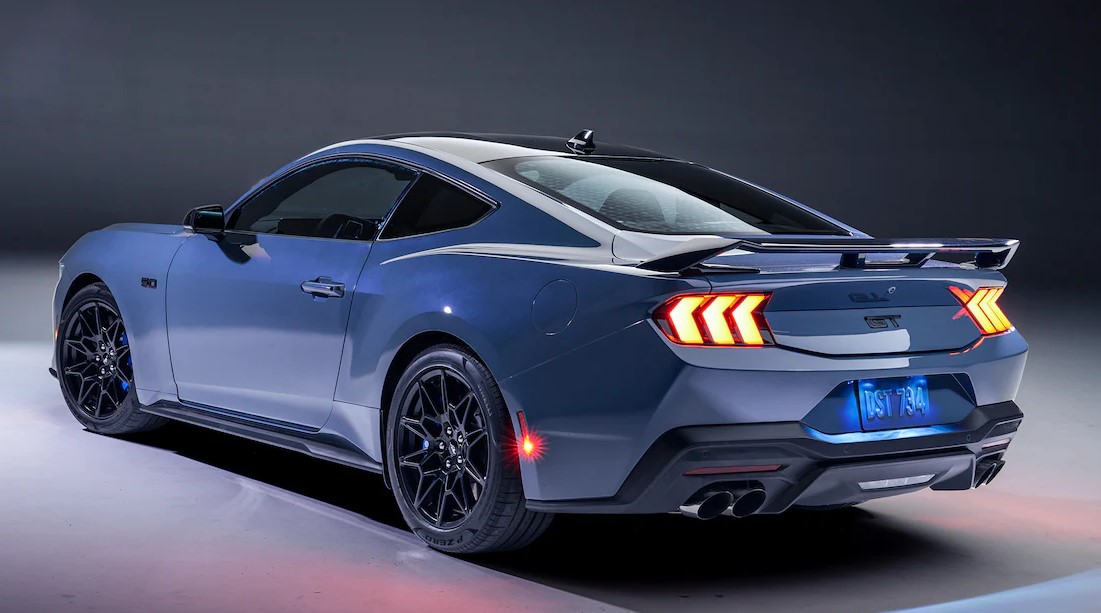
The seventh-generation Mustang (S650) arrived with a bold, evolutionary design that paid homage to its predecessors while incorporating modern aggression. It maintained its V8 heart, offered a potent EcoBoost four-cylinder, and introduced the track-focused Dark Horse variant. For 2026, Ford is unlikely to reinvent the wheel so soon after a full redesign. Instead, expect a strategic refinement, focusing on enhancing the ownership experience, improving efficiency, and integrating the latest technological advancements that have emerged since the S650’s initial conceptualization.
"Mid-cycle refreshes are critical for keeping a model competitive and fresh," notes industry analyst Mark Thompson. "For the Mustang, this means addressing any initial feedback from the S650 launch, integrating new infotainment capabilities, and potentially laying the groundwork for more significant changes down the line, especially concerning electrification."
Exterior Design: Evolutionary Refinement
While the core silhouette of the 2026 Mustang will remain instantly recognizable, anticipate subtle yet impactful changes to its exterior. Ford’s design team will likely focus on updating lighting signatures, refreshing front and rear fascias, and introducing new wheel designs to keep the car looking contemporary.
- Front Fascia: Expect a redesigned grille, potentially with new mesh patterns or active aero elements that can open and close to optimize cooling or aerodynamics. The LED headlights, already sleek, might see a revised internal graphic or a more advanced adaptive lighting system. The lower bumper and air intakes could be subtly re-sculpted for a more aggressive or aerodynamically efficient look, possibly incorporating new sensor arrays for advanced driver-assistance systems.
- Rear Fascia: The iconic tri-bar taillights are sacrosanct, but their LED elements could be updated for a more modern and three-dimensional appearance. The rear diffuser might be restyled, especially on performance variants, to enhance airflow and visual aggression. New exhaust tip designs, particularly for GT and Dark Horse models, could also feature.
- Side Profile: Changes here are expected to be minimal, likely limited to new fender badges, updated side skirts, and a broader selection of alloy wheel designs, potentially including lightweight forged options for higher trims. New exterior paint colors, possibly including some vibrant, limited-edition hues, will also be on offer to entice buyers.
- Aerodynamics: Expect small, strategic tweaks to improve aerodynamic efficiency, such as revised underbody paneling or subtle spoiler modifications, which can contribute to both fuel economy and high-speed stability.
Interior Refinement & Technological Leap
The S650 Mustang made a significant leap forward in its interior, adopting a large, integrated digital cockpit that merged the instrument cluster and infotainment screen. For 2026, this foundation will be built upon, with a focus on enhanced material quality, improved ergonomics, and the integration of next-generation connectivity and convenience features.
- Materials & Finish: Ford will likely address any initial criticisms regarding certain plastic surfaces, introducing more soft-touch materials, premium stitching, and perhaps new trim options like open-pore wood, brushed aluminum, or carbon fiber accents, especially in higher trims. The feel of switchgear and buttons could also be refined for a more tactile and upscale experience.
- Infotainment & Connectivity: The SYNC 4 system, while robust, is constantly evolving. The 2026 Mustang could see an updated version, possibly dubbed SYNC 5, offering faster processing, more intuitive user interfaces, and enhanced customization options. Expect seamless integration with Apple CarPlay and Android Auto (likely wireless), improved voice recognition capabilities, and potentially new embedded apps or services. Over-the-air (OTA) updates will be a core feature, allowing Ford to push software improvements and new functionalities directly to the car.
- Digital Cockpit: While the dual-screen setup will remain, the graphics, animations, and customization options for the digital instrument cluster could be expanded, offering even more ways for drivers to personalize their information display. A head-up display (HUD) with augmented reality features could also make an appearance on top-tier models, projecting navigation cues directly onto the road ahead.
- Comfort & Convenience: Enhanced seating options, including more adjustability, improved lumbar support, and advanced massage functions, might be offered. Wireless charging pads will likely become standard across more trims, and additional USB-C ports will cater to modern devices. Advanced ambient lighting systems with a wider color palette and dynamic effects could also be integrated, allowing drivers to tailor the cabin’s mood.
Powertrain Options: The Electrification Question
This is arguably the most significant area of speculation for the 2026 Mustang. While Ford has committed to the internal combustion engine for the foreseeable future with the Mustang coupe, the pressure to improve fuel economy and reduce emissions is constant.
- EcoBoost: The 2.3-liter turbocharged four-cylinder engine is expected to receive minor tweaks for improved efficiency and potentially a slight bump in horsepower and torque, pushing it beyond its current 315 hp. Ford could implement mild-hybrid technology (48V system) to enhance throttle response, provide a small electric boost, and improve fuel economy, particularly in city driving.
- GT V8: The venerable 5.0-liter Coyote V8, currently delivering 480-486 hp, is the heart of the Mustang. For 2026, it could see internal refinements for better efficiency and potentially a modest power increase, perhaps nudging it closer to the 500 hp mark as standard.
- The Hybrid Horizon: The biggest speculation revolves around a potential hybrid V8 option. Ford has patented hybrid architectures that could pair an electric motor with the V8, offering significant benefits:
- Instant Torque: Electric motors provide immediate torque, enhancing acceleration off the line and in-gear responsiveness.
- Improved Fuel Economy: Especially in stop-and-go traffic, an electric motor can propel the car at low speeds, significantly reducing fuel consumption.
- Performance Boost: The combined output of the V8 and electric motor could push total system horsepower well beyond current figures, potentially creating the most powerful street-legal Mustang GT ever, short of specialized Shelby variants. This could also be a way for Ford to offer a performance model that rivals some European sports cars while meeting increasingly stringent emission standards.
- Dark Horse: The track-focused Dark Horse, with its 500 hp Coyote V8, will likely continue as the pinnacle of naturally aspirated performance. Any hybrid integration here would be focused purely on performance enhancement rather than just efficiency.
- Transmissions: The excellent 10-speed automatic transmission will remain, likely with updated software for even quicker and smoother shifts. The beloved 6-speed manual transmission is also expected to persist, a testament to Ford’s commitment to driving enthusiasts.
Driving Dynamics & Performance Enhancements
The S650 Mustang is lauded for its improved driving dynamics, offering a more refined ride and sharper handling than its predecessors. The 2026 refresh will likely build on this foundation with targeted improvements.
- Suspension Tuning: Ford engineers will undoubtedly refine the suspension setup, potentially offering new adaptive damper calibrations (MagneRide) for an even broader range of comfort and sportiness. Stiffer bushings or revised spring rates could further enhance responsiveness without unduly compromising ride quality.
- Steering: Expect subtle tweaks to the electric power steering system for improved feel, feedback, and precision, making the car feel even more connected to the road.
- Braking Systems: While the current Brembo brake options are formidable, Ford might offer even more aggressive pads or larger rotors for track-focused packages, or refine the standard braking system for better pedal feel and heat management.
- Drive Modes: The existing drive modes (Normal, Sport, Track, Drag, Snow/Wet, Custom) will likely remain, but their parameters could be further refined, offering more distinct characteristics and greater customization.
- Active Exhaust: The active exhaust system, allowing drivers to toggle between quiet and aggressive exhaust notes, will undoubtedly continue, perhaps with new tuning for an even more visceral sound experience.
Safety & Driver-Assistance Features (ADAS)
As safety technology rapidly evolves, the 2026 Mustang will incorporate Ford’s latest suite of driver-assistance systems, further enhancing both active and passive safety.
- Ford Co-Pilot360: This comprehensive suite will likely be standard across the lineup, including pre-collision assist with automatic emergency braking, blind-spot information system with cross-traffic alert, lane-keeping system, and automatic high-beam headlamps.
- Advanced ADAS: Expect enhancements to adaptive cruise control with stop-and-go functionality, lane centering assist, and evasive steering assist. Ford’s BlueCruise hands-free highway driving system, already available on other Ford models, could potentially be offered as an option, marking a significant step towards semi-autonomous driving for the Mustang.
- Parking Aids: Advanced parking assist features, including perpendicular and parallel parking assist, along with a 360-degree camera system, will become more sophisticated.
Trim Levels & Customization
The familiar trim structure is expected to continue, allowing Ford to cater to a wide range of buyers:
- EcoBoost: The entry-level model will offer a compelling blend of performance and efficiency.
- GT: The heart of the Mustang lineup, providing the iconic V8 experience.
- Dark Horse: The track-focused variant, offering enhanced performance and handling for enthusiasts.
- Convertible: Available across most trims, providing the open-air driving experience.
Ford will also continue to offer a plethora of appearance packages, performance upgrades, and interior customization options, allowing buyers to personalize their Mustang to a significant degree. We might also see special edition models introduced throughout the 2026 model year, celebrating anniversaries or specific performance milestones.
Pricing & Market Positioning
Pricing for the 2026 Ford Mustang will naturally see an increase over the current S650 generation, reflecting inflation, the integration of new technology, and any powertrain enhancements.
- Current S650 Pricing (approximate starting MSRP):
- EcoBoost: $31,000 – $37,000
- GT: $42,000 – $50,000
- Dark Horse: $60,000 – $65,000
- Projected 2026 Pricing: Expect a moderate increase of 3-7% across the board.
- EcoBoost: Starting around $33,000 – $39,000
- GT: Starting around $45,000 – $53,000
- Dark Horse: Starting around $63,000 – $68,000
- A potential Hybrid V8 model could command a premium, possibly starting in the high $50,000s or low $60,000s, positioning it as a distinct performance offering.
The Mustang will continue to compete fiercely with rivals like the Chevrolet Camaro (though its future beyond 2024 is uncertain), the Dodge Challenger (also facing an uncertain future), and potentially more exotic sports coupes from Japan and Europe at the higher end. Ford’s strategy will be to offer an unparalleled blend of performance, heritage, technology, and customization at a competitive price point, maintaining its status as America’s favorite pony car.
Conclusion: The Future is Bright for the Pony Car
The 2026 Ford Mustang is poised to be more than just a refreshed model; it represents a crucial step in the Mustang’s ongoing evolution in a rapidly changing automotive landscape. While it will undoubtedly retain the visceral appeal that has defined it for generations, expect a more technologically advanced, refined, and potentially more efficient machine.
From subtle exterior enhancements and a more luxurious, connected interior to the tantalizing prospect of a hybrid V8, the 2026 Mustang promises to build on the strengths of the S650, cementing its legacy while embracing the future. As the industry continues its march towards electrification, the 2026 Mustang will showcase how an iconic internal combustion engine legend can adapt, thrive, and continue to thrill drivers for years to come. The anticipation for its official reveal will only grow, as enthusiasts eagerly await the next chapter of this enduring American icon.