The Toyota RAV4 isn’t just a car; it’s a phenomenon. For years, it has dominated the compact SUV segment, consistently topping sales charts and becoming a household name synonymous with reliability, practicality, and undeniable value. But in the relentlessly competitive automotive landscape, even a king must continually evolve to maintain its throne. As the current generation, introduced in 2019, approaches the end of its lifecycle, anticipation for the next-generation 2026 Toyota RAV4 is reaching a fever pitch.
This isn’t just another redesign; it’s a reassertion. Toyota understands the immense pressure to not only meet but exceed the soaring expectations of its loyal customer base while simultaneously attracting new buyers with cutting-edge technology, enhanced refinement, and an even more compelling driving experience. Based on industry whispers, patent filings, and Toyota’s recent design language, we can piece together a comprehensive vision of what the 2026 RAV4 will bring to the table. Prepare to meet the next evolution of the crossover apex predator.
A Striking New Visage: Evolving Rugged Sophistication
The current RAV4, particularly in its Adventure and TRD Off-Road guises, successfully injected a dose of rugged charm into the segment. For 2026, we expect Toyota to build upon this foundation, refining the aesthetic into something that is both more sophisticated and unmistakably modern, without alienating its core audience.
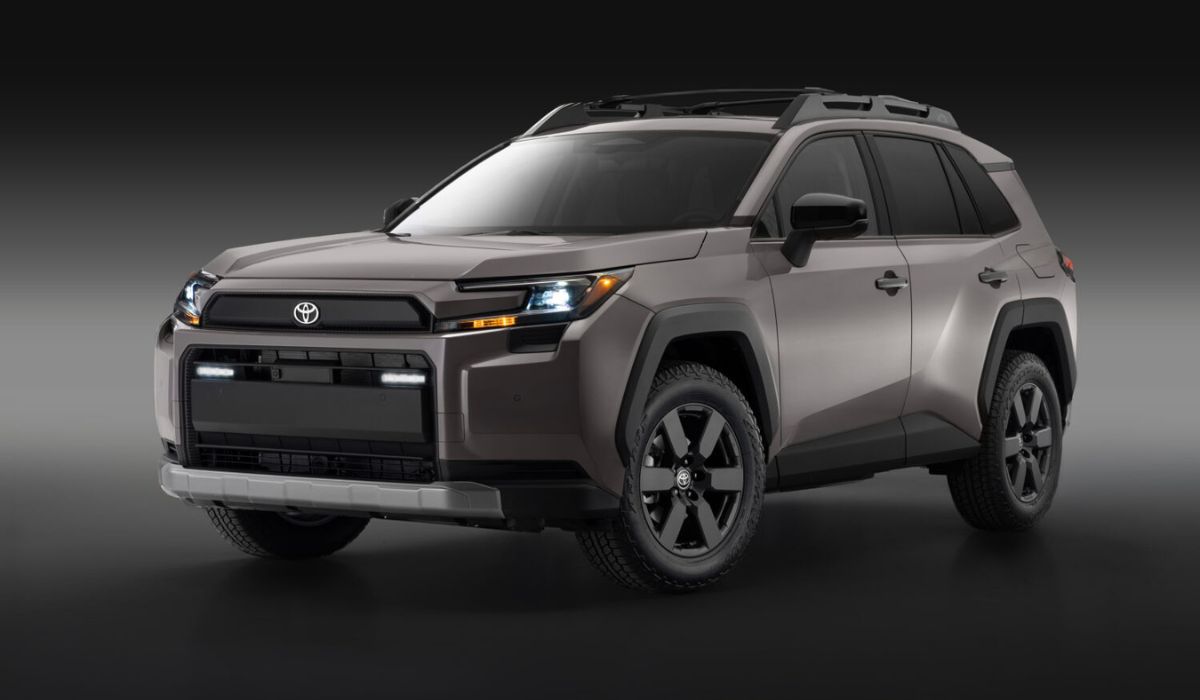
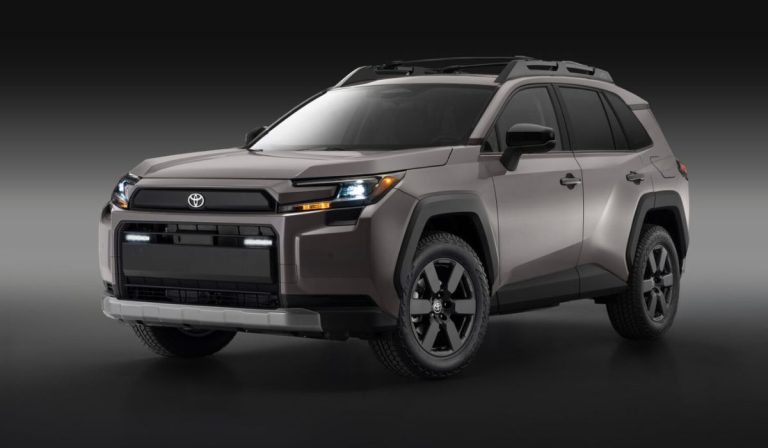
The front fascia is poised for a significant transformation. Expect sleeker, more angular LED headlights, likely integrated with a sophisticated daytime running light signature that emphasizes width and presence. The grille, a defining feature, will undoubtedly evolve. While it may retain a trapezoidal or hexagonal shape, it’s likely to be larger and more intricately detailed, perhaps with active aero shutters for improved efficiency. Lower air intakes will be more sculpted, contributing to a more aggressive yet refined stance.
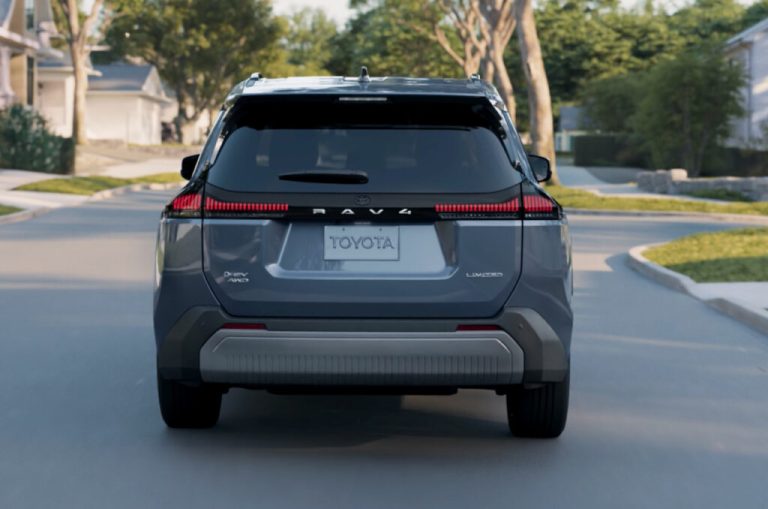
Along the sides, the 2026 RAV4 is expected to feature cleaner, more sculpted body lines. The chunky fender flares that define the current model might be subtly toned down or integrated more seamlessly into the bodywork, giving a more cohesive, premium feel. A gently sloping roofline, potentially with a "floating roof" effect created by blacked-out C-pillars, will lend a dynamic profile. New, larger wheel designs, ranging from 17-inch alloys on base models to 19- or even 20-inch options on higher trims, will further elevate its presence. The rear will complete the transformation with redesigned LED taillights, possibly connected by a full-width light bar, a trend seen across many modern SUVs. A more integrated rear spoiler and revised bumper designs will round out a truly contemporary look.
Dimensions are likely to remain similar, preserving the RAV4’s agile footprint while maximizing interior space. However, subtle tweaks to wheelbase and track width could enhance both stability and interior room. Expect a broader palette of exterior colors, including two-tone options, to allow for greater personalization.
A Sanctuary Redefined: Interior, Technology & Comfort
Stepping inside the 2026 RAV4 is where the most dramatic improvements are anticipated. The current RAV4’s interior, while functional, has started to show its age, particularly against rivals like the Hyundai Tucson and Kia Sportage. Toyota is acutely aware of this and is poised to deliver a cabin that is a significant leap forward in terms of design, material quality, and integrated technology.
The dashboard will be entirely redesigned, emphasizing a cleaner, more minimalist aesthetic without sacrificing functionality. Soft-touch materials will be more prevalent, gracing the upper dash, door panels, and center console. Premium upholstery options, including genuine leather and possibly a more sustainable, high-quality synthetic leather, will elevate the tactile experience. Stitching details, metallic accents, and intelligent ambient lighting will contribute to a truly upscale ambiance.
At the heart of the tech overhaul will be a new infotainment system. We expect a large, horizontally oriented central touchscreen to be standard, likely starting at 10.5 inches on lower trims and growing to a commanding 12.3 inches on higher specifications. This system will feature the latest iteration of Toyota’s infotainment software, renowned for its intuitive interface, crisp graphics, and rapid response times. Wireless Apple CarPlay and Android Auto will be standard across the lineup, alongside integrated navigation, a robust voice assistant, and over-the-air update capabilities.
A fully digital instrument cluster, likely 7 inches on base models and a full 12.3 inches on premium trims, will replace traditional analog gauges, offering customizable displays for crucial driving information, navigation prompts, and safety alerts. A large head-up display will also be available, projecting vital data directly onto the windshield.
Comfort will be paramount. Expect newly designed seats with enhanced bolstering and support, available with heating and ventilation. Rear passenger space, already competitive, may see minor improvements thanks to clever packaging. Storage solutions will be abundant and well-thought-out, including a redesigned center console with multiple compartments, large door pockets, and ample cup holders. Wireless charging pads will be standard on most trims, and a plethora of USB-C ports will keep all devices powered. Expect significant improvements in sound insulation, resulting in a quieter, more serene cabin experience, even at highway speeds.
Powertrains: The Hybrid Revolution Deepens
Toyota’s commitment to hybridization is unwavering, and the 2026 RAV4 will undoubtedly reinforce this strategy, likely making hybrid powertrains even more central to its identity.
-
Standard Gasoline Engine: While the focus will be on electrification, a traditional gasoline engine will likely remain for the entry-level models. The current 2.5-liter naturally aspirated four-cylinder (203 hp) might be carried over with refinements for improved efficiency and NVH (Noise, Vibration, and Harshness), or Toyota could introduce a new, slightly smaller turbocharged engine (perhaps a variant of the 2.4-liter turbo found in the Highlander/Crown) for a blend of power and efficiency. It will be paired with a smooth 8-speed automatic transmission. Front-wheel drive (FWD) will be standard, with all-wheel drive (AWD) available.
-
Next-Generation Hybrid: This will be the volume seller and the true star. The 2026 RAV4 Hybrid will feature the latest iteration of Toyota’s proven Hybrid Synergy Drive system. We anticipate a more powerful and efficient setup, potentially boosting combined output from the current 219 hp to around 230-240 horsepower. Fuel economy will see a measurable improvement, likely pushing towards the 40 MPG combined mark. The electronic AWD system (e-AWD) will be enhanced, offering quicker response and better traction in varied conditions. The CVT will also be refined for a more natural, less "rubber-band" feel.
-
RAV4 Prime (PHEV): The current RAV4 Prime is a sleeper performance car, and the 2026 version promises to build on that foundation. Expect an increase in combined system output, potentially reaching 315-325 horsepower, making it even quicker than its predecessor. Crucially, the all-electric range will see a significant boost, aiming for 50+ miles on a single charge, making daily commutes entirely electric for many owners. Faster charging capabilities, both Level 2 and potentially even a limited DC fast-charging option, are also anticipated. The Prime will continue to offer standard e-AWD.
While an all-electric RAV4 might be in Toyota’s long-term plans, it’s unlikely to be part of the initial 2026 launch, allowing Toyota to roll out its dedicated EV platforms (like the bZ series) first.
Driving Dynamics: Refinement and Engagement
The 2026 RAV4 will continue to ride on an updated version of Toyota’s highly versatile TNGA-K platform. This architecture is known for its rigidity and low center of gravity, which are excellent starting points for improved driving dynamics.
Expect a significantly refined suspension tuning. Toyota will likely aim for a more composed and comfortable ride, better absorbing road imperfections without sacrificing body control. Steering feel, often criticized in the current model for being somewhat numb, should be improved, offering more direct feedback and a greater sense of connection to the road. The overall handling will feel more agile and engaging, making the RAV4 more enjoyable to drive on winding roads while maintaining its excellent highway stability. The aforementioned improvements in cabin quietness will further enhance the driving experience, making long journeys more relaxing.
Specific trims, like the Adventure and TRD Off-Road, will continue to offer unique suspension setups, higher ground clearance, and specialized tires for enhanced off-road prowess. Multi-Terrain Select, with modes for Mud & Sand, Rock & Dirt, and Snow, will undoubtedly return, possibly with even more advanced algorithms. The RAV4 Prime, with its lower center of gravity and potent powertrain, will likely continue to be the most engaging on-road performer.
Safety: Toyota Safety Sense 4.0+
Toyota has long been a leader in safety, and the 2026 RAV4 will showcase the latest advancements with the probable inclusion of Toyota Safety Sense (TSS) 4.0 or an even more advanced iteration. This comprehensive suite of active safety and driver-assistance features will be standard across all trims.
Expected enhancements include:
- Pre-Collision System (PCS) with Pedestrian and Cyclist Detection: Improved detection capabilities in low light and at intersections.
- Dynamic Radar Cruise Control (DRCC): Smoother acceleration and braking, with better integration with speed limit signs.
- Lane Departure Alert (LDA) with Steering Assist: More refined and less intrusive lane-keeping.
- Lane Tracing Assist (LTA): Better centering in the lane, even on gentle curves.
- Road Sign Assist (RSA): Expanded recognition of more road signs.
- Proactive Driving Assist (PDA): A new feature that gently applies braking and/or steering to help support driving tasks such as maintaining distance from a preceding vehicle or pedestrian/cyclist/motorcyclist.
- Enhanced Automatic High Beams (AHB): More precise light control.
- Blind Spot Monitor (BSM) with Rear Cross-Traffic Alert (RCTA): Standard on most trims, if not all.
- Front and Rear Parking Assist with Automatic Braking: To prevent low-speed collisions.
- Advanced Panoramic View Monitor: Providing a 360-degree bird’s-eye view for easier parking and maneuvering.
Beyond active safety, the 2026 RAV4 will feature a robust body structure, an increased number of airbags (likely 8 or 10), and advanced crumple zones to protect occupants in the event of a collision, ensuring top safety ratings from organizations like the IIHS and NHTSA.
Trim Levels & Feature Breakdown
The 2026 RAV4 will offer a diverse range of trim levels to cater to various budgets and preferences, each building upon the features of the preceding trim:
- LE (Base): Expected to start around $30,000 – $32,000. Key features will include the base gasoline engine (or hybrid as standard in some markets), 17-inch alloy wheels, LED headlights, the new 10.5-inch infotainment screen with wireless Apple CarPlay/Android Auto, digital instrument cluster, and the full TSS 4.0+ suite.
- XLE: Building on the LE, the XLE (estimated $32,500 – $35,000) will add features like a power driver’s seat, push-button start, dual-zone automatic climate control, additional USB ports, blind-spot monitoring, and possibly larger 18-inch wheels.
- XLE Premium: Stepping up the luxury (around $35,000 – $37,500), this trim will likely offer synthetic leather upholstery, a power liftgate, a moonroof, ambient interior lighting, and more premium interior trim.
- Limited: The pinnacle of luxury and technology (estimated $38,000 – $42,000), the Limited will include genuine leather upholstery, heated and ventilated front seats, a premium JBL sound system, the 12.3-inch infotainment screen, the 12.3-inch digital instrument cluster, navigation, and potentially a panoramic sunroof.
- Adventure: Designed for the rugged individual (around $37,000 – $40,000), this trim will feature unique exterior styling cues (more aggressive grille, roof rails, unique badging), off-road-tuned suspension, specific all-terrain tires, and upgraded AWD system with torque vectoring.
- TRD Off-Road: The most capable off-roader (estimated $41,000 – $44,000), the TRD Off-Road will add even more robust suspension components, specific TRD wheels, skid plates, a more advanced Multi-Terrain Select system, and unique interior accents.
- RAV4 Prime SE/XSE: The Plug-in Hybrid Electric Vehicle (PHEV) will offer two main trims. The SE (estimated $43,000 – $46,000) will be well-equipped with unique exterior accents, sport-tuned suspension, and the advanced PHEV powertrain. The XSE (estimated $46,000 – $50,000) will further elevate the Prime experience with premium upholstery, a larger infotainment screen, head-up display, and more sophisticated styling.
All prices are speculative and will be subject to change closer to the official launch.
Competition and Market Position
The 2026 Toyota RAV4 will face a gauntlet of formidable competitors, all vying for a slice of the lucrative compact SUV pie. Key rivals include the Honda CR-V (known for its refinement and space), Hyundai Tucson and Kia Sportage (bold design and advanced tech), Mazda CX-50 (engaging driving dynamics), Nissan Rogue (comfort-oriented), and Subaru Forester (safety and off-road capability).
However, the RAV4 has historically held several trump cards: its unparalleled reputation for reliability and resale value, its comprehensive safety features, and increasingly, its leadership in hybrid powertrains. The 2026 model aims to widen this lead by addressing previous criticisms regarding interior quality and driving engagement, while doubling down on its strengths. With a more premium interior, cutting-edge technology, and even more compelling hybrid options, the RAV4 will continue to offer a unique blend of practicality, efficiency, and newfound sophistication that few rivals can match.
The Verdict: The Reign Continues
The 2026 Toyota RAV4 isn’t just another redesign; it’s a strategic evolution designed to ensure its continued dominance in the compact SUV segment. By meticulously refining its exterior, revolutionizing its interior, and deepening its commitment to advanced hybrid powertrains, Toyota is poised to deliver a vehicle that is more attractive, more technologically advanced, more refined, and more efficient than ever before.
For families seeking a reliable and safe daily driver, for adventurers looking for capable exploration, or for eco-conscious buyers prioritizing efficiency without compromise, the 2026 RAV4 promises to cater to all. It’s a testament to Toyota’s understanding of its customers and its unwavering pursuit of continuous improvement. The next chapter for the RAV4 is not just about staying relevant; it’s about setting new benchmarks and solidifying its legacy as the undisputed crossover king. Get ready, because the apex predator is about to strike again.