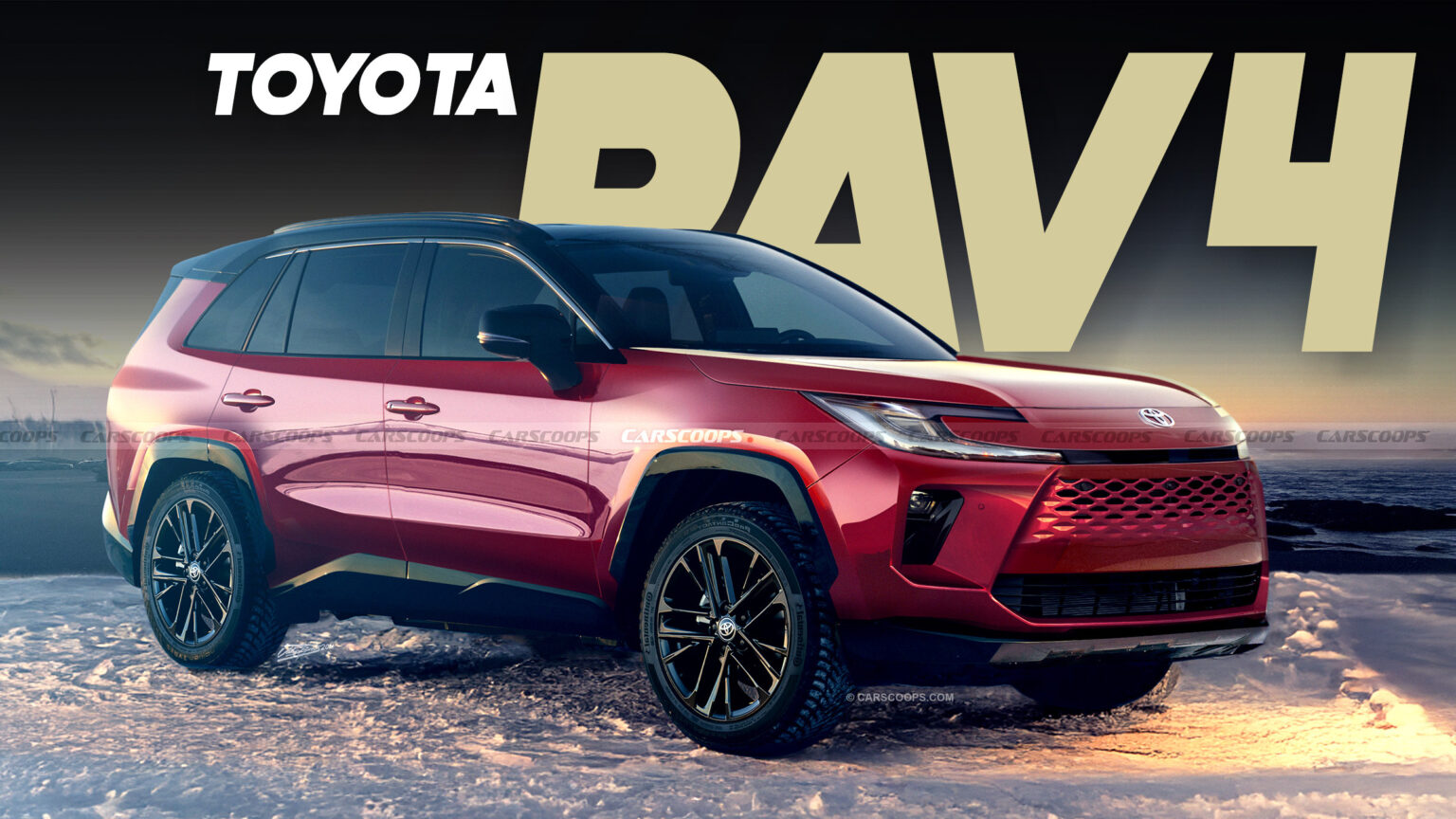
The compact SUV segment is a battlefield, a fiercely contested arena where practicality, efficiency, technology, and value collide. For years, the Toyota RAV4 has been its undisputed monarch, a perennial best-seller that consistently tops charts and fills driveways. Its formula of bulletproof reliability, strong resale values, decent fuel economy, and no-nonsense utility has resonated with millions. But the automotive landscape is shifting at a breakneck pace, and the crown rests uneasy. As we gaze towards 2026, a new generation of the Toyota RAV4 is on the horizon, poised to face its most formidable challengers yet. The burning question for savvy consumers remains: will the 2026 Toyota RAV4 still be the best SUV for the money?
To answer this, we must first speculate on what the next-generation RAV4 will bring to the table, then pit those expected attributes against a phalanx of increasingly sophisticated and value-driven rivals.
The 2026 Toyota RAV4: Evolution of a Juggernaut
Toyota isn’t one for radical reinvention, especially when a formula is this successful. Expect the 2026 RAV4 to be an evolution, not a revolution. It will undoubtedly ride on an updated version of the TNGA-K platform, likely offering enhancements in rigidity, refinement, and noise, vibration, and harshness (NVH) suppression.
What to Expect (and Demand):
-
Powertrains: The current RAV4’s 2.5-liter naturally aspirated engine, while reliable, is beginning to feel dated against turbocharged and more advanced hybrid offerings.
- Hybrid Dominance: The next RAV4 will likely double down on its hybrid prowess. Expect a more efficient, possibly more powerful, iteration of Toyota’s renowned Hybrid Synergy Drive. This could mean a new generation of Atkinson-cycle engines paired with advanced electric motors, pushing MPG figures even higher.
- RAV4 Prime Evolution: The plug-in hybrid RAV4 Prime is a star, but its relatively high price and limited availability have been drawbacks. The 2026 model should feature an even longer electric-only range (pushing well past 50 miles) and faster charging capabilities, potentially making it more accessible.
- Whispers of Full BEV: While Toyota has been cautious with battery electric vehicles (BEVs), the competitive pressure is immense. A dedicated RAV4 BEV variant, distinct from the bZ4X, is a distinct possibility, though perhaps later in the generation’s lifecycle. A traditional internal combustion engine (ICE) option might remain, but its role will likely diminish.
-
Interior & Technology: This is an area where the current RAV4, while functional, lags behind many competitors in terms of design flair, material quality in lower trims, and cutting-edge infotainment.
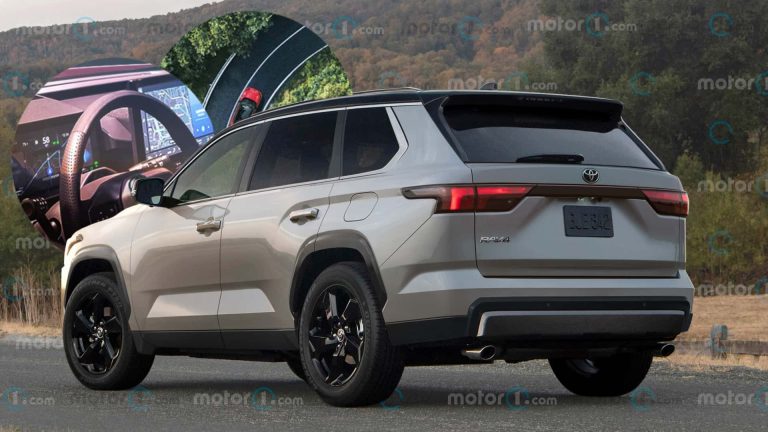
- Digital Overhaul: Expect a fully digital instrument cluster as standard or widely available, alongside a significantly larger and more intuitive central touchscreen. The current Toyota Audio Multimedia system is a vast improvement, but the 2026 model will need to push boundaries with wireless Apple CarPlay/Android Auto, improved voice commands, and integrated navigation with real-time traffic.
- Premium Materials: Toyota will likely address criticisms of hard plastics, especially in higher trims, offering softer-touch surfaces, better trim accents, and improved seating comfort.
- Ergonomics & Space: The RAV4 is already known for its practical cabin and generous cargo space. The next generation will aim to maintain or improve this, with clever storage solutions and perhaps a slightly longer wheelbase for enhanced rear legroom.
-
Safety & Driver-Assist: Toyota Safety Sense (TSS) is already one of the most comprehensive standard safety suites. The 2026 RAV4 will undoubtedly feature TSS 3.0 or even 4.0, bringing enhancements like improved pedestrian and cyclist detection, more sophisticated adaptive cruise control, lane-keeping assist, and potentially hands-free driving capabilities on certain highways.
-
Driving Dynamics: While the RAV4 is competent, it’s not celebrated for its driving verve. The new platform should allow for a more refined ride, sharper steering, and better body control, bringing it closer to segment leaders in driving pleasure without sacrificing comfort.
-
Design: Expect an evolutionary design that retains the RAV4’s rugged, truck-like appeal but with sleeker lines, updated lighting signatures, and a more aerodynamic profile.
The Gauntlet of Challengers: Who Wants the Crown?
The compact SUV segment is a melting pot of innovation, with every major manufacturer vying for a slice of the pie. The "best for the money" equation isn’t just about the sticker price; it encompasses total cost of ownership, features, efficiency, reliability, and the overall ownership experience.
1. The Perennial Rival: Honda CR-V
- Strengths: The CR-V is the RAV4’s most direct and formidable rival. The current generation offers a highly refined driving experience, a remarkably spacious and well-appointed interior, and an excellent hybrid powertrain that rivals Toyota’s for efficiency. Honda’s reputation for reliability and strong resale is second only to Toyota.
- Challenge to RAV4: The CR-V Hybrid’s powertrain is arguably smoother and more refined than the current RAV4 Hybrid. Its interior feels more premium and offers a more intuitive layout in some respects. If the 2026 RAV4 doesn’t elevate its interior game significantly, the CR-V will continue to be a potent threat.
2. The Style & Tech Mavericks: Hyundai Tucson & Kia Sportage
- Strengths: These Korean twins have revolutionized the segment with their audacious, futuristic designs, feature-packed interiors, and compelling hybrid and plug-in hybrid options. Their infotainment systems are often praised, and their industry-leading warranties (10-year/100,000-mile powertrain) offer unmatched peace of mind.
- Challenge to RAV4: The Tucson and Sportage offer an undeniable "wow" factor both inside and out. For buyers prioritizing cutting-edge design, advanced tech features, and an unbeatable warranty for their money, these two present a very strong argument against the RAV4’s more conservative approach. Their value proposition is undeniable.
3. The Driver’s Choice (with a Twist): Mazda CX-50 & CX-5
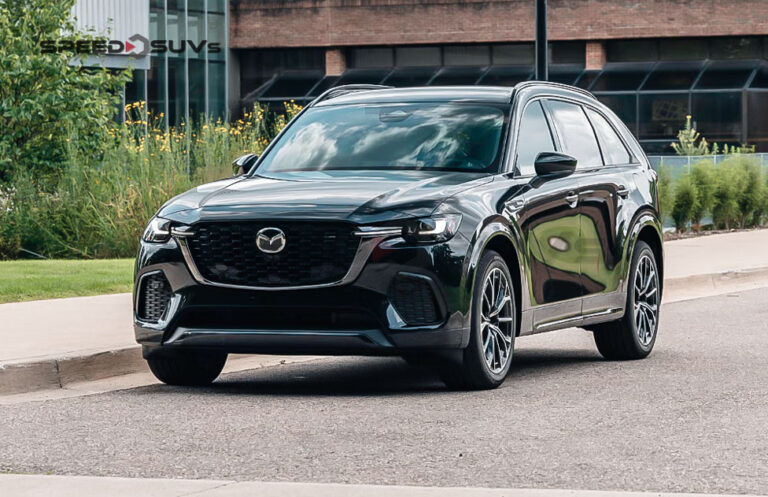
- Strengths: Mazda consistently delivers a premium driving experience, even in its mainstream vehicles. The CX-50, with its slightly more rugged stance and sophisticated all-wheel-drive system, feels more upscale than its price tag suggests. The CX-5 remains a benchmark for driving dynamics and interior refinement.
- Challenge to RAV4: For those who value the act of driving and appreciate a more upscale cabin without breaking the bank, Mazda offers a compelling alternative. While not offering the same hybrid efficiency as Toyota, their turbo engines provide a fun factor the RAV4 often lacks. The CX-50, in particular, appeals to a slightly more adventurous, design-conscious buyer.
4. The Rugged Individualist: Subaru Forester
- Strengths: The Forester continues to carve out its niche with standard Symmetrical All-Wheel Drive, impressive ground clearance, and an unwavering commitment to safety (EyeSight driver-assist system). It’s known for its excellent visibility, practical interior, and go-anywhere capability (within reason).
- Challenge to RAV4: For buyers in colder climates or those who frequently venture off paved roads, the Forester’s AWD system and rugged reliability are hard to beat for the money. Its practicality and ease of use appeal to a specific demographic that values capability over flash.
5. The Quiet Achiever: Nissan Rogue
- Strengths: The Rogue often gets overlooked but offers a surprisingly comfortable ride, a quiet cabin, and a refined variable compression turbo engine (VC-T) that delivers a good balance of power and efficiency. Its "Zero Gravity" seats are exceptionally comfortable.
- Challenge to RAV4: The Rogue provides excellent comfort and a premium feel for its price point. While not as overtly exciting, its solid all-around performance and comfortable cruising ability make it a strong contender for those prioritizing passenger comfort on long journeys.
6. The American Contenders: Ford Escape & Chevrolet Equinox
- Strengths: The Ford Escape offers a range of powertrains, including a strong hybrid and PHEV option, and a generally pleasant driving experience. The upcoming Equinox EV promises to be a value-oriented electric option, which could shake up the segment.
- Challenge to RAV4: While perhaps not as direct a threat in terms of sheer sales volume, these American options often provide competitive pricing and strong domestic appeal. The Escape’s hybrid system is well-regarded, and if the Equinox EV delivers on its promise of affordability, it could pull value-conscious EV buyers away from any potential RAV4 BEV.
The "Best for the Money" Equation: Deeper Dive
To truly determine the "best for the money," we must look beyond the MSRP:
- Total Cost of Ownership (TCO): This is where Toyota traditionally shines.
- Fuel Economy: The RAV4 Hybrid and Prime consistently deliver class-leading MPG and MPGe figures, significantly reducing long-term fuel costs. The 2026 model will likely extend this lead.
- Maintenance: Toyota’s reputation for reliability translates to lower repair costs over time. While scheduled maintenance is universal, unexpected issues are less common.
- Insurance: Generally, mass-market Toyotas have reasonable insurance rates, though Prime models might be slightly higher due to battery costs.
- Depreciation: This is a major factor. Toyota RAV4s hold their value exceptionally well, often depreciating less than many competitors. This means a higher resale value when it’s time to sell or trade in, effectively lowering the true cost of ownership.
- Standard Features: Toyota has been good about standardizing safety features (TSS). For 2026, expect a generous suite of comfort and convenience features to become standard across more trims, reducing the need to step up to higher, more expensive models for essentials.
- Build Quality & Longevity: The perception (and reality) of Toyota’s long-term durability is a powerful draw for budget-conscious buyers who intend to keep their vehicles for many years.
The Verdict: Will the 2026 RAV4 Reign Supreme?
The 2026 Toyota RAV4 arrives at a pivotal moment. The competition has not merely caught up; in several aspects, they have surpassed the current RAV4. Hyundai and Kia offer bolder designs and tech, Honda provides superior refinement, and Mazda delivers a more engaging drive.
For the 2026 RAV4 to truly be the "best SUV for the money," it must:
- Elevate its interior: Address material quality and infotainment responsiveness.
- Refine its powertrains: Maintain its hybrid efficiency lead while improving driving dynamics and potentially offering a compelling BEV.
- Innovate on value: Continue to offer a strong suite of standard features and maintain its legendary reliability and resale value.
Our Prediction:
The 2026 Toyota RAV4 will undoubtedly be a phenomenal vehicle. It will likely continue to be one of the best SUVs for the money, particularly for buyers who prioritize unassailable reliability, exceptional long-term value (due to low depreciation and TCO), and class-leading fuel efficiency, especially in its hybrid forms.
However, the "best" is subjective.
- For those prioritizing cutting-edge design, advanced tech, and a longer warranty for their dollar, the Hyundai Tucson or Kia Sportage might offer more bang for the buck.
- For drivers who value refinement, interior spaciousness, and a slightly more premium feel, the Honda CR-V could edge out the RAV4.
- And for those who seek a more engaging driving experience and a truly premium cabin at a mainstream price, the Mazda CX-50 will remain a strong contender.
The 2026 Toyota RAV4 will be a formidable competitor, solidifying its position as a default choice for many. It will likely continue to dominate sales charts due to its well-earned reputation. But the days of its undisputed reign as the unequivocally best SUV for the money are likely over. The competition is too fierce, too innovative, and too good at delivering specific value propositions that might resonate more deeply with different segments of buyers.
Ultimately, the consumer is the real winner in this intense battle for market share. More choices, more features, and more value mean a richer landscape for anyone in the market for a compact SUV in 2026. The RAV4 will remain a top-tier contender, but it will have to fight harder than ever to prove it’s the absolute best value for every dollar.