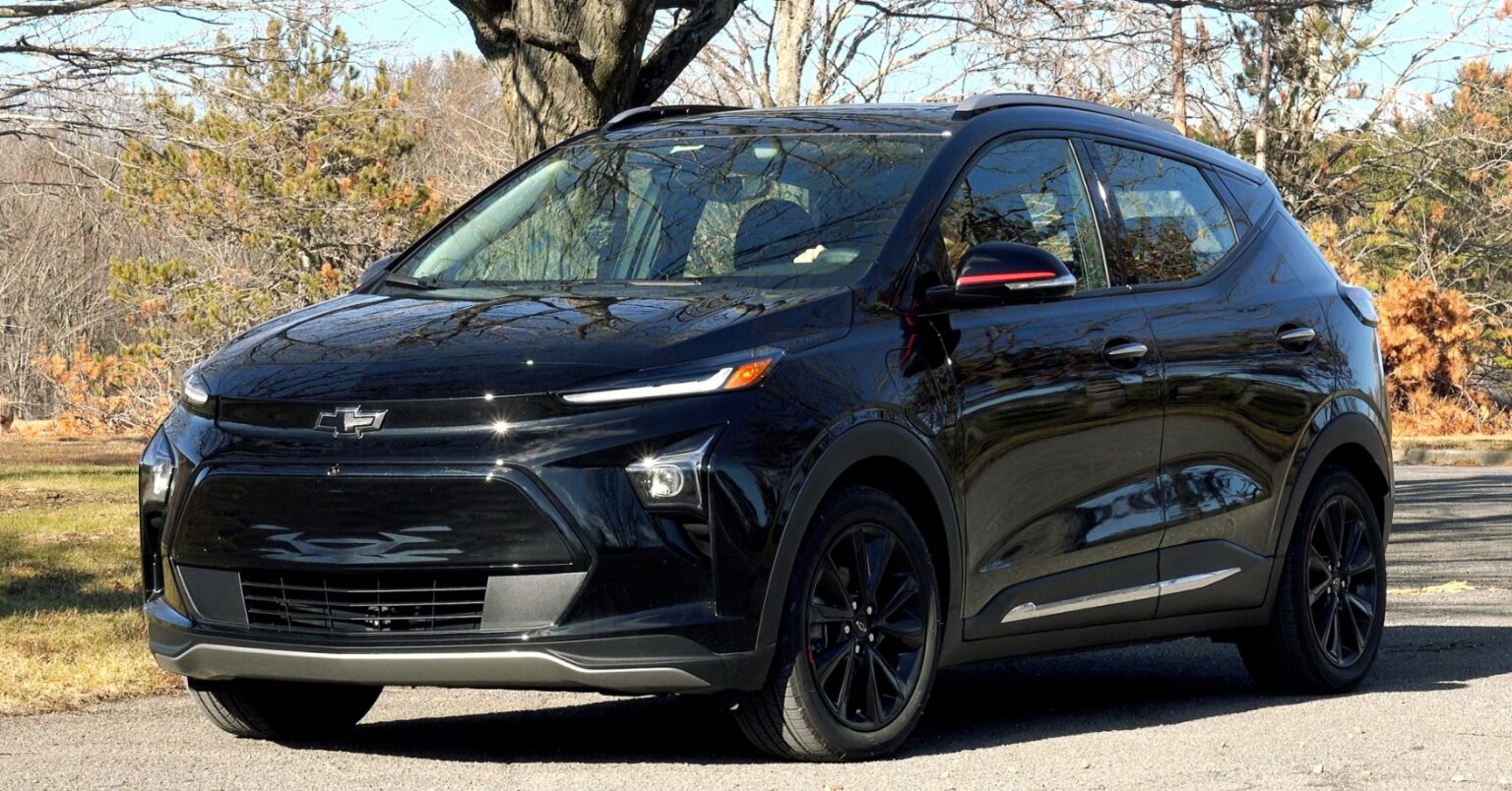
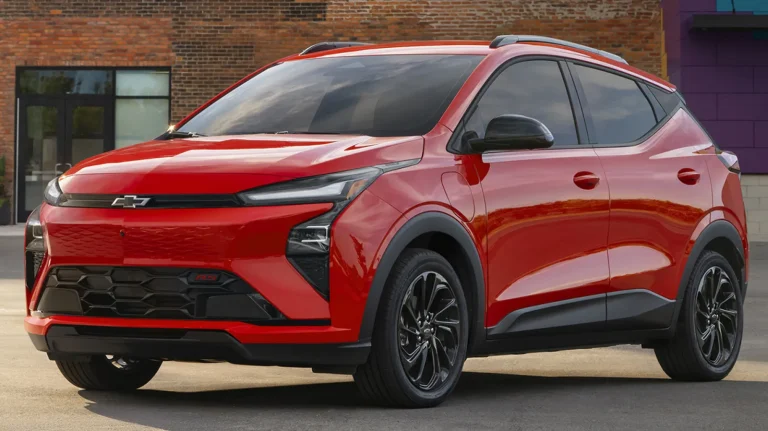
The electric vehicle (EV) market is a battlefield of innovation, range, and affordability. Amidst the continuous influx of new models, one name resonated deeply with consumers for its blend of practicality and value: the Chevrolet Bolt EUV. After a brief hiatus that left many enthusiasts yearning, General Motors made a groundbreaking announcement: the Bolt EUV is returning for the 2026 model year, reborn on the state-of-the-art Ultium platform. This isn’t just a comeback; it’s a strategic re-entry designed to reclaim its crown as the king of affordable, accessible electric mobility.
This article delves deep into everything we know and anticipate about the 2026 Chevrolet Bolt EUV, from its speculated release date and groundbreaking features to a comprehensive buying guide designed to equip prospective owners with all the knowledge they need to make an informed decision in the rapidly evolving EV landscape.
The Anticipated Return: A New Chapter for the Bolt EUV
The original Chevrolet Bolt EV and its larger sibling, the Bolt EUV, were trailblazers. Launched in 2016, the Bolt EV was one of the first mass-market long-range electric cars, offering over 200 miles of range at a relatively accessible price point. The EUV variant, introduced in 2021, built on this success with a more SUV-like stance, increased rear legroom, and available Super Cruise hands-free driving technology.
However, despite their popularity, GM announced the discontinuation of the Bolt line in 2023 to make way for new Ultium-based EVs like the Equinox EV and Blazer EV. The decision, though strategic for GM’s long-term platform consolidation, left a significant void in the affordable EV segment. Consumers and critics alike lamented the loss of a vehicle that punched above its weight in value.
Recognizing this critical gap and the overwhelming public demand, GM swiftly reversed course. The announcement of the 2026 Chevrolet Bolt EUV’s return was met with widespread enthusiasm, signaling GM’s commitment not only to premium EVs but also to providing compelling electric options for every budget. This new Bolt EUV isn’t merely a rehash; it’s a complete reimagining, leveraging GM’s revolutionary Ultium battery and motor technology to deliver enhanced performance, range, and charging capabilities.
2026 Chevrolet Bolt EUV: Release Date Speculation & Official Announcements
While GM has confirmed the 2026 model year, an exact release date for the new Chevrolet Bolt EUV remains under wraps. Based on typical automotive production cycles and GM’s current EV rollout strategy, we can make some educated predictions:
- Official Unveiling: Expect a formal concept or production-ready reveal sometime in late 2024 or early 2025. This would allow GM to build hype, showcase features, and gather initial interest.
- Production Start: Manufacturing for a 2026 model typically commences in mid-to-late 2025.
- Showroom Availability: The earliest customers could expect to see the 2026 Bolt EUV arrive at dealerships would likely be late 2025, with a wider rollout throughout early to mid-2026.
What to Expect:
GM will likely initiate a reservation or pre-order system closer to the official unveiling, similar to how they handled the Equinox EV and Blazer EV launches. Staying tuned to official Chevrolet announcements, automotive news outlets, and local dealership communications will be crucial for those eager to be among the first owners.
Expected Innovations & Features: What to Anticipate from the Ultium Bolt EUV
The move to the Ultium platform is the single most significant upgrade for the 2026 Bolt EUV. This modular architecture is designed to power a diverse range of EVs, from compact cars to heavy-duty trucks, offering unparalleled flexibility in battery size, motor configurations, and vehicle types.
A. Powering the Future: The Ultium Platform Advantage
The Ultium platform is GM’s scalable battery and motor architecture that underpins its next generation of electric vehicles. For the 2026 Bolt EUV, this translates to:
- Modular Design: Ultium batteries use large, pouch-style cells that can be stacked vertically or horizontally, allowing for flexible packaging and optimized interior space.
- Enhanced Efficiency: The platform is engineered for greater energy density and thermal management, leading to improved range and battery longevity.
- Scalability: While the Bolt EUV will likely utilize a smaller Ultium battery pack compared to its larger siblings, it benefits from the same advanced technology.
B. Range & Battery Technology
The original Bolt EUV offered an EPA-estimated range of 247 miles. With the Ultium platform, the 2026 model is poised for a significant leap:
- Projected Range: Expect the 2026 Bolt EUV to offer an estimated 280 to 320 miles of range on a single charge, making it even more competitive for daily commutes and longer road trips.
- Faster Charging: Ultium technology supports faster DC fast charging rates. While specific figures will be revealed closer to launch, anticipate significantly improved charging times compared to the outgoing model, potentially adding 100+ miles of range in under 20-30 minutes at compatible DC fast chargers.
- Advanced Battery Chemistry: Ultium batteries are designed to use less cobalt, a costly and ethically complex material, signaling a move towards more sustainable and cost-effective battery production.
C. Performance & Driving Dynamics
The Ultium platform allows for more powerful and efficient electric motors:
- Motor Options: While the original Bolt EUV was FWD only, the Ultium platform makes All-Wheel Drive (AWD) a strong possibility for the 2026 model, catering to those in colder climates or desiring enhanced traction.
- Increased Power: Expect a noticeable bump in horsepower and torque, leading to quicker acceleration and a more responsive driving experience. The original Bolt EUV offered 200 hp; the new one could easily surpass this, potentially approaching 220-250 hp.
- Refined Ride: The new platform will likely bring improved suspension tuning and a lower center of gravity, resulting in a more composed and comfortable ride quality.
D. Design Evolution: Exterior & Interior
While maintaining its practical EUV proportions, the 2026 Bolt EUV will adopt GM’s latest EV design language:
- Modern Exterior: Expect sleeker lines, updated LED lighting signatures (front and rear), and a more aerodynamic profile, drawing inspiration from the Equinox EV and Blazer EV but scaled down. It will retain its distinct EUV identity with slightly raised ground clearance and robust cladding.
- Spacious & Premium Interior: The Ultium platform’s flat floor design maximizes interior volume. Anticipate higher-quality materials, more ergonomic seating, and a greater sense of refinement than the outgoing model. Improved sound deadening will also contribute to a quieter cabin.
- Enhanced Cargo Capacity: While compact, the EUV format is known for its versatility. The 2026 model should offer competitive cargo space, especially with the rear seats folded down, making it practical for groceries, gear, or even small furniture.
E. Technology & Infotainment
The new Bolt EUV will be a tech-forward vehicle:
- Larger Infotainment Screens: Expect a large, high-resolution central touchscreen (likely 11-17 inches) running GM’s latest infotainment system, potentially with Google Built-in features (Google Maps, Google Assistant, Google Play Store).
- Digital Gauge Cluster: A customizable digital instrument cluster will provide key driving information clearly and intuitively.
- Connectivity: Wireless Apple CarPlay and Android Auto will be standard, along with multiple USB-C ports, a wireless charging pad, and potentially an in-car Wi-Fi hotspot.
- Over-the-Air (OTA) Updates: The Ultium platform enables seamless software updates, ensuring the vehicle’s systems remain current and can even gain new features over time.
F. Safety & Driver-Assistance Features
Safety will be paramount, with a comprehensive suite of advanced features:
- Standard Chevy Safety Assist: This package typically includes Automatic Emergency Braking, Front Pedestrian Braking, Lane Keep Assist with Lane Departure Warning, Forward Collision Alert, IntelliBeam auto high beams, and a Following Distance Indicator.
- Available Super Cruise: A major differentiator for the outgoing Bolt EUV, the 2026 model is almost certain to offer Super Cruise – GM’s acclaimed hands-free driver-assistance system for compatible highways. This technology provides a significant convenience and safety benefit on long drives.
- Additional ADAS: Expect features like Adaptive Cruise Control, Blind Zone Steering Assist, Rear Cross Traffic Braking, and HD Surround Vision to be available, either standard on higher trims or as optional packages.
2026 Chevrolet Bolt EUV Price Prediction & Value Proposition
One of the most critical aspects of the Bolt EUV’s return is its price point. GM has explicitly stated its intention to position the new Bolt EUV as an affordable entry into the Ultium family.
- Target Price Range: While the original Bolt EUV started around $27,800 (before incentives), the new Ultium platform and enhanced features will likely push the price up slightly. We predict the 2026 Chevrolet Bolt EUV will start in the low-to-mid $30,000s (e.g., $32,000 – $38,000) for the base model, with higher trims potentially reaching into the low $40,000s.
- Value Proposition: This price point would make it exceptionally competitive, undercutting many new Ultium EVs like the Equinox EV (expected to start around $35,000) and Blazer EV (starting around $48,000). It would also compete fiercely with rivals like the Hyundai Kona Electric and Kia Niro EV, offering potentially more range and advanced tech for a similar or lower price.
- Federal Tax Credits: Crucially, if the 2026 Bolt EUV is manufactured in North America and meets battery component sourcing requirements, it could be eligible for the $7,500 federal clean vehicle tax credit. This would significantly reduce the effective purchase price, making it an incredibly compelling option. Buyers should verify eligibility closer to the vehicle’s release, as criteria can change.
The Ultimate 2026 Chevrolet Bolt EUV Buying Guide
Purchasing an EV, especially a new generation model, involves unique considerations. This comprehensive guide will walk you through the process of buying the 2026 Chevrolet Bolt EUV.
A. Step 1: Assess Your Needs & Lifestyle
Before even looking at specs, consider how an EV fits into your daily life:
- Daily Commute: How many miles do you drive daily? The anticipated 280-320 mile range will comfortably cover most commutes with plenty of buffer.
- Family & Cargo: Do you need space for children, pets, or frequent cargo hauling? The EUV’s increased rear legroom and versatile cargo area make it a strong contender for small families or active individuals.
- Road Trips: While the improved range makes longer trips more feasible, consider your tolerance for planning charging stops.
- Home Charging: This is perhaps the most critical factor. Do you have a garage or dedicated parking space where you can install a Level 2 charger? Home charging is the most convenient and cost-effective way to fuel an EV.
B. Step 2: Understanding EV Ownership Costs
Beyond the sticker price, factor in the total cost of ownership:
- "Fuel" Savings: Electricity is generally cheaper per mile than gasoline, especially if you charge at home during off-peak hours. Calculate your potential savings based on local electricity rates and gasoline prices.
- Maintenance: EVs have fewer moving parts than gasoline cars, leading to lower maintenance costs (no oil changes, spark plugs, belts, etc.). Tire rotation and brake checks are still necessary, but regenerative braking reduces wear on brake pads.
- Insurance: EV insurance can sometimes be slightly higher due to the advanced technology and higher repair costs for specialized components. Get quotes from multiple providers.
- Resale Value: While historically strong, the rapidly evolving EV market means resale values can fluctuate. However, a popular, affordable Ultium-based EV like the Bolt EUV is likely to hold its value well.
C. Step 3: Charging Infrastructure & Strategy
Your charging setup will define your EV experience:
- Home Charging (Essential):
- Level 1 (120V Standard Outlet): Very slow (3-5 miles of range per hour). Only suitable for very low daily mileage or as an emergency backup.
- Level 2 (240V, 32-48 Amps): Highly recommended. Adds 25-40 miles of range per hour. Can fully charge the Bolt EUV overnight. Requires professional installation of a 240V outlet or dedicated circuit. GM often offers incentives or credits for home charger installation.
- Public Charging:
- Level 2 (Public): Found at workplaces, shopping centers, etc. Good for topping off during errands.
- DC Fast Charging (DCFC): Crucial for road trips. The Ultium Bolt EUV will be capable of much faster DCFC speeds than its predecessor. Familiarize yourself with charging networks (Electrify America, EVgo, ChargePoint, etc.) and their apps. GM’s Ultium Charge 360 program may offer charging credits or preferred rates.
D. Step 4: Exploring Trim Levels & Options
The 2026 Bolt EUV will likely come in a few trim levels, offering different features and price points:
- Base Model: Will provide excellent value, covering core EV functionality and essential features.
- Mid-Tier Trims: Add comfort and convenience features like heated seats, power liftgate, larger infotainment screens, and potentially some advanced driver-assistance systems (ADAS) as standard.
- Top-Tier Trims: Offer premium materials, Super Cruise, advanced audio systems, ventilated seats, and potentially AWD.
- Key Decisions: Consider if you need AWD, if Super Cruise is a must-have for your driving habits, and which interior creature comforts are important.
E. Step 5: Financing & Incentives
Navigating the financial landscape of EV ownership can save you thousands:
- Federal Tax Credit: As mentioned, the $7,500 federal tax credit for new clean vehicles is a significant factor. Verify the 2026 Bolt EUV’s eligibility closer to its release. Income limitations and manufacturing requirements apply.
- State & Local Incentives: Many states, cities, and utility companies offer their own rebates, tax credits, or preferred charging rates for EV owners. Research what’s available in your area.
- Leasing vs. Buying: Leasing an EV can be attractive due to rapid technological advancements and potential changes in tax credit rules. Often, the federal tax credit can be factored into a lease as an immediate discount.
- Loan Options: Shop around for the best interest rates from banks, credit unions, and GM Financial.
F. Step 6: Test Driving & Pre-Order Considerations
Once the 2026 Bolt EUV becomes available:
- The Test Drive: This is non-negotiable. Experience the instant torque, one-pedal driving (if available), quiet cabin, and overall driving dynamics. Pay attention to visibility, seat comfort, and infotainment usability.
- Pre-Orders/Reservations: If demand is high (and it likely will be), consider placing a pre-order or reservation to secure an early build slot. Understand the deposit requirements and cancellation policies.
- Dealership Experience: Find a Chevrolet dealership with knowledgeable EV sales staff and service technicians. A good dealer relationship is invaluable for EV ownership.
G. Step 7: The Transition to EV Living
Embrace the new routine:
- Charging Habits: Get into the habit of plugging in your Bolt EUV when you get home, just like you would a phone. Waking up to a "full tank" every morning is a major convenience.
- Trip Planning: For longer journeys, use in-car navigation or apps like A Better Routeplanner (ABRP) to plan charging stops efficiently.
- Enjoy the Benefits: Relish the quiet, smooth ride, instant acceleration, reduced emissions, and lower running costs.
How the 2026 Bolt EUV Stacks Up Against Competitors
The return of the Bolt EUV will reignite competition in the compact electric crossover segment. Key rivals include:
- Hyundai Kona Electric: Offers competitive range and features, but often at a slightly higher price.
- Kia Niro EV: A practical and stylish option with good range, but typically priced above the anticipated Bolt EUV.
- Volkswagen ID.4: A larger, more expensive option, but offers a comfortable ride and AWD.
- Subaru Solterra / Toyota bZ4X: AWD standard, but often criticized for slower charging and higher pricing.
- Upcoming Chinese EVs: Brands like BYD and MG are expanding globally, potentially offering lower-cost alternatives, but may lack the established dealer network and proven tech of GM.
The 2026 Chevrolet Bolt EUV’s unique selling proposition will be its combination of the advanced Ultium platform, impressive range, available Super Cruise, and its aggressive price point, especially after potential federal tax credits. It aims to be the accessible EV that doesn’t compromise on modern technology or driving experience.
The Future is Electric: Chevrolet’s Commitment & the Bolt’s Role
The reintroduction of the Bolt EUV underscores GM’s "all-electric future" vision and its commitment to making EVs accessible across various price points. While the Hummer EV, Silverado EV, Blazer EV, and Equinox EV showcase the breadth of Ultium’s capabilities, the Bolt EUV will serve as the crucial entry point, drawing new customers into the electric ecosystem.
By offering a compelling package of range, technology, and affordability, the 2026 Chevrolet Bolt EUV is poised to become a significant player in accelerating the mainstream adoption of electric vehicles. It’s a testament to listening to customer feedback and adapting to market needs, proving that a beloved nameplate can indeed get a second, even better, life.
Conclusion: The Dawn of a New Electric Era for the Bolt EUV
The 2026 Chevrolet Bolt EUV is more than just a returning model; it represents a strategic pivot and a renewed commitment from General Motors to dominate the affordable EV segment. Built on the cutting-edge Ultium platform, it promises substantial improvements in range, charging speed, performance, and technology, all while retaining its core value proposition.
As we await the official release date and full specifications, the anticipation for this electric comeback is palpable. For prospective EV buyers, the 2026 Bolt EUV is shaping up to be an exceptionally strong contender, offering a gateway to a sophisticated electric driving experience without breaking the bank. Stay tuned for further announcements from Chevrolet, as the dawn of a new, electrifying era for the Bolt EUV approaches.