The compact SUV segment is less a market and more a gladiatorial arena. It’s a brutal, high-stakes battleground where every manufacturer brings their best, vying for the hearts, minds, and wallets of millions of buyers. In this automotive equivalent of a Swiss Army knife, vehicles must be practical, efficient, safe, stylish, and, increasingly, enjoyable to drive. For years, the Mazda CX-5 has been a shining beacon in this crowded space, consistently punching above its weight with premium aesthetics and unparalleled driving dynamics for a mainstream brand.
But the sands of time, and consumer expectations, shift constantly. As we look towards 2026, the anticipated next-generation Mazda CX-5 looms large, promising to refine an already winning formula. The crucial question, however, remains: can it truly emerge as the "best SUV for the money" when stacked against a formidable lineup of rivals, each bringing their own compelling proposition to the table? Let’s dive deep into the crystal ball and the current landscape to dissect this automotive puzzle.
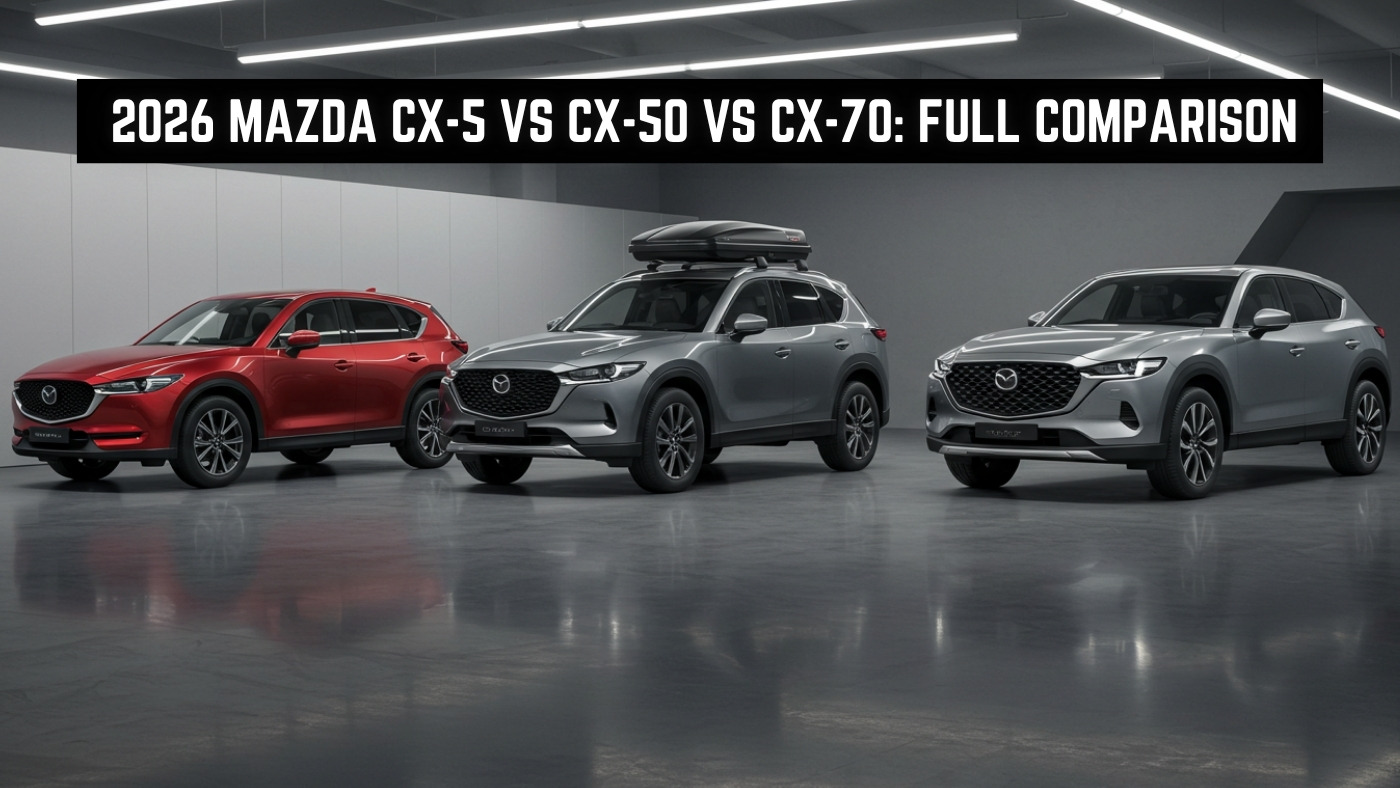
The Incumbent King (and What to Expect from the 2026 CX-5)
The current Mazda CX-5 is a testament to the brand’s "Jinba Ittai" philosophy – the oneness of horse and rider. It offers an engaging driving experience, a sophisticated interior that often draws comparisons to entry-level luxury marques, and a timeless Kodo design language that has aged gracefully. It’s not the largest, nor the most cargo-friendly, but it consistently delivers a feeling of quality and refinement that belies its price tag.
For the 2026 model year, industry whispers and Mazda’s recent product strategy suggest a significant evolution rather than a revolution. Here’s what we can realistically expect:
- Enhanced Kodo Design: While the core principles will remain, anticipate a sharper, more modern interpretation of Kodo. Think slimmer LED lighting signatures, a more assertive grille, and perhaps a slightly more sculpted profile that leans into a sportier, more upscale aesthetic, possibly borrowing cues from the larger CX-50, CX-60, and CX-90.
- Sophisticated Powertrains: Mazda’s commitment to efficiency and performance will undoubtedly lead to a refreshed engine lineup. The naturally aspirated Skyactiv-G 2.5L will likely continue as the base, possibly with minor tweaks for efficiency. The turbocharged 2.5L, a fan favorite for its robust power, will almost certainly remain. However, the most critical addition will be a robust hybrid option. Mazda has been slower to adopt widespread hybridization than some rivals, but the 2026 CX-5 must offer a compelling hybrid to compete on fuel economy and emissions. This could be a development of their current mild-hybrid tech or a full parallel hybrid system, possibly sharing components with Toyota given their partnership. A plug-in hybrid (PHEV) variant isn’t out of the question for select markets or higher trims.
- Refined Interior & Cutting-Edge Tech: The CX-5’s interior has always been a strong point. The 2026 model will likely elevate this further with even higher-quality materials, improved ergonomics, and a more integrated digital experience. Expect larger, customizable digital gauge clusters, a more responsive and perhaps larger central infotainment screen with wireless Apple CarPlay/Android Auto as standard, and over-the-air (OTA) update capabilities. Mazda’s tactile controls are often lauded, so a sensible blend of physical buttons and screen-based interactions is probable.
- Advanced Safety Suite: Mazda’s i-Activsense safety features are already comprehensive. The 2026 CX-5 will almost certainly expand on this, with enhanced radar and camera systems enabling more sophisticated adaptive cruise control, lane-keeping assist, and potentially hands-free driving assistance on certain highways, bringing it closer to offerings from competitors.
- Improved NVH & Ride Quality: Mazda continuously refines noise, vibration, and harshness (NVH) levels. The next CX-5 will likely offer an even quieter cabin and a more composed ride, further blurring the lines between mainstream and luxury.
- Slightly Larger Footprint (Speculative): While it won’t morph into a mid-size SUV, a slight increase in dimensions, particularly wheelbase, could address the common critique of rear passenger space and cargo volume, bringing it more in line with the segment leaders.
The Gauntlet: Key Competitors in the Arena
To assess the 2026 CX-5’s "best for the money" claim, we must pit it against the segment’s perennial contenders. Each brings a unique set of strengths:
1. Honda CR-V: The Practicality King
The CR-V is the automotive equivalent of a well-tailored suit – universally appealing, impeccably functional, and always reliable. Its strengths lie in its cavernous interior space, outstanding cargo volume, comfortable ride, and excellent fuel economy, especially with the hybrid powertrain. Honda’s reputation for reliability and strong resale values are undeniable.
- CX-5 Challenge: The CR-V will likely outmatch the CX-5 in sheer practicality and potentially overall fuel economy (if Mazda’s hybrid isn’t class-leading). Its interior, while well-built, might lack the CX-5’s upscale materials and design flair, and its driving dynamics are generally more sedate.
2. Toyota RAV4: The Rugged Hybrid Stalwart
The RAV4 carved out its niche with rugged styling, bulletproof reliability, and an exceptionally popular and efficient hybrid powertrain. It offers good ground clearance, a comfortable ride, and a no-nonsense approach to utility. The TRD Off-Road and Adventure trims also cater to a more adventurous crowd.
- CX-5 Challenge: The RAV4’s hybrid fuel economy is a benchmark, and its brand reliability is legendary. However, its interior can feel a bit utilitarian, and its driving experience is competent but far from engaging compared to the CX-5. Mazda will need to match the RAV4’s hybrid prowess while maintaining its dynamic edge.
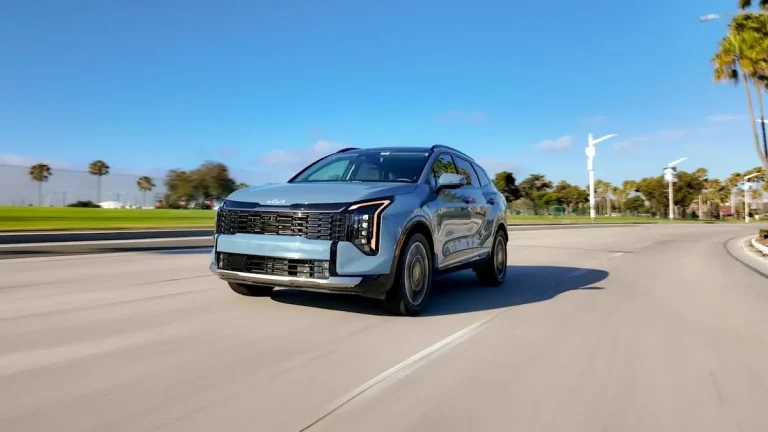
3. Hyundai Tucson / Kia Sportage: The Style & Value Mavericks
Hyundai and Kia have been on an absolute tear, pushing boundaries with bold, futuristic designs, feature-packed interiors, and compelling value propositions backed by an industry-leading warranty. Both offer powerful standard and hybrid powertrains, advanced tech, and surprisingly good refinement.
- CX-5 Challenge: The Korean twins offer flashier designs and often more screen real estate. Their value proposition, especially with their long warranties, is tough to beat. Mazda will need its premium feel and driving dynamics to justify any potential price premium, and its tech needs to be intuitive and modern to keep pace.
4. Subaru Forester: The AWD Adventure Buddy
The Forester is the go-to choice for those prioritizing all-weather capability, safety, and excellent visibility. Standard AWD, a spacious and airy cabin, and a strong emphasis on safety (EyeSight suite) make it a practical and dependable companion, especially in colder climates.
- CX-5 Challenge: The Forester’s naturally aspirated engine can feel underpowered, and its interior, while functional, lacks the CX-5’s premium ambiance. Its styling is more utilitarian. Mazda will easily win on refinement and driving pleasure, but the Forester’s standard AWD and commanding view of the road are compelling for its target audience.
5. Nissan Rogue: The Comfort Cruiser
The Rogue prioritizes comfort and efficiency with its "Zero Gravity" seats and a refined ride. Its recent redesign brought a more upscale interior and a unique variable-compression turbo engine that delivers a good balance of power and fuel economy.
- CX-5 Challenge: While improved, the Rogue’s CVT transmission can still detract from the driving experience compared to Mazda’s traditional automatic. Its styling, while modern, doesn’t quite have the timeless elegance of the CX-5, and its driving dynamics are geared more towards comfort than engagement.
The "Best for the Money" Metrics: Where the CX-5 Needs to Shine
Now, let’s dissect the core components of the "best for the money" argument:
- Driving Dynamics & Enjoyment: This is Mazda’s undisputed territory. The 2026 CX-5 must continue to be the segment’s driver’s choice. Its precise steering, well-tuned suspension, and responsive chassis should offer a level of engagement unmatched by its mainstream rivals. This "fun-to-drive" factor is part of its value proposition, as it elevates the mundane daily commute.
- Interior Quality & Design: The CX-5’s current interior already feels a step above. The 2026 model needs to solidify this lead. Expect even better materials (soft-touch plastics, real metal accents on higher trims), impeccable fit-and-finish, and a driver-centric cockpit that balances ergonomics with aesthetic appeal. This premium feel adds tangible value.
- Technology & Infotainment: While Mazda’s current system is user-friendly, it can feel a bit small compared to some rivals. The 2026 CX-5 needs a larger, higher-resolution screen, seamless smartphone integration, and intuitive controls. The "best for the money" isn’t just about features, but how well they integrate into the user experience.
- Powertrains & Fuel Economy: This is where the 2026 CX-5 faces its biggest challenge. Its existing engines are good, but the lack of a highly competitive hybrid option has been a weak point. To be "best for the money," Mazda’s new hybrid system must deliver competitive EPA ratings, ideally challenging the CR-V and RAV4 hybrids, without compromising the brand’s signature driving feel. A strong balance of power and efficiency across the lineup will be crucial.
- Space & Practicality: The current CX-5 often falls slightly short here. While it’s unlikely to become a class leader in cargo volume, a modest increase in rear legroom and cargo space for the 2026 model would significantly bolster its "practicality for the money" argument, making it a more versatile family vehicle.
- Safety: Mazda’s i-Activsense is already strong. The 2026 model will need to maintain top-tier safety ratings (IIHS Top Safety Pick+, NHTSA 5-star) and potentially offer more advanced driver aids as standard or easily accessible options. Safety is a non-negotiable part of modern value.
- Reliability & Resale Value: Mazda has built a strong reputation for reliability, nearing Honda and Toyota. Maintaining this, coupled with competitive resale values, is critical for long-term ownership costs – a major component of "best for the money."
- Pricing & Trim Strategy: Ultimately, it comes down to the dollar. The 2026 CX-5 will need to offer its enhanced package at a price point that undercuts, or at least matches, similarly equipped rivals. Mazda’s current strategy of offering a premium experience without a premium badge is key. A well-structured trim lineup that offers desirable features at each price point will be essential.
The Verdict: A Nuanced Crown for the CX-5?
Can the 2026 Mazda CX-5 be the "best SUV for the money"? The answer, as with many things automotive, is nuanced.
For the driver who prioritizes engagement, sophisticated design, and a premium feel that punches well above its price class, the 2026 Mazda CX-5 is poised to continue its reign as an undeniable value champion. If Mazda delivers a compelling hybrid option that genuinely competes on fuel economy, and perhaps ekes out a little more interior space, its overall value proposition will become incredibly strong. It won’t just be "good for the money"; it will be exceptional for the money for those who appreciate the driving experience.
However, for buyers whose primary concerns are absolute maximum cargo volume, rear passenger space, or the very lowest initial purchase price (without considering the full ownership experience), the CR-V, RAV4, or the Korean twins might still edge it out in those specific metrics.
The 2026 Mazda CX-5 won’t be a one-size-fits-all "best." Instead, it will likely double down on its strengths, aiming to be the most refined, most enjoyable, and most driver-centric compact SUV for the money. It will offer a subtly luxurious experience without the luxury price tag, a dynamic drive that makes every journey more pleasurable, and a design that stands the test of time.
If Mazda executes on its expected advancements – especially a class-competitive hybrid and a slight bump in practicality – the 2026 CX-5 won’t just be a contender; it will be the definitive choice for discerning buyers who understand that "best for the money" isn’t just about the lowest sticker price, but the richest, most rewarding ownership experience in its segment. The compact SUV arena awaits, and the new CX-5 is ready to fight for its crown.