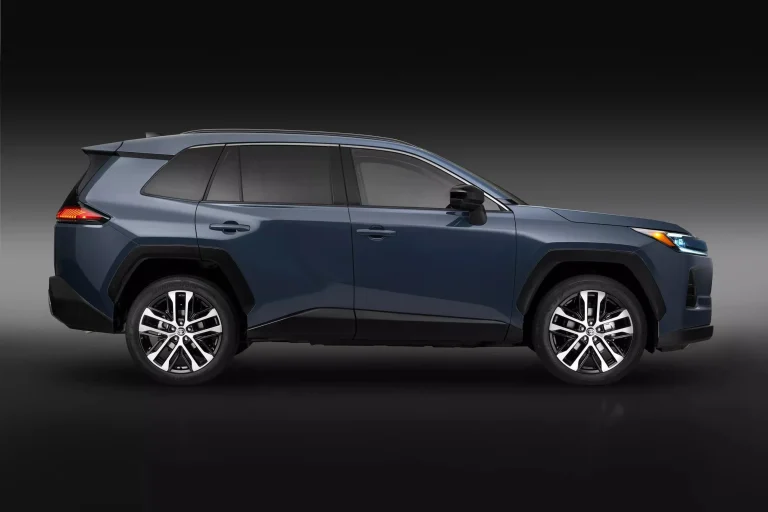
The family SUV segment is a battleground of practicality, innovation, and ever-evolving expectations. In this fiercely contested arena, the Honda Pilot has long stood as a pillar of reliability, spaciousness, and intelligent design. A perennial favorite for growing families and adventure seekers alike, the Pilot consistently delivers a compelling blend of comfort, capability, and Honda’s legendary dependability.
Having just undergone a significant overhaul for the 2023 model year, ushering in the fourth generation with a bolder design, enhanced capabilities, and a more refined driving experience, anticipation is already building for what comes next. While a full redesign isn’t on the immediate horizon, the automotive world is a dynamic place, and Honda rarely rests on its laurels. Whispers and educated speculation suggest that the 2026 model year will mark a significant point in the current Pilot’s lifecycle, likely bringing a series of strategic enhancements designed to keep it fresh, competitive, and at the forefront of its class.
This article delves deep into the probable timeline for the 2026 Honda Pilot’s debut, speculating on the nature of its updates. More importantly, it serves as your comprehensive buying guide, dissecting what makes the Pilot a standout choice, what features to look for across its anticipated trim levels, and how to navigate the purchasing process to ensure you drive home in the perfect family hauler.
The Unveiling: When to Expect the 2026 Honda Pilot
To understand the likely release of the 2026 Pilot, we must first look at Honda’s typical product cycles. The current, fourth-generation Pilot was introduced as a 2023 model, representing a ground-up redesign. Honda generally adheres to a 5-6 year major redesign cycle, with a crucial "mid-cycle refresh" (often referred to as a Minor Model Change or MMC) occurring around the third or fourth year of a generation.
Given the 2023 model year debut, the 2026 Pilot aligns perfectly with the timeline for a mid-cycle refresh. This means we shouldn’t anticipate an entirely new platform or powertrain but rather a series of thoughtful updates aimed at enhancing its appeal, incorporating newer technologies, and refining its aesthetics.
Projected Timeline for the 2026 Honda Pilot:
-
Late 2025 (Fall/Winter): Teasers and Initial Announcements
- This is typically when Honda begins to subtly drop hints. Expect camouflage prototypes caught testing by spy photographers, followed by official teaser images or short videos highlighting refreshed design elements.
- Initial press releases might confirm the upcoming refresh and hint at key areas of improvement, though specific details usually remain under wraps.
-
Early 2026 (Winter/Spring): Official Reveal
- The wraps will likely come off at a major international auto show (such as Detroit, Chicago, or New York) or a dedicated online event. This is where Honda will showcase the fully updated 2026 Pilot, detailing its design changes, interior enhancements, and any new features.
- Full specifications, updated trim level details, and initial pricing estimates will be released.
-
Mid-2026 (Summer/Fall): Dealer Arrival and On-Sale Date
- Following the reveal, production for the 2026 model year will ramp up. Dealers will begin receiving inventory, and the vehicle will officially go on sale. This is when customers can begin test drives and place orders.
What to Expect from a 2026 Mid-Cycle Refresh:
- Exterior Styling Tweaks: Honda will likely refine the Pilot’s exterior to give it a fresh look without straying too far from its current, well-received design. Expect updated front and rear fascias, including a redesigned grille, revised headlight and taillight signatures (perhaps with new LED elements), and potentially new bumper designs. Fresh wheel designs and a new exterior paint color or two are also common additions.
- Interior Refinements: The cabin, already practical and comfortable, will likely see updates to materials, trim finishes, and potentially new color combinations. The infotainment system is a prime candidate for an upgrade, possibly receiving a faster processor, a more intuitive user interface, or even a slightly larger screen size on higher trims. Digital gauge cluster enhancements and new connectivity features (like advanced voice recognition or improved wireless charging) are also strong possibilities.
- Technology & Safety Enhancements: Honda Sensing, the brand’s comprehensive suite of safety and driver-assistive technologies, may receive updates. This could include improved camera and radar systems for more precise operation of features like adaptive cruise control, lane-keeping assist, and blind-spot monitoring. New features, such as a more advanced parking assist system or enhanced cross-traffic alerts, could also be integrated.
- Powertrain Optimizations: While a major powertrain change is unlikely, Honda might introduce minor efficiency improvements to the existing 3.5-liter V6 engine and 10-speed automatic transmission. This could come through software updates or subtle mechanical tweaks. Crucially, this refresh presents an opportune moment for Honda to potentially introduce a hybrid powertrain option for the Pilot. With the CR-V and Accord already offering compelling hybrid variants, and rivals like the Toyota Grand Highlander Hybrid making waves, a Pilot Hybrid would significantly bolster its competitive stance, offering improved fuel economy without sacrificing power. This is perhaps the most exciting speculative addition for the 2026 model.
- Pricing Adjustments: Due to the enhancements and general market inflation, expect a modest increase in pricing across all trim levels compared to the outgoing 2025 model.
Your Ultimate Buying Guide: Navigating the 2026 Honda Pilot Experience
The Honda Pilot has carved out a niche as the ultimate family adventure vehicle, striking a near-perfect balance between everyday practicality and weekend capability. For those considering the 2026 model, understanding its core strengths and how to choose the right configuration is paramount.
Who is the Honda Pilot For?
The Pilot is tailor-made for:
- Growing Families: With genuine three-row seating, it comfortably accommodates up to eight passengers.
- Active Lifestyles: Its spacious cargo area, available AWD, and respectable towing capacity make it ideal for hauling gear, bikes, or small campers.
- Reliability Seekers: Honda’s reputation for longevity and strong resale value makes the Pilot a smart long-term investment.
- Comfort-Oriented Drivers: A smooth ride, quiet cabin, and supportive seating ensure pleasant journeys, whether daily commutes or cross-country road trips.
Key Pillars of the 2026 Honda Pilot Experience (Anticipated):
-
Unrivaled Space and Versatility:
- Three-Row Comfort: The Pilot truly excels here, offering ample legroom and headroom in all three rows, even for adults in the third row on shorter trips. The 2023 redesign improved third-row access, and this will undoubtedly carry over.
- Magic Slide 2nd-Row Seats: Expect the innovative second-row seating system (where the middle seat can be removed and stored under the cargo floor, or slid forward for easier third-row access) to continue, offering unparalleled flexibility.
- Cavernous Cargo: With all seats up, you get a decent amount of storage, but fold down the second and third rows, and the Pilot transforms into a cargo-hauling behemoth, perfect for moving furniture or camping gear.
-
Robust Performance and Powertrain:
- Proven V6 Power: The 3.5-liter V6 engine (likely around 285 horsepower) paired with a smooth 10-speed automatic transmission is expected to remain the standard. It provides confident acceleration for merging and passing, and its towing capacity (likely up to 5,000 lbs with AWD) is competitive.
- Intelligent Variable Torque Management (i-VTM4®) AWD: Honda’s advanced all-wheel-drive system is a game-changer, not just for inclement weather but also for light off-roading. It can send up to 70% of torque to the rear wheels and then distribute 100% of that to either the left or right wheel, enhancing traction and handling.
- Potential Hybrid Option: As mentioned, a hybrid variant for 2026 would be a significant selling point, offering superior fuel economy and potentially more low-end torque for a zippier feel, without compromising the V6’s power for heavier loads.
-
Advanced Technology & Connectivity:
- Intuitive Infotainment: Expect a responsive touchscreen infotainment system (likely 7-inch standard, 9-inch on higher trims) with wireless Apple CarPlay and Android Auto. Any refresh will likely bring graphical updates and faster processing.
- Digital Displays: A digital instrument cluster (partial or full) will provide customizable information, enhancing the modern feel.
- Charging Options Galore: Multiple USB ports (USB-A and USB-C), wireless phone charging, and even household-style outlets will keep all devices powered on long journeys.
- HondaLink®: Remote services, vehicle diagnostics, and emergency assistance will continue to be offered.
-
Comprehensive Safety:
- Honda Sensing® Suite: This standard package will include Collision Mitigation Braking System™, Road Departure Mitigation System, Adaptive Cruise Control with Low-Speed Follow, Lane Keeping Assist System, and Traffic Sign Recognition. The 2026 refresh could bring refinements to these systems for even smoother operation.
- Additional Safety Features: Blind Spot Information System with Cross Traffic Monitor, multi-angle rearview camera, and available front and rear parking sensors will round out the safety offerings. Expect top safety ratings from IIHS and NHTSA.
-
Comfort and Refinement:
- Quiet Cabin: Honda engineers prioritize reducing road and wind noise, making for a serene driving environment.
- Supple Ride: The suspension is tuned for comfort, effortlessly soaking up road imperfections.
- Premium Touches: Available leather upholstery, heated and ventilated front seats, heated second-row seats, a panoramic moonroof, and a premium audio system elevate the experience on higher trims.
Anticipated Trim Levels (Based on current generation and likely refresh strategy):
-
LX / Sport (Entry-Level):
- Who it’s for: Budget-conscious buyers needing space and Honda reliability without all the frills.
- Key Features: V6 engine, 10-speed automatic, Honda Sensing, LED headlights, cloth upholstery, smaller infotainment screen (e.g., 7-inch) with wired Apple CarPlay/Android Auto, tri-zone automatic climate control.
- Expected Refresh Impact: Minor styling tweaks, possibly wireless CarPlay/Android Auto becomes standard here.
-
EX-L (Mid-Range, Often the Sweet Spot):
- Who it’s for: Families seeking a significant step up in comfort, convenience, and technology without breaking the bank.
- Key Features (adds to Sport): Leather-trimmed seats, larger touchscreen (e.g., 9-inch) with wireless Apple CarPlay/Android Auto, power tailgate, heated front seats, second-row sunshades, integrated navigation (optional or standard), front/rear parking sensors.
- Expected Refresh Impact: Potential for new interior materials, updated infotainment interface, possibly a hybrid option availability.
-
TrailSport (Adventure-Focused):
- Who it’s for: Those who want a more rugged look and enhanced off-road capability for light trail adventures.
- Key Features (adds to EX-L): Unique exterior styling (grille, bumpers, badging), slightly increased ground clearance, all-terrain tires, underbody skid plates, specific suspension tuning, durable synthetic leather interior, integrated roof rails.
- Expected Refresh Impact: Further aesthetic differentiation, possibly enhanced off-road drive modes, or new TrailSport-exclusive features.
-
Touring (Premium Features):
- Who it’s for: Buyers desiring a more luxurious experience with advanced technology and creature comforts.
- Key Features (adds to EX-L/TrailSport features): Panoramic moonroof, premium audio system (Bose or similar), Honda Satellite-Linked Navigation System, hands-free power tailgate, cabin intercom system (CabinTalk™), built-in Wi-Fi hotspot.
- Expected Refresh Impact: Potentially a full digital instrument cluster, ventilated front seats become standard, new ambient lighting options.
-
Elite / Black Edition (Top-Tier Luxury):
- Who it’s for: Buyers who want everything the Pilot has to offer, with exclusive styling and the highest level of refinement.
- Key Features (adds to Touring): Perforated leather seating with ventilation for front seats, heated second-row captain’s chairs (often), head-up display, specific exterior trim (e.g., black accents for Black Edition), unique wheel designs, possibly a heated steering wheel.
- Expected Refresh Impact: Exclusive interior trim, advanced driver-assist features, potentially a larger or more advanced head-up display.
Choosing the Right Trim for You:
- Assess Your Needs: How many passengers do you regularly carry? Do you need AWD? Will you ever go off-road? How important is fuel economy (making a hybrid a consideration)?
- Prioritize Features: Make a list of "must-have" features (e.g., leather seats, specific safety tech, panoramic roof) versus "nice-to-have" features. This will quickly narrow down your options.
- Set a Budget: Be realistic about what you can afford, including not just the purchase price but also insurance, fuel, and maintenance. The EX-L often hits the sweet spot for value and features.
- Consider AWD: If you live in a snowy climate, frequently tow, or engage in light off-roading, Honda’s i-VTM4® AWD system is a worthy investment. For sunny climates and purely urban driving, FWD might suffice and offer slightly better fuel economy.
Before You Buy: Essential Steps:
- Test Drive: This is non-negotiable. Drive multiple trims if possible. Pay attention to seating comfort, visibility, ease of controls, infotainment responsiveness, and overall driving dynamics. Don’t just drive around the block; simulate your typical commute or a longer trip.
- Compare Competitors: While the Pilot is excellent, the segment is robust. Briefly look at rivals like the Kia Telluride, Hyundai Palisade, Toyota Grand Highlander, and Nissan Pathfinder to ensure the Pilot truly meets your needs and preferences.
- Research Pricing & Incentives: Once the 2026 model is officially released, monitor Honda’s website and local dealer sites for pricing details, financing offers, or lease incentives. Mid-model year or holiday sales can sometimes offer better deals.
- Consider Financing vs. Leasing: Understand the pros and cons of each option based on your financial situation and how long you typically keep a vehicle.
- Trade-in Value: If you have a trade-in, research its value beforehand. Have it detailed and ready for appraisal.
The Road Ahead: Why the 2026 Pilot Will Continue to Impress
The 2026 Honda Pilot, even as a mid-cycle refresh, is poised to build upon the strong foundation laid by the fourth generation. Honda’s commitment to continuous improvement, coupled with its understanding of what families truly need, ensures that the Pilot will remain a highly desirable and competitive option.
Whether it’s the confirmed aesthetic tweaks, the likely technological upgrades, or the potential game-changing introduction of a hybrid powertrain, the 2026 Pilot promises to deliver an even more refined, connected, and efficient experience. For those in the market for a spacious, reliable, and versatile three-row SUV, keeping a close eye on Honda’s announcements for the 2026 Pilot will undoubtedly be time well spent. The horizon beckons, and the updated Pilot is ready to lead the way for countless family adventures to come. Stay tuned!