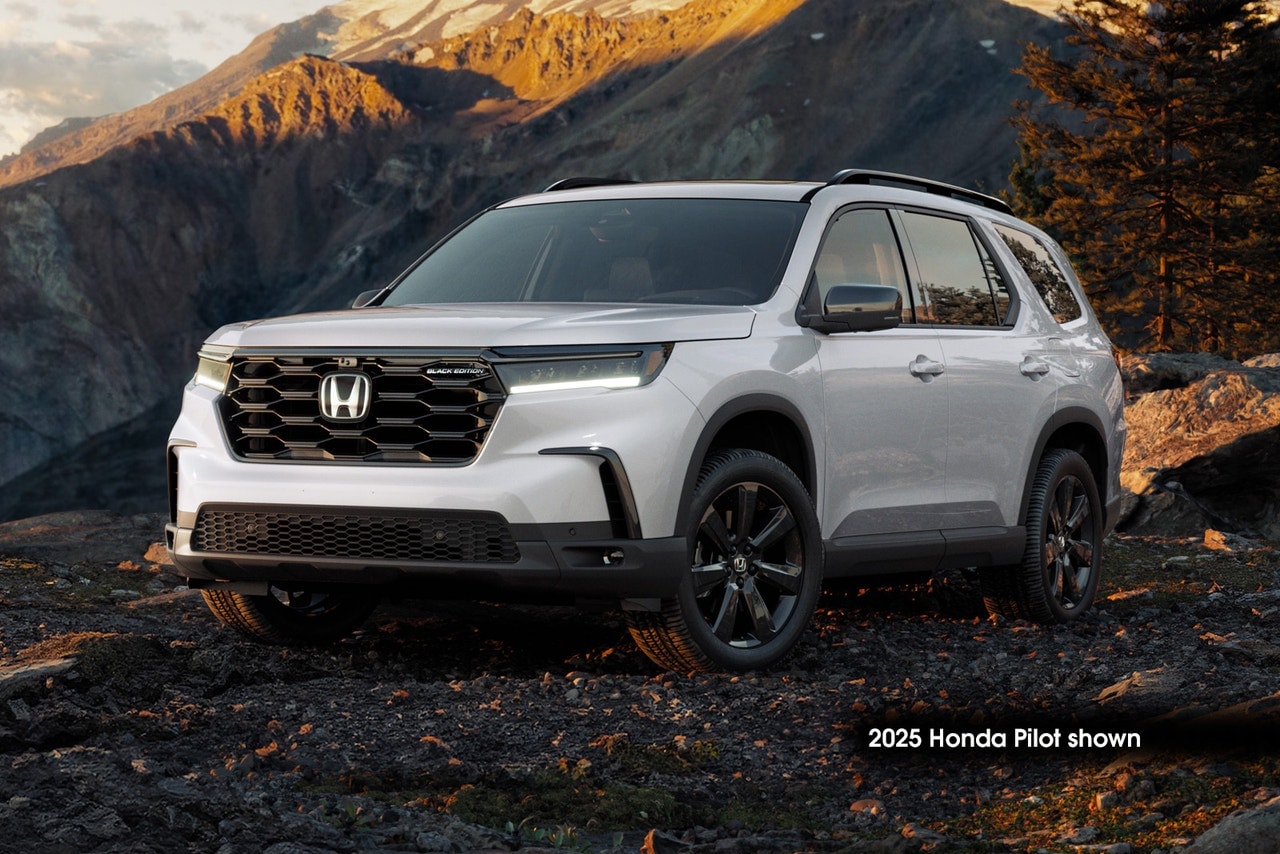
The Honda Pilot has long been a cornerstone of the mid-size SUV segment, a practical, reliable, and family-friendly chariot that embodies the very essence of Honda’s engineering philosophy. With the current fourth-generation model having made its debut for the 2023 model year, the automotive world is already beginning to cast its gaze further down the road, anticipating what the 2026 Honda Pilot might bring. While it’s premature to expect a full ground-up redesign so soon, the 2026 model year is ripe for a significant mid-cycle refresh – a crucial update that will sharpen its edge, integrate the latest tech, and ensure it remains fiercely competitive in an ever-evolving market.
For prospective buyers, understanding the likely trajectory of the 2026 Pilot is key to making an informed decision. This isn’t just about a new car; it’s about investing in a vehicle that will serve your family for years, a decision that requires foresight, research, and a clear strategy. So, buckle up as we delve into the anticipated release date, speculate on the exciting changes, and arm you with a comprehensive buying guide to navigate the acquisition of your future 2026 Honda Pilot.
The Lifecycle of a Legend: Why 2026 Matters
Automotive manufacturers typically operate on a 5-7 year product cycle for major redesigns, with a significant mid-cycle refresh (often called a "facelift" or "LCI" – Life Cycle Impulse) occurring around the 3-4 year mark. Given the current Pilot’s 2023 debut, the 2026 model year slots perfectly into this refresh window. This isn’t just about cosmetic tweaks; a mid-cycle refresh allows Honda to:
- Address Early Feedback: Incorporate lessons learned and consumer feedback from the initial years of the current generation.
- Integrate New Technology: Rapid advancements in infotainment, safety, and connectivity necessitate updates.
- Update Styling: Keep the design fresh and aligned with Honda’s evolving aesthetic language.
- Refine Powertrains: Introduce minor efficiency improvements or even new mild-hybrid options to meet tightening emissions standards and consumer demand for better fuel economy.
- Maintain Competitiveness: Ensure the Pilot remains a compelling option against formidable rivals like the Hyundai Palisade, Kia Telluride, Toyota Highlander, and Chevrolet Traverse, all of whom are constantly innovating.
Therefore, the 2026 Pilot won’t be a revolutionary departure from the current model, but rather a carefully considered evolution, refining its strengths and bolstering its appeal.
Anticipated Release Date: Mark Your Calendars (Tentatively)
Predicting an exact release date for a vehicle over a year out is always speculative, but based on Honda’s historical patterns, we can make an educated guess. Honda typically unveils new model years in the late summer or early fall of the preceding calendar year.
Therefore, we can anticipate the official reveal of the 2026 Honda Pilot to occur in the late summer or early fall of 2025. This reveal would likely be followed by a gradual rollout to dealerships, with vehicles becoming widely available towards the end of 2025 or very early 2026.
Keep an eye on major automotive shows like the Los Angeles Auto Show (typically November) or events in the spring/summer of 2025 for potential teasers or official announcements. Honda often uses its own digital platforms for major reveals, too.
What to Expect: Speculating on the 2026 Pilot’s Enhancements
While concrete details are still under wraps, we can make informed predictions about the areas Honda will focus on for the 2026 Pilot refresh.
1. Exterior Design: Sharper Edges, Modern Appeal
The current Pilot adopted a more rugged, truck-like aesthetic, moving away from the softer lines of its predecessor. For 2026, expect this direction to be refined, not abandoned.
- Front Fascia: A redesigned grille is almost a certainty, perhaps with a more prominent Honda logo and updated LED headlight signatures. Expect subtle changes to the bumper and air intakes for a more aggressive or sophisticated look, depending on the trim.
- Rear Styling: Taillight graphics will likely be updated, potentially with a full-width light bar or more intricate LED elements. The rear bumper might see minor revisions, possibly integrating new exhaust finishers.
- Wheel Designs: New alloy wheel designs across all trim levels will be introduced to keep the visual appeal fresh.
- Color Palette: A few new exterior paint colors are highly probable, reflecting current automotive trends.
The goal will be to give the Pilot a more contemporary and premium feel without alienating existing fans of its current robust styling.
2. Interior & Technology: Digitalization and Refinement
The interior of the 2026 Pilot is where some of the most impactful changes will likely take place, particularly in the realm of technology and materials.
- Infotainment System: Expect an upgrade to the infotainment screen. While the current 9-inch unit is decent, competitors are pushing larger, more integrated displays. Honda might offer a larger central touchscreen (perhaps 10.2 or 12.3 inches) with improved resolution, faster processing, and enhanced software. Wireless Apple CarPlay and Android Auto will remain standard, but expect more seamless integration and potentially new built-in applications.
- Digital Gauge Cluster: The current Pilot offers a partial digital cluster. It’s highly probable that a fully digital, customizable instrument cluster (like those found in other new Honda models) will become standard or available on higher trims, offering more information and personalization options.
- Material Upgrades: Honda may introduce new trim materials, softer-touch surfaces, and updated upholstery options (e.g., new fabric patterns, perforated leather designs) to elevate the cabin’s perceived quality and comfort.
- Connectivity: Expect more USB-C ports, potentially an improved wireless charging pad, and enhanced Wi-Fi hotspot capabilities. Over-the-air (OTA) update capability for software is also a strong possibility.
- Honda Sensing 360: Honda’s suite of advanced driver-assistance systems (ADAS) will undoubtedly see enhancements. This could include improved radar and camera sensors for more precise adaptive cruise control, lane-keeping assist, and blind-spot monitoring. New features like traffic jam assist, enhanced parking aids, or even partially automated driving capabilities (Level 2+) are plausible.
3. Powertrain: The V6 Endures, Hybridization Looms?
The current Pilot is powered by a robust 3.5-liter V6 engine paired with a 10-speed automatic transmission. This powertrain delivers a healthy 285 horsepower and 262 lb-ft of torque, offering confident acceleration and a respectable towing capacity.
- V6 Refinement: It’s highly likely that this proven V6 will carry over. However, Honda engineers might implement minor tweaks for improved efficiency or slightly smoother power delivery. Don’t expect a dramatic bump in horsepower, but perhaps subtle improvements in fuel economy ratings.
- Mild-Hybrid Option: This is the big question mark and a significant possibility. With increasing pressure for electrification and competitors offering hybrid variants (e.g., Toyota Highlander Hybrid), Honda might introduce a mild-hybrid version of the Pilot. This typically involves a small electric motor assisting the gasoline engine, primarily for smoother starts, regenerative braking, and minor fuel economy gains. A full-hybrid system like the CR-V’s is less likely for a mid-cycle refresh but not entirely out of the question for a future generation.
- Transmission: The 10-speed automatic transmission is expected to remain, potentially with refined shift logic for even smoother operation.
Front-wheel drive (FWD) will remain standard, with Honda’s advanced i-VTM4 all-wheel-drive (AWD) system continuing as an option across most trims and standard on the rugged TrailSport.
4. Chassis and Driving Dynamics: Comfort Meets Confidence
The current Pilot offers a comfortable and composed ride, well-suited for family duties. For 2026, expect subtle refinements:
- Suspension Tuning: Minor adjustments to the suspension components (springs, dampers) could lead to an even more refined ride quality, better body control, or a slightly sportier feel without sacrificing comfort.
- Steering: Tweaks to the electric power steering system might offer improved feedback or a more precise feel.
- Noise, Vibration, and Harshness (NVH): Honda is always striving for a quieter cabin. Expect additional sound-deadening materials or design improvements to reduce road and wind noise.
5. Trim Levels: Familiarity with Enhanced Features
The 2026 Pilot will likely retain its current trim structure, but with updated standard features and potentially new option packages.
- LX / Sport: The entry-level trims will offer excellent value, likely gaining some previously optional features as standard.
- EX-L: A popular mid-range choice, balancing features and price, expected to see interior material upgrades and tech enhancements.
- TrailSport: The rugged, off-road-inspired trim will continue to be a standout. Expect minor exterior styling tweaks (perhaps new skid plate designs, updated badging), possibly new all-terrain tire options, and potentially a slight improvement to its off-road camera system.
- Touring / Elite: The top-tier trims will showcase all the premium features, including the largest infotainment screens, premium audio systems, advanced safety tech, and luxurious interior appointments.
The Ultimate 2026 Honda Pilot Buying Guide: Preparing for Purchase
Acquiring a new vehicle, especially one as anticipated as the 2026 Pilot, requires a strategic approach. Here’s your step-by-step guide to navigating the process, from initial research to driving off the lot.
Phase 1: Pre-Purchase Planning (Now until Reveal)
-
Assess Your Needs and Budget:
- Family Size & Lifestyle: How many passengers? Do you need three rows regularly? Do you carpool? What kind of cargo do you carry? Do you need off-road capability (TrailSport)?
- Towing: What’s your maximum towing requirement? The Pilot generally handles light-to-medium towing well.
- Budget: This is paramount. Don’t just think MSRP; consider monthly payments (loan/lease), insurance, fuel costs, maintenance, and potential accessories. Get pre-approved for a loan to understand your buying power.
- Features Must-Haves vs. Nice-to-Haves: Make a list. Do you need AWD? Is a panoramic sunroof essential? Prioritize.
-
Research the Current 2023-2025 Pilot:
- While the 2026 will be refreshed, the current generation forms its foundation. Test drive a current Pilot to get a feel for its size, handling, comfort, and existing technology. This will help you identify what you like and what you’d hope to see improved in the refresh.
- Read reviews from reputable automotive journalists and consumer reports.
- Familiarize yourself with current trim levels and their standard features.
-
Monitor News & Rumors:
- Keep an eye on automotive news outlets, forums, and Honda’s official channels as the anticipated reveal date (late 2025) approaches. Leaks, spy shots, and official teasers will provide crucial insights into the 2026 model.
- Pay attention to what Honda is doing with other refreshed models (e.g., CR-V, Accord) as this often indicates broader design and technology trends for the brand.
-
Consider Your Current Vehicle (Trade-in):
- If you plan to trade in, get an appraisal from multiple sources (dealers, online valuation tools like Kelley Blue Book or Edmunds). Understand its true market value now and how it might depreciate over the next year. This helps you budget for the down payment.
Phase 2: Post-Reveal & Pre-Order (Late 2025)
-
Analyze the Official Specs and Features:
- Once Honda officially unveils the 2026 Pilot, scrutinize the press releases, spec sheets, and high-resolution images.
- Compare the refreshed features against your "must-have" list. Are the tech upgrades significant enough? Does the new styling appeal to you?
- Pay close attention to any powertrain changes, especially if a hybrid option is introduced.
-
Estimated Pricing:
- Honda will release estimated MSRPs for each trim level. Expect a slight increase over the 2025 model due to the refresh and inflation, likely in the range of $500-$2,000 per trim.
- Factor in destination charges, which are usually non-negotiable.
-
Dealer Contact and Pre-Orders:
- Many dealerships will begin taking pre-orders or reservations once the vehicle is officially announced. This can be beneficial for getting an early allocation, especially if a particular trim or color is in high demand.
- Be cautious with "deposits." Understand if it’s refundable and if it locks you into a specific price or just a place in line.
- Don’t commit to a final purchase price until you have all the information and the vehicle is physically available for sale.
Phase 3: The Purchase Process (Late 2025 / Early 2026)
-
Test Drive the 2026 Pilot:
- This is non-negotiable. Don’t buy a car without driving it.
- Drive the specific trim level you’re interested in.
- Pay attention to:
- Ride Comfort: How does it handle bumps, turns, and varying road surfaces?
- Visibility: Are there any major blind spots? How are the rearview and side mirrors?
- Powertrain Performance: Is the acceleration adequate? How smooth is the transmission?
- Braking: Is it firm and responsive?
- Interior Ergonomics: Are controls easy to reach? Is the infotainment intuitive? Do you like the seat comfort?
- Noise Levels: Listen for road, wind, and engine noise.
- Third Row Access/Comfort: If applicable, try getting in and out of the third row.
- Cargo Space: Test out loading items if possible.
-
Evaluate Multiple Dealers:
- Contact at least 2-3 Honda dealerships. This fosters competition and ensures you get the best price and service.
- Get quotes in writing.
-
Negotiation:
- MSRP vs. Out-the-Door Price: Focus on the "out-the-door" price, which includes all taxes, fees, and charges.
- Factory Incentives: Ask about any current Honda incentives (low APR financing, cash back, lease specials).
- Dealer Add-ons: Be wary of mandatory dealer add-ons (paint protection, nitrogen in tires) that inflate the price. Negotiate these or decline them.
- Trade-in: Negotiate your trade-in value separately from the new car price.
- Be Prepared to Walk Away: This is your strongest negotiating tool.
-
Financing vs. Leasing:
- Buying (Financing): You own the vehicle outright after payments. Unlimited mileage. More flexibility for modifications.
- Leasing: Lower monthly payments, drives a new car every few years, often includes warranty coverage for the entire term. Mileage limits, fees for excessive wear and tear.
- Compare interest rates from the dealer, your bank, and credit unions.
-
Review the Contract Thoroughly:
- Before signing, read every single line of the purchase agreement. Ensure all agreed-upon terms, prices, and fees are accurately reflected.
- Don’t rush this step. If something doesn’t look right, ask for clarification.
-
Insurance:
- Get insurance quotes for the specific 2026 Pilot trim you’re buying before you finalize the purchase. Insurance costs can vary significantly.
Phase 4: Post-Purchase Ownership
-
Maintenance Schedule:
- Familiarize yourself with Honda’s recommended maintenance schedule. Adhering to it is crucial for longevity and warranty validity.
- Consider a prepaid maintenance plan if it offers genuine value.
-
Warranty:
- Understand what your Honda warranty covers (basic, powertrain, rust) and for how long.
- Decide if an extended warranty is right for you. Often, it’s better to purchase these closer to the expiration of the factory warranty.
-
Enjoy Your New Pilot!
- Take the time to learn all the features and technology. Read the owner’s manual. Connect your phone. Personalize settings.
The Competitive Landscape: Who the Pilot is Up Against
The 2026 Honda Pilot won’t be entering a vacuum; it will face stiff competition in the fiercely contested three-row mid-size SUV segment. Understanding its rivals helps frame the Pilot’s value proposition:
- Toyota Highlander: Known for its legendary reliability and excellent fuel economy (especially the hybrid). Often seen as the Pilot’s most direct competitor.
- Hyundai Palisade / Kia Telluride: These Korean twins offer striking design, luxurious interiors, and immense value for money. They consistently win awards for their style and features.
- Chevrolet Traverse / Buick Enclave: Larger than most in the segment, offering generous third-row space and cargo capacity.
- Nissan Pathfinder: Also recently redesigned with a more rugged look, similar to the Pilot’s current direction.
- Subaru Ascent: Standard AWD and strong safety ratings appeal to a specific demographic.
- Volkswagen Atlas: Another spacious option with a European driving feel.
- Mazda CX-90: A newer entry, offering a more premium experience with inline-six engine options and a focus on driving dynamics.
The 2026 Pilot’s refresh will need to ensure it stands shoulder-to-shoulder with these formidable contenders, offering a compelling blend of Honda’s renowned reliability, family-friendly practicality, and cutting-edge features.
Conclusion: The Future is Bright for the Pilot
The 2026 Honda Pilot, while not a full generational overhaul, is poised to be a significant evolution of an already excellent family SUV. With anticipated updates to its exterior styling, a more advanced and connected interior, and potential powertrain refinements, it aims to reinforce its position as a top contender in the three-row segment.
For those in the market for a versatile, reliable, and comfortable family vehicle, the 2026 Pilot should be at the very top of your consideration list. By following this comprehensive buying guide, staying informed about the official announcements, and approaching the purchase process strategically, you’ll be well-prepared to welcome the refreshed Pilot into your driveway. The horizon beckons, and the 2026 Honda Pilot promises to be a worthy journey.