The automotive landscape is a constantly shifting tapestry, where yesterday’s darlings can quickly become tomorrow’s footnotes. In the fiercely competitive compact SUV segment, the pressure to innovate, excite, and deliver undeniable value is immense. For years, the Mazda CX-5 has been a shining beacon of driving enjoyment and premium feel in a sea of sensible, yet often sterile, crossovers. But as we look towards 2026, the question isn’t just whether the CX-5 can maintain its unique position, but whether a redesigned model can truly dominate the "best SUV for the money" conversation.
Mazda, a brand that consistently punches above its weight, has carved out a niche by offering vehicles that blend exquisite design, tactile delight, and engaging dynamics typically found in more expensive European marques. The current CX-5, despite its aging platform, remains a testament to this philosophy. Yet, the sands of time are unforgiving, and a truly competitive 2026 model will need to evolve dramatically to fend off a new generation of rivals that are leaner, greener, and smarter than ever before.
This article will delve into the anticipated 2026 Mazda CX-5, speculating on its likely advancements, and then pit it against its formidable competitors to determine if it can indeed claim the crown as the best SUV for the money.
The Anticipated 2026 Mazda CX-5: A New Chapter in Hiroshima
The current Mazda CX-5, first introduced for the 2017 model year, has aged gracefully thanks to Mazda’s timeless Kodo design language and continuous refinement. However, in the rapidly evolving automotive world, a seven-year-old platform is ancient history. A 2026 CX-5, therefore, must be a ground-up redesign, and the speculation surrounding it is rife with promise.
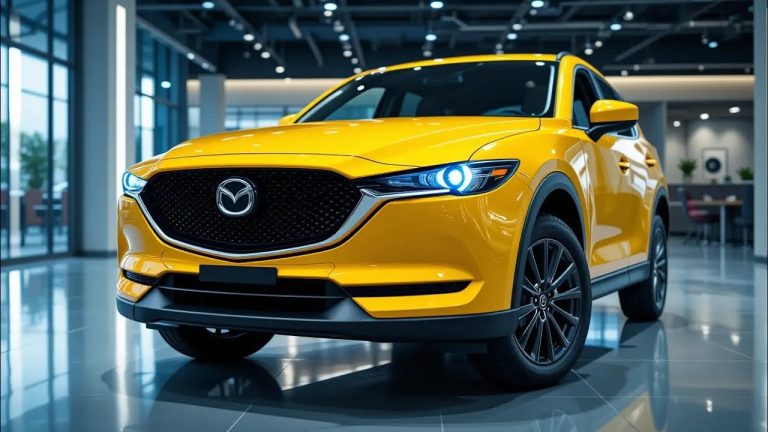
Design Evolution: We can expect an evolution of the Kodo design, perhaps borrowing cues from the larger, more recently launched CX-90 and CX-70, but scaled down for the compact segment. This would mean a more assertive front fascia, sleeker LED lighting signatures, and a sculpted body that retains Mazda’s characteristic elegance while perhaps adding a touch more modernity and dynamism. The clean lines and minimal clutter that define Mazda’s aesthetic are likely to remain, ensuring the CX-5 continues to stand out from the often-over-styled crowd.
Platform and Powertrains: This is where the 2026 CX-5 could see its most significant transformation. While Mazda has invested heavily in its new Large Platform (RWD/AWD biased) for models like the CX-50 (North America), CX-70, and CX-90, the CX-5 has historically been built on a FWD-based architecture. It’s plausible that the next CX-5 will continue on a significantly updated FWD-based platform, albeit one engineered to deliver Mazda’s signature handling.
Crucially, electrification will be paramount. Expect a standard hybrid powertrain, likely a more refined version of what’s found in the current CX-50 Hybrid (which uses Toyota’s hybrid system). A plug-in hybrid (PHEV) option is also a strong possibility, offering enhanced fuel efficiency and a meaningful electric-only range, critical for meeting tightening emissions regulations and consumer demand. The Skyactiv-G turbocharged engine, a fan favorite, might carry over, potentially with mild-hybrid assistance, for those who prioritize performance. Mazda’s commitment to efficient internal combustion engines through its Skyactiv philosophy ensures that even non-hybrid options will be highly optimized.
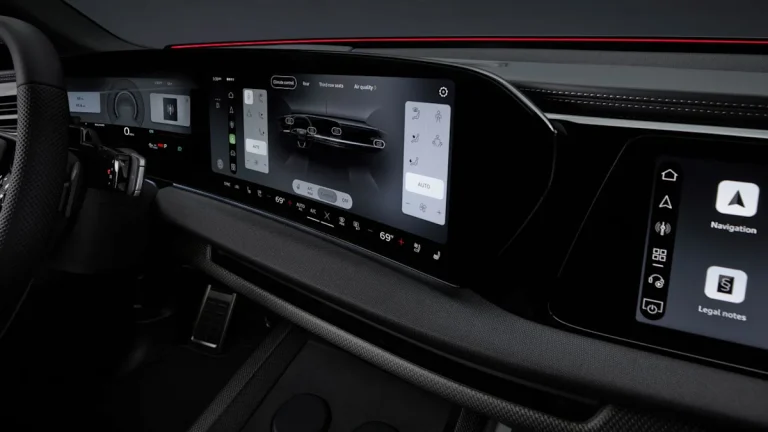
Interior and Technology: Mazda’s interiors are often praised for their upscale ambiance and driver-centric ergonomics. The 2026 CX-5 should push this even further. Higher-quality materials, meticulous fit and finish, and a sophisticated design will likely remain hallmarks. The infotainment system, a point of contention for some in current models, is due for a significant upgrade. Expect a larger, more responsive touchscreen, wireless Apple CarPlay and Android Auto, and a more intuitive user interface. Mazda’s philosophy of minimizing driver distraction by offering physical controls alongside touchscreen functionality will likely persist.
Advanced Driver-Assistance Systems (ADAS) will be comprehensive, likely including improved adaptive cruise control with lane-keeping assist, blind-spot monitoring, rear cross-traffic alert, and potentially a more advanced semi-autonomous driving feature, bringing it in line with segment leaders.
Driving Dynamics: This is Mazda’s undeniable trump card. The current CX-5, even with its age, is renowned for its communicative steering, balanced chassis, and engaging ride. The 2026 model, even with a new platform, will be engineered from the ground up to uphold this "Zoom-Zoom" ethos. Expect a chassis tuned for both comfort and agility, G-Vectoring Control (or an evolution of it) for enhanced stability and cornering, and a general sense of cohesion that makes driving a pleasure, not just a chore.
Defining "Best SUVs for the Money"
Before we pit the hypothetical 2026 CX-5 against its rivals, it’s crucial to define what "best for the money" truly means in this context. It’s not just about the lowest sticker price. It encompasses a holistic view:
- Initial Purchase Price: How competitive is the MSRP across trims?
- Running Costs: Fuel economy (a huge factor with hybrids), insurance, maintenance, and reliability.
- Features and Technology: What do you get for your dollar in terms of convenience, safety, and infotainment?
- Build Quality and Materials: Does it feel premium, durable, and well-assembled?
- Driving Experience: Is it enjoyable, comfortable, and refined?
- Resale Value: How well does it hold its value over time?
- Safety: Top-tier crash test ratings and comprehensive ADAS.
A truly "best for the money" vehicle excels in a majority of these categories, offering a compelling blend that feels like a smart investment.
The Contenders: Head-to-Head Battle for Value Supremacy
The compact SUV segment is a brutal arena, populated by established giants and aggressive newcomers. Here’s how the 2026 Mazda CX-5 will likely stack up against its key rivals:
1. Honda CR-V (Especially Hybrid)
- Current Status: Redesigned for 2023, the CR-V is larger, more refined, and boasts an excellent hybrid powertrain. It’s a paragon of practicality and efficiency.
- Strengths: Class-leading interior space, enormous cargo capacity, excellent fuel economy (especially hybrid), renowned reliability, comfortable ride, strong resale value. Honda Sensing suite is comprehensive.
- Weaknesses: Less engaging to drive than the CX-5, interior design is functional but lacks flair, base engine is adequate but not thrilling.
- "For the Money" Outlook: The CR-V Hybrid will be a formidable value proposition, offering unparalleled practicality and low running costs. Its initial price might be slightly higher than some rivals, but its overall ownership experience and reliability will make it a compelling choice for many, especially families. If the 2026 CX-5 wants to beat it on value, it needs to offer a significantly more premium experience or superior driving dynamics without a hefty price premium.
2. Toyota RAV4 (Especially Hybrid/Prime)
- Current Status: A segment sales leader, the RAV4 offers a wide range of powertrains, including highly efficient hybrids and the potent RAV4 Prime PHEV. Its rugged styling appeals to many.
- Strengths: Unassailable reliability reputation, diverse powertrain options (including class-leading PHEV range), strong resale value, good off-road capability in Adventure/TRD trims, comprehensive safety tech.
- Weaknesses: Interior can feel a bit utilitarian compared to Mazda, infotainment system isn’t always the most intuitive, driving dynamics are competent but not exciting. The engine can be noisy under hard acceleration.
- "For the Money" Outlook: The RAV4’s value is in its bulletproof reliability, low running costs (especially the hybrids), and proven track record. The RAV4 Prime, while pricier, offers exceptional efficiency. Mazda will need to counter with a demonstrably superior interior, more engaging driving, and perhaps a more attractive standard feature set at comparable price points.
3. Hyundai Tucson (Especially Hybrid/PHEV)
- Current Status: The Tucson received a bold, futuristic redesign, offering a distinctive aesthetic, feature-rich interior, and strong hybrid/PHEV options.
- Strengths: Striking exterior design, luxurious and tech-forward interior for the price, excellent warranty, good standard features, strong value proposition, refined ride.
- Weaknesses: Some may find the styling polarizing, infotainment can be a bit overwhelming with so many options, driving dynamics are good but not Mazda-level engaging.
- "For the Money" Outlook: Hyundai and Kia are masters of delivering features for the dollar. The Tucson will likely offer a higher perceived value in terms of technology and interior flashiness at a competitive price. The 2026 CX-5 will need to rely on its superior driving dynamics, finer material quality, and more cohesive design to win over buyers who prioritize a sophisticated experience over outright feature count.
4. Kia Sportage (Especially Hybrid/PHEV)
- Current Status: A sibling to the Tucson, the Sportage also boasts a dramatic redesign, focusing on bold aesthetics, a high-tech cabin, and a strong hybrid/PHEV lineup.
- Strengths: Very expressive design, dual panoramic display in higher trims, generous standard features, comfortable ride, excellent warranty, good fuel economy from hybrid models.
- Weaknesses: Similar to Tucson, styling can be polarizing, driving dynamics are competent but not thrilling, some interior plastics can feel a bit hard.
- "For the Money" Outlook: The Sportage offers incredible visual impact and tech for its price. It’s a strong contender for those who want a modern, feature-packed SUV that stands out. The CX-5 will need to demonstrate that its more understated elegance and superior driving feel are worth the potential trade-off in raw feature count or visual drama.
5. Subaru Forester
- Current Status: Known for its standard AWD, excellent visibility, and strong safety record, the Forester is a rugged, practical choice, though its current generation is also due for a refresh.
- Strengths: Symmetrical AWD standard, excellent outward visibility, spacious and practical interior, top-tier safety ratings (EyeSight), good ground clearance.
- Weaknesses: Underpowered engine, CVT drone, less refined interior materials, dated infotainment, less stylish than many rivals.
- "For the Money" Outlook: The Forester’s value is in its all-weather capability, safety, and practicality. It’s a no-nonsense choice. The 2026 CX-5, even with AWD options, will likely be positioned as a more premium and dynamic offering. If Subaru refreshes the Forester with better powertrains and tech, it remains a strong value, but for different priorities than the CX-5.
6. Nissan Rogue
- Current Status: The Rogue offers a comfortable ride, a refined (albeit small) turbocharged three-cylinder engine, and a decent interior.
- Strengths: Comfortable "Zero Gravity" seats, good fuel economy from its VC-Turbo engine, refined ride, decent standard safety tech.
- Weaknesses: Less engaging to drive, infotainment can be clunky, CVT might not appeal to everyone, interior design is functional but not exciting.
- "For the Money" Outlook: The Rogue offers a comfortable, efficient daily driver. Its value proposition is in its comfort and efficiency. The 2026 CX-5 will aim to surpass it in driving enjoyment, interior quality, and overall sophistication, likely at a similar or slightly higher price point.
Beyond the Numbers: The Intangibles
While specs and features are important, "best for the money" also includes the subjective experience.
- Driving Pleasure: This is where the 2026 CX-5 has the potential to truly shine. If Mazda retains its focus on driver engagement, it will offer an experience unmatched by most mainstream compact SUVs. For enthusiasts on a budget, this intangible quality is priceless.
- Brand Perception: Mazda has successfully cultivated an image of affordable luxury and driver focus. This perception adds to the "value" equation for many, making them feel like they’re getting a more upscale product than they paid for.
- Build Quality and Longevity: While competitors like Toyota and Honda are renowned for reliability, Mazda has also consistently ranked highly. If the 2026 CX-5 can combine its premium feel with long-term durability, its value proposition will be significantly strengthened.
The Verdict: Can the 2026 Mazda CX-5 Be the Champion of Value?
The answer, as always, is nuanced, but the outlook for the 2026 Mazda CX-5 is incredibly promising.
If Mazda delivers on the anticipated redesign with:
- A compelling hybrid powertrain (and ideally a PHEV) that rivals Toyota and Honda for efficiency.
- An even more refined and technologically advanced interior that maintains its premium feel.
- A design that evolves the Kodo philosophy into something fresh yet timeless.
- And, critically, retains its segment-leading driving dynamics.
Then the 2026 Mazda CX-5 has a very strong chance of being the best SUV for the money for a significant portion of the buying public.
It might not be the cheapest to buy outright compared to some base models, nor will it likely offer the gargantuan cargo capacity of a CR-V. However, for buyers who prioritize a holistic ownership experience – one that blends sophisticated design, high-quality materials, engaging driving dynamics, competitive technology, and strong efficiency – all at a price point significantly below luxury brands – the 2026 CX-5 could be the undisputed champion.
Its value won’t just be in its spec sheet, but in the feeling it evokes every time you open the door, every time you press the start button, and every time you tackle a winding road. In a world increasingly saturated with competent but uninspired crossovers, the 2026 Mazda CX-5 could once again prove that true value isn’t just about saving money; it’s about getting more than you expected, and enjoying every mile of it. The horizon for the CX-5 looks bright, and its pursuit of affordable driving excellence continues to captivate.