BMW’s iconic 4 Series is about to turn another page in its evolution, and enthusiasts are already buzzing about what the next generation will bring. The 2026 model promises a blend of cutting‑edge technology, refined performance, and a design language that nudges the brand further into the electric future while keeping the rear‑wheel‑drive soul that makes the 4 Series a perennial favorite among driving purists.
While the automotive press has been quick to speculate on powertrains and styling cues, the concrete details surrounding the launch have finally started to surface. This article dives deep into the official rollout schedule, highlights the most compelling updates, and outlines a practical buying strategy that can help you secure the best possible price and configuration.
Whether you’re a long‑time BMW fan, a newcomer to the luxury coupe segment, or simply a savvy shopper looking to time your purchase, understanding the timeline and market dynamics will be essential. Let’s explore how the next chapter of the 4 Series unfolds and how you can make the most of it.
The Next Chapter 2026 BMW 4 Series Release Date and a Smart Buying Strategy

What the 2026 Model Brings to the Table
The 2026 BMW 4 Series is set to be the first iteration that fully embraces a modular electric architecture while still offering a traditional internal‑combustion engine for markets where regulations are less stringent. Key upgrades include:
- Electrified Powertrains: A new eDrive plug‑in hybrid (PHEV) with up to 350 horsepower, alongside a fully electric variant expected to rival the i4 in range and performance.
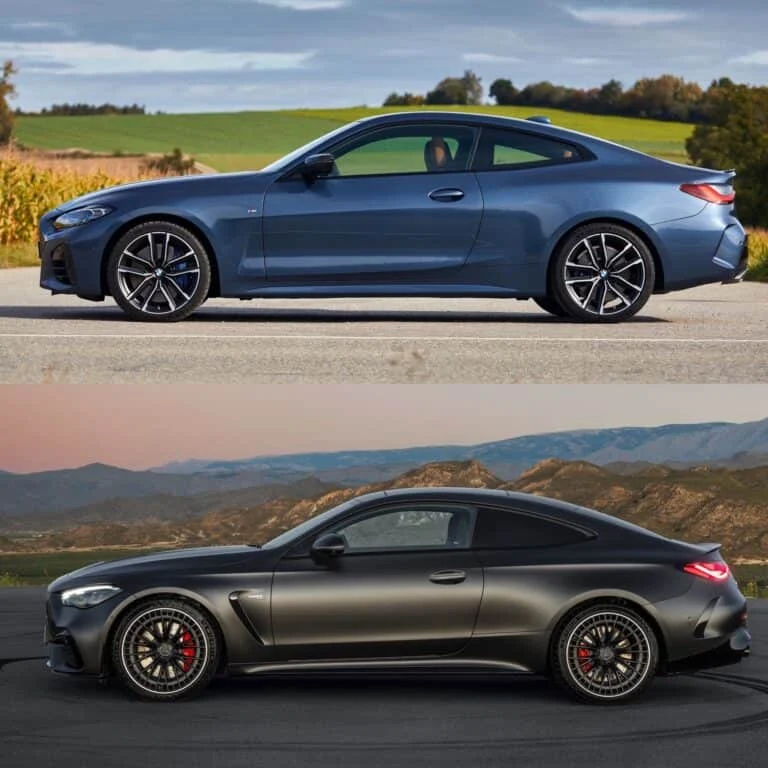
- Design Refresh: A sharper kidney grille, slimmer LED headlights, and a coupe silhouette that leans more aggressively into a sportier stance.
- Tech Suite: The latest iDrive 9.0 system with over‑the‑air updates, a 14‑inch curved OLED display, and an optional augmented‑reality head‑up display.
- Chassis Enhancements: Adaptive M suspension, carbon‑fiber reinforced plastic (CFRP) front‑subframe, and a rear‑axle steering system that promises tighter handling.
These features not only align the 4 Series with the broader BMW strategy of electrification but also position it as a serious contender against rivals like the Audi A5 and Mercedes‑C Coupe. For a deeper look at the competition, see the 2026 Audi A5 Buying Guide – What to Know Before the Next Generation Lands.
The Next Chapter 2026 BMW 4 Series Release Date and a Smart Buying Strategy: Key Milestones
BMW has traditionally followed a predictable rollout calendar, and the 2026 4 Series appears to be no exception. Below is a timeline of the most important dates to keep on your radar:
- January 2025: Official unveiling at the Frankfurt Motor Show, accompanied by a global live‑stream.
- March 2025: First test‑drive events for journalists and select dealership customers.
- June 2025: Release of official pricing and trim level details on the BMW website.
- September 2025: Pre‑order window opens for all markets, with a limited‑edition “Launch Edition” available for the first 5,000 buyers.
- January 2026: First deliveries to dealerships in Europe and North America.
- March 2026: Full market launch across Asia‑Pacific and Middle East.
These dates provide a clear roadmap for anyone planning to purchase the new 4 Series. By aligning your research and financing steps with this schedule, you’ll be able to act quickly when the window opens, reducing the risk of missing out on preferred trims or incentives.
Smart Buying Strategy: Timing, Incentives, and Configuration
Buying a premium vehicle like the 2026 BMW 4 Series requires more than just picking a color and engine. To extract maximum value, consider the following strategic steps:
1. Monitor Early‑Bird Incentives
BMW often offers loyalty rebates, finance promotions, or bundled service packages for customers who place pre‑orders within the first few months of the launch. Keep an eye on BMW’s official newsletters and dealer communications around the September 2025 pre‑order window.
2. Leverage Dealer Competition
Because the 4 Series will be sold through a wide network of authorized dealers, you can create a competitive environment by obtaining quotes from multiple locations. Use the Top Features of the 2026 BMW 3 Series article as a benchmark for what BMW expects in terms of technology and performance across its lineup; this can help you negotiate on comparable features.
3. Choose the Right Trim Early
The 2026 4 Series will be offered in three primary trims: Base, M Sport, and the new “ePerformance” edition. The ePerformance trim, which includes the fully electric powertrain, is likely to have limited availability due to battery supply constraints. If electrification is a priority, consider placing a reservation as soon as the pre‑order window opens.
4. Factor in Total Cost of Ownership
While the sticker price of the 4 Series may be attractive, the long‑term costs—especially for hybrid and electric variants—can vary significantly. Calculate anticipated fuel savings, potential tax credits, and maintenance differentials. For example, the plug‑in hybrid model may qualify for a federal EV rebate in the United States, shaving several thousand dollars off the effective price.
5. Consider Certified Pre‑Owned (CPO) Options
If you’re open to a slightly older model, the 2024 BMW 4 Series may still be available as a CPO vehicle with a comprehensive warranty. This can be a cost‑effective way to enjoy many of the new tech features at a reduced price, while you wait for the 2026 model to become fully stocked.
Comparison Table: 2026 BMW 4 Series vs. Key Competitors
| Model | Powertrain Options | 0‑60 mph (sec) | Estimated Range (miles) | Starting MSRP (USD) |
|---|---|---|---|---|
| 2026 BMW 4 Series | 2.0L Turbo I4, 3.0L Turbo I6, PHEV (350 hp), Full‑Electric | 5.2 (Base), 4.1 (M Sport), 3.6 (ePerformance) | 300 (PHEV), 350 (Electric) | $48,500 |
| 2026 Audi A5 | 2.0L Turbo I4, 3.0L V6, Mild‑Hybrid | 5.8 (Base), 4.7 (S line) | — (gas only) | $46,900 |
| 2026 Mercedes‑C Coupe | 2.0L Turbo I4, 3.0L Turbo I6, EQ Boost Hybrid | 5.5 (Base), 4.2 (AMG) | — (gas only) | $49,300 |
As the table illustrates, the 2026 BMW 4 Series leads in electrified options and overall performance, while its pricing remains competitive against its German rivals. This positioning makes it a compelling choice for buyers who value both dynamic driving and future‑proofing their investment.
Financing and Lease Considerations
BMW’s financial services arm typically offers flexible lease terms, especially for new technology models. A 36‑month lease with a modest down payment can be an attractive way to experience the ePerformance version without committing to a large upfront cost. Compare the lease mileage allowances with your expected annual mileage to avoid excess‑kilometer fees.
If you prefer ownership, a 60‑month loan with a low‑interest rate—often available through BMW’s promotional financing—can spread the cost while preserving cash flow for other investments. Be sure to inquire about any dealer‑specific cash incentives that may be stacked with manufacturer offers.
Dealer Test Drives and Virtual Showrooms
Given the high level of integration of digital features in the 2026 BMW 4 Series, many dealerships now provide virtual reality (VR) walkthroughs that let you explore the cabin, switch colors, and even simulate driving dynamics. Schedule a VR session ahead of your in‑person test drive to narrow down your preferences, then focus the physical visit on confirming fit and feel.
When you finally sit behind the wheel, pay close attention to:
- Steering feedback and rear‑axle steering responsiveness.
- How the iDrive 9.0 interface transitions between navigation, media, and vehicle settings.
- Noise insulation at highway speeds, especially on the electric variant.
Future Outlook: How the 2026 Model Sets the Stage for BMW’s Next Decade
The arrival of the 2026 BMW 4 Series is more than a mere model refresh; it signals BMW’s broader commitment to a mixed‑powertrain strategy that balances performance heritage with sustainability goals. By offering both a plug‑in hybrid and a fully electric version within the same body shell, BMW can cater to markets with varying emissions regulations while maintaining a unified brand identity.
Looking ahead, the technologies introduced in the 4 Series—such as the advanced carbon‑fiber architecture and the AI‑driven driver assistance suite—are expected to trickle down to other segments, including the upcoming 2027 3 Series and future electric SUVs. For consumers, this means that buying the 2026 4 Series today could provide a platform that stays technologically relevant for years to come.
In summary, the next chapter of the BMW 4 Series arrives with a clear timeline, a robust set of features, and a market positioning that makes it a standout choice in the luxury coupe arena. By following the smart buying strategy outlined above—monitoring incentives, timing your order, and understanding total cost of ownership—you can secure the model that best fits your lifestyle while maximizing value.