The automotive landscape is a constantly shifting tapestry, but a few threads remain stubbornly, reassuringly constant. Among them is the Ford Explorer. For over three decades, this nameplate has been synonymous with American family adventures, rugged capability, and evolving sophistication. From its groundbreaking debut in 1990, ushering in the modern SUV era, to its current iteration, the Explorer has consistently adapted, reinvented, and redefined expectations.
Now, as the current sixth-generation model approaches the midpoint of its lifecycle, the automotive world holds its breath, anticipating the next evolutionary leap. Whispers from Dearborn, spy shots draped in camouflage, and industry speculation all point to one thing: a significant refresh or even a full redesign for the 2026 model year. This isn’t just another model year update; it’s poised to be a pivotal moment for Ford’s venerable three-row SUV, embracing a future that’s more connected, more efficient, and undeniably more refined.
This article delves deep into what we can expect from the 2026 Ford Explorer, from its hotly anticipated release date to a comprehensive buying guide designed to help you navigate its likely offerings and make the most informed decision for your family’s next adventure.
The Anticipation Builds: 2026 Ford Explorer Release Date and Industry Buzz
Predicting exact release dates in the automotive industry is akin to forecasting the weather three years out – fraught with variables. However, based on typical product cycles, a major refresh or redesign for the Explorer in the 2026 model year makes perfect sense. The current generation (U625) debuted for the 2020 model year, making it ripe for a substantial overhaul around the five-to-six-year mark.
When to Expect It:
- Official Unveiling: We anticipate Ford will begin teasing the new Explorer in late 2024 or early 2025. A full reveal could occur at a major auto show (like Detroit or Los Angeles) or a dedicated online event in mid-to-late 2025.
- Production Start: Following the reveal, production would likely commence in late 2025.
- Dealer Arrival: The 2026 Ford Explorer would then hit dealership lots in late 2025 or early 2026.
What the Buzz is About:
Industry insiders and spy photographers have already caught glimpses of heavily camouflaged prototypes. While specifics are hidden, these early sightings suggest:
- Revised Exterior Styling: A more aggressive front fascia, potentially drawing inspiration from the F-150 and Bronco, with updated lighting signatures and a modernized grille. The rear will likely see new taillight designs and a subtly reshaped tailgate.
- Significant Interior Overhaul: This is where the biggest changes are expected. Ford has been pushing larger screens and more digital interfaces across its lineup (think F-150, Mustang Mach-E), and the Explorer is due for a similar transformation. Expect a new dashboard design, improved material quality, and more integrated technology.
- Powertrain Refinements: While the core EcoBoost engines might carry over with updates, a stronger emphasis on hybridization is almost certain. Ford is committed to electrification, and the Explorer, as a high-volume family hauler, is a prime candidate for advanced hybrid and potentially even plug-in hybrid (PHEV) options that offer greater range and efficiency. There’s even speculation, albeit faint, of a full EV variant down the line, but for 2026, enhanced hybrids are the safer bet.
What to Expect: Design, Platform, and Powertrain Evolution
The 2026 Explorer won’t just be a pretty face; it will be a culmination of Ford’s latest design philosophies, engineering prowess, and technological advancements.
Exterior: A Sharper, More Confident Stance
Expect the 2026 Explorer to project a more modern and assertive presence. Ford’s current design language emphasizes strength and sophistication, and the new Explorer will likely adopt cues from its successful siblings.
- Front End: A bolder, perhaps wider, grille design, flanked by sleeker LED headlights that could incorporate distinct daytime running light signatures. The lower fascia will likely be redesigned for better aerodynamics and a more commanding look.
- Profile: While the overall silhouette will remain distinctly Explorer (a long hood, upright stance), subtle changes to body lines, fender flares, and wheel designs will add dynamism. New wheel options, ranging from rugged to refined, will be a given.
- Rear: Revised LED taillights, possibly connected by a horizontal light bar (a popular modern trend), will modernize the rear. The tailgate might feature subtle sculpting, and the bumper could integrate updated exhaust outlets, depending on the trim.
Interior: The Digital Cockpit and Elevated Comfort
This is arguably where the 2026 Explorer will make its most significant leap. The current interior, while functional, feels a step behind rivals in terms of modernity and screen integration.
- Dashboard & Infotainment: Prepare for a substantially redesigned dashboard, likely dominated by a large, horizontally oriented touchscreen for Ford’s latest SYNC infotainment system. This could be complemented by a fully digital instrument cluster, offering customizable displays for navigation, vehicle data, and entertainment.
- Materials & Ergonomics: Expect an uptick in material quality, with more soft-touch surfaces, refined trim accents, and improved switchgear. The layout of controls will likely be more intuitive, with a blend of physical buttons for critical functions and touchscreen integration for others.
- Seating & Space: The Explorer’s strong suit has always been its family-friendly interior. The 2026 model will likely retain or even improve upon its generous passenger space in all three rows, along with versatile cargo configurations. Expect new seat designs for enhanced comfort and support, especially on longer journeys.
- Connectivity: Beyond SYNC, expect robust connectivity options, including wireless Apple CarPlay and Android Auto, multiple USB-C ports, available wireless charging, and potentially integrated 5G Wi-Fi hotspot capabilities. Over-the-air (OTA) update capability will ensure the vehicle’s software remains current.
Platform: Refined Foundations
The current Explorer utilizes Ford’s rear-wheel-drive-biased CD6 platform, shared with the Lincoln Aviator. This platform offers excellent driving dynamics and packaging for a three-row SUV. For 2026, expect an evolution rather than a revolution of this platform.
- Enhanced Rigidity: Structural enhancements will likely improve crash performance and contribute to a quieter, more composed ride.
- Weight Optimization: Ford engineers will continue to seek ways to reduce curb weight through advanced materials, benefiting both fuel efficiency and handling.
- Suspension Tuning: Expect revised suspension components and tuning to further refine the ride quality, offering a balance of comfort and confident handling.
Powertrain: Efficiency Meets Performance
Ford’s strategy for the Explorer will undoubtedly lean heavily into powertrain diversity, with a strong emphasis on efficiency and electrified options.
- EcoBoost Dominance: The venerable 2.3-liter EcoBoost four-cylinder (around 300 hp) will likely remain the entry-level engine, offering a strong balance of power and efficiency. The potent 3.0-liter EcoBoost V6 (around 400 hp) will continue to power performance-oriented trims like the ST, delivering exhilarating acceleration.
- Next-Generation Hybrid: This is the game-changer. The current Explorer Hybrid offers respectable efficiency, but the 2026 model is expected to introduce a more advanced hybrid system. This could involve a larger battery, a more powerful electric motor, and potentially a plug-in hybrid (PHEV) variant offering a significant all-electric driving range. The goal will be to significantly improve MPGs, especially in city driving, making the Explorer a more compelling option against rivals like the Grand Highlander and Kia Sorento Hybrid.
- Transmission: Ford’s smooth and efficient 10-speed automatic transmission will almost certainly be carried over across the lineup, optimized for each engine.
- Drivetrain: Rear-wheel drive will remain standard, with intelligent all-wheel drive (AWD) available across most trims, featuring selectable terrain modes for various conditions.
The Ultimate Buying Guide for the 2026 Ford Explorer
Once the 2026 Explorer officially breaks cover, choosing the right configuration for your needs will be key. This guide will walk you through the likely trim levels, features, pricing considerations, and key decision factors.
Anticipated Trim Levels and Their Appeal
Ford traditionally offers a well-defined trim hierarchy for the Explorer, catering to a wide range of budgets and preferences. While names and specific features may change, the general structure will likely remain similar:
-
Explorer (Base Model):
- Who it’s for: Budget-conscious buyers needing three rows of seating and core SUV functionality.
- Key Features: Likely comes with the 2.3L EcoBoost engine, basic SYNC infotainment with a large touchscreen, LED headlights, cloth upholstery, and a suite of essential Ford Co-Pilot360 safety features. Steel wheels with covers might still be standard, but alloy wheels are a common upgrade.
- Price Expectation: Starting in the low-to-mid $30,000s (RWD).
-
Explorer XLT:
- Who it’s for: The sweet spot for many families, offering a significant upgrade in comfort and convenience without breaking the bank.
- Key Features: Adds power-adjustable driver’s seat, roof rails, upgraded interior trim, perhaps heated front seats, and a few more driver-assist features. Larger alloy wheels become standard.
- Price Expectation: Mid-to-high $30,000s.
-
Explorer ST-Line:
- Who it’s for: Buyers who crave the sporty aesthetic of the ST without the full performance engine and associated cost.
- Key Features: Unique exterior styling (blacked-out grille, specific wheels), sport-tuned suspension (possibly), unique interior accents, and perhaps a flat-bottom steering wheel. Likely still powered by the 2.3L EcoBoost.
- Price Expectation: Low-to-mid $40,000s.
-
Explorer Limited:
- Who it’s for: Those seeking a more premium experience with added luxury and technology.
- Key Features: Leather upholstery, heated and ventilated front seats, heated second-row seats, premium audio system, larger infotainment screen, more advanced Co-Pilot360 features (e.g., adaptive cruise control), hands-free liftgate, and chrome exterior accents. This is where the Hybrid powertrain becomes a prominent option.
- Price Expectation: Mid-to-high $40,000s.
-
Explorer ST:
- Who it’s for: Performance enthusiasts who want a genuine sporty driving experience in a three-row SUV.
- Key Features: The powerful 3.0L EcoBoost V6 engine, sport-tuned suspension, larger brakes, unique ST-specific exterior and interior styling, performance-oriented AWD system.
- Price Expectation: Low-to-mid $50,000s.
-
Explorer Platinum / King Ranch:
- Who it’s for: The ultimate in luxury and technology, for those who want the very best Explorer experience.
- Key Features: Exclusive premium leather (possibly with unique stitching or textures), wood or aluminum interior trim, advanced massaging seats, a panoramic sunroof, the most extensive suite of Co-Pilot360 features (including BlueCruise hands-free driving capability), head-up display, and unique exterior finishes. The 3.0L EcoBoost is standard.
- Price Expectation: High $50,000s to low $60,000s.
Pricing Strategy and Options
- Base MSRP: Expect a slight increase across the board compared to the current model, accounting for inflation and the significant upgrades.
- Packages: Ford will offer various optional packages that bundle popular features (e.g., Technology Package, Towing Package, Premium Seating Package) at a discount compared to adding them individually.
- Standalone Options: Consider items like a panoramic sunroof, specific paint colors, upgraded wheels, or specialized towing equipment.
- AWD Premium: Adding AWD typically costs an extra $2,000-$3,000.
- Hybrid Premium: The new hybrid powertrain will likely carry a premium over the standard 2.3L EcoBoost, but the fuel savings could offset this over time.
Key Decision Factors When Buying
- Budget: This is always paramount. Determine your comfortable monthly payment and overall vehicle cost.
- Family Size & Needs: How many passengers will you regularly carry? Do you need extensive cargo space? Will you frequently use the third row?
- Powertrain Preference:
- 2.3L EcoBoost: Best balance of power and initial cost.
- Hybrid/PHEV: Prioritize fuel efficiency and potentially lower emissions.
- 3.0L EcoBoost (ST/Platinum): For maximum performance and towing capability.
- Technology & Safety: Are cutting-edge infotainment and the full suite of driver-assist features a must-have, or are basic functions sufficient? BlueCruise hands-free driving is a significant differentiator for top trims.
- Luxury & Comfort: How important are premium materials, advanced seating features, and enhanced amenities?
- Towing Needs: If you plan to tow a boat or trailer, ensure your chosen powertrain and trim have the necessary towing package and capacity. The 3.0L V6 offers the highest towing ratings.
- Resale Value: While Ford Explorers generally hold their value well, opting for popular colors, AWD, and desirable option packages can help with resale down the line.
The Test Drive: What to Look For
Once the 2026 Explorer arrives, a thorough test drive is critical. Don’t just drive around the block; simulate your typical driving conditions.
- Ride Comfort: How does it handle bumps and rough roads? Is it too stiff or too floaty?
- Handling: Does it feel agile or ponderous? How does it corner?
- Powertrain Response: Does the engine provide enough power for merging and passing? Is the transmission smooth? Pay special attention to the hybrid system’s transitions between electric and gas power.
- Interior Ergonomics: Are controls easy to reach and understand? Is the infotainment system intuitive?
- Visibility: Check for blind spots. Use the mirrors and available cameras.
- Third-Row Access and Comfort: Try getting in and out of the third row. Spend a few minutes back there to assess comfort for adults.
- Cargo Space: Test out folding seats and loading various items.
- Noise Levels: Listen for road noise, wind noise, and engine noise at various speeds.
- ADAS Functionality: If possible, test features like adaptive cruise control, lane-keeping assist, and blind-spot monitoring in a safe environment.
Financing, Leasing, and Ownership
- Financing: Compare interest rates from Ford Credit, your bank, and credit unions. Factor in down payment, loan term, and total interest paid.
- Leasing: Consider leasing if you prefer lower monthly payments, want a new car every few years, and don’t drive excessive mileage. Be aware of mileage limits and wear-and-tear clauses.
- Warranty: Understand Ford’s standard bumper-to-bumper and powertrain warranties, and consider extended warranty options for peace of mind.
- Maintenance: Research expected maintenance costs and schedules. Ford’s extensive dealer network makes service convenient.
The Competition
The 2026 Ford Explorer will face fierce competition in the crowded three-row mid-size SUV segment. Key rivals include:
- Kia Telluride / Hyundai Palisade: Known for their upscale interiors, strong value, and distinctive styling.
- Toyota Grand Highlander / Highlander: Toyota’s reputation for reliability and the Grand Highlander’s spacious interior and hybrid efficiency are major draws.
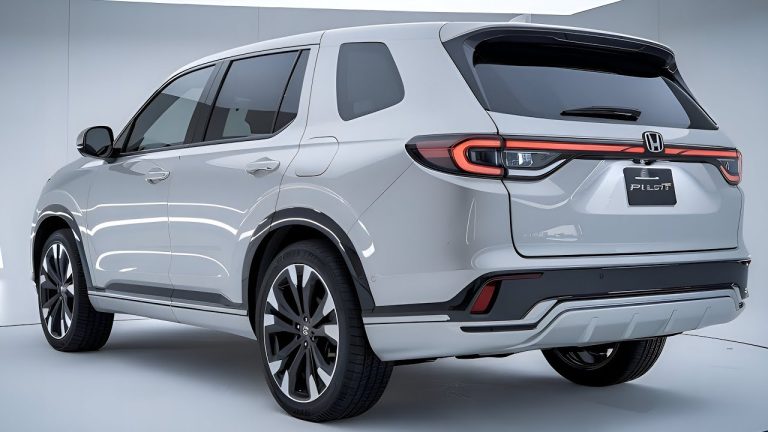
- Honda Pilot: Offers a practical, family-friendly package with a strong V6 engine.
- Chevrolet Traverse / Buick Enclave: Large interiors and comfortable rides, with the Traverse leaning towards mainstream and the Enclave towards luxury.
- Subaru Ascent: Known for standard AWD and strong safety ratings.
The Explorer’s rear-wheel-drive platform, available powerful V6, and expected advanced hybrid system will give it unique selling points against these formidable contenders.
The Road Ahead: Why the 2026 Explorer Matters
The 2026 Ford Explorer isn’t just another vehicle; it represents the ongoing evolution of an automotive icon. It will need to balance its rugged heritage with the demands of a modern, tech-savvy, and efficiency-focused consumer base. By embracing bolder design, a fully digitized interior, and advanced hybrid powertrains, Ford aims to solidify the Explorer’s position as a segment leader.
For families seeking a versatile, capable, and increasingly sophisticated three-row SUV, the 2026 Ford Explorer promises to deliver a compelling package. It’s a vehicle that will continue to take on school runs, cross-country road trips, and weekend adventures with unwavering confidence. As the reveal draws closer, the excitement will only build, and when it finally arrives, the next chapter of the Ford Explorer legend will truly begin. Stay tuned for official details, as the future of family adventure is about to get a whole lot more exciting.