SpeedSUVs.com — The landscape of electric vehicles has evolved dramatically over the last six years, shifting from niche experiments to mainstream automotive powerhouses. The annual search for the most impressive EV of the year has served as a benchmark for innovation, technological prowess, and driving engagement. By analyzing the winners from 2021 to 2026, one can trace the industry’s progression toward making electric transport both accessible and truly desirable for a wide range of consumers.
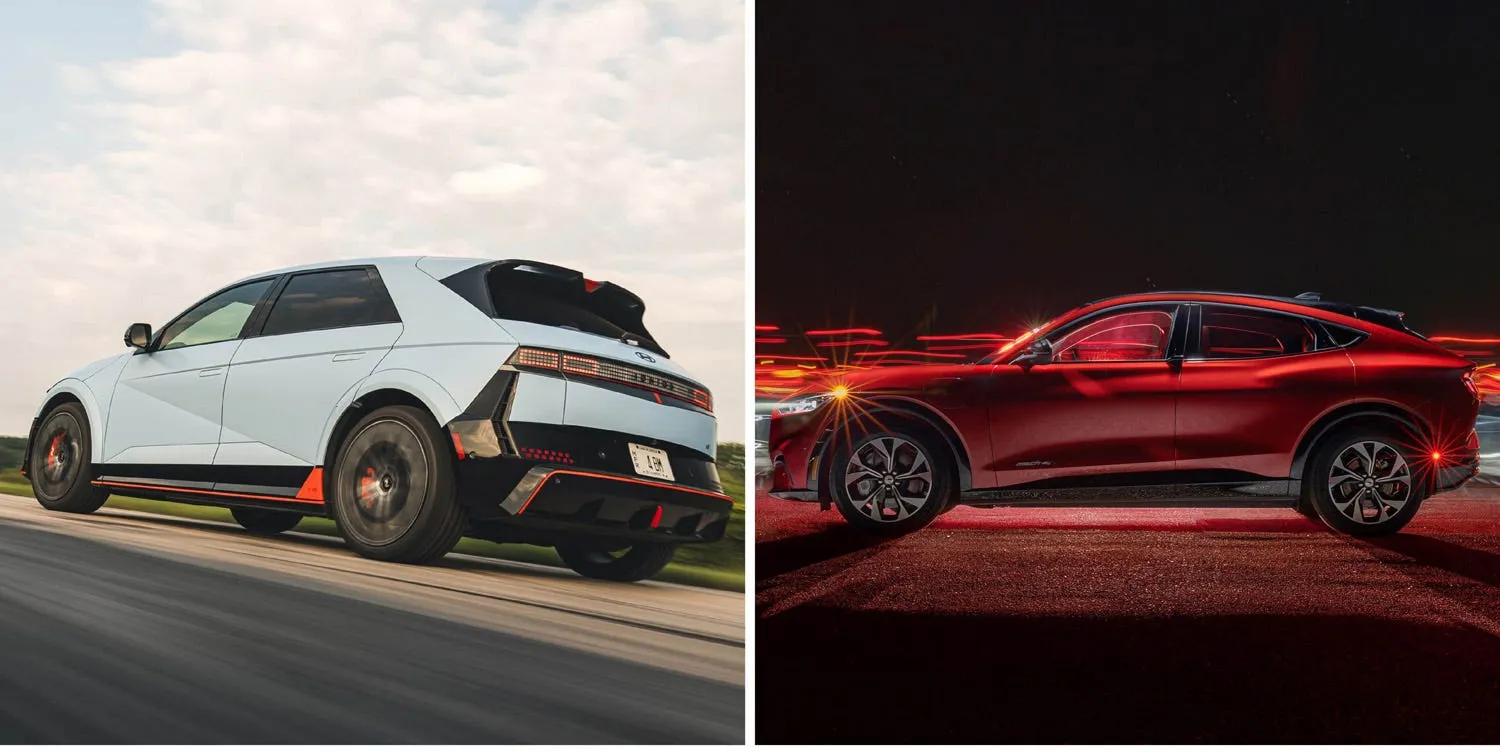
2021: Ford Mustang Mach-E
The Ford Mustang Mach-E set the standard for the inaugural competition. It succeeded by mastering the fundamentals, offering a balanced package of range, performance, and everyday utility that was difficult to find elsewhere at the time. While some enthusiasts questioned the use of the Mustang moniker for a crossover, the vehicle’s quiet dynamic confidence proved that electric platforms could be just as rewarding as traditional internal combustion engines. It provided a seamless transition for new EV owners, avoiding the common compromises that plagued early adopters.

Pros and Cons
- Pros: Excellent balance of practicality and performance; approachable interface for new EV buyers; competitive range for its class.
- Cons: Initial skepticism from traditional performance enthusiasts regarding the brand heritage.
2022: Hyundai Ioniq 5
The Hyundai Ioniq 5 redefined expectations by combining a unique, standout design with high-performance charging capabilities. Beyond its visual impact, the vehicle excelled in real-world scenarios, featuring a 303-mile EPA range and a 350-kW charging architecture that allowed for a 10-to-80 percent charge in just 18 minutes. The driving experience was equally impressive, characterized by a playful spirit and balanced handling that made it a standout in its segment.
Pros and Cons
- Pros: Rapid charging architecture; distinctive design; engaging and fun driving dynamics.
- Cons: Its unconventional look may not appeal to every consumer preference.
2024: Hyundai Ioniq 5 N
Returning to the winner’s circle, the Ioniq 5 N brought a new level of passion to the electric market. Engineered specifically for enthusiasts, it featured simulated gear shifts and engine sounds, proving that an EV could be fun for the sake of entertainment rather than just efficiency. Despite its focus on sportiness, it maintained the practical foundation of its predecessor, successfully bridging the gap between a high-performance track toy and a daily driver.
Pros and Cons
- Pros: High-performance acceleration; enthusiast-focused features like N e-shift; retained daily practicality.
- Cons: Simulated sounds and shifts may feel kitschy to some purists.
2025: Porsche Taycan
The Porsche Taycan represents a story of refinement and technological redemption. After narrowly missing the top spot in 2021 due to efficiency concerns, the 2025 iteration returned with significant architectural upgrades. The inclusion of a larger battery pack and advanced Active Ride suspension pushed the Taycan into a new realm of capability. While it remains a premium, high-cost option, the improvements in charging speed and range have effectively addressed previous owner concerns, cementing its status as a technological leader.
Pros and Cons
- Pros: Supernatural cornering capabilities; vastly improved charging infrastructure; premium build quality.
- Cons: High starting price remains a significant barrier for average buyers.
2026: Chevrolet Bolt
The Chevrolet Bolt serves as a masterclass in accessibility and mission fulfillment. Priced under $30,000, it offers a compelling argument that an EV does not need to be expensive to be excellent. With over 200 miles of real-world range and a versatile, spacious interior, it excels at providing exactly what most consumers need. While it lacks the high-end software of more expensive luxury vehicles, its thoughtful application of technology makes it the most value-oriented winner in the history of the competition.
Pros and Cons
- Pros: Exceptional value proposition; spacious and versatile cabin; reliable real-world range.
- Cons: Charging speed is moderate compared to top-tier competitors; technology suite is basic.