The electric vehicle (EV) market is a battlefield of innovation, affordability, and range anxiety. Amidst this rapidly evolving landscape, one name is making a highly anticipated comeback, poised to reclaim its throne as a leader in accessible electric mobility: the 2026 Chevrolet Bolt EUV. After a brief hiatus that left many EV enthusiasts and budget-conscious buyers yearning, Chevrolet has confirmed the Bolt EUV’s return, promising an upgraded experience built on the revolutionary Ultium platform.
This comprehensive review will dive deep into everything we expect from the 2026 Chevrolet Bolt EUV, from its modernized design and advanced features to its projected pricing and competitive standing. Get ready to discover why the new Bolt EUV is not just a comeback, but a significant leap forward in the electric vehicle revolution.
The Grand Return: Why the 2026 Bolt EUV Matters
The original Chevrolet Bolt EV and its slightly larger sibling, the Bolt EUV, carved out a crucial niche in the nascent EV market. They offered respectable range, practical utility, and, most importantly, an attainable price point that democratized electric ownership for many. Their discontinuation in late 2023, while part of GM’s strategic shift to the Ultium platform, left a noticeable void.
The announcement of the 2026 Chevrolet Bolt EUV’s return is a testament to its enduring popularity and the public’s demand for affordable, reliable electric transportation. This new iteration, however, is not just a re-badged version of its predecessor. By leveraging GM’s scalable Ultium battery and motor technology, the 2026 Bolt EUV promises significant enhancements across the board, addressing previous criticisms and elevating the ownership experience. This move positions the 2026 Bolt EUV as a critical player in GM’s ambitious all-electric future, showcasing Ultium’s versatility beyond premium offerings.
Exterior Design: A Fresh Face for a Familiar Name
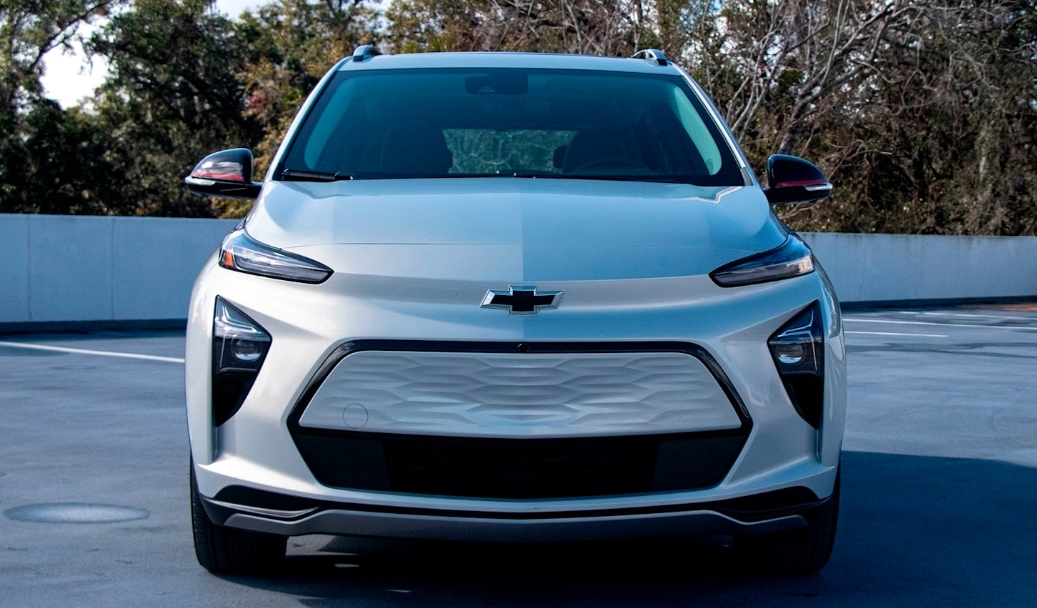
While official images are still under wraps, expectations for the 2026 Chevrolet Bolt EUV‘s exterior design are high. We anticipate a contemporary aesthetic that retains the practical, crossover-like proportions of the original EUV but with a distinctly more modern and aerodynamic flair, aligning it with Chevrolet’s current EV design language seen in models like the Blazer EV and Equinox EV.
- Modernized Proportions: The new Bolt EUV will likely maintain its urban-friendly footprint but might feature slightly more assertive lines and a broader stance, hinting at its enhanced capabilities.
- Distinctive Lighting Signature: Expect sleek, horizontally oriented LED daytime running lights (DRLs) that flow into a refined front fascia, possibly adopting the split-headlight design seen on other new Chevy EVs. Full LED lighting for headlights and taillights will be standard or widely available, improving visibility and adding a premium touch.
- Aerodynamic Efficiency: With the Ultium platform’s focus on range, the exterior will undoubtedly be optimized for aerodynamics. Expect smooth body panels, integrated door handles (on higher trims), and possibly active grille shutters to reduce drag and maximize efficiency.
- Wheel Designs: A range of stylish alloy wheel options, likely ranging from 17 to 19 inches, will complement the overall design, with aerodynamic inserts on some trims to further aid efficiency.
- Color Palette: Chevrolet is known for offering vibrant color options, and the 2026 Bolt EUV should be no exception, allowing buyers to personalize their electric crossover.
The exterior of the 2026 Chevrolet Bolt EUV is set to blend familiarity with innovation, creating an appealing package that stands out without being overly radical, perfectly suiting its role as a mass-market electric vehicle.
Interior Comfort & Technology: A Sanctuary on Wheels
Step inside the 2026 Chevrolet Bolt EUV, and you’re likely to find a cabin that has undergone a significant transformation, offering a more refined, spacious, and technologically advanced environment than its predecessor. The Ultium platform’s flat floor design inherently creates more interior volume, benefiting both passenger comfort and cargo capacity.
- Enhanced Spaciousness: Expect improved legroom and headroom for both front and rear passengers, making long journeys more comfortable. The rear seats are anticipated to offer ample space for adults, a key advantage for a compact SUV.
- Premium Materials & Finish: Chevrolet will likely elevate the material quality throughout the cabin. Softer-touch surfaces, more sophisticated trim accents, and possibly even sustainable material options will contribute to a more upscale feel, moving beyond the utilitarian nature of the previous generation.
- Ergonomic Design: The dashboard will likely feature a clean, driver-focused layout with intuitively placed controls. Physical buttons for essential functions like climate control will likely remain, complementing the digital interface for ease of use while driving.
- Advanced Infotainment System: The centerpiece of the cabin is expected to be a generously sized, high-resolution infotainment touchscreen, likely featuring GM’s intuitive Google Built-in interface. This system seamlessly integrates navigation, voice assistance, and a suite of connected services, ensuring drivers are always informed and entertained. Wireless Apple CarPlay and Android Auto will undoubtedly be standard, along with multiple USB-C ports for charging devices.
- Digital Instrument Cluster: A fully digital instrument cluster will provide customizable information displays, offering a modern and clear view of speed, range, battery status, and driver-assistance alerts.
- Comfort Features: Depending on the trim, expect features like heated and ventilated front seats, a heated steering wheel, power-adjustable seats, and dual-zone automatic climate control to enhance comfort in various weather conditions. A panoramic sunroof could also be an available option, brightening the cabin.
- Cargo Versatility: The EUV’s crossover body style means practical cargo space. The rear seats will likely feature a 60/40 split-fold, expanding the cargo area significantly for larger items, making the 2026 Bolt EUV highly adaptable for daily life and weekend adventures.
Performance & Powertrain: Efficiency Meets Enthusiasm
The heart of the 2026 Chevrolet Bolt EUV’s transformation lies in its adoption of the Ultium platform. This modular architecture allows for a flexible range of motor and battery configurations, promising a significant upgrade in performance, range, and charging capabilities compared to the outgoing model.
- Ultium Power: While specific power figures are yet to be revealed, we can expect a robust electric motor (or motors, potentially offering AWD as an option) providing instant torque and smooth acceleration. Estimates suggest power output in the range of 200-250 horsepower and similar torque figures, delivering brisk acceleration for city driving and confident highway merging. A 0-60 mph time in the low 7-second range is a reasonable expectation.
- Driving Dynamics: The Ultium platform’s low center of gravity, due to the floor-mounted battery pack, will contribute to stable and engaging handling. The ride quality is expected to be refined, balancing comfort for daily commutes with confident road manners. Precise steering and capable braking will ensure a pleasant driving experience.
- One-Pedal Driving: A beloved feature of the previous Bolt, one-pedal driving, where regenerative braking is strong enough to slow the vehicle to a stop without using the brake pedal, is highly anticipated to return. This not only enhances efficiency but also provides a unique and intuitive driving sensation.
- Regen on Demand: A paddle on the steering wheel allowing drivers to momentarily increase regenerative braking for quick deceleration will likely also be included, offering greater control and energy recuperation.
Battery & Charging: The Core of the EV Experience
Range and charging speed are paramount for EV adoption, and the 2026 Bolt EUV, with its Ultium foundation, is poised to deliver significant improvements in both areas.
- Ultium Battery Technology: The new Bolt EUV will feature an Ultium battery pack, known for its energy density and modularity. While the exact capacity (kWh) is unconfirmed, we anticipate a pack size that will push the EPA-estimated range well beyond the previous generation’s 247 miles, potentially reaching 280-300+ miles on a single charge. This extended range will greatly reduce range anxiety for most drivers.
- Faster DC Fast Charging: One of the most significant upgrades will be in DC fast charging capabilities. The Ultium platform supports much higher charging rates than the previous Bolt. We can expect peak charging speeds that allow the 2026 Chevrolet Bolt EUV to replenish a substantial amount of its battery (e.g., 10-80%) in a significantly shorter time, possibly in under 30-40 minutes at compatible DC fast chargers.
- Home Charging (Level 2): For everyday charging, a Level 2 (240V) home charger will fully charge the Bolt EUV overnight, typically adding 25-30 miles of range per hour.
- Level 1 (120V): A standard 120V outlet will still provide trickle charging, suitable for topping off or minimal daily driving.
- Charging Network Access: Chevrolet will likely integrate charging network access and payment solutions directly into the vehicle’s infotainment system, simplifying the charging experience for owners.
Safety & Driver-Assistance Features: Peace of Mind on Every Journey
Safety remains a top priority for Chevrolet, and the 2026 Bolt EUV will undoubtedly come equipped with a comprehensive suite of active and passive safety features, leveraging the latest advancements in driver-assistance technology.
- Standard Safety Features: Expect a robust airbag system, anti-lock brakes (ABS), electronic stability control, and traction control as standard.
- Chevrolet Safety Assist: This suite of standard driver-assistance features will likely include:
- Automatic Emergency Braking
- Front Pedestrian Braking
- Lane Keep Assist with Lane Departure Warning
- Forward Collision Alert
- IntelliBeam (auto high-beam assist)
- Following Distance Indicator
- Advanced Driver-Assistance Systems (ADAS): Higher trims or optional packages will offer even more sophisticated features:
- Super Cruise: This highly acclaimed hands-free driving assistance system, available on compatible highways, is a strong possibility for the 2026 Bolt EUV, given its Ultium platform. This would be a game-changer for a vehicle in its price segment.
- Adaptive Cruise Control
- Blind Zone Steering Assist
- Rear Cross Traffic Braking
- Rear Park Assist
- HD Surround Vision (360-degree camera)
- Enhanced Automatic Parking Assist
The structural integrity provided by the Ultium platform, combined with these advanced safety systems, will aim for top safety ratings from organizations like NHTSA and IIHS.
Trim Levels & Features Breakdown
While official trim levels for the 2026 Bolt EUV are not yet announced, based on Chevrolet’s current lineup, we can anticipate a structure similar to the following:
- LS (Base Model): Focus on essential EV functionality and core features. Expect a solid range, standard infotainment with wireless Apple CarPlay/Android Auto, basic safety assist features, and comfortable cloth seating.
- LT (Mid-Range): Adds more comfort and convenience. This trim might include larger alloy wheels, upgraded interior materials, heated front seats, power-adjustable driver’s seat, an enhanced infotainment system, and more advanced safety features like adaptive cruise control.
- Premier (Top-Tier): The fully loaded option, offering luxury and advanced technology. Anticipate leatherette or real leather seating, ventilated front seats, a premium audio system, panoramic sunroof, Super Cruise (if offered), HD Surround Vision, and unique exterior accents.
Each trim will likely offer optional packages to further customize the vehicle, allowing buyers to tailor the 2026 Chevrolet Bolt EUV to their specific needs and budget.
Pricing & Value Proposition: What to Expect
The original Bolt EUV’s affordability was a key selling point, and Chevrolet understands that competitive pricing will be crucial for the success of the 2026 model. While the Ultium platform suggests a more premium offering, GM has also committed to making EVs accessible.
- Estimated Starting MSRP: We anticipate the 2026 Chevrolet Bolt EUV to start in the low to mid-$30,000 range. This would position it competitively against rivals like the Hyundai Kona Electric, Kia Niro EV, and upcoming smaller electric SUVs.
- Mid-Range & Top-Tier: Fully loaded Premier trims could push into the low $40,000s, especially if features like Super Cruise are included.
- Federal Tax Credits: Crucially, as a North American-made EV (expected), the 2026 Bolt EUV should qualify for the full $7,500 federal tax credit, significantly reducing the effective purchase price for eligible buyers. This makes the Bolt EUV an incredibly compelling value proposition.
- State & Local Incentives: Buyers should also investigate additional state and local EV incentives, which can further lower the cost of ownership.
- Cost of Ownership: Beyond the purchase price, EV owners benefit from significantly lower "fuel" costs (electricity vs. gasoline) and reduced maintenance requirements (fewer moving parts, no oil changes). These long-term savings contribute substantially to the Bolt EUV’s overall value.
- Warranty: Expect a comprehensive warranty package, including an 8-year/100,000-mile warranty on the battery and electric drive components, providing peace of mind.
The 2026 Chevrolet Bolt EUV aims to strike a delicate balance between advanced Ultium technology and competitive pricing, making it an attractive option for a broad spectrum of buyers looking to transition to electric.
The Competition: A Crowded Arena
The 2026 Chevrolet Bolt EUV will enter a more crowded and competitive market than its predecessor. Its primary rivals in the affordable compact electric SUV segment include:
- Hyundai Kona Electric: A strong contender known for its efficient powertrain and feature-rich interior.
- Kia Niro EV: Offers a practical interior, good range, and a refined driving experience.
- Nissan Leaf: While older, the Leaf still offers an accessible entry point to EV ownership, though with less range and slower charging than newer competitors.
- Future Entrants: Other manufacturers are continually releasing new compact electric SUVs, keeping the pressure on.
The 2026 Bolt EUV will differentiate itself with the proven reliability of the Chevrolet brand, the advanced capabilities of the Ultium platform (especially in terms of range and charging speed), and the potential inclusion of cutting-edge features like Super Cruise at a competitive price point. Its balance of practicality, technology, and expected affordability will be its strongest assets.
The Future of the Bolt EUV: Sustainability & Impact
The return of the Chevrolet Bolt EUV signifies more than just a new model; it represents GM’s unwavering commitment to an all-electric future and its strategy to offer EVs across all price points. The 2026 Bolt EUV is crucial for expanding EV adoption, appealing to a demographic that prioritizes value, practicality, and environmental consciousness without sacrificing modern features or performance.
By offering a compelling electric option that is both attainable and advanced, the Bolt EUV contributes significantly to reducing carbon emissions and accelerating the transition away from fossil fuels. It embodies the idea that sustainable transportation can be both exciting and within reach for the average consumer.
Conclusion: A Brighter Electric Future
The 2026 Chevrolet Bolt EUV is shaping up to be far more than just a returning nameplate. Built on the transformative Ultium platform, it promises a significant leap forward in design, performance, range, and technology. With its expected competitive pricing, eligibility for federal tax credits, and a suite of advanced features, the new Bolt EUV is poised to recapture its position as a segment leader and a crucial vehicle in the broader electrification of the automotive industry.
For those eagerly awaiting an affordable, capable, and stylish electric crossover, the 2026 Chevrolet Bolt EUV represents a truly exciting prospect. It’s a testament to Chevrolet’s responsiveness to consumer demand and its commitment to delivering a diverse portfolio of electric vehicles that meet the needs of every driver. Get ready to experience the next chapter of accessible electric driving.
Frequently Asked Questions (FAQs) about the 2026 Chevrolet Bolt EUV
1. When will the 2026 Chevrolet Bolt EUV be available?
While an exact release date has not been announced, the "2026" model year designation suggests it will likely arrive in late 2025.
2. What is the estimated range of the 2026 Chevrolet Bolt EUV?
With the new Ultium platform, the 2026 Bolt EUV is expected to offer a significantly improved EPA-estimated range, likely in the 280-300+ miles bracket on a single charge.
3. How much will the 2026 Chevrolet Bolt EUV cost?
The estimated starting MSRP for the 2026 Bolt EUV is projected to be in the low to mid-$30,000 range, positioning it as a highly competitive and affordable electric SUV.
4. Will the 2026 Bolt EUV qualify for the federal EV tax credit?
As an expected North American-made EV utilizing GM’s Ultium platform, the 2026 Chevrolet Bolt EUV is highly anticipated to qualify for the full $7,500 federal EV tax credit, making it an even more attractive purchase.
5. What are the key upgrades in the 2026 Bolt EUV compared to the previous model?
The main upgrades include the advanced Ultium battery and motor platform, leading to better range and significantly faster DC fast charging. It will also feature a more modern interior, updated exterior design, and potentially advanced driver-assistance systems like Super Cruise.
6. Will the 2026 Bolt EUV offer all-wheel drive (AWD)?
While not confirmed, the Ultium platform’s flexibility makes an all-wheel-drive option a strong possibility, potentially through a dual-motor setup, offering enhanced traction and performance.
7. What kind of charging times can I expect for the 2026 Chevrolet Bolt EUV?
On a Level 2 (240V) home charger, you can expect a full charge overnight. With DC fast charging, the Ultium platform will allow for much quicker charging, potentially reaching 10-80% in under 30-40 minutes at optimal charging stations.