The Ford Explorer isn’t just an SUV; it’s a pillar of American automotive history, a name synonymous with family adventures, suburban commutes, and a relentless pursuit of capability. Since its debut over three decades ago, it has evolved from a rugged, body-on-frame truck-based SUV to a sophisticated, unibody three-row crossover that consistently ranks among the nation’s best-sellers. As we look ahead to 2026, Ford is poised to unveil what promises to be the most significant reimagining of the Explorer yet – a vehicle designed not just to compete, but to redefine its segment for a new era of technology, sustainability, and dynamic performance.
This isn’t just a refresh; this is a comprehensive overhaul, a bold statement from Ford about the future of its mid-size SUV icon. The 2026 Explorer arrives at a critical juncture, facing an increasingly competitive landscape populated by formidable rivals like the Kia Telluride, Hyundai Palisade, Toyota Grand Highlander, and Chevrolet Traverse. To not just survive but thrive, the new Explorer must deliver on all fronts: breathtaking design, cutting-edge technology, versatile practicality, and an powertrain lineup that embraces both tradition and innovation.
A Bold New Chapter in Design: Exterior Evolution
From the moment the 2026 Explorer rolls into view, it’s clear that Ford’s designers have been given a generous leash. While retaining the Explorer’s familiar three-row silhouette, the exterior design has been thoroughly modernized, adopting Ford’s latest design language with a blend of rugged capability and sophisticated elegance.
The front fascia is undeniably assertive. A wider, more prominent grille – varying in design depending on the trim level – dominates the landscape, flanked by sleek, horizontally oriented LED headlights that seamlessly integrate into the grille’s outer edges. These aren’t just functional; they provide a distinctive light signature, especially at night. The lower bumper features aggressive air intakes and integrated fog lights, giving the Explorer a broad, planted stance.
Along the flanks, sculpted character lines create a sense of movement and athleticism. The wheel arches are more pronounced, hinting at the vehicle’s capability, and can house an array of stunning wheel designs ranging from practical 18-inch alloys to impressive 22-inch options on higher trims. The roofline maintains a subtle slope towards the rear, without compromising third-row headroom, culminating in a redesigned rear spoiler that enhances aerodynamics.
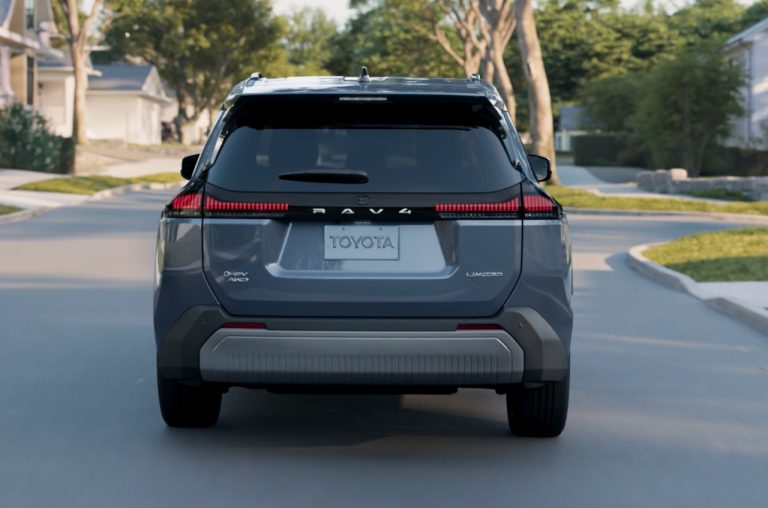
The rear end echoes the front’s modern aesthetic. Newly designed full-width LED taillights (or a connected light bar on premium trims) give the Explorer a distinctive presence from behind. The tailgate is more sculpted, and the exhaust outlets (real or simulated, depending on the powertrain) are artfully integrated into the lower bumper. Overall, the 2026 Explorer sheds some of the current model’s more conservative lines for a sharper, more contemporary, and undeniably premium aesthetic that should appeal to a broader audience. Expect new, vibrant color palettes that complement the fresh design.
Powertrain & Performance: The Heart of the Reimagined Explorer
Underneath its striking new skin, the 2026 Explorer is expected to ride on an evolution of Ford’s highly capable CD6 platform, likely optimized for greater electrification. This is where the 2026 model truly shines, offering a diverse and compelling range of powertrains designed to meet varying consumer demands for power, efficiency, and environmental consciousness.
The entry-level engine is expected to remain a robust 2.3-liter EcoBoost turbocharged four-cylinder, now refined for improved fuel economy and smoother power delivery. Anticipate figures around 300 horsepower and 310 lb-ft of torque, providing ample grunt for daily driving and light towing.
For those seeking more exhilarating performance, the ST and Platinum trims will likely feature an updated version of the potent 3.0-liter EcoBoost twin-turbo V6. This engine, rumored to push upwards of 420 horsepower and 430 lb-ft of torque, will transform the Explorer into a true performance SUV, capable of thrilling acceleration and confident highway cruising.
However, the real game-changer for 2026 is the expansion and refinement of the electrified offerings. Ford is heavily invested in its "Ford Blue" strategy, and the Explorer will be a key beneficiary.
- Next-Generation Hybrid: A more advanced hybrid system is expected, likely pairing a naturally aspirated or turbocharged four-cylinder engine with a significantly more powerful electric motor and a larger battery pack. This will deliver substantially improved fuel economy figures, potentially pushing into the high 30s MPG combined, while still offering robust power for towing and acceleration.
- Plug-in Hybrid (PHEV): This is a crucial addition for many markets. The 2026 Explorer PHEV is expected to offer a meaningful all-electric range – potentially over 40 miles – allowing many owners to complete their daily commutes without consuming a drop of gasoline. When the battery depletes, the hybrid system seamlessly takes over, eliminating range anxiety. The PHEV variant will likely combine a potent EcoBoost engine with a powerful electric motor, offering excellent combined output.
- All-Electric Explorer (EV): While not confirmed for day-one launch in 2026, sources suggest an all-electric Explorer variant is in advanced development, possibly arriving later in the model year or early 2027. This dedicated EV model would likely utilize a new electric-vehicle platform, offering competitive range (estimated 300+ miles), rapid charging capabilities, and instant torque delivery characteristic of EVs.
All powertrains will be mated to a highly refined 10-speed automatic transmission, ensuring smooth shifts and optimal power delivery across the rev range. Rear-wheel drive will remain standard, with Ford’s intelligent all-wheel-drive system available across the lineup, featuring multiple terrain management modes for enhanced capability in various conditions. Expect improved ride comfort and handling dynamics, thanks to suspension revisions and a focus on chassis tuning that balances athletic prowess with family-friendly composure.
A Sanctuary of Innovation: Interior & Technology
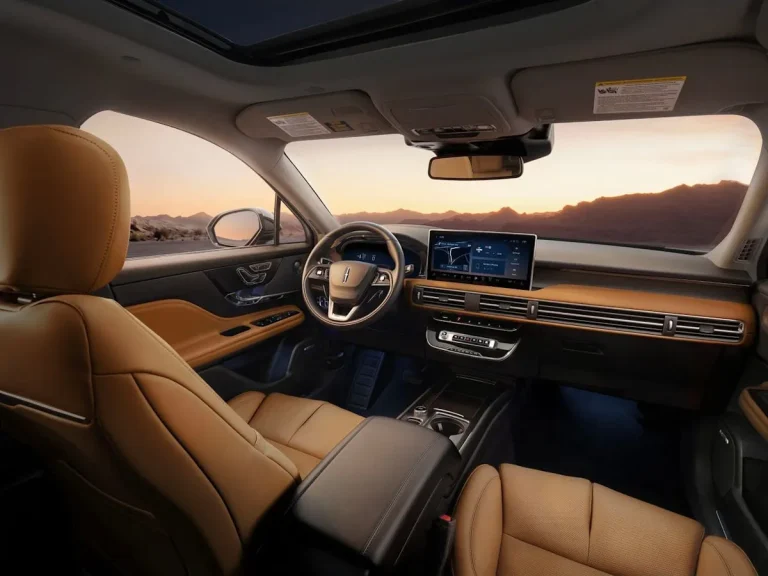
Step inside the 2026 Ford Explorer, and you’re greeted by an interior that represents a monumental leap forward in design, materials, and technology. The cabin is no longer just functional; it’s a premium, digitally integrated space designed for comfort and connectivity.
The dashboard features a clean, horizontally oriented design that emphasizes width and spaciousness. High-quality materials are used throughout, with soft-touch surfaces, genuine wood or aluminum accents (depending on trim), and available premium leather upholstery. Ford is also expected to incorporate more sustainable materials, such as recycled plastics and plant-based composites, in line with modern consumer expectations.
The centerpiece of the cabin is a massive, free-standing infotainment touchscreen, likely ranging from 13.2 inches on lower trims to a stunning 15.5 or even 17-inch vertical display on higher trims. This screen will run the next generation of Ford’s SYNC system (potentially SYNC 5 or 6), promising lightning-fast responsiveness, intuitive menus, and advanced voice recognition. Wireless Apple CarPlay and Android Auto will be standard, along with a full suite of connected services, including 5G connectivity and over-the-air (OTA) update capabilities.
Complementing the central display is a fully digital instrument cluster, customizable to show navigation, driver assistance information, and vehicle data in vivid detail. A large head-up display (HUD) will also be available, projecting critical information directly onto the windshield.
Seating comfort has been prioritized. The front seats are redesigned for enhanced support on long journeys, with available heating, ventilation, and massage functions. The second row offers generous legroom and can be configured with either a three-person bench seat or captain’s chairs for added comfort and easier third-row access. Speaking of the third row, while still best suited for children or smaller adults on long trips, it’s expected to offer improved legroom and easier ingress/egress thanks to wider door openings and a refined seat-folding mechanism. Thoughtful storage solutions, including redesigned center console storage and door pockets, abound throughout the cabin.
Noise, Vibration, and Harshness (NVH) levels are expected to be significantly reduced through enhanced sound deadening and acoustic glass, creating a whisper-quiet cabin environment even at highway speeds.
Ford Co-Pilot360+ and Advanced Features
The 2026 Explorer will undoubtedly feature the most comprehensive suite of driver-assistance technologies in its history. The latest iteration of Ford Co-Pilot360+ will be standard on most trims, encompassing:
- Enhanced Adaptive Cruise Control: With stop-and-go capability, lane centering, and predictive speed assist.
- Lane-Keeping System: With road edge detection.
- Pre-Collision Assist: With automatic emergency braking and pedestrian/cyclist detection.
- Blind Spot Information System (BLIS): With cross-traffic alert.
- Active Park Assist 2.0: Offering fully automated parallel and perpendicular parking.
Crucially, the 2026 Explorer is expected to offer BlueCruise, Ford’s hands-free highway driving system, as an available option or standard on higher trims. The system, likely in its 1.3 or 2.0 iteration, will offer expanded coverage on pre-mapped highways and potentially new features like lane change assist.
Other expected features include a 360-degree camera system, integrated dashcam functionality, a premium B&O sound system, multi-zone climate control, wireless charging pads, and an array of USB-C ports for all passengers.
Practicality & Versatility: The Explorer’s Enduring Strengths
Despite its technological advancements and premium appointments, the 2026 Explorer won’t forget its roots as a highly practical family hauler. Cargo space is expected to remain highly competitive, with clever storage solutions and a versatile seating arrangement. The second and third rows will fold flat, creating an expansive, easy-to-load cargo area for larger items. Underfloor storage compartments will offer discreet space for valuables.
Towing capacity will remain a key selling point, with the EcoBoost V6 and electrified powertrains offering competitive figures, likely ranging from 5,000 to 5,600 pounds when properly equipped. Ford’s Trailer Sway Control and available Pro Trailer Backup Assist will make towing less daunting for novices.
The Timberline trim, a recent success for the Explorer, is expected to return with even greater off-road prowess. Anticipate increased ground clearance, underbody skid plates, unique all-terrain tires, and recalibrated suspension for enhanced capability on rough trails, solidifying the Explorer’s adventurous spirit.
Trim Levels & Estimated Pricing
The 2026 Ford Explorer will likely continue with a familiar, well-established trim hierarchy, each offering a distinct personality and feature set:
- Base: Starts with essential features, but with a more modern interior and standard safety tech.
- XLT: Adds more convenience features, upgraded interior materials, and larger wheels.
- Limited: Introduces premium features like leather upholstery, larger infotainment screen, advanced climate control, and additional driver aids.
- ST-Line: Offers a sporty aesthetic with unique exterior styling, interior accents, and sport-tuned suspension, but with the 2.3L EcoBoost engine.
- Timberline: Focuses on off-road capability with unique styling, increased ground clearance, and all-terrain tires.
- ST: The performance variant, boasting the powerful 3.0L EcoBoost V6, sport suspension, larger brakes, and aggressive styling.
- Platinum: The pinnacle of luxury, featuring the most premium materials, advanced technology, unique exterior accents, and potentially the V6 EcoBoost as standard.
Estimated Pricing (MSRP, before destination charges):
- Explorer Base: $41,500 – $43,000
- Explorer XLT: $45,000 – $47,000
- Explorer Limited: $50,000 – $53,000
- Explorer ST-Line: $52,500 – $55,000
- Explorer Timberline: $53,000 – $56,000
- Explorer ST: $57,000 – $60,000
- Explorer Platinum: $61,000 – $65,000
- PHEV variants: Expect a premium of $3,000 – $6,000 over comparable gasoline trims.
- EV variant (if launched in 2026): Likely starting in the mid-$50,000s for a RWD model, scaling up significantly for AWD and higher trims.
These prices reflect the significant upgrades in technology, design, and powertrain options, positioning the Explorer competitively against its rivals, which have also seen price increases. Ford’s value proposition will hinge on its advanced tech, diverse powertrain options, and the enduring strength of the Explorer brand.
The Competition
The 2026 Explorer enters a fiercely contested arena. Its primary rivals will include:
- Kia Telluride/Hyundai Palisade: Known for their premium interiors, generous standard features, and value.
- Toyota Grand Highlander: A new contender focusing on immense interior space and hybrid efficiency.
- Honda Pilot: Renowned for its reliability and practicality.
- Chevrolet Traverse/Buick Enclave: GM’s large family crossovers.
- Mazda CX-90: A newer, more premium-oriented entry with inline-six and PHEV options.
The 2026 Ford Explorer aims to differentiate itself with its potent mix of traditional American ruggedness, cutting-edge technology (especially BlueCruise), a broader range of electrified powertrains, and a design that is both bold and sophisticated.
The Verdict: A Rebirth for the Trailblazer
The 2026 Ford Explorer is poised to be more than just another SUV. It represents a significant strategic move for Ford, a clear indication of its commitment to electrifying its core lineup while retaining the essence of what makes the Explorer so beloved. With a striking new design, a highly versatile and efficient powertrain lineup (including a strong emphasis on hybridization and a potential EV), a technologically advanced and premium interior, and an unwavering focus on practicality and safety, the new Explorer is equipped to tackle the challenges of a rapidly evolving automotive landscape.
This isn’t just an evolution; it’s a rebirth. The 2026 Ford Explorer promises to be a segment leader, a vehicle that doesn’t just meet expectations but sets new benchmarks for what a modern three-row family SUV can be. For families seeking a versatile, capable, and forward-thinking vehicle that honors its heritage while boldly embracing the future, the 2026 Explorer looks set to be the definitive choice. Get ready to explore the future, because the Explorer is leading the way once again.