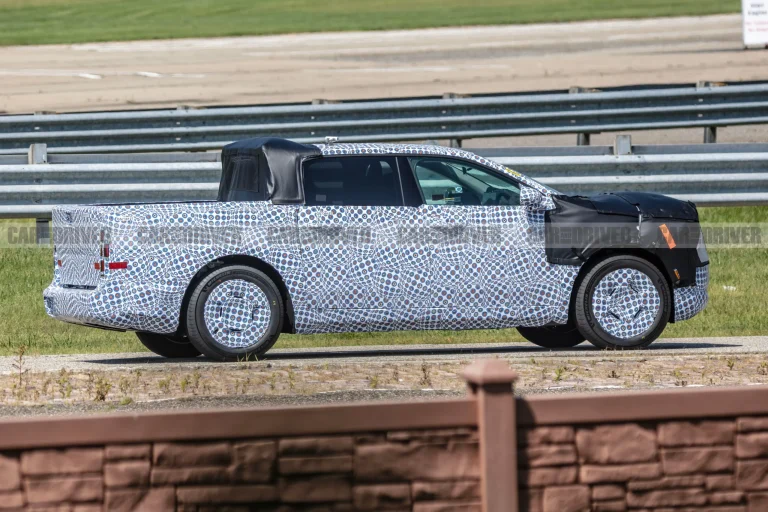
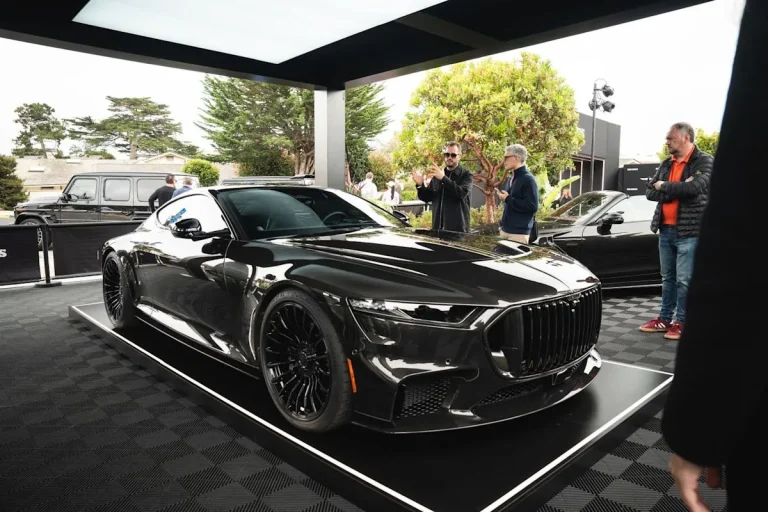
The Ford Mustang. A nameplate synonymous with American automotive passion, freedom, and raw power. For nearly six decades, it has captured the hearts of enthusiasts worldwide, evolving with the times while fiercely guarding its iconic identity. As the automotive landscape continues its rapid transformation, marked by electrification, advanced technology, and shifting consumer preferences, the gaze of the faithful inevitably turns to the horizon: What does the future hold for the stallion, particularly as we look towards the 2026 model year?
While a full-scale redesign of the Mustang typically occurs on a longer cycle, the 2026 model year is poised to build upon the foundation of the recently launched seventh-generation (S650) Mustang. Rather than a revolutionary overhaul, we anticipate a period of refinement, strategic enhancements, and perhaps the introduction of new special editions or powertrain options designed to keep the legend fresh and fiercely competitive. This article delves into what we can realistically expect from the 2026 Ford Mustang in terms of its release and potential evolution, followed by a comprehensive buying guide designed to equip prospective owners with all the knowledge they need to make an informed decision.
Part 1: The 2026 Ford Mustang – Anticipated Release and Evolution
Let’s address the elephant in the room first: a brand-new, eighth-generation Mustang is highly unlikely for the 2026 model year. The current S650 generation, which debuted for the 2024 model year, represents a significant investment and a substantial leap forward in design, technology, and performance. Ford typically maintains a generation for 6-8 years before launching a complete redesign. Therefore, 2026 will most probably fall within the mid-cycle refresh window for the S650, or simply be a continuation year with minor updates and trim adjustments.
Anticipated Release Timeline:
Given Ford’s usual production cycles, we can expect the 2026 Ford Mustang to be officially unveiled and begin its marketing push in late summer or early fall of 2025. Production would likely commence shortly thereafter, with vehicles arriving at dealerships by late 2025 or early 2026. This timing aligns with the automotive industry’s typical annual model year refresh schedule. Potential buyers should keep an eye on Ford’s official announcements, major auto shows, and automotive news outlets around that period for definitive details.
What to Expect from the 2026 Mustang (Evolution, Not Revolution):
While a ground-up redesign isn’t on the cards, Ford is adept at keeping its models compelling through strategic updates. Here’s what we can realistically anticipate for the 2026 Mustang:
-
Subtle Exterior Refinements:
- Front and Rear Fascias: Expect minor tweaks to the front grille, bumper designs, and possibly updated LED lighting signatures for both headlights and taillights. These changes are usually subtle but effective in giving the car a fresh appearance.
- New Wheel Designs: A fresh set of alloy wheel options is almost a given, ranging from standard sizes to larger, more aggressive performance wheels.
- New Color Palettes: Ford will likely introduce a couple of new exterior paint colors, while perhaps discontinuing some less popular ones, to keep the options exciting.
-
Interior Technology and Comfort Enhancements:
- Software Updates: The S650 already boasts a sophisticated dual-screen digital cockpit powered by Ford’s SYNC 4 system. For 2026, expect over-the-air (OTA) software updates to bring improved responsiveness, new features, enhanced voice commands, and potentially new graphic themes for the instrument cluster and infotainment screen.
- Advanced Driver-Assistance Systems (ADAS): While the current Mustang offers a robust suite of safety features, Ford might introduce enhancements to existing systems (e.g., improved adaptive cruise control, lane-keeping assist) or even debut new ones, keeping pace with evolving safety standards and competitor offerings.
- Material Upgrades: In higher trim levels or optional packages, there might be subtle improvements in interior materials, stitching, or trim accents to elevate the cabin’s premium feel.
- Connectivity: Further integration with smart home devices or expanded app functionality could be on the horizon.
-
Powertrain Refinements and Potential Additions:
- EcoBoost and GT Engines: The 2.3L EcoBoost four-cylinder and the 5.0L Coyote V8 are expected to continue as the core engine offerings. Ford might implement minor tuning adjustments for slightly improved fuel efficiency or negligible power bumps, often achieved through software optimization rather than significant hardware changes.
- Dark Horse Dominance: The track-focused Dark Horse, with its naturally aspirated 5.0L V8, will likely remain the performance flagship. Any changes would probably focus on track-oriented components, like suspension tuning or brake refinements, rather than engine output.
- The Hybrid Question: This is where speculation truly begins. Ford has committed to electrification, and while the Mustang Mach-E is its EV SUV, a hybrid powertrain for the core Mustang coupe/convertible has been rumored for years. A mild-hybrid (MHEV) system, which uses an electric motor to assist the gasoline engine and improve efficiency/torque fill, could be introduced for 2026, possibly as an option for the GT or a new performance variant. A full-hybrid (PHEV) is less likely for this timeframe but not impossible. This would be the most significant potential powertrain update.
- Transmission Choices: The 10-speed automatic and 6-speed manual transmissions are expected to carry over, beloved by many enthusiasts.
-
Special Editions and Performance Packages:
- Ford has a rich history of special edition Mustangs (Mach 1, Bullitt, Shelby variants). For 2026, we could see the return of a beloved nameplate or the introduction of a new, limited-run performance package designed to commemorate an anniversary or simply inject fresh excitement into the lineup. These often feature unique styling, suspension tuning, and exclusive badging.
-
Pricing Adjustments:
- As with any new model year, expect a modest price increase across all trim levels to account for inflation, new features, and ongoing production costs.
In essence, the 2026 Ford Mustang will likely represent the refined evolution of a modern classic. It will continue to deliver the compelling blend of heritage, performance, and everyday usability that defines the brand, while subtly pushing the envelope in technology and potentially, powertrain efficiency.
Part 2: Your Ultimate Buying Guide for the 2026 Ford Mustang
Purchasing a new car, especially one as iconic as the Mustang, is a significant decision. A well-informed buyer is a happy buyer. This comprehensive guide will walk you through every step of the process, from initial research to driving your new pony home.
1. Define Your Mustang Dream (Needs vs. Wants):
Before you even glance at a price tag, clarify what you need and want from your Mustang:
- Purpose: Is it a daily driver, a weekend toy, a track monster, or a show car? This will dictate trim level, engine choice, and options.
- Body Style: Coupe (fastback) or Convertible? The convertible offers open-air exhilaration, while the coupe generally provides better structural rigidity and a slightly lower price point.
- Transmission: Are you a purist who demands a 6-speed manual, or do you prefer the convenience and speed of the 10-speed automatic?
- Performance Level: Do you crave the raw power of the Coyote V8, or is the efficient yet potent EcoBoost more suitable for your needs and budget? The Dark Horse is for dedicated performance enthusiasts.
- Budget: Be realistic about what you can afford, not just for the purchase price, but for ongoing costs like insurance, fuel, and maintenance.
2. Research, Research, Research:
- Official Ford Resources: Once available, pore over Ford’s official website, brochures, and press releases for the 2026 Mustang.
- Automotive Reviews: Read reviews from reputable automotive journalists (e.g., Car and Driver, MotorTrend, Edmunds). They provide expert opinions on performance, handling, interior quality, and overall value.
- Owner Forums and Social Media: Engage with current Mustang owners. Their real-world experiences can offer invaluable insights into reliability, common issues (if any), and the ownership experience.
- Competitor Comparison: While the Mustang has a unique appeal, it’s wise to compare it against its rivals. Consider the Chevrolet Camaro (if still produced), Nissan Z, Toyota Supra, and even some entry-level luxury sports coupes. Understand their strengths and weaknesses relative to the Mustang.
3. Budgeting – Beyond the Sticker Price:
Your budget needs to encompass more than just the Manufacturer’s Suggested Retail Price (MSRP).
- MSRP: This is the starting point. It varies significantly by trim level and optional packages.
- Destination/Delivery Fee: A non-negotiable charge from the manufacturer to transport the vehicle to the dealership.
- Taxes and Fees: Sales tax (varies by state), registration fees, license plate fees, and document fees charged by the dealership.
- Insurance: Get multiple quotes before you buy. Mustang insurance can be higher due to its performance nature and demographic. Factors influencing cost include your age, driving record, location, and the specific trim level (e.g., a Dark Horse will be pricier to insure than an EcoBoost).
- Fuel Costs: Consider the fuel type (premium recommended for performance, but not always required for EcoBoost) and consumption.
- Maintenance: Factor in routine service (oil changes, tire rotations) and potential future repairs.
- Modifications (If Applicable): If you plan to personalize your Mustang, budget for aftermarket parts and installation.
4. Choosing Your Trim Level (Based on S650, Anticipating 2026):
Ford typically offers a range of trims, each catering to different preferences and budgets.
- EcoBoost (Base/Premium):
- Engine: 2.3L Turbocharged Inline-4.
- Focus: Excellent balance of performance, fuel efficiency, and affordability. Still offers spirited driving.
- Ideal For: Daily drivers, those new to performance cars, budget-conscious buyers who still want the Mustang experience. The Premium adds more creature comforts and tech.
- GT (Base/Premium):
- Engine: 5.0L Naturally Aspirated Coyote V8.
- Focus: The quintessential Mustang experience. Raw V8 power, exhilarating sound, and a strong performance pedigree.
- Ideal For: Enthusiasts who demand V8 power, those seeking a traditional muscle car experience. The Premium adds luxury and tech features.
- Dark Horse:
- Engine: Specially tuned 5.0L Naturally Aspirated Coyote V8.
- Focus: Track-ready performance. Enhanced cooling, suspension, brakes, aerodynamics, and unique styling.
- Ideal For: Dedicated track enthusiasts, collectors, those who want the ultimate street-legal performance Mustang.
- Potential 2026 Special Editions/Hybrid: Keep an eye out for potential new offerings that might slot in between GT and Dark Horse, or offer a unique blend of performance and efficiency.
5. Options and Packages – Personalizing Your Pony:
Ford offers numerous standalone options and bundled packages to customize your Mustang.
- Performance Packages: Often include upgraded brakes, suspension, tires, limited-slip differential, and unique styling cues. Essential for track use or spirited driving.
- Technology Packages: May add advanced infotainment features, premium audio systems (B&O is common), enhanced driver-assist features, and larger digital displays.
- Interior Upgrades: Leather seating, heated/ventilated seats, unique trim accents, different steering wheel options.
- Exterior Aesthetics: Spoilers, hood scoops, unique stripes, blackout packages, specific wheel designs.
- Active Exhaust: A highly recommended option for V8 models, allowing you to control the exhaust note from quiet to a roaring track mode.
6. The Purchase Process – Dealership vs. Ordering:
- Dealership Stock: If you find a Mustang on the lot that matches your desired specifications, you can drive it home quickly. However, options might be limited, and negotiation could be more straightforward.
- Factory Order: If you have specific options, colors, or packages in mind that aren’t available, ordering directly from the factory is your best bet. This allows for complete customization but involves a waiting period (typically 8-16 weeks, but can vary).
7. Negotiation Strategies:
- Know Your Value: Research the invoice price (what the dealer paid for the car) and the average selling price in your area using resources like Kelley Blue Book or Edmunds.
- Get Quotes: Contact multiple dealerships (via email or phone) to get competing quotes. This creates leverage.
- Separate Trade-In: Negotiate the price of the new Mustang first, then discuss your trade-in. Combining them can make it harder to see where you’re getting a good deal.
- Beware of Add-ons: Decline unnecessary extras like paint protection, fabric protection, or extended warranties until you’ve done your research and decided if they’re truly valuable to you.
- Be Prepared to Walk Away: This is your most powerful negotiating tool. If the deal isn’t right, be ready to leave.
8. Financing vs. Leasing:
- Financing (Loan):
- Pros: You own the car outright once payments are complete, no mileage restrictions, you can customize it freely.
- Cons: Higher monthly payments, depreciation is your responsibility.
- Tips: Shop around for the best interest rates (banks, credit unions often beat dealership rates). Get pre-approved before going to the dealership.
- Leasing:
- Pros: Lower monthly payments, drive a new car every few years, often includes warranty coverage for the entire term, potential tax benefits for businesses.
- Cons: Mileage limits (overage fees can be costly), no equity built, can’t customize the car without potential penalties, fees for excessive wear and tear at lease end.
- Tips: Understand the residual value (what the car is estimated to be worth at lease end) and money factor (lease equivalent of an interest rate).
9. The All-Important Test Drive:
Do not skip this step!
- Drive Multiple Trims: If possible, test drive both the EcoBoost and GT (or Dark Horse if available) to feel the difference in power delivery and handling.
- Vary Driving Conditions: Drive on city streets, highways, and if safe and legal, some winding roads to assess handling.
- Check Ergonomics: Ensure you’re comfortable with the seating position, visibility, and control placement.
- Test Technology: Play with the infotainment system, connect your phone, and test driver-assist features.
- Listen: Pay attention to engine noise, exhaust note (especially for the V8), road noise, and any unusual sounds.
- Parking: Practice parking to get a feel for its size and maneuverability.
10. After the Purchase – Ownership Experience:
- Maintenance Schedule: Adhere to Ford’s recommended maintenance schedule to keep your Mustang running optimally and preserve its warranty.
- Warranty: Understand what your factory warranty covers (bumper-to-bumper, powertrain) and for how long.
- Documentation: Keep all purchase agreements, financing documents, and maintenance records organized.
- Enjoy! The Mustang is designed to be driven and enjoyed. Join owner groups, attend car shows, and embrace the spirit of Mustang ownership.
The 2026 Ford Mustang, while not expected to reinvent the wheel, will undoubtedly continue its legacy as an American icon. By understanding its likely evolution and meticulously navigating the buying process, you can ensure that your journey into Mustang ownership is as thrilling and satisfying as the car itself. Get ready to feel the roar and embrace the legend.