SpeedSUVs.com — President Donald Trump has granted official presidential pardons to nine diesel mechanics and tuners who were convicted of violating the federal Clean Air Act. The individuals had faced millions of dollars in cumulative fines and potential jail time for modifying, bypassing, or removing legally mandated emissions control systems on heavy-duty diesel engines. This latest round of executive clemency signals a significant shift in how the federal government enforces environmental protections on automotive emissions.
The nine mechanics and tuners pardoned on Friday join another Wyoming-based diesel mechanic who had his felony conviction wiped clean by a presidential pardon in November. That previous case involved hundreds of emissions control deletions, setting a precedent for the administration’s lenient stance on aftermarket diesel modifications. The move comes amid a broader, systemic pattern by the current administration to roll back or pause environmental regulations established under previous leadership.
The Conflict Over Diesel Emissions Controls
In heavy-duty diesel applications, modern emissions regulations require complex systems to reduce harmful pollutants. These include diesel particulate filters (DPFs), exhaust gas recirculation (EGR) systems, and selective catalytic reduction (SCR) systems that utilize diesel exhaust fluid (DEF). While these components are essential for maintaining air quality, they also introduce added operational costs, require regular maintenance, and can occasionally limit the maximum power output of the engines.
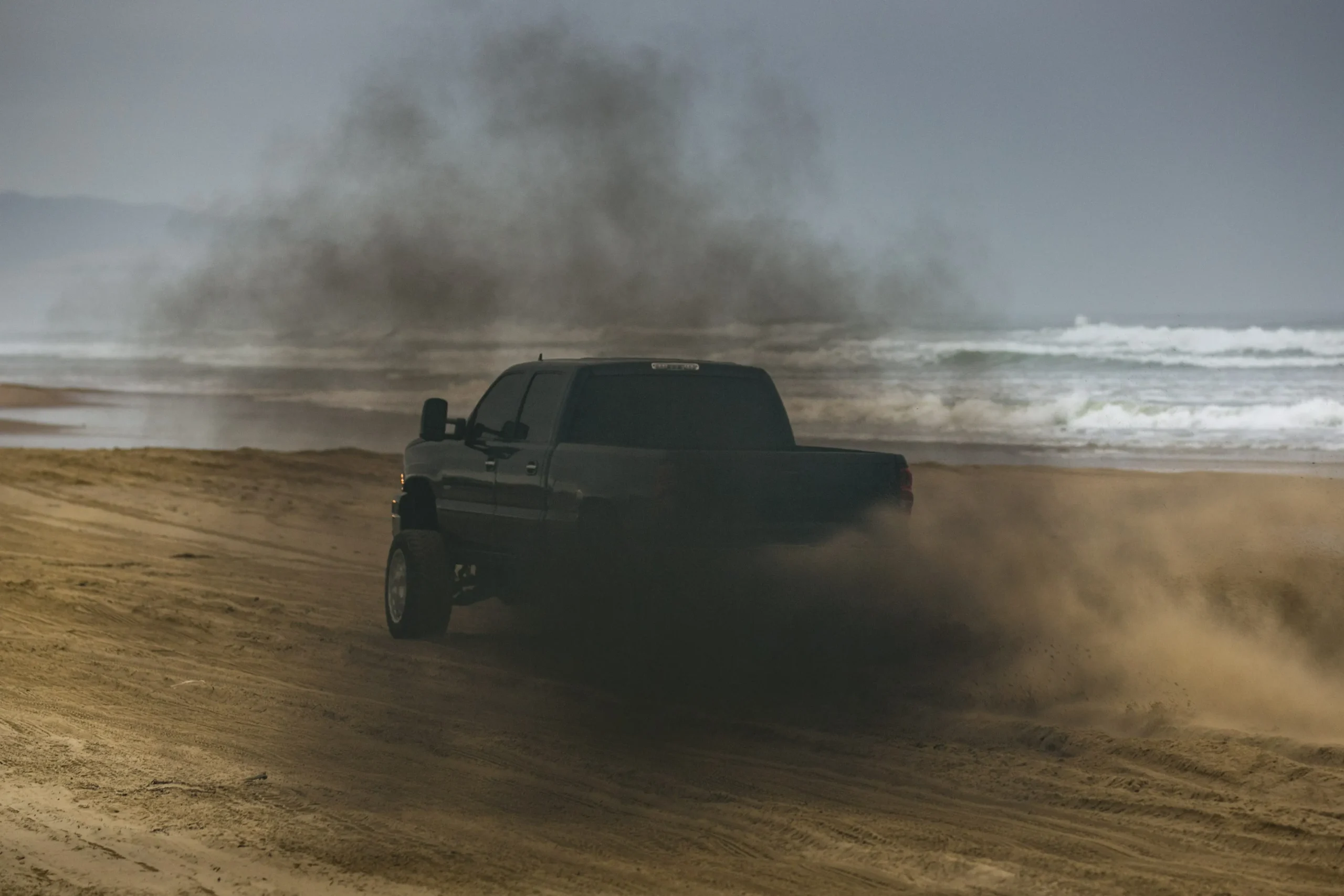
To bypass these limitations, some truck owners and mechanics perform “emissions deletions.” By installing physical hardware bypasses or flashing modified engine control software—collectively known as defeat devices—operators can eliminate the pollution-reducing systems. This process frees up hauling power and reduces maintenance costs, but it also releases significantly higher levels of soot and nitrogen oxides into the atmosphere. While tampering with these systems has long been illegal under federal law, many operators have deemed the performance and financial benefits worth the legal risks.
A History of the Clean Air Act and EPA Enforcement
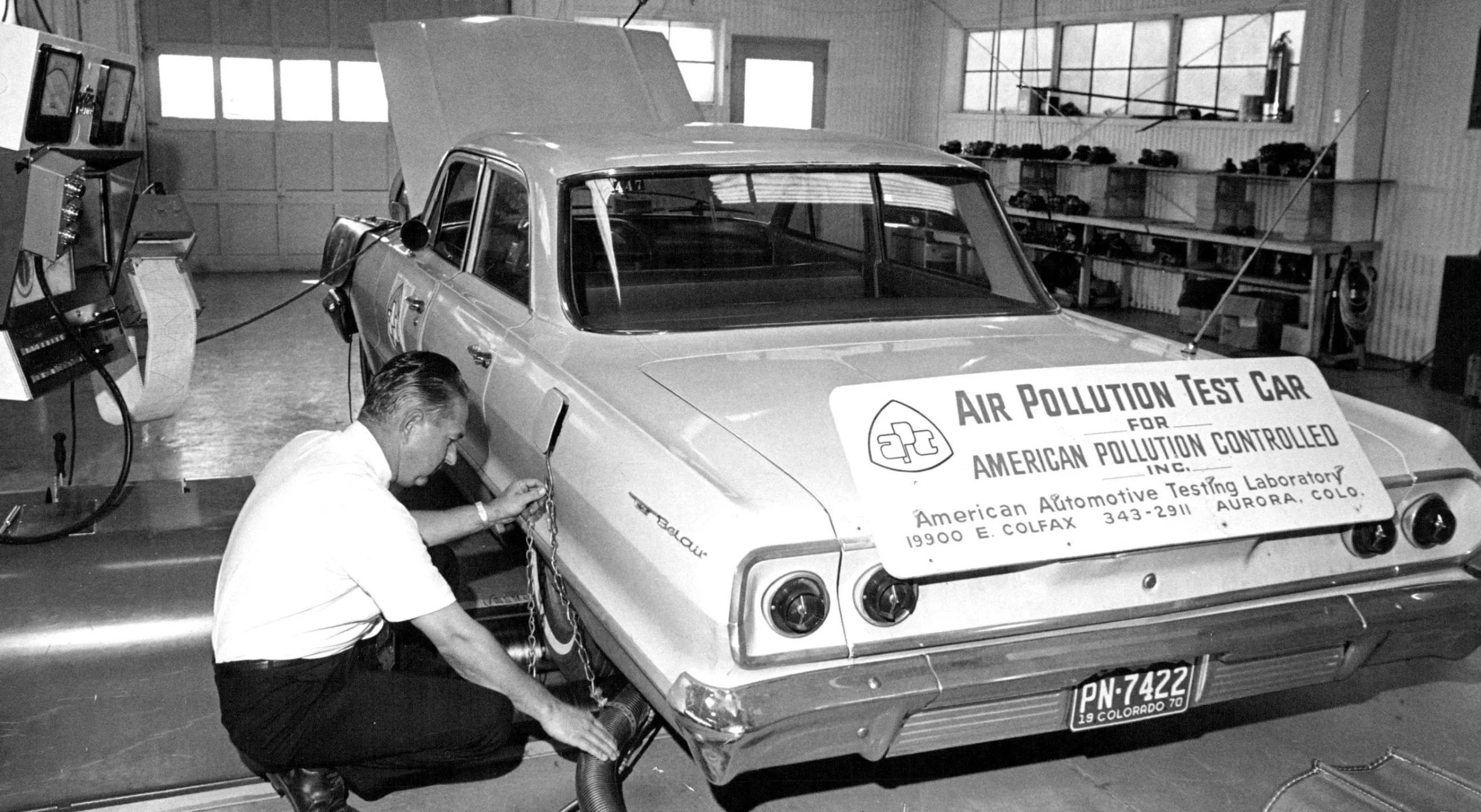
The legislative foundation of these regulations dates back to the Clean Air Act of 1963. However, it was the sweeping amendments of 1970 that carried the most significant impact for the automotive industry. It was during this period that President Richard Nixon established the U.S. Environmental Protection Agency (EPA) to oversee and enforce national air quality standards.
The introduction of early emissions control systems, often referred to as “smog equipment” in the 1970s, was met with heavy resistance from automotive enthusiasts. Following the high-horsepower era of the 1960s, early emissions-compliant vehicles suffered from severely choked performance. For instance, the Chevrolet Corvette of the mid-1970s saw its output plummet to a mere 180 horsepower. Over time, however, automotive technology advanced to meet federal requirements without sacrificing power. Modern high-performance vehicles, such as the hybrid Corvette ZR1 with over 1,200 horsepower, demonstrate that manufacturers can successfully balance extreme performance with stringent environmental standards.
A Shift in Federal Regulatory Priorities
Under the previous Biden administration, the EPA maintained a highly active and robust prosecution campaign against the creators, sellers, and installers of emissions defeat devices. The agency’s legal teams pursued aggressive litigation, targeting both large-scale manufacturers of deletion software and individual tuning shops that performed physical modifications. This crack-down aimed to deter the widespread circumvention of the Clean Air Act.
This aggressive enforcement strategy is expected to change under the current administration. Newly appointed EPA Administrator Lee Zeldin has already voiced support for several regulatory rollbacks. Among these proposals is the elimination of “limp mode” for diesel trucks—a safety software feature that restricts engine power when a vehicle runs low on diesel exhaust fluid. Additionally, the EPA has announced intentions to eliminate mandatory automatic engine start-stop systems in passenger cars, further indicating a shift away from strict fuel-efficiency and emissions mandates.
Future Implications for Vehicle Emissions
While major automotive manufacturers must still comply with the Clean Air Act when building and selling new vehicles, the enforcement of these laws on individual owners and aftermarket tuners appears to be on hold. Without the threat of severe legal consequences, more truck owners and operators may choose to remove emissions controls to avoid maintenance hassles. For now, the legal penalties associated with defeating emissions systems are effectively paused, marking a new chapter in the ongoing tension between environmental policy and automotive modification.