The automotive landscape is undergoing a seismic shift, with electric vehicles (EVs) moving from niche status to mainstream contenders. As we look towards 2026, the competition in the luxury EV SUV segment is set to intensify, with established players and ambitious newcomers vying for supremacy. At the heart of this electrifying battle stands the BMW iX, a vehicle that has already redefined what a BMW EV can be. But as the market matures and consumer expectations evolve, the question becomes sharper: will the 2026 BMW iX truly represent the "best electric vehicle for the money" when pitted against its formidable rivals?
This comprehensive article delves into the anticipated features and advancements of the 2026 BMW iX, meticulously compares it against its key competitors, and analyzes the critical factors that define "value" in the rapidly accelerating world of electric mobility.
The 2026 BMW iX: Anticipating Evolution and Excellence
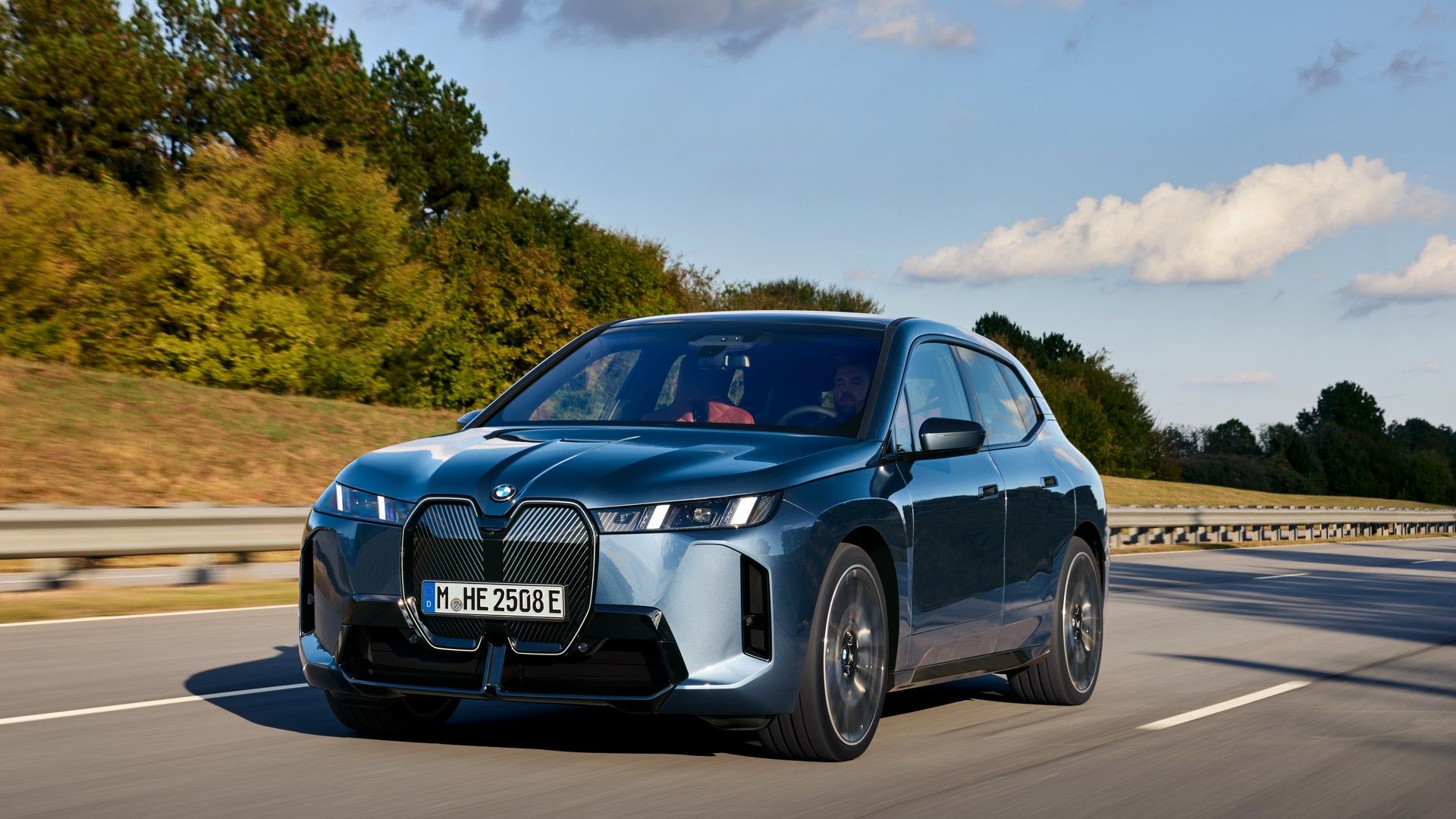
BMW’s iX, first introduced as a groundbreaking vision for the brand’s electric future, is expected to mature significantly by 2026. While specific details for a future model year are speculative, we can project a trajectory of continuous improvement, building on its already impressive foundation.
Design and Aesthetics: The iX’s polarizing but distinctive design is likely to receive subtle refinements rather than a complete overhaul. Expect a more streamlined kidney grille, potentially with integrated lighting elements, and aerodynamically optimized bodywork. The "Shy Tech" approach, where technology seamlessly integrates into the design without being overtly visible, will undoubtedly be further refined. Inside, the spacious and minimalist cabin, dominated by the curved display, will likely see even higher-quality sustainable materials and enhanced ambient lighting. Haptic feedback controls and potentially larger, more intuitive displays could also be on the cards.
Performance and Powertrain: The current iX offers compelling performance with models like the iX xDrive50 and the high-performance iX M60. By 2026, we can anticipate further gains in both efficiency and power.
- Increased Range: Battery technology is advancing rapidly. The 2026 iX is expected to offer a more energy-dense battery pack, pushing its EPA-estimated range well beyond the current 300-320 miles, potentially nearing 350-400 miles on a single charge for its mid-range variants.
- Faster Charging: BMW will undoubtedly keep pace with or lead advancements in charging speeds. Expect support for even higher DC fast-charging rates, potentially allowing for 10-80% charge in under 20 minutes, leveraging improved thermal management and battery chemistry.
- Enhanced Performance: Even the base models might see slight power bumps, while a potential 2026 iX M70 or similar high-performance variant could push horsepower figures well into the 600-700 range, offering blistering acceleration times under 3.5 seconds for 0-60 mph.
Technology and Infotainment: BMW’s iDrive 8 (or a subsequent iteration, iDrive 9 or 10) will be at the core of the iX’s digital experience. By 2026, this system will be even more intuitive, responsive, and deeply integrated with cloud services and over-the-air (OTA) updates.
- Advanced Driver-Assistance Systems (ADAS): Level 3 autonomous driving capabilities, allowing for hands-off driving in specific conditions, are a strong possibility. Expect highly sophisticated highway assist, automated lane changes, and enhanced parking assistance features to be standard or widely available.
- Augmented Reality: The integration of augmented reality into navigation and head-up displays (HUD) will likely become more prevalent, offering real-time directional overlays and hazard warnings directly onto the driver’s view.
- Connectivity: 5G connectivity will be standard, enabling seamless streaming, faster updates, and more robust vehicle-to-everything (V2X) communication, enhancing safety and traffic flow.
Driving Dynamics: BMW’s commitment to "the ultimate driving machine" will remain paramount. The iX’s carbon-fiber reinforced plastic (CFRP) "Carbon Cage" construction and low center of gravity already contribute to its agile handling despite its size. By 2026, adaptive air suspension, rear-wheel steering, and advanced torque vectoring systems will likely be further refined, offering an even more sublime balance of comfort and dynamic prowess.
Anticipated Pricing: While impossible to pinpoint, the 2026 iX will likely maintain a premium price point, reflecting its luxury positioning and advanced technology. The current iX xDrive50 starts in the low to mid-$80,000s, with the M60 pushing into the low six figures. We can expect similar starting points, with potential for slight increases due to inflation and added standard features. However, the "value for money" proposition will hinge on how much more standard equipment and capability are included at that price.
Defining "Best Electric Vehicle for the Money"
"Best for the money" isn’t simply about the lowest sticker price. For a luxury EV like the iX, it encompasses a broader range of factors:
- Initial Purchase Price vs. Standard Features: How much advanced technology, luxury amenities, performance, and range are included at the base price, compared to competitors?
- Total Cost of Ownership (TCO): This includes energy costs (charging), insurance, maintenance (typically lower for EVs), potential depreciation, and government incentives.
- Resale Value: A vehicle that holds its value well mitigates the overall cost of ownership.
- Brand Experience and Support: The quality of the dealer network, warranty, customer service, and access to charging infrastructure (like BMW’s partnerships) contribute to the overall value.
- Innovation and Future-Proofing: Does the vehicle offer cutting-edge technology that won’t feel outdated quickly? Is its architecture capable of future OTA updates and enhancements?
- Subjective Value: The emotional connection, driving pleasure, interior ambiance, and perceived prestige are also part of the value equation for luxury buyers.
The Competition: A Head-to-Head Battle for Value
To truly assess the 2026 BMW iX’s value proposition, we must compare it against its most formidable rivals in the luxury electric SUV segment.
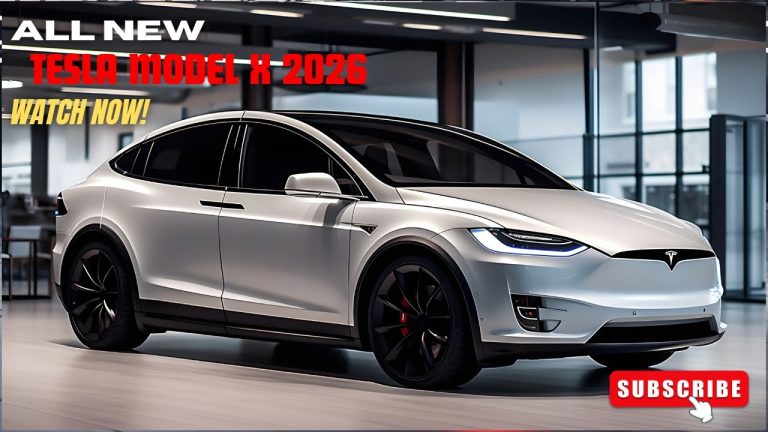
1. Tesla Model X (Plaid & Long Range)
- Strengths: Unmatched acceleration (Plaid), extensive Supercharger network, minimalist interior design, large infotainment screen, proven EV technology, optional seven-seat configuration.
- Weaknesses: Build quality can be inconsistent, unconventional yoke steering wheel (for some), reliance on touchscreen for most controls, aging exterior design compared to newer rivals.
- Value Proposition: Tesla offers incredible performance and a mature charging infrastructure. The Model X’s value often comes from its groundbreaking tech and efficiency, but its premium price for the Plaid variant can be high. By 2026, its design might feel even more dated, potentially impacting its "modern luxury" value compared to the iX. However, its efficiency and potentially lower maintenance costs could bolster its TCO.
2. Audi Q8 e-tron / SQ8 e-tron
- Strengths: Traditional luxury interior, refined ride quality, excellent build quality, intuitive MMI infotainment system, strong brand reputation for design and engineering.
- Weaknesses: Less range than some rivals, not as performance-oriented as the iX M60 or Model X Plaid, slower charging speeds compared to 800V architectures, conservative styling.
- Value Proposition: The Q8 e-tron appeals to buyers who prioritize classic luxury, comfort, and a conventional driving experience. Its value is in its predictable reliability and high-quality interior. By 2026, Audi might introduce a more radical e-tron with 800V architecture to compete directly with the iX’s charging speeds and range, making it a stronger contender for overall value, especially if its pricing remains competitive.
3. Mercedes-Benz EQE SUV / EQS SUV
- Strengths: Unparalleled interior comfort and serenity, optional "Hyperscreen" display, advanced MBUX infotainment, smooth ride, iconic Mercedes-Benz luxury. The EQS SUV offers even more space and range.
- Weaknesses: EQE SUV’s styling can be somewhat generic or "blob-like" for some, not as sporty as the iX, potentially higher price point for comparable features, Hyperscreen can be distracting.
- Value Proposition: Mercedes-Benz defines luxury and comfort. The EQE/EQS SUV’s value is in its serene cabin, advanced comfort features, and the prestige of the three-pointed star. If the 2026 iX emphasizes driving dynamics, the EQE SUV counters with ultimate passenger comfort. Its TCO might be higher due to potentially pricier parts and maintenance, but its strong brand appeal often translates to decent resale.
4. Porsche Macan EV (Potentially relevant depending on size/price overlap)
- Strengths: True sports car handling in an SUV body, exceptional driving dynamics, premium interior materials, 800V architecture for ultra-fast charging, strong brand prestige.
- Weaknesses: Smaller than the iX, likely higher starting price for comparable range/features, potentially less passenger/cargo space, may prioritize performance over outright range for some variants.
- Value Proposition: The Macan EV is for the driving enthusiast who wants an EV SUV that still feels like a Porsche. Its value is in its unparalleled driving experience and brand cachet. While likely more expensive, its expected high resale value and driving pleasure could justify the cost for its target audience. It might not be a direct size competitor, but for those cross-shopping performance luxury EVs, it’s a strong consideration.
5. Cadillac Lyriq
- Strengths: Striking, futuristic design, large 33-inch curved display, competitive pricing, impressive standard features, comfortable ride, advanced Super Cruise hands-free driving system.
- Weaknesses: Not as performance-oriented as the iX M60, less established EV charging network compared to Tesla, Cadillac’s luxury EV reputation is still building.
- Value Proposition: The Lyriq offers incredible value, especially in its price-to-features ratio. It brings bold American luxury and advanced tech at a more accessible price point than many European rivals. If "for the money" leans towards getting the most features and design for less, the Lyriq is a serious contender. Its TCO could be competitive, especially if GM’s Ultium platform proves reliable and efficient.
6. Polestar 3 / Volvo EX90
- Strengths: Scandinavian minimalist design, strong emphasis on safety (Lidar integration likely standard for EX90), sustainable materials, impressive range, Google Android Automotive OS.
- Weaknesses: Brand recognition still growing (Polestar), potentially less "sporty" driving dynamics than BMW, more subdued design compared to iX.
- Value Proposition: These vehicles represent a strong value proposition for those who prioritize safety, sustainable luxury, and cutting-edge software integration. They offer a refined experience without the ostentation, often at a competitive price for the technology offered. The EX90, in particular, with its three-row capability and advanced safety suite, could offer a unique value angle compared to the two-row iX.
The Verdict: Is the 2026 BMW iX the Best EV for the Money?
The question of "best electric vehicle for the money" is inherently subjective, depending heavily on individual priorities. However, we can draw some conclusions:
- For the Driving Enthusiast: The 2026 BMW iX, especially in its higher-performance variants, will likely remain a top choice. Its blend of luxury, cutting-edge technology, and BMW’s renowned driving dynamics makes it incredibly compelling. For those who value driver engagement alongside premium comfort, the iX offers a package that few can match.
- For the Tech-Forward Buyer: The iX’s "Shy Tech" and anticipated advancements in iDrive and ADAS will keep it at the forefront. However, Tesla still holds an edge in raw charging network access and some aspects of autonomy (though others are catching up).
- For Uncompromising Luxury and Comfort: The Mercedes-Benz EQE/EQS SUV will likely continue to offer a more serene and traditionally luxurious experience, potentially at a higher cost.
- For Value and Distinctive Style: The Cadillac Lyriq offers a strong argument for "most bang for your buck" with its bold design and comprehensive feature set at a more aggressive price point.
- For Subtle Luxury and Safety: The Polestar 3 and Volvo EX90 will appeal to those seeking sophisticated design, robust safety, and sustainable credentials.
- For Traditional Refinement: The Audi Q8 e-tron will continue to serve those who prefer a more conventional, high-quality luxury experience.
The 2026 BMW iX’s strongest argument for being the "best electric vehicle for the money" will lie in its holistic balance. It doesn’t just excel in one area; it aims to deliver a comprehensive package of performance, luxury, advanced technology, brand prestige, and increasingly competitive range and charging speeds. Its construction, anticipated improvements in battery tech, and BMW’s robust dealer network contribute to a strong TCO and resale value.
In essence, the 2026 BMW iX is poised to be an exceptional value for buyers who prioritize a sophisticated, driver-focused luxury electric SUV that doesn’t compromise on technology or premium feel. While other competitors might offer more extreme performance, greater comfort, or a lower entry price, the iX’s anticipated blend of all these attributes, wrapped in a distinctive BMW package, will make it an incredibly strong contender for the title of "best electric vehicle for the money" in the luxury segment. It represents an investment in a cutting-edge, enjoyable, and sustainable driving future.