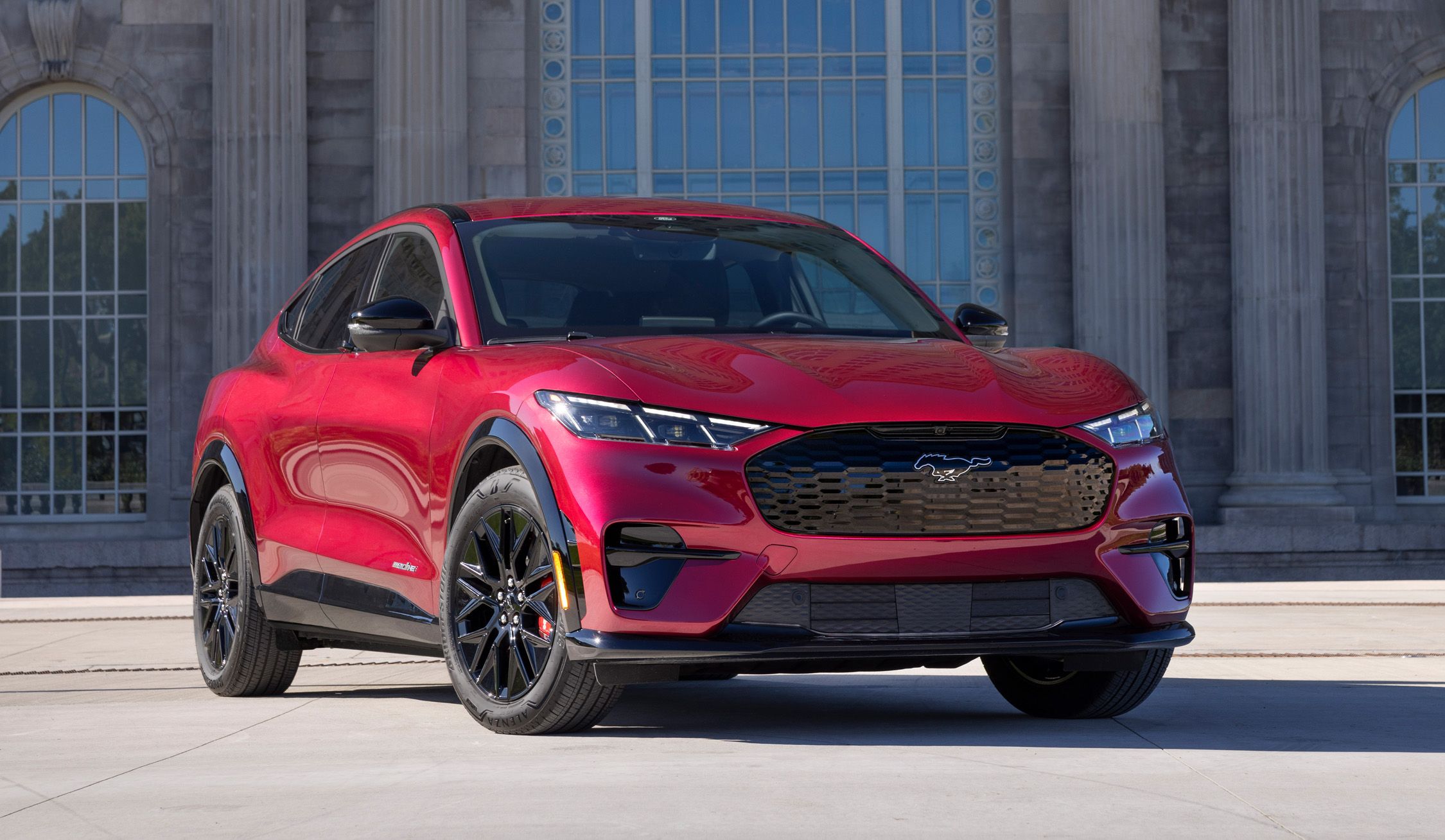
The electric vehicle (EV) revolution is accelerating at an unprecedented pace, transforming the automotive landscape with each passing year. As we look towards 2026, the market is poised to be more competitive than ever, especially in the burgeoning electric SUV segment. Ford’s bold entry, the Mustang Mach-E, has carved out a significant niche since its introduction, blending iconic Mustang styling cues with modern EV performance and practicality. But as new rivals emerge and established players evolve, a critical question arises: Will the 2026 Ford Mustang Mach-E still represent the best electric vehicle for the money?
This comprehensive article dives deep into the anticipated features of the 2026 Mach-E, dissects what "best value" truly means in the EV space, and pits Ford’s electrified pony against its most formidable competitors. We’ll explore price, range, performance, technology, ownership costs, and more to help prospective buyers make an informed decision.
The 2026 Ford Mustang Mach-E: Anticipated Enhancements and Core Strengths
By 2026, the Mach-E will have matured significantly since its 2021 debut. While radical redesigns are unlikely, expect a refined package building on its established strengths. Ford’s strategy typically involves incremental improvements in battery technology, software, and subtle design tweaks to keep its models fresh.
Key Strengths of the Mach-E (expected to continue into 2026):
- Distinctive Styling: Its unique blend of Mustang heritage and SUV practicality sets it apart from many utilitarian EVs.
- Engaging Driving Dynamics: Ford has always emphasized driving pleasure, and the Mach-E, particularly in GT trims, delivers brisk acceleration and confident handling.
- Intuitive Technology: The large, portrait-oriented infotainment screen running Ford’s SYNC 4A system is generally well-regarded for its responsiveness and feature set. Ford’s BlueCruise hands-free driving system is also a significant differentiator.
- Practicality: A spacious cabin for five, decent cargo capacity, and a useful frunk (front trunk) make it a capable family vehicle.
- Ford’s Dealer Network: Access to a vast established dealer network for sales and service remains a comforting factor for many buyers, contrasting with direct-to-consumer brands.
Anticipated 2026 Enhancements:
- Improved Battery Chemistry and Range: Expect incremental gains in range across all trims, potentially pushing the top-tier models closer to or exceeding 320-330 miles on a single charge. More efficient battery packaging could also slightly increase interior space or reduce weight.
- Faster Charging Speeds: While already competitive, Ford will likely push for faster DC fast charging capabilities to keep pace with rivals, potentially achieving 10-80% charge times under 25-30 minutes on suitable chargers.
- Software Refinements: Continued over-the-air (OTA) updates will enhance BlueCruise capabilities, infotainment features, and overall vehicle performance.
- Subtle Design Updates: Minor exterior and interior refreshes (new wheel designs, updated color palettes, tweaked trim materials) will likely keep the Mach-E’s aesthetic appealing.
- Potential for New Performance Variants: Ford might introduce even more potent GT variants or specialized off-road packages to broaden its appeal.
Defining "Best Electric Vehicle for the Money"
"Best for the money" is subjective, but in the context of EVs, it transcends the initial sticker price. A holistic view includes:
- Initial Purchase Price: The MSRP of the vehicle, including any desirable packages.
- Government Incentives: Eligibility for federal tax credits ($7,500 in the US, subject to change), state rebates, and local incentives.
- Range and Charging Infrastructure: How far it goes on a charge and the speed/convenience of recharging, which impacts daily usability and potential "range anxiety."
- Performance and Driving Experience: Acceleration, handling, ride comfort, and overall driving enjoyment.
- Interior Quality, Technology, and Comfort: Materials, infotainment system, driver-assistance features, seating comfort, and cabin noise.
- Safety Features: Standard and available advanced driver-assistance systems (ADAS) and crash test ratings.
- Reliability and Maintenance: Projected long-term reliability, warranty coverage, and the typically lower maintenance costs of EVs.
- Resale Value: How well the vehicle holds its value over time.
- Cost of Ownership: Insurance, electricity costs, tires, and other consumables.
The Contenders: Key Rivals to the 2026 Mach-E
By 2026, the electric SUV segment will be crowded with compelling options. Here are the Mach-E’s most significant adversaries:
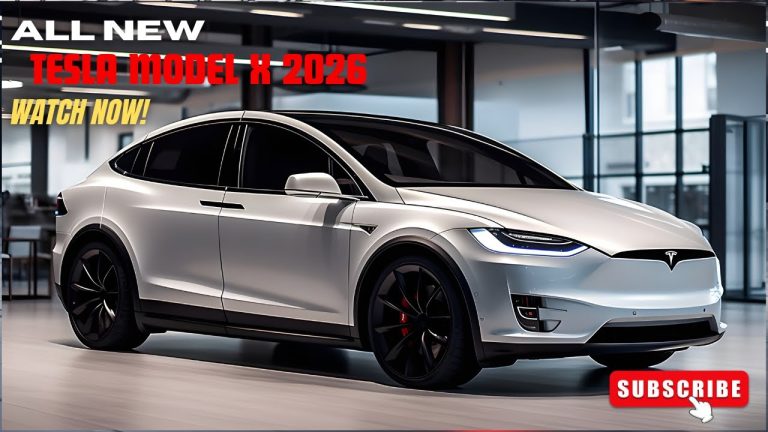
- Tesla Model Y: The perennial benchmark. Known for its extensive Supercharger network, strong performance, minimalist interior, and advanced software.
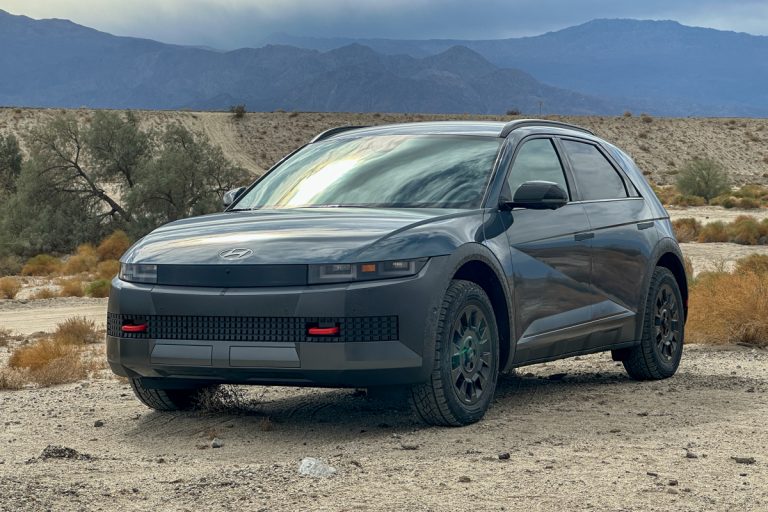
- Hyundai Ioniq 5 / Kia EV6: Built on the E-GMP platform, these cousins offer striking designs, ultra-fast 800V charging, and competitive range.
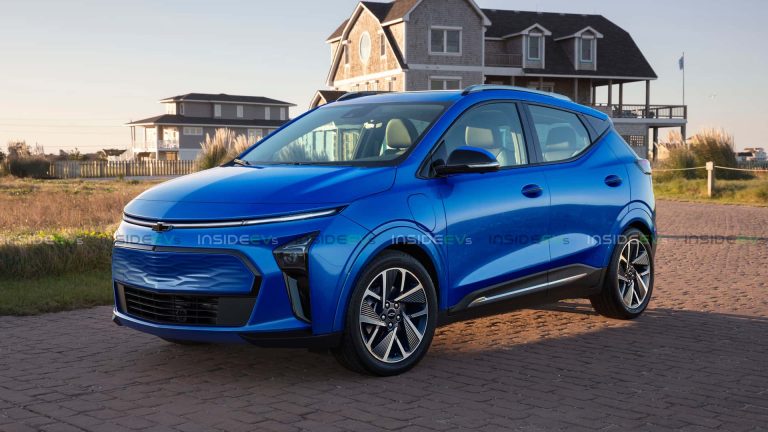
- Chevrolet Blazer EV: GM’s formidable challenger, offering various trims from front-wheel drive (FWD) to all-wheel drive (AWD) SS performance models, with impressive range and charging capabilities.
- Volkswagen ID.4: A mainstream, practical option focusing on comfort, ease of use, and a spacious interior, often at a more accessible price point.
- Nissan Ariya: A stylish, comfortable, and tech-forward offering from Nissan, building on its EV experience with the Leaf.
- Subaru Solterra / Toyota bZ4X: While perhaps not direct performance rivals, these twins offer a compelling option for those prioritizing AWD capability and reliability from trusted brands.
Head-to-Head: Mach-E vs. Key Competitors (2026 Projections)
Let’s break down how the 2026 Mach-E is likely to stack up against its formidable rivals across critical metrics.
1. Price, Incentives, and Initial Investment
- 2026 Mach-E: Ford will likely maintain a broad price range, starting around $45,000 for base RWD models and climbing to $70,000+ for GT Performance trims. Its "American-made" status should keep it eligible for federal tax credits, a significant advantage.
- Tesla Model Y: Tesla’s pricing is notoriously volatile but is likely to remain in a similar band, perhaps starting slightly higher than the Mach-E and quickly escalating. Its eligibility for incentives will depend on battery sourcing and manufacturing location in 2026.
- Ioniq 5 / EV6: These models currently start in the low to mid-$40,000s and can reach the high $50,000s. Their eligibility for US federal tax credits is a moving target due to battery sourcing.
- Blazer EV: GM aims for a broad appeal, with starting prices potentially below $45,000 for FWD models and rising above $65,000 for the SS. Like Ford, GM’s domestic manufacturing should ensure federal tax credit eligibility.
- ID.4: Volkswagen’s offering is often positioned as a value leader, with expected starting prices in the high $30,000s to low $40,000s, making it a strong contender for budget-conscious buyers, especially with potential tax credits.
- Ariya: Nissan’s pricing is likely to hover in the mid-$40,000s to mid-$50,000s.
Verdict on Price & Incentives: The Mach-E, alongside the Blazer EV and ID.4, is likely to offer strong value thanks to probable federal tax credit eligibility. The Mach-E’s performance and tech for its price point will be a key selling point.
2. Range and Charging Speed
- 2026 Mach-E: Expected to offer EPA ranges from 250 miles (base) up to 330+ miles (extended range RWD). Charging will likely be competitive, aiming for 150-200 kW peak DC fast charging.
- Tesla Model Y: Already boasts impressive range (330+ miles for Long Range) and a superior Supercharger network (though other brands are gaining access). Charging speeds are excellent.
- Ioniq 5 / EV6: Their 800V architecture allows for incredibly fast charging (up to 350 kW), potentially enabling 10-80% in under 20 minutes, a significant advantage. Range is competitive, typically 270-310 miles.
- Blazer EV: GM projects impressive range figures, potentially exceeding 320 miles on some trims, with fast charging capabilities up to 190 kW.
- ID.4: Offers competitive but not class-leading range (260-275 miles) and decent DC fast charging speeds (around 135-170 kW).
- Ariya: Range is competitive, typically 280-300 miles, with respectable charging speeds.
Verdict on Range & Charging: The Mach-E will be very competitive in range, but the Ioniq 5/EV6’s 800V charging architecture might offer a tangible advantage for those prioritizing rapid pit stops. Tesla’s Supercharger network still provides a convenience edge, though Ford’s BlueOval Charge Network is expanding.
3. Performance and Driving Dynamics
- 2026 Mach-E: Ford will continue to deliver an engaging driving experience. GT Performance models are expected to maintain their sub-4-second 0-60 mph times, offering sports car-like acceleration. Handling is generally praised for an SUV.
- Tesla Model Y: The Performance variant offers blistering acceleration (sub-3.5 seconds 0-60 mph) and sharp handling, though the ride can be firm.
- Ioniq 5 / EV6: While quick (GT versions of the EV6 hit 0-60 in 3.4 seconds), their primary focus is often a balanced, comfortable ride with good power.
- Blazer EV: The SS trim is expected to be a performance monster, with GM targeting 0-60 mph in under 4 seconds. Other trims will offer robust, but perhaps less thrilling, acceleration.
- ID.4: Focuses more on comfort and ease of driving rather than outright performance, with 0-60 mph times in the 5-7 second range.
- Ariya: Offers smooth acceleration and a comfortable ride, but it’s not designed to be a performance EV.
Verdict on Performance: For enthusiasts, the Mach-E GT will remain a strong contender, closely matched by the Model Y Performance and Blazer EV SS. For everyday driving, all options provide more than adequate power.
4. Interior, Technology, and Comfort
- 2026 Mach-E: Expect continued refinement of its tech-forward interior, featuring the prominent 15.5-inch SYNC 4A touchscreen and a digital instrument cluster. BlueCruise will likely be even more capable. Interior materials are good, but not always perceived as premium.
- Tesla Model Y: Known for its minimalist, screen-centric interior. While spacious, some find it stark. Its software and OTA updates are industry-leading.
- Ioniq 5 / EV6: Offer distinct, futuristic interiors with high-quality materials, dual 12.3-inch screens, and innovative features like V2L (Vehicle-to-Load) power export.
- Blazer EV: GM’s Ultifi software platform and a large central touchscreen (up to 17.7 inches) will anchor a modern, driver-focused interior.
- ID.4: A more traditional, comfortable, and spacious interior with a focus on ergonomics, though its infotainment system can sometimes be clunky.
- Ariya: Boasts a luxurious and serene cabin with unique design elements, haptic controls, and a dual-screen setup.
Verdict on Interior & Tech: The Mach-E strikes a good balance between tech and traditional controls. Tesla leads in software integration, while the Ioniq 5/EV6 and Ariya offer more avant-garde and luxurious cabins, respectively. The Blazer EV is poised to be a strong contender here too.
5. Safety and Reliability
- 2026 Mach-E: Ford’s Co-Pilot360 suite provides comprehensive safety features. Excellent crash test ratings (IIHS Top Safety Pick+) are expected to continue. Reliability has been decent, with continuous software improvements.
- Tesla Model Y: Strong safety ratings and advanced Autopilot/FSD features, though driver engagement is crucial. Reliability can be inconsistent, particularly with build quality.
- Ioniq 5 / EV6: Both Hyundai and Kia have strong reputations for reliability and offer comprehensive safety suites. Crash test results are excellent.
- Blazer EV: GM’s Ultium platform is new, but the company has a long history. Expect a full suite of safety features and robust engineering.
- ID.4: Volkswagen has a solid safety record, and the ID.4 is well-equipped with ADAS features.
- Ariya: Nissan’s ProPILOT Assist 2.0 offers advanced driver assistance, and the brand generally has a good reputation for reliability.
Verdict on Safety & Reliability: All modern EVs are expected to be very safe. Ford, Hyundai/Kia, and VW generally have good reputations for build quality and reliability, potentially offering more consistent experiences than some Tesla models.
6. Long-Term Ownership Costs
- 2026 Mach-E: As an EV, maintenance costs are significantly lower than ICE vehicles. Insurance costs will be competitive, potentially high for GT models due to performance. Resale value has been strong and is expected to remain so.
- Tesla Model Y: Low maintenance costs. Insurance can be high. Historically, Tesla’s resale value has been exceptionally strong.
- Ioniq 5 / EV6: Lower maintenance costs. Insurance is competitive. Resale value is proving to be strong for these popular models.
- Blazer EV: As a new platform, long-term maintenance costs are projected to be low. Insurance will depend on trim. Resale value is yet to be fully established but benefits from GM’s network.
- ID.4: Likely to have some of the lowest overall ownership costs due to its potentially lower purchase price, good efficiency, and competitive insurance.
- Ariya: Expected to have competitive ownership costs, similar to other non-luxury EVs.
Verdict on Ownership Costs: EVs generally excel here. The Mach-E will be very competitive. Tesla might hold a slight edge in resale value, but the lower initial cost and potential for incentives could make the Mach-E or ID.4 more attractive in the long run for many.
The Verdict: Is the 2026 Mach-E the Best Electric Vehicle for Your Money?
The answer, as often is the case, is nuanced and depends heavily on individual priorities.
The 2026 Ford Mustang Mach-E is poised to remain an incredibly strong contender for the title of "best electric vehicle for the money." It masterfully blends:
- Performance: Especially in GT trims, it offers thrilling acceleration and engaging handling.
- Style: Its Mustang-inspired design stands out in a sea of often generic-looking EVs.
- Technology: BlueCruise and SYNC 4A provide a modern, connected experience.
- Practicality: It’s a capable family vehicle with decent space.
- Value: With probable federal tax credit eligibility and competitive pricing, it offers a compelling package for its features.
However, it faces stiff competition:
- For those prioritizing ultra-fast charging and distinctive design, the Hyundai Ioniq 5 / Kia EV6 are incredibly compelling.
- For pure performance, a vast charging network, and cutting-edge software, the Tesla Model Y remains a formidable rival, though its minimalist interior isn’t for everyone.
- For a more traditional American SUV feel with strong performance options and tax credit eligibility, the Chevrolet Blazer EV will be a very direct and powerful competitor.
- For the most budget-conscious buyer seeking practicality and comfort, the Volkswagen ID.4 might offer the best pure "value."
- For those valuing a luxurious, serene cabin and refined driving, the Nissan Ariya makes a strong case.
Who is the 2026 Ford Mustang Mach-E best for?
The Mach-E is likely the best choice for buyers who:
- Appreciate traditional automotive styling cues and the iconic Mustang heritage.
- Desire a fun-to-drive EV that offers strong performance without sacrificing everyday usability.
- Value Ford’s extensive dealer network and the reassurance of an established automaker.
- Want advanced driver-assistance features like BlueCruise.
- Seek a balanced package of range, performance, and technology at a competitive price, particularly with incentives.
In 2026, the Mach-E will continue to be a top-tier electric SUV, offering a blend of excitement, technology, and practicality that few can match. While it may not be the absolute cheapest or the fastest, its overall balance of attributes, combined with its expected eligibility for incentives and Ford’s brand appeal, will make it one of the most compelling and well-rounded electric vehicles for the money in the rapidly evolving EV market. It won’t dominate every single metric, but its holistic strength will ensure it remains a perennial favorite.