The mid-size SUV segment is a fiercely contested battleground, a crucible where practicality, performance, and prestige are constantly being refined. For decades, the Honda Pilot has been a stalwart in this arena, a beacon of reliability and thoughtful engineering for families across the globe. With the current fourth-generation model having made a significant splash since its 2023 debut, anticipation is already building for its next evolution. While Honda remains tight-lipped about future iterations, an automotive journalist’s keen eye, combined with an understanding of market trends and Honda’s trajectory, allows for a compelling vision of what the 2026 Honda Pilot might bring to the table.
Prepare to be impressed, for the 2026 Pilot isn’t merely a refresh; it’s poised to be a thoughtful re-imagining, a vehicle that not only meets but anticipates the demands of the modern family. It will undoubtedly fortify its position as a segment leader, blending Honda’s legendary dependability with a suite of cutting-edge features designed to elevate every aspect of the driving and ownership experience. Let’s delve into the top features we expect to define the next chapter of the Honda Pilot.
1. Electrified Powertrain Options: The Dawn of the Pilot Hybrid
Perhaps the most significant and eagerly awaited development for the 2026 Pilot will be the introduction of a sophisticated electrified powertrain. While the current 3.5-liter V6, a refined iteration of Honda’s J-series engine, is a robust and proven performer, the winds of change are blowing strongly towards hybridization.
We fully anticipate the 2026 Pilot to offer a potent and highly efficient hybrid option, likely drawing heavily from Honda’s award-winning two-motor hybrid system seen in the CR-V and Accord. This setup, seamlessly integrating an Atkinson-cycle engine with two electric motors, would offer not just a substantial boost in fuel efficiency, but also a more immediate torque delivery, particularly beneficial for a vehicle of the Pilot’s size. Imagine smoother acceleration from a standstill, a quieter cabin during low-speed electric driving, and significantly reduced trips to the fuel pump – all without compromising the Pilot’s renowned towing capability or its ability to confidently tackle various terrains, especially when paired with an enhanced i-VTM4 all-wheel-drive system.
Furthermore, Honda might even surprise us with a Plug-in Hybrid (PHEV) variant, offering a meaningful all-electric range for daily commutes before seamlessly switching to hybrid power for longer journeys. This commitment to electrification wouldn’t just be about meeting emissions targets; it would be about offering consumers a genuine choice that aligns with evolving environmental consciousness and the tangible benefits of reduced running costs and a more refined driving experience.
2. Next-Generation Honda Sensing Elite: Autonomous Aspirations
Honda has consistently been at the forefront of automotive safety, and the Honda Sensing suite of driver-assist technologies is already one of the most comprehensive on the market. For 2026, we expect Honda Sensing to evolve into "Honda Sensing Elite," pushing the boundaries of semi-autonomous driving and accident prevention.
This advanced system will undoubtedly feature enhanced radar and camera systems, providing a wider field of view and improved processing power. This means more precise lane-keeping assist, more intuitive adaptive cruise control with traffic jam assist that can bring the vehicle to a complete stop and restart, and even more sophisticated collision mitigation braking that can detect pedestrians and cyclists in a broader array of scenarios, including at intersections.
The true leap, however, will likely be the introduction of hands-free driving capabilities on approved highways. Similar to systems like GM’s Super Cruise or Ford’s BlueCruise, Honda Sensing Elite could allow drivers to temporarily disengage from steering, pedal, and even monitoring duties under specific conditions, providing a genuinely relaxing and futuristic driving experience. This would be complemented by advanced parking assist features that can automatically maneuver the Pilot into parallel or perpendicular spots, taking the stress out of urban parking. Honda’s meticulous approach to safety suggests that this system would be rolled out with utmost caution and extensive testing, ensuring unparalleled reliability and user confidence.
3. Immersive Digital Cockpit & Infotainment Suite:
The interior of the 2026 Pilot will undoubtedly be dominated by a thoroughly modernized digital landscape. Gone will be the days of smaller, disparate screens. We envision a seamless, expansive digital cockpit that integrates information and entertainment in a visually stunning and ergonomically superior manner.
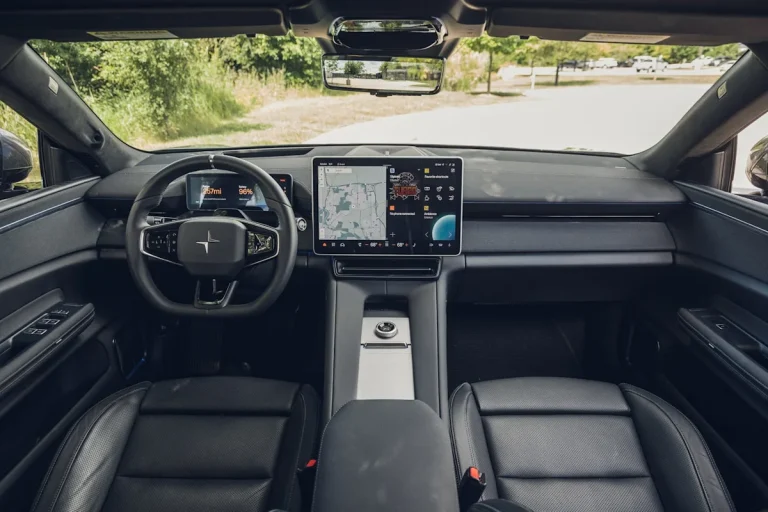
Expect a large, high-resolution central touchscreen, likely exceeding 12 inches, that flows organically from the dashboard, minimizing bezel intrusion for a truly panoramic feel. This display will boast lightning-fast responsiveness, intuitive multi-touch gestures, and crisp graphics, making navigation, media control, and vehicle settings a joy to interact with. Crucially, physical controls for essential functions like climate and volume will likely remain, a nod to Honda’s commitment to user-friendly ergonomics.
Complementing this will be a fully customizable, high-definition digital instrument cluster, offering various display modes from minimalist readouts to comprehensive navigation and driver-assist visualizations. Wireless Apple CarPlay and Android Auto will be standard, along with a powerful 5G Wi-Fi hotspot, ensuring seamless connectivity for all occupants. Over-the-air (OTA) update capabilities will keep the system perpetually fresh with the latest features and security enhancements, meaning your Pilot’s tech will evolve with time, rather than becoming obsolete. Furthermore, integrated streaming services and an upgraded premium audio system (perhaps an ELS Studio 3D system with even more speakers and advanced sound processing) will transform the cabin into a concert hall on wheels.
4. Enhanced Interior Versatility and Premium Materials:
The Pilot has always been a champion of interior space and practicality, and the 2026 model will elevate this further. Expect meticulously crafted interior materials that blend durability with a newfound sense of luxury. Soft-touch surfaces will extend throughout the cabin, complemented by genuine wood or brushed aluminum accents, depending on the trim level. Sustainable materials, such as recycled fabrics and plant-based composites, will likely be integrated, reflecting Honda’s broader environmental initiatives.
Seating comfort will be paramount. The second row will offer enhanced configurability, perhaps with an even more versatile removable middle seat (building on the current model’s innovation) and available captain’s chairs that slide and recline more extensively. The third row, already competitive, will likely gain even more headroom and legroom, making it genuinely usable for adults on shorter trips. Power-folding third-row seats, hands-free power liftgate with kick sensor, and an array of clever storage solutions (including hidden compartments and expandable cargo areas) will underscore the Pilot’s commitment to family-friendly convenience. Expect heated and ventilated seats for the front and second rows, alongside a sophisticated multi-zone climate control system that ensures optimal comfort for every passenger.
5. Rugged Refinement: An Evolution of the TrailSport Aesthetic
The current Pilot’s design language introduced a more rugged, commanding presence, particularly evident in the TrailSport trim. For 2026, we anticipate this aesthetic to be further refined and integrated across the entire lineup, albeit with varying degrees of emphasis.
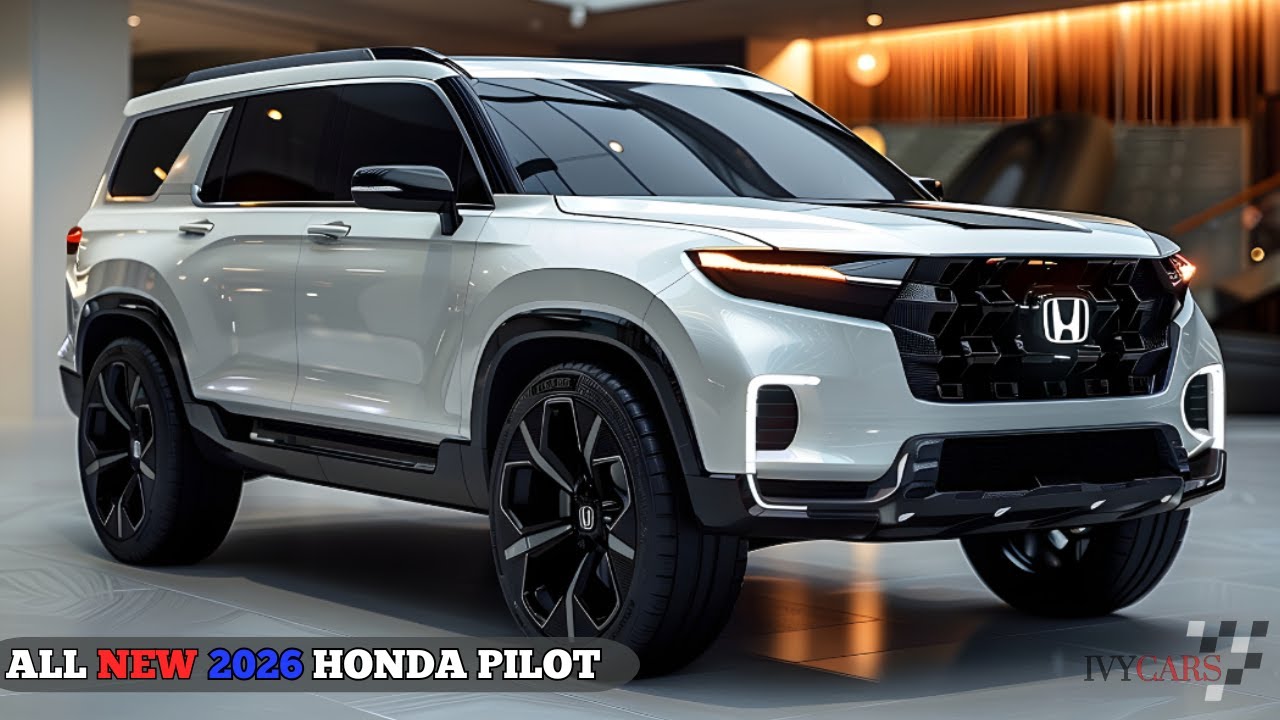
The exterior will strike a perfect balance between sophisticated urban appeal and genuine off-road capability. Expect sharper lines, more pronounced wheel arches, and a bold, assertive front fascia dominated by an intricately designed grille and sleek, full-LED lighting signatures that sweep around the corners, giving the Pilot a distinctive and recognizable face, day or night. Aerodynamic enhancements will not only contribute to fuel efficiency but also to a quieter cabin at highway speeds.
The TrailSport variant, in particular, will see its capabilities amplified. Beyond merely aesthetic upgrades, we could see an even further increase in ground clearance, more aggressive all-terrain tire options, fortified underbody skid plates, and a specially tuned off-road suspension that offers improved articulation and damping. Unique interior accents, durable upholstery, and specialized off-road camera views (like a "trail view" that shows what’s directly in front of and beneath the vehicle) would further distinguish this adventure-ready trim, making it a truly compelling option for those who venture beyond the pavement.
6. Enhanced Connectivity and Personalization:
Beyond the core infotainment system, the 2026 Pilot will delve deeper into personalized connectivity. Expect advanced user profiles that remember seat positions, mirror settings, climate preferences, and even preferred navigation routes and media playlists. These profiles could be linked to individual key fobs or even facial recognition technology, automatically adjusting the cabin to the driver’s liking upon entry.
Furthermore, a more robust HondaLink suite of connected services will offer advanced remote functionality: remote start, vehicle locator, geofencing for teen drivers, and even predictive maintenance alerts. The integration with smart home devices could allow drivers to control home lighting or garage doors directly from the Pilot’s infotainment screen. Multiple USB-C charging ports will be scattered throughout the cabin, along with a powerful 120V outlet in the cargo area, ensuring all devices stay charged and ready for action.
7. Advanced Noise, Vibration, and Harshness (NVH) Mitigation:
Honda has always engineered its vehicles for a refined driving experience, and the 2026 Pilot will be no exception. Expect a concerted effort to further reduce Noise, Vibration, and Harshness (NVH) levels, creating an even more serene and hushed cabin environment. This will involve:
- Acoustic Glass: Thicker, laminated glass for the windshield and front side windows will dramatically cut down on wind and road noise.
- Enhanced Sound Deadening: More extensive use of sound-absorbing materials in the firewall, floor, and wheel wells will isolate the cabin from engine and tire noise.
- Active Noise Cancellation (ANC): Leveraging the audio system, ANC will emit opposing sound waves to cancel out intrusive low-frequency noises, creating a remarkably quiet interior.
- Optimized Aerodynamics: A sleeker exterior design will reduce wind turbulence, further contributing to a quieter ride at highway speeds.
The result will be a cabin where conversations are effortless, and the premium audio system can truly shine, transforming long journeys into tranquil escapes.
Conclusion: A New Benchmark for the Family SUV
The 2026 Honda Pilot is shaping up to be more than just a competent family hauler; it’s poised to redefine expectations within the three-row SUV segment. With its anticipated leap in electrified powertrains, the formidable capabilities of Honda Sensing Elite, an immersive digital cockpit, an elevated interior experience, and a design that blends ruggedness with refinement, the Pilot will not merely keep pace with its rivals—it will set a new standard.
Honda’s philosophy of thoughtful innovation, unwavering reliability, and user-centric design will undoubtedly be on full display. The 2026 Pilot won’t just transport families; it will empower them with advanced technology, comfort, and peace of mind, making every journey, whether a daily commute or an epic adventure, an experience to be savored. The future of the family SUV is bright, and the 2026 Honda Pilot is ready to lead the charge.