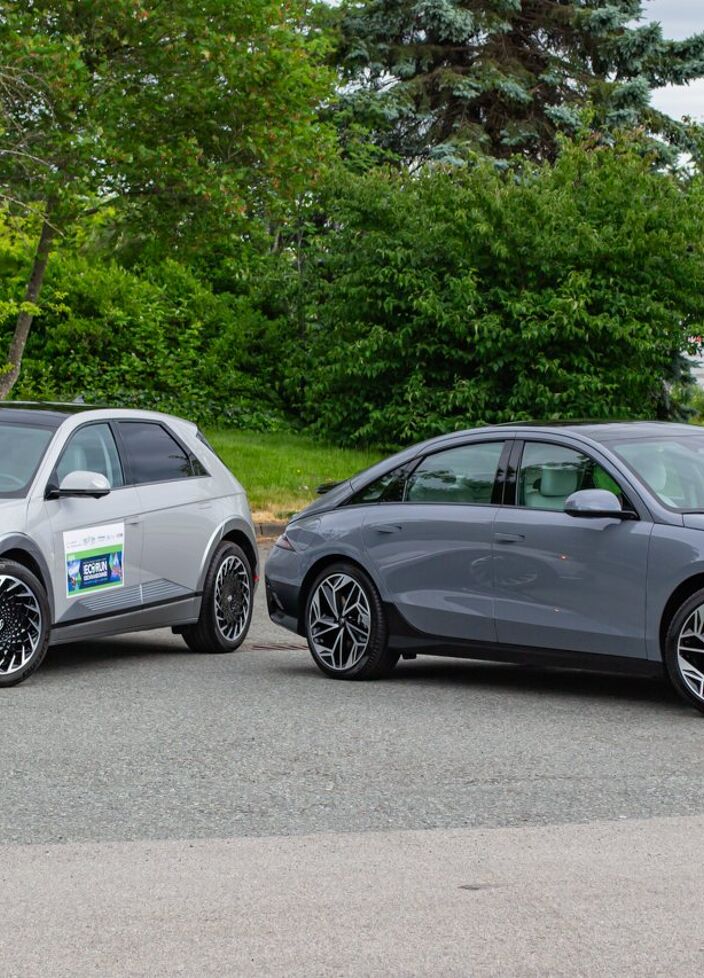
The electric vehicle (EV) market is a rapidly evolving battleground, with manufacturers constantly pushing the boundaries of range, performance, technology, and affordability. As we look towards 2026, one model consistently poised to remain a frontrunner in the value-driven segment is the Hyundai Ioniq 5. Since its debut, the Ioniq 5 has garnered critical acclaim for its distinctive retro-futuristic design, spacious interior, rapid charging capabilities, and competitive pricing. But as the competition intensifies, with new entrants and updated rivals, will the 2026 Hyundai Ioniq 5 still stand out as the best electric vehicle for your money?
This comprehensive article delves into the anticipated features of the 2026 Ioniq 5, meticulously comparing it against its key rivals across crucial metrics that define true value: price, range, charging speed, performance, interior quality, technology, safety, and overall ownership experience.
The Anticipated 2026 Hyundai Ioniq 5: What to Expect from the Future
While specific details for the 2026 model year are still speculative, Hyundai has a proven track record of continuous improvement. The Ioniq 5, having already received a significant refresh in 2025 (or an earlier mid-cycle update), will likely build upon that foundation. We can anticipate the 2026 Hyundai Ioniq 5 to refine its existing strengths and address any lingering critiques, cementing its position as a top-tier electric crossover SUV.
Key areas of expected enhancement for the 2026 Ioniq 5 include:
- Improved Battery Technology & Range: While already offering competitive range, advancements in battery chemistry could see the 2026 model push closer to or exceed 350 miles on a single charge for its long-range variants, further alleviating range anxiety.
- Even Faster Charging: Leveraging Hyundai’s 800V architecture, the Ioniq 5 is already one of the fastest-charging EVs on the market. The 2026 iteration might see incremental improvements, shaving precious minutes off DC fast charging times, potentially achieving an 18-minute 10-80% charge in even more diverse conditions.
- Enhanced Infotainment & Connectivity: Expect updated software, a potentially larger or more integrated curved display, and more sophisticated voice controls. Over-the-air (OTA) update capabilities will undoubtedly be robust, ensuring the vehicle stays current with the latest features and security patches.
- Refined Interior Materials & Ergonomics: While the current Ioniq 5’s interior is lauded for its spaciousness and unique design, the 2026 model could introduce even more sustainable materials, subtle ergonomic tweaks, and potentially more customizable ambient lighting options, further elevating its premium feel.
- Advanced Driver-Assistance Systems (ADAS): Hyundai’s SmartSense suite is already comprehensive. The 2026 Ioniq 5 will likely feature more advanced semi-autonomous driving capabilities, potentially including improved highway driving assist (HDA) with automatic lane changes and more sophisticated parking assistance.
- Subtle Exterior Styling Updates: While the iconic pixelated design language is unlikely to undergo a radical overhaul, minor tweaks to lighting signatures, bumper designs, or wheel options could give the 2026 model a fresh aesthetic edge.
- Performance Variants: Building on the success of the Ioniq 5 N, expect the 2026 lineup to continue offering a compelling range of powertrains, from efficient RWD models to potent AWD configurations, delivering exhilarating acceleration while maintaining efficiency.
The core appeal of the Ioniq 5 – its distinctive design, innovative Vehicle-to-Load (V2L) function, ultra-spacious cabin, and segment-leading charging speed – will remain foundational to its value proposition.
Defining "Best Electric Vehicle for the Money"
Before diving into comparisons, it’s crucial to establish what "best for the money" truly entails. It’s not just about the lowest sticker price, but a holistic assessment that includes:
- Initial Purchase Price & Incentives: How affordable is it upfront, factoring in potential tax credits or local rebates?
- Range & Efficiency: How far can it go on a charge, and how efficiently does it use energy? This impacts charging frequency and electricity costs.
- Charging Speed & Infrastructure: How quickly can it replenish its battery, and what charging networks are easily accessible? Time is money.
- Performance: Is the acceleration, handling, and overall driving experience satisfying for the price point?
- Interior Quality & Space: Does the cabin feel premium, comfortable, and practical for passengers and cargo?
- Technology & Features: Does it offer cutting-edge infotainment, safety systems, and convenience features that enhance the driving experience?
- Reliability & Warranty: What’s the projected long-term dependability, and what kind of warranty coverage is offered? Hyundai’s 10-year/100,000-mile powertrain and battery warranty is a significant value add.
- Resale Value: How well is the vehicle expected to retain its value over time?
- Ownership Costs: Beyond electricity, consider insurance, maintenance, and potential depreciation.
The 2026 Hyundai Ioniq 5 vs. Its Toughest Competitors
The 2026 Ioniq 5 will face a formidable lineup of rivals, each vying for a slice of the rapidly growing electric crossover market. Let’s pit it against the key players:
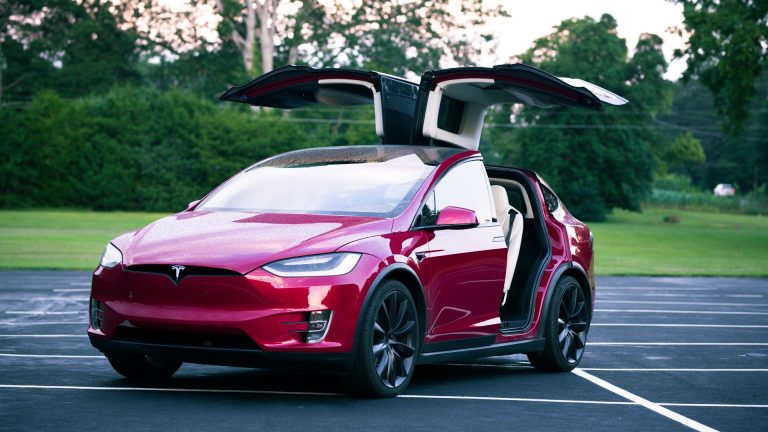
1. Tesla Model Y
The undisputed sales leader, the Tesla Model Y, will remain a benchmark.
- Model Y Strengths: Unparalleled Supercharger network access, blistering performance (especially Performance trim), minimalist interior design, cutting-edge software with frequent OTA updates, strong brand recognition.
- Model Y Weaknesses: Higher starting price, polarizing minimalist interior (lack of physical buttons), ride quality can be firm, inconsistent build quality reported by some, premium for Supercharger access might diminish as more EVs adopt NACS.
- Ioniq 5 vs. Model Y Value: The Ioniq 5 often offers a more premium interior feel with better material quality and a more traditional, ergonomic layout with physical buttons. Its 800V architecture delivers comparable or even faster charging speeds on compatible third-party chargers than the Model Y’s 400V system. While the Model Y dominates on raw acceleration, the Ioniq 5 provides a more comfortable, refined ride. For those prioritizing design, comfort, and potentially a lower entry price with excellent warranty, the Ioniq 5 presents a compelling value alternative to the Model Y’s tech-forward, performance-oriented approach.
2. Kia EV6
The Ioniq 5’s platform mate and closest relative, the Kia EV6, will continue to be a direct competitor.
- EV6 Strengths: Sportier driving dynamics, sleek coupe-like design, similar 800V charging speed, high-quality interior materials, available GT performance variant.
- EV6 Weaknesses: Slightly less passenger headroom in the rear due to the sloped roofline, less cargo space than the Ioniq 5, more aggressive styling might not appeal to all.
- Ioniq 5 vs. EV6 Value: Both offer incredible value given their E-GMP platform advantages (charging, efficiency, space utilization). The choice largely comes down to aesthetic and driving preference. The Ioniq 5 offers a more upright, spacious, and comfortable cabin, often feeling more airy. Its retro design stands out more distinctively. The EV6 appeals to those seeking a sportier, more car-like feel. In terms of "money," their pricing is usually very similar, making the decision primarily subjective to individual needs and style. The Ioniq 5 often wins on practicality for families due to its boxier shape and larger cargo capacity.
3. Ford Mustang Mach-E
Ford’s electric pony car-inspired SUV, the Mustang Mach-E, remains a strong contender.
- Mach-E Strengths: Sporty handling, iconic Mustang branding, comfortable front seats, decent range, BlueCruise hands-free driving tech.
- Mach-E Weaknesses: Charging speeds are good but not Ioniq 5-level (400V system), interior design is less distinctive and relies heavily on a large central screen, some find the rear seats less spacious.
- Ioniq 5 vs. Mach-E Value: The Mach-E offers a more traditional SUV feel with a sporty edge, appealing to brand loyalists. However, the Ioniq 5 often beats it on charging speed and offers a more unique, airy interior design. The Ioniq 5’s overall efficiency and spaciousness often provide a better value proposition for daily family use, while the Mach-E leans into its performance heritage.
4. Volkswagen ID.4
VW’s accessible electric crossover, the ID.4, focuses on practicality and mainstream appeal.
- ID.4 Strengths: Competitive pricing, spacious and comfortable interior, solid build quality, available AWD, strong brand trust.
- ID.4 Weaknesses: Slower charging speeds than Ioniq 5 (400V), less engaging driving dynamics, infotainment system has received mixed reviews for responsiveness and intuitiveness, less distinctive exterior design.
- Ioniq 5 vs. ID.4 Value: The ID.4 competes strongly on price and overall practicality, making it a good choice for budget-conscious buyers. However, the Ioniq 5 elevates the experience with its significantly faster charging, more distinctive design, and generally more premium interior feel and advanced infotainment. For those willing to spend a bit more for cutting-edge EV technology and unique style, the Ioniq 5 offers superior value.
5. Nissan Ariya
Nissan’s sleek and comfortable electric crossover is a newer entrant aiming for a premium feel.
- Ariya Strengths: Stylish and upscale interior design, very comfortable "zero gravity" seats, smooth and quiet ride, unique Japanese aesthetic.
- Ariya Weaknesses: Charging speeds are good but not Ioniq 5-level (400V), range can be slightly less competitive in some trims, price can quickly climb for higher trims.
- Ioniq 5 vs. Ariya Value: The Ariya excels in offering a refined, comfortable, and visually appealing cabin experience. However, the Ioniq 5 generally offers better performance, faster charging, and a more spacious rear passenger area and cargo capacity for its price. The Ioniq 5’s V2L feature also adds a unique layer of utility that the Ariya lacks. For those prioritizing ultimate comfort and a serene driving experience, the Ariya is strong, but the Ioniq 5 typically provides a more comprehensive package of EV advantages.
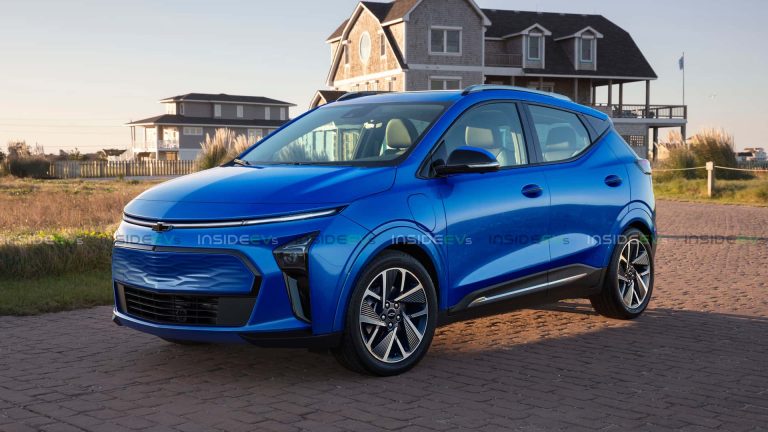
6. Chevrolet Blazer EV
GM’s Ultium platform brings the Chevrolet Blazer EV into the fray with diverse trims and competitive specs.
- Blazer EV Strengths: Bold styling, impressive range options (especially RS trim), diverse powertrain options (FWD, RWD, AWD), strong performance from SS trim, Ultium platform promises scalability.
- Blazer EV Weaknesses: Newer to market, so long-term reliability is unproven, charging speeds are good but still 400V, initial software glitches reported, potentially higher starting price for desirable trims.
- Ioniq 5 vs. Blazer EV Value: The Blazer EV is a formidable newcomer, offering compelling range and performance. However, the Ioniq 5 has the advantage of a more established track record, proven 800V charging, and a unique design that stands out. The Ioniq 5’s interior, while different, often feels more thoughtfully designed for space and versatility. The Blazer EV’s value will depend heavily on its pricing strategy for specific trims and how quickly GM irons out any initial software issues. For immediate, proven value, the 2026 Ioniq 5 might hold an edge.
7. Subaru Solterra / Toyota bZ4X
These twins, born from a collaboration, focus on practicality and (for the Solterra) off-road capability.
- Solterra/bZ4X Strengths: Standard AWD (Solterra), decent ground clearance, strong safety ratings, Toyota/Subaru reliability reputation.
- Solterra/bZ4X Weaknesses: Significantly slower charging speeds than Ioniq 5, notably less range, less engaging driving dynamics, polarizing interior design with a small instrument cluster and large central screen, lack of front trunk.
- Ioniq 5 vs. Solterra/bZ4X Value: While offering a trusted badge and good safety, these models struggle to compete with the Ioniq 5 on core EV metrics like charging speed and range. The Ioniq 5 delivers a far more advanced and satisfying EV experience for the money, making it a clear winner in terms of overall value unless standard AWD and light off-roading capability are the absolute top priorities.
Beyond the Specs: The Ownership Experience
Value extends beyond the initial purchase and technical specifications. Hyundai’s commitment to the ownership experience is a significant factor:
- Industry-Leading Warranty: Hyundai’s 5-year/60,000-mile new vehicle warranty and 10-year/100,000-mile powertrain and EV battery warranty are among the best in the industry, providing immense peace of mind and significantly enhancing long-term value. This is a major differentiator against many competitors.
- Reliability: Hyundai’s reliability has steadily improved, and electric vehicles generally have fewer moving parts than ICE cars, leading to lower maintenance costs.
- Software Updates: While perhaps not as flashy as Tesla’s, Hyundai provides essential OTA updates for bug fixes and feature enhancements, ensuring the vehicle remains current.
- Dealer Network: A robust and growing dealer network means easier access to service and support compared to some newer EV brands.
The Verdict: Is the 2026 Hyundai Ioniq 5 the Best EV for Your Money?
The question of the "best EV for the money" is inherently subjective, depending on individual priorities. However, based on its anticipated enhancements and current strengths, the 2026 Hyundai Ioniq 5 is poised to remain an exceptionally strong contender, if not the outright leader, in the value segment of electric crossovers.
Here’s why:
- Exceptional Balance: The Ioniq 5 doesn’t just excel in one area; it offers a compelling balance of striking design, spacious comfort, segment-leading charging speeds, strong performance, and advanced technology.
- Forward-Thinking Architecture: Its 800V E-GMP platform ensures it stays ahead of most rivals in crucial areas like charging speed and overall efficiency.
- Unmatched Warranty: Hyundai’s industry-best warranty provides a significant long-term value advantage, mitigating potential battery replacement costs or major component failures.
- Unique Value Proposition: Features like V2L (Vehicle-to-Load) offer practical utility that many competitors simply don’t.
- Anticipated Refinements: The expected improvements in range, tech, and interior quality for 2026 will only sharpen its edge.
While rivals like the Tesla Model Y offer a strong charging network and raw performance, and the Kia EV6 appeals to sportier drivers, the 2026 Hyundai Ioniq 5 is likely to offer a more well-rounded, user-friendly, and distinctively styled package that delivers incredible bang for your buck. For those seeking a future-proof, family-friendly, and aesthetically pleasing electric vehicle that doesn’t compromise on core EV performance or ownership peace of mind, the Ioniq 5 will undoubtedly be a top recommendation for your money.
As the 2026 model year approaches, enthusiasts and potential buyers alike will be eagerly awaiting official specifications and pricing, but all signs point to the Hyundai Ioniq 5 continuing its reign as a benchmark for value in the electric vehicle market.