The electric vehicle (EV) revolution is accelerating, and nowhere is this more evident than in the burgeoning luxury SUV segment. As consumers increasingly prioritize sustainability without compromising on performance, comfort, or cutting-edge technology, automakers are scrambling to deliver compelling electric offerings. Among the frontrunners, the BMW iX has already carved out a significant niche, embodying BMW’s vision for the future of electric mobility. But as we look ahead to the anticipated 2026 model year, the critical question emerges: against an ever-growing array of sophisticated rivals, will the 2026 BMW iX stand out as the best electric vehicle for the money in its class?
This comprehensive article will delve into the anticipated features and capabilities of the 2026 BMW iX, pit it against its formidable competitors, and meticulously analyze its value proposition to help discerning buyers make an informed decision.
The 2026 BMW iX: Evolution of an Electric Icon
The BMW iX, first introduced in 2021, was a bold statement from the Bavarian automaker, showcasing a radical design language and an interior concept that prioritized sustainability and digital integration. For the 2026 model year, while specific details are still under wraps, we can expect BMW to build upon this foundation, refining its strengths and addressing any areas for improvement based on market feedback and technological advancements.
Anticipated Enhancements for 2026:
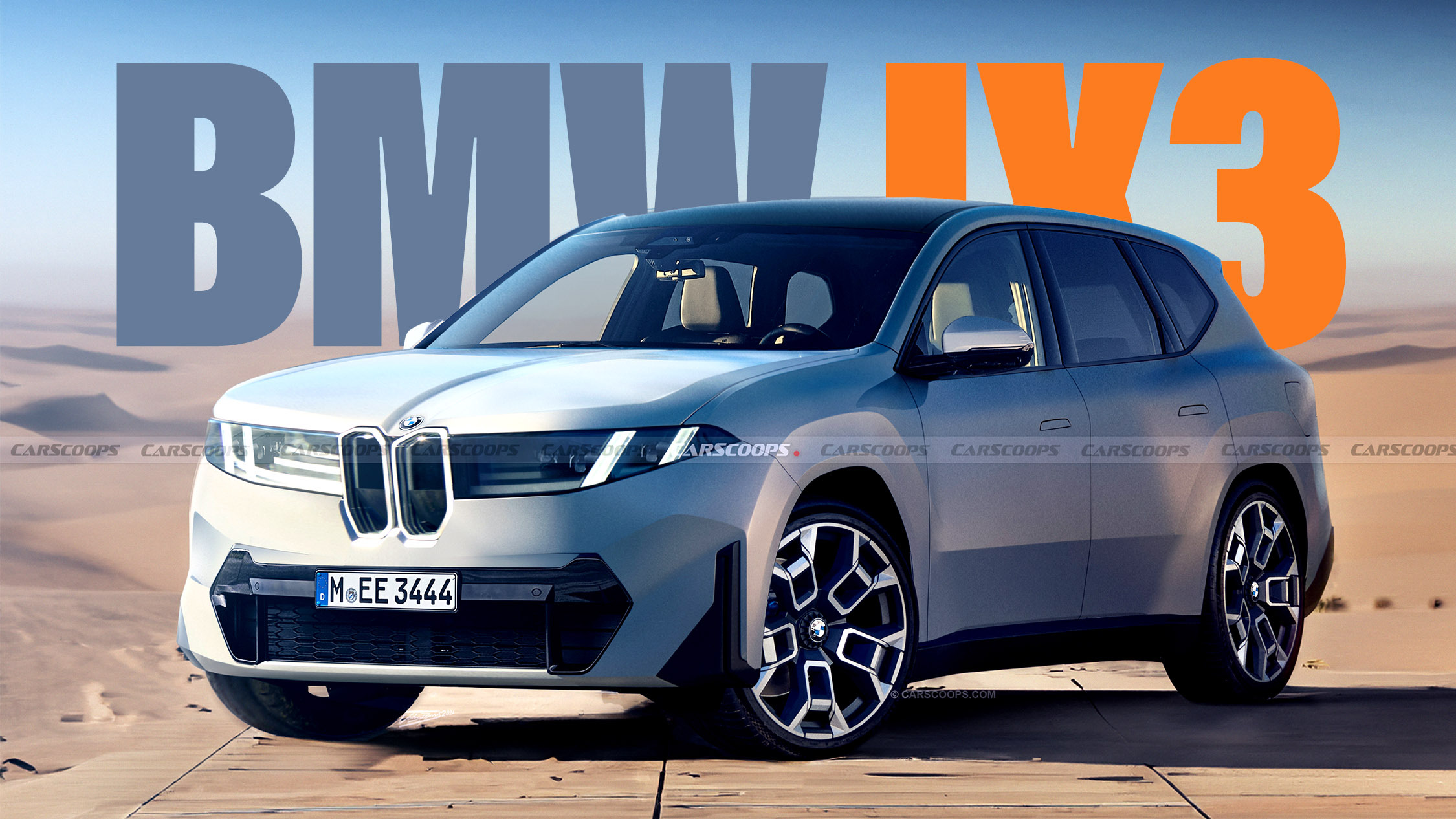
- Refined Design and Aerodynamics: While the iX’s exterior has been polarizing, its futuristic aesthetic and exceptional aerodynamics contribute significantly to its range. The 2026 model might see subtle tweaks to the kidney grille, headlamps, and taillights, perhaps integrating BMW’s latest design philosophies seen in other upcoming models, while maintaining its distinctive silhouette. Improved aero could translate to even greater efficiency.
- Advanced Battery Technology and Range: Battery technology is evolving rapidly. We can anticipate the 2026 iX to feature denser battery packs, potentially offering enhanced energy capacity without significantly increasing size or weight. This could push the range well beyond the current models’ 300+ miles, possibly aiming for 350-400 miles on a single charge, making range anxiety a distant memory for most drivers.
- Faster Charging Capabilities: With an industry-wide push towards 800V architectures, the 2026 iX might adopt or significantly improve its charging infrastructure, allowing for even quicker DC fast charging times. Imagine adding 100-150 miles of range in under 10 minutes – a game-changer for long-distance travel.
- Enhanced Performance Options: While the current iX M60 already offers exhilarating performance, BMW might introduce new powertrain variants or optimize existing ones for even greater power output and acceleration, further solidifying its "ultimate driving machine" ethos in the electric era. Expect improved thermal management for sustained high performance.
- Next-Generation iDrive and Digital Ecosystem: The iX was a pioneer for BMW’s iDrive 8 infotainment system. By 2026, we’ll likely see the introduction of iDrive 9 or an even more advanced iteration. This would mean more intuitive user interfaces, deeper integration with digital services, enhanced AI voice commands, and potentially new augmented reality features for navigation and driver assistance. The "Shy Tech" approach, where technology is subtly integrated until needed, will likely be further refined.
- Sustainable Materials and Manufacturing: BMW is committed to sustainability. The 2026 iX will undoubtedly continue to utilize a high percentage of recycled and sustainably sourced materials in its interior and manufacturing processes, reinforcing its eco-conscious appeal.
- Advanced Driver Assistance Systems (ADAS): Expect Level 2+ or even Level 3 autonomous driving capabilities in specific scenarios, with more sophisticated sensors, improved software, and enhanced predictive algorithms for unparalleled safety and convenience.
Estimated Pricing: The BMW iX currently starts in the mid-$80,000s for the xDrive50, climbing well into the six figures for the M60. For 2026, with anticipated upgrades, we can expect a slight increase, with entry-level models potentially starting around $88,000 – $92,000, and higher trims reaching $115,000 – $125,000 or more, depending on options. This price point is crucial when evaluating its "best for the money" claim against a competitive field.
The Competitor Landscape: Who Does the iX Go Up Against?
The luxury electric SUV market is a fierce battleground. The 2026 BMW iX will face off against established players and formidable newcomers, each bringing its unique strengths to the table.
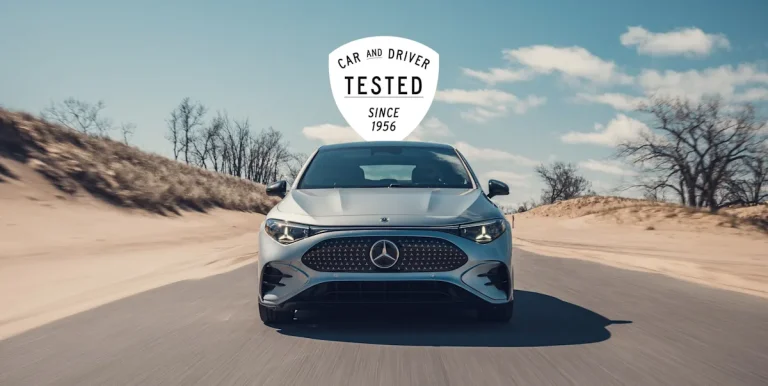
- Mercedes-Benz EQE SUV: The most direct German rival. The EQE SUV offers a more traditional luxury experience with an emphasis on comfort, refinement, and a highly digitized interior, often featuring the stunning MBUX Hyperscreen. It prioritizes a serene ride and opulent cabin over outright sportiness.
- Audi Q8 e-tron (and potentially Q6 e-tron): Audi’s flagship electric SUV, the Q8 e-tron, boasts understated elegance, quattro all-wheel drive, and impressive build quality. It focuses on a balanced driving experience and cutting-edge lighting technology. The upcoming Q6 e-tron, built on the new PPE platform, might offer even more direct competition in performance and tech.
- Tesla Model X: The veteran in this segment, the Model X still offers blistering acceleration, a vast Supercharger network, and unique features like falcon-wing doors. Its minimalist interior and software-centric approach appeal to a specific tech-forward buyer, though build quality and traditional luxury feel can be points of contention for some.
- Rivian R1S: A rugged yet luxurious adventurer, the R1S targets buyers who need serious off-road capability and utility alongside premium features. Its quad-motor setup provides incredible power and unique maneuverability, appealing to a lifestyle segment that values exploration.
- Cadillac Lyriq: Cadillac’s bold foray into the EV space, the Lyriq offers striking design, a lavish interior, and advanced features like Super Cruise at a potentially more competitive price point than its German rivals. It represents a strong American luxury contender.
- Porsche Macan EV (upcoming): While slightly smaller, the Macan EV will likely redefine electric performance in a compact luxury SUV. With Porsche’s legendary driving dynamics and a premium price tag, it will challenge the iX M60 for performance supremacy.
- Lucid Gravity (upcoming): Lucid’s SUV offering promises groundbreaking range and performance, mirroring the Air sedan. If it can deliver on its ambitious promises and come to market by 2026, it could be a significant disruptor, though likely at a higher price point.
Head-to-Head Comparison: The "Best Value" Metrics
Evaluating "best for the money" goes beyond just the sticker price. It encompasses performance, range, technology, interior luxury, driving dynamics, safety, and crucially, long-term ownership costs and potential resale value.
1. Performance and Driving Dynamics:
- BMW iX: The iX, especially in M60 trim, offers a compelling blend of instant torque, precise handling, and comfortable ride quality. BMW engineers have skillfully tuned the suspension to balance sportiness with daily usability, making it feel smaller and more agile than its size suggests.
- Mercedes EQE SUV: Leans towards ultimate comfort and a plush ride. While powerful, its focus isn’t on razor-sharp handling.
- Audi Q8 e-tron: Provides a composed and stable ride, with predictable handling and excellent all-weather capability thanks to quattro.
- Tesla Model X: Unmatched straight-line acceleration (Plaid model), but its handling can feel less refined compared to German rivals.
- Rivian R1S: Exceptional off-road prowess and surprising on-road performance, but its weight and taller stance mean it won’t carve corners like the iX.
- Cadillac Lyriq: Offers a smooth and quiet ride, with respectable acceleration, though not positioned as an outright performance vehicle.
- Porsche Macan EV: Expected to be the benchmark for driving dynamics in an electric SUV, potentially surpassing the iX M60 in pure driving engagement, but likely at a premium.
Verdict on Performance & Dynamics (Value): The iX strikes an excellent balance, offering robust performance and genuinely engaging driving dynamics for its segment. It provides a more versatile driving experience than the ultra-comfortable EQE or the off-road focused R1S, arguably offering more "driver’s car" for the dollar than many rivals.
2. Range and Charging Speed:
- BMW iX (2026 est.): Anticipated to offer 350+ miles of range and significantly faster charging, potentially adding 150 miles in under 10 minutes. This would place it among the best.
- Mercedes EQE SUV: Offers competitive range (likely 300-320 miles) and fast charging, but may not match the iX’s potential 800V architecture.
- Audi Q8 e-tron: Good range (around 285 miles) and reliable charging, but potentially slower peak charging rates than future 800V systems.
- Tesla Model X: Offers strong range (330-340 miles) and access to the industry-leading Supercharger network, a significant convenience factor.
- Rivian R1S: Good range (300+ miles), but its energy consumption can be higher due to its design and capability. Charging network is growing but not as extensive as Tesla’s.
- Cadillac Lyriq: Offers a competitive range (300+ miles) and supports DC fast charging, but GM’s charging network is still playing catch-up.
- Lucid Gravity (upcoming): Could set new benchmarks for range (400+ miles) and charging speed if it lives up to expectations, but at a very high price.
Verdict on Range & Charging (Value): The iX’s anticipated range and charging improvements position it as a strong contender. Tesla’s Supercharger network remains a value differentiator, but the iX will likely offer competitive numbers, making range anxiety a non-issue for most. For long-distance travelers, the overall package (range + charging speed + comfort) is key.
3. Interior Luxury, Technology, and User Experience:
- BMW iX: Features a futuristic, minimalist, yet luxurious cabin with sustainable materials, the impressive curved display, and "Shy Tech." iDrive is intuitive, and the optional Bowers & Wilkins sound system is phenomenal. The glass controls and open cabin feel add to its unique appeal.
- Mercedes EQE SUV: Opulent, traditional luxury with modern tech. The Hyperscreen is a visual marvel, and materials are top-notch. Focus on ambient lighting and comfort features.
- Audi Q8 e-tron: High-quality materials, understated design, and a logical, well-integrated tech suite. Virtual Cockpit is a highlight.
- Tesla Model X: Ultra-minimalist interior dominated by a large central screen. While functional, it lacks the tactile luxury of German rivals. Software updates are frequent.
- Rivian R1S: High-quality, rugged luxury with unique adventure-oriented features. The interior blends tech with practicality.
- Cadillac Lyriq: Stunning 33-inch curved display, rich materials, and a distinctive design language create a truly premium American experience. Super Cruise is a standout feature.
Verdict on Interior & Tech (Value): The iX offers a truly innovative and luxurious interior experience, blending advanced tech with sustainable materials in a way that feels fresh and premium. It provides a unique proposition compared to Mercedes’ opulence or Tesla’s minimalism. The "Shy Tech" approach can feel more sophisticated and less overwhelming than some rivals.
4. Safety and Driver-Assist Features:
- BMW iX: Equipped with a comprehensive suite of ADAS features, including adaptive cruise control, lane-keeping assist, parking assistance, and potentially Level 3 capabilities by 2026. BMW’s systems are generally robust and reliable.
- Competitors: All luxury EVs offer advanced safety features. Mercedes has its excellent Driver Assistance Package, Audi its Pre Sense systems, and Tesla its Autopilot/Full Self-Driving (FSD) beta. Cadillac’s Super Cruise is highly regarded for hands-free highway driving.
Verdict on Safety (Value): All these vehicles offer top-tier safety. The iX will be competitive, with BMW’s reputation for safety and continuous innovation. The value here comes down to the refinement and reliability of the specific systems and BMW’s potential for Level 3 autonomy.
5. Ownership Costs and Resale Value:
- Initial Price: As discussed, the iX will be in the premium range, comparable to the EQE SUV and Q8 e-tron, potentially less than the Macan EV or Lucid Gravity, but more than the Lyriq.
- Tax Credits: Eligibility for federal or local EV tax credits can significantly impact the "for the money" calculation.
- Energy Costs: All EVs offer lower "fuel" costs than gasoline vehicles.
- Maintenance: EVs generally have lower maintenance costs due to fewer moving parts. BMW’s service plans are competitive.
- Insurance: Can be higher for luxury EVs due to repair costs and technology.
- Resale Value: BMWs traditionally hold strong resale value. As the EV market matures, early models like the iX are likely to retain good value, especially with anticipated 2026 upgrades. Tesla has historically had strong resale, while others are still establishing long-term trends.
Verdict on Ownership Costs (Value): While the initial price is substantial, the iX’s anticipated lower running costs (electricity, maintenance) and strong potential resale value contribute positively to its "for the money" argument. The total cost of ownership over 3-5 years is where its value truly shines.
The Verdict: Is the 2026 BMW iX the Best Electric Vehicle for the Money?
The answer, as often is the case in the luxury segment, is nuanced and depends heavily on individual priorities. However, the 2026 BMW iX presents a compelling and well-rounded argument for being one of the best electric vehicles for the money in the luxury SUV segment, especially for a specific type of buyer.
The BMW iX is likely the best value for you if:
- You prioritize a blend of innovative luxury, sustainable design, and engaging driving dynamics. The iX doesn’t sacrifice BMW’s "ultimate driving machine" ethos for electrification, and its interior feels truly forward-thinking.
- You appreciate cutting-edge technology that is elegantly integrated ("Shy Tech") and user-friendly (iDrive).
- You desire a premium EV that stands out from the crowd with a distinctive, futuristic aesthetic.
- You value a strong balance of range, performance, and anticipated fast charging capabilities.
- You’re looking for a luxury SUV that offers a spacious, comfortable, and unique cabin experience.
Where competitors might offer better value:
- Mercedes-Benz EQE SUV: If ultimate comfort, a more traditional luxury ambiance, and the sheer spectacle of the Hyperscreen are your top priorities, the EQE SUV might offer a better experience, albeit with less sporty driving dynamics.
- Tesla Model X: If you prioritize raw acceleration, a minimalist tech-forward interior, and access to the Supercharger network above all else, the Model X remains a strong contender. However, it often sacrifices traditional luxury touches.
- Rivian R1S: If your lifestyle demands serious off-road capability, robust utility, and a more adventurous persona, the R1S is unmatched.
- Cadillac Lyriq: If you want a striking American luxury EV with advanced tech like Super Cruise at a potentially lower price point than its German rivals, the Lyriq offers compelling value.
- Porsche Macan EV: If absolute driving purity and performance are paramount, and budget is less of a concern, the Macan EV will likely be the superior driver’s car.
In conclusion, the 2026 BMW iX is poised to be an even more formidable force in the luxury electric SUV market. With anticipated improvements in range, charging, performance, and technology, it will continue to offer a sophisticated blend of future-forward design, exhilarating driving, and sustainable luxury. For buyers seeking a truly innovative, technologically advanced, and dynamically capable electric SUV that offers a distinctive premium experience, the 2026 BMW iX will undoubtedly represent an exceptional electric vehicle for the money, delivering a rich and rewarding ownership experience that justifies its premium price tag. The competition is fierce, but BMW’s iX has a strong case for being the savvy choice for the discerning luxury EV buyer.