SpeedSUVs.com — The 2026 Mercedes-Benz CLA EV introduces a specialized two-speed transmission, a feature rare among modern electric vehicles. While most electric cars rely on a fixed gear ratio, the Mercedes design aims to optimize efficiency across a wider range of vehicle velocities. This mechanical configuration is designed to lower motor speeds at higher highway velocities, potentially reducing energy consumption and extending overall driving range.
Understanding the Two-Speed Advantage
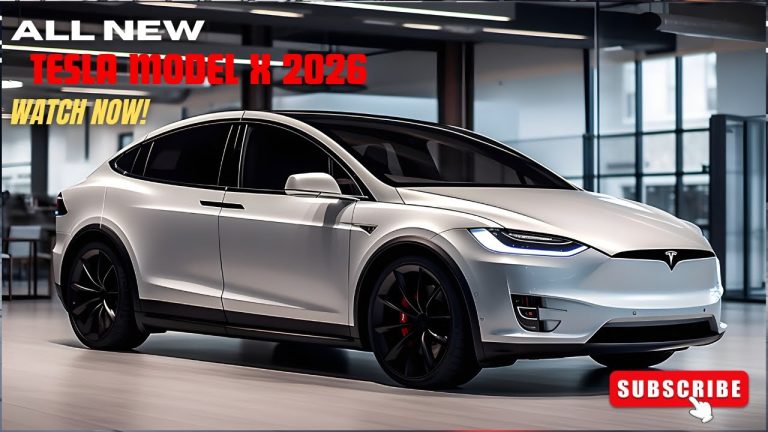
In a standard electric vehicle, the motor’s efficiency remains relatively stable; however, there is a clear physical benefit to reducing rotational speed during high-speed travel. By incorporating a second gear, the CLA250+ allows the motor to maintain optimal efficiency levels even when the vehicle is cruising at speeds above 65 mph. When the transmission shifts into its top gear, it effectively cuts the motor speed by more than half. For instance, at 90 mph, the CLA’s motor operates at approximately 6,000 rpm, whereas a fixed-gear rival like the Tesla Model 3 would require its motor to spin at 10,000 rpm to maintain the same pace.
Comparative Efficiency Testing
Testing the CLA250+ against an entry-level rear-drive Tesla Model 3 on a five-mile oval track provided objective data on how these two approaches compare. At speeds of 60 mph and below, the Tesla Model 3, equipped with aerodynamic covers and 18-inch wheels, demonstrated lower energy consumption. It is important to note that the test unit for the Mercedes was equipped with optional 19-inch summer tires, which likely hindered its performance compared to the more efficient 17-inch or 18-inch options available for the model.
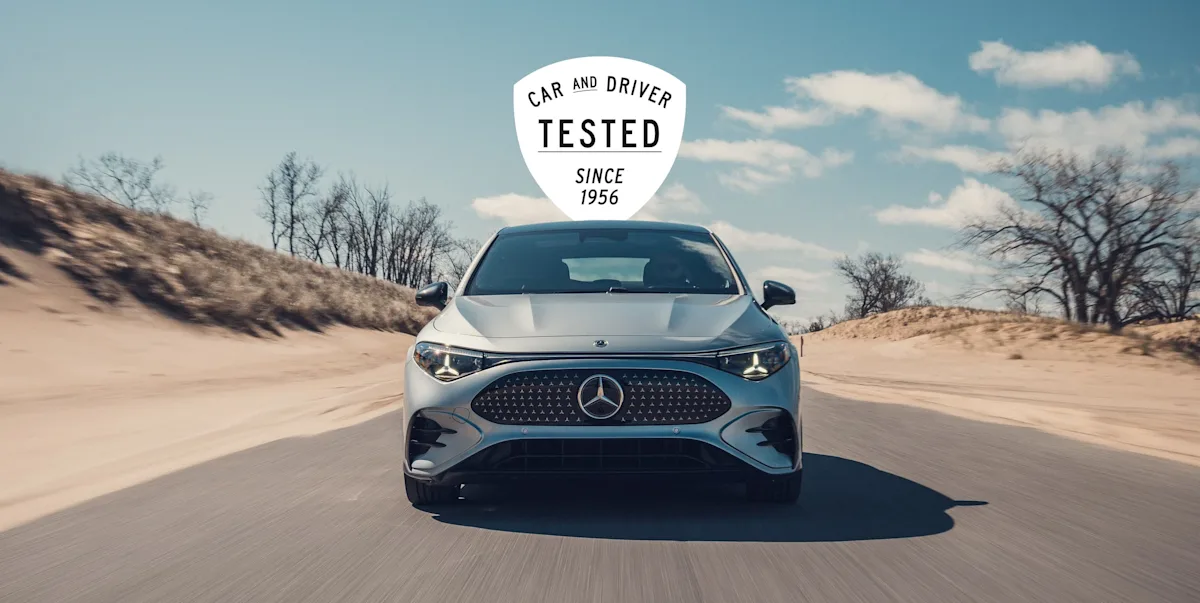
As speeds increased, the narrative shifted. The two-speed gearbox allowed the CLA to close the efficiency gap significantly. At the highest speeds tested, the Mercedes-Benz slightly outperformed the Tesla, proving that the multi-gear setup provides a tangible advantage for high-velocity sustained cruising.
Real-World Driving Dynamics
For the average driver, the transition between gears in the CLA is remarkably subtle. Under normal driving conditions, the shift is barely perceptible. The only exception occurs in Sport mode during aggressive acceleration, where the system pulls power more dramatically to accentuate the upshift, providing a more mechanical feel for those who prefer an engaging driving experience.
Range Performance
The efficiency benefits of the two-speed gearbox are most evident in highway range tests. During a steady 75 mph run, the CLA250+ achieved an impressive 340 miles of range, notably exceeding its official 317-mile EPA estimate. This performance places the vehicle among the top 10 longest-range EVs tested, which is particularly notable considering the vehicle utilizes a relatively modest 85 kWh battery pack.
Pros and Cons
- Pros: Superior efficiency at highway speeds, impressive range exceeding EPA estimates, and seamless gear shifts during daily driving.
- Cons: Lower efficiency at lower speeds compared to fixed-gear rivals, and optional wheel configurations can significantly impact total range.
Final Verdict
The implementation of a two-speed transmission in the 2026 Mercedes-Benz CLA EV is a sophisticated engineering choice that pays off for highway-heavy drivers. While fixed-gear EVs may hold the edge in low-speed efficiency, the Mercedes design excels where it matters most for long-distance travel. If highway range is a primary concern, the CLA250+ offers a compelling, highly efficient solution that punches well above its battery capacity, especially if paired with the most efficient wheel and tire setup.