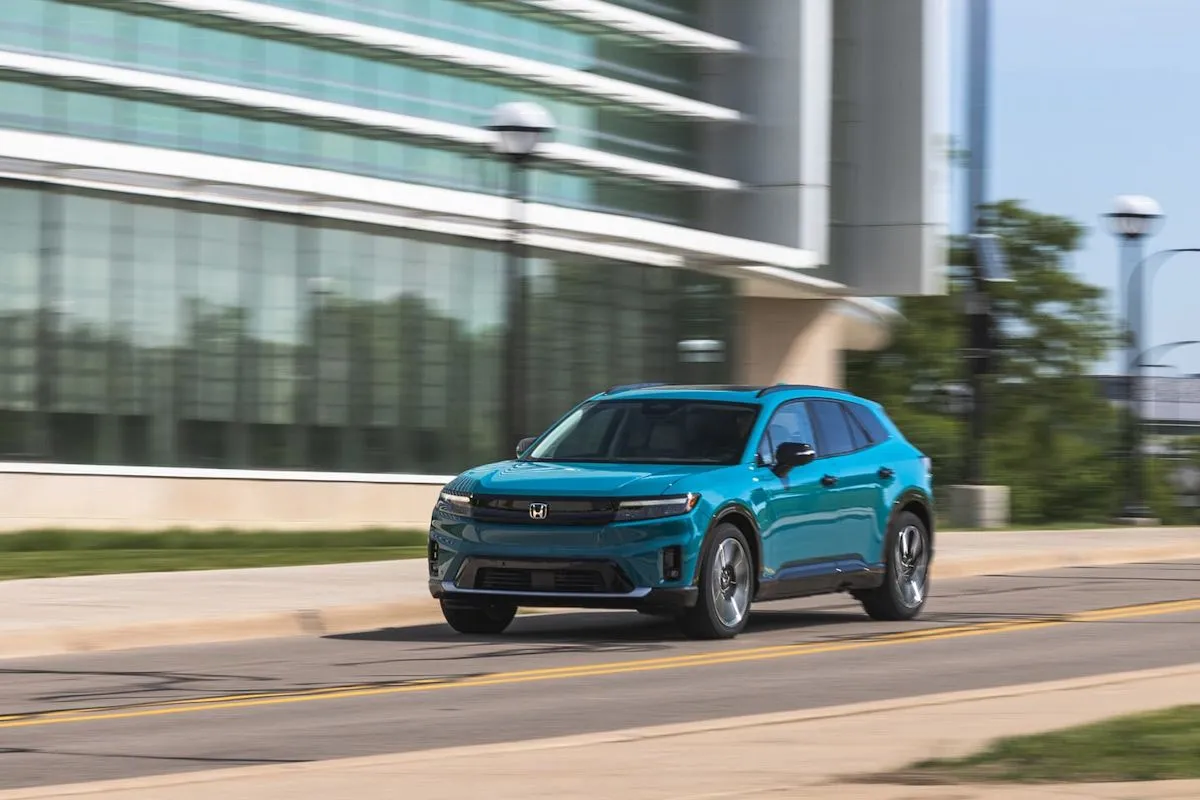
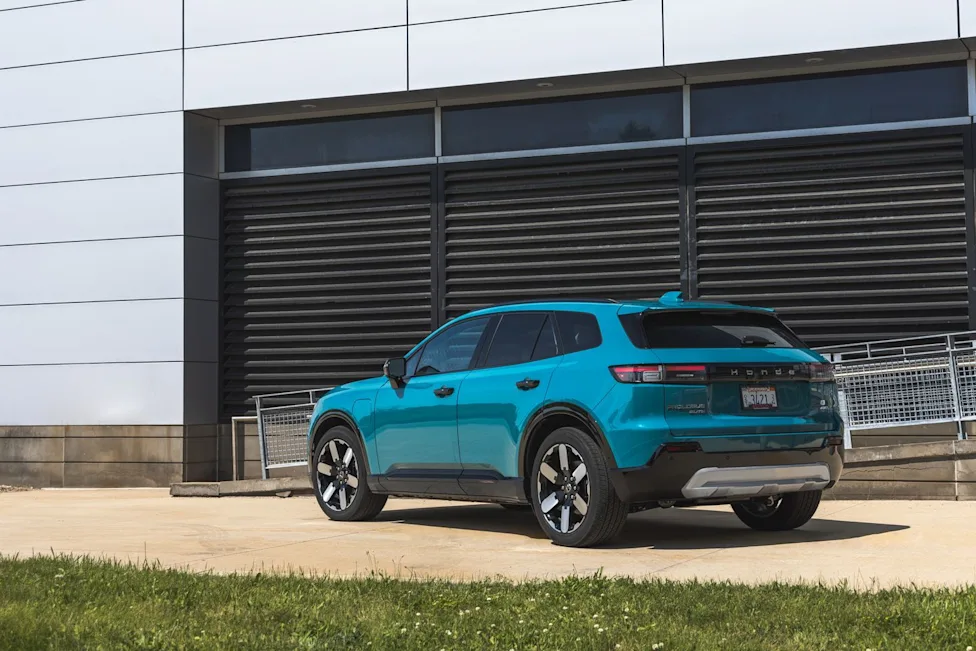
SpeedSUVs.com — Honda’s journey in the United States electric vehicle market is taking a major turn as the automaker officially confirms the discontinuation of the Honda Prologue SUV after the 2026 model year. Introduced only recently in 2024, the Prologue’s departure marks the end of a brief three-year run. More significantly, this decision leaves Honda without a single fully electric vehicle in its United States lineup starting in 2027, representing a massive shift in the brand’s immediate electrification plans.
Chronology and Sales Performance of the Prologue
The timeline of the Honda Prologue highlights both initial promise and sudden market shifts. When it debuted for the 2024 model year, the SUV found immediate traction in what was otherwise a lackluster U.S. EV market. During its inaugural year, Honda sold 33,017 units of the Prologue. This momentum carried into 2025, which became the vehicle’s first full year on sale, resulting in 39,194 units sold. By the end of the third quarter of 2025, sales had already reached an impressive 36,553 units, showing strong upward potential.
However, external economic and policy changes quickly altered this trajectory. The removal of the federal EV tax credit severely impacted the Prologue’s market appeal. In the first half of 2026, sales plummeted to just 8,407 units, representing a steep 49 percent decline compared to the same period in 2025. Despite this sharp downturn, the Prologue managed to accumulate slightly more than 80,000 total sales in the United States. Remaining inventory continues to sit on dealership lots, meaning buyers can still purchase the SUV over the coming months.
The GM Partnership and Technical Background
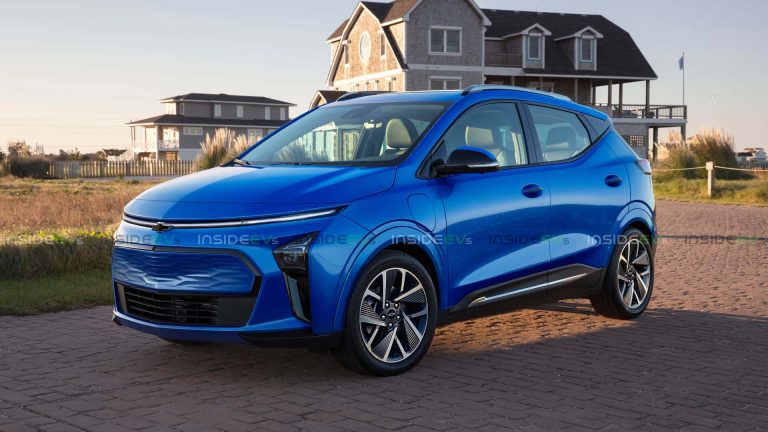
Under the hood, the Honda Prologue was not an entirely in-house creation. It was closely related to the Chevrolet Blazer EV, born out of a strategic partnership with General Motors. This collaboration also produced the Acura ZDX, which had an even shorter lifespan. Both the Prologue and the ZDX relied heavily on GM’s electric vehicle technology and platform. Originally, these GM-backed models were intended as temporary solutions while Honda prepared its own proprietary technology.
The long-term plan was for Honda to transition to its own in-house platform, starting with the 0-series lineup. The automaker had planned to launch two sleek new electric vehicles—the 0-series SUV and the 0-series Saloon—at the start of 2026. These vehicles were scheduled to be manufactured in Ohio on an all-new dedicated EV platform, while a corresponding Acura RSX was also anticipated. However, Honda recently canceled plans for these models, mothballing the entire 0-series initiative. With both the proprietary 0-series and the GM-partnered Prologue out of the picture, Honda’s EV presence in the U.S. will drop to zero.
Pros and Cons of the Honda Prologue
To evaluate the Honda Prologue as a purchasing option today, it is helpful to look at its direct strengths and weaknesses based on its market run.
Pros
- Initial Market Success: The vehicle proved highly popular early on, achieving over 80,000 sales and demonstrating that it resonated with buyers when priced competitively.
- Guaranteed Ongoing Support: A Honda spokesperson confirmed that Prologue buyers will continue to receive full support through the dealer network, including comprehensive service, parts, and warranty coverage.
Cons
- Extreme Price Sensitivity: Sales halved almost immediately after the federal EV tax credit was removed, indicating the vehicle struggled to compete without government incentives.
- Short Lifecycle and Discontinuation: With production ending after 2026, owners will drive a discontinued model that relies on outsourced General Motors technology rather than an active Honda EV platform.
Conclusion
In conclusion, the Honda Prologue represents a solid but short-lived electric SUV that fell victim to shifting corporate strategies and changing federal tax incentives. For buyers looking at remaining dealership inventory, the vehicle offers a proven GM-based platform backed by Honda’s promise of continued warranty and parts support. However, prospective owners must weigh these benefits against the reality of driving a vehicle with no direct future successor in Honda’s U.S. lineup.