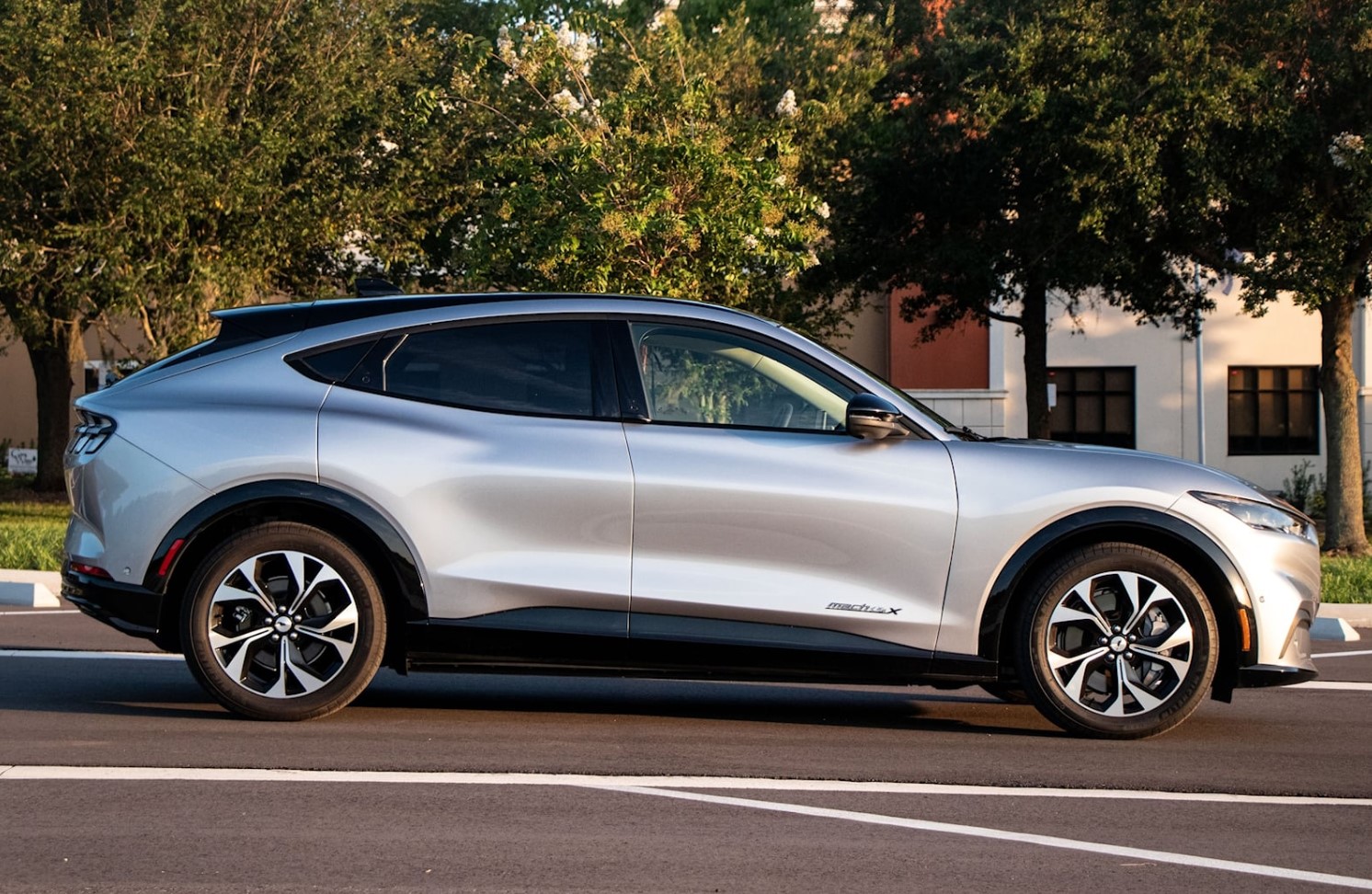
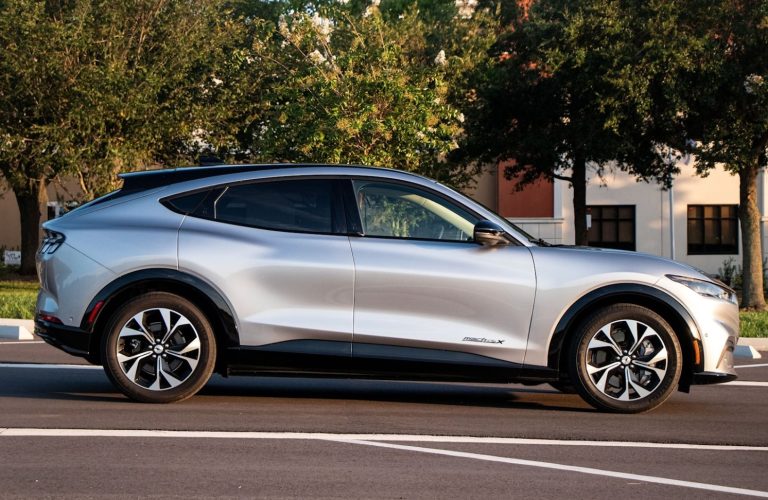
The electric vehicle (EV) market is a rapidly accelerating landscape, with manufacturers pouring billions into developing cutting-edge models that promise performance, range, and increasingly, affordability. Ford’s bold entry, the Mustang Mach-E, carved out a unique niche, blending the iconic Mustang nameplate with a practical, all-electric SUV format. As we look ahead to the 2026 model year, the Mach-E is poised to face an even more crowded and competitive field. The burning question for many prospective buyers is: Will the 2026 Ford Mustang Mach-E stand out as the best electric vehicle for the money?
This comprehensive article will dive deep into the anticipated features and improvements of the 2026 Mach-E, pit it against its formidable rivals, and meticulously analyze its value proposition across key metrics, helping you decide if it’s the right electric SUV for your budget and lifestyle.
The 2026 Ford Mustang Mach-E: Anticipated Evolution and Enhancements
While specific details for the 2026 model year are still speculative, we can project the Mach-E’s trajectory based on Ford’s continuous investment in its EV lineup and industry trends. By 2026, we expect the Mach-E to have undergone several significant upgrades, solidifying its position in the premium electric SUV segment.
Key Anticipated Improvements:
- Enhanced Battery Technology and Range: Expect more energy-dense battery packs, leading to increased range across all trims. The base models could comfortably exceed 300 miles on a single charge, while extended-range versions might push closer to 350-400 miles, rivaling the best in class. This is crucial for alleviating range anxiety, a key factor in perceived value.
- Faster Charging Speeds: Ford will likely optimize the Mach-E’s charging architecture. By 2026, we could see peak DC fast-charging rates climb significantly, potentially allowing for a 10-80% charge in under 20 minutes, especially with the widespread adoption of the North American Charging Standard (NACS) connector.
- Advanced Infotainment and Connectivity: The SYNC 4A system, already robust, will likely receive further software refinements, faster processing, and potentially new features like advanced augmented reality navigation or deeper integration with smart home devices. Over-the-air (OTA) updates will continue to improve functionality throughout the vehicle’s lifespan.
- Sophisticated Driver-Assistance Systems: BlueCruise, Ford’s hands-free highway driving system, will undoubtedly evolve. By 2026, we could see expanded road coverage, enhanced lane-changing capabilities, and more seamless operation, bringing it closer to true Level 3 autonomous driving in specific scenarios.
- Subtle Design Refinements: While the core design is likely to remain, minor exterior tweaks (new wheel options, updated lighting signatures, refreshed grille design) and interior material upgrades (more sustainable and premium options) are probable to keep the Mach-E feeling fresh.
- Performance Boosts: Even the non-GT models might see slight power bumps, while the GT and GT Performance versions could offer even more blistering acceleration, further justifying the Mustang badge.
Estimated Pricing (2026): Considering inflation and technological advancements, the 2026 Mach-E’s starting price could range from approximately $48,000 for the base Select RWD to over $75,000 for the top-tier GT Performance Edition before incentives. The crucial aspect of "value for money" will hinge on what these price points deliver compared to its rivals.
The Contenders: Who’s in the Ring?
The 2026 Mach-E won’t be cruising alone. It will face a formidable array of competitors, each vying for a share of the burgeoning EV market. Here are some of the key players:
- Tesla Model Y: The undisputed sales leader. By 2026, the Model Y will likely have received design refreshes and further improvements in manufacturing efficiency. Its strengths remain the Supercharger network, strong performance, and minimalist tech.
- Hyundai IONIQ 5 / Kia EV6: These E-GMP platform siblings offer distinctive styling, ultra-fast 800V charging, and innovative features like Vehicle-to-Load (V2L). By 2026, both will likely have increased range and updated tech.
- Chevrolet Blazer EV: GM’s Ultium platform brings significant scale and capability. The Blazer EV offers diverse trims, strong performance, and Super Cruise. By 2026, it will be a mature product in GM’s EV lineup.
- Nissan Ariya: A stylish and comfortable Japanese contender, the Ariya emphasizes a lounge-like interior and smooth driving. Future versions will likely address charging speeds and range to stay competitive.
- Polestar 2 / Polestar 3: While the Polestar 2 is more sedan-like, the larger Polestar 3 SUV will be a direct luxury-oriented competitor, focusing on Scandinavian design, performance, and advanced safety.
- Volkswagen ID.4 / ID.7 (potentially an SUV variant): VW’s ID family continues to expand, offering practical, well-engineered EVs. By 2026, expect improved software, range, and potentially more compelling interior designs.
Head-to-Head Comparison: The Value Proposition
To determine if the 2026 Mach-E is the "best electric vehicle for the money," we must compare it against these rivals across several critical dimensions.
1. Price vs. Range & Performance
- Mach-E: Ford aims for a balance. A mid-range Premium AWD model, potentially around $55,000-$60,000, could offer 300-330 miles of range and a 0-60 mph time in the low 5-second range. The GT Performance will be significantly faster but cost more.
- Tesla Model Y: Tesla typically offers impressive range (often 300+ miles for Long Range) and blistering performance (Performance trim 0-60 mph in ~3.5 seconds) for a competitive price. However, its minimalist interior and often higher insurance costs can impact overall value.
- Hyundai IONIQ 5 / Kia EV6: These models excel in charging speed and offer good range (280-310 miles). Their unique designs and comfortable interiors add perceived value. Prices are often competitive with the Mach-E’s mid-range trims.
- Chevrolet Blazer EV: With multiple trims, the Blazer EV aims to hit various price points. A 300+ mile range option at a competitive price, coupled with robust performance from its Ultium platform, makes it a strong domestic alternative.
Value Takeaway: The Mach-E will likely sit comfortably in the middle, offering a compelling blend of range and performance that feels appropriate for its price point. It may not always be the absolute cheapest or fastest, but it offers a well-rounded package.
2. Technology & Infotainment
- Mach-E: SYNC 4A with its large vertical screen provides a familiar, feature-rich interface. BlueCruise is a major selling point for hands-free driving enthusiasts. Ford’s ecosystem integration will continue to improve.
- Tesla Model Y: Dominated by its singular, horizontal screen, Tesla’s infotainment is intuitive for some but lacks physical buttons. Autopilot/Full Self-Driving (FSD) beta are powerful but come at a significant cost and are not true self-driving.
- Hyundai/Kia: Offer dual-screen setups that are aesthetically pleasing and highly functional. Their ADAS suites are comprehensive and user-friendly. V2L is a unique tech feature.
- Chevrolet Blazer EV: Ultium-based EVs feature large screens and Google Built-in infotainment, offering a modern, connected experience. Super Cruise is GM’s answer to hands-free driving, often lauded for its smoothness.
Value Takeaway: The Mach-E’s SYNC 4A and BlueCruise offer a robust and user-friendly tech experience. For those who prefer physical controls alongside a large screen, the Mach-E might feel more intuitive than a Tesla. Its ADAS features are increasingly competitive.
3. Interior Comfort & Practicality
- Mach-E: Offers a spacious, comfortable cabin with good materials, especially in higher trims. The "frunk" (front trunk) is useful, and cargo space is competitive for its class. The panoramic glass roof adds to the airy feel.
- Tesla Model Y: Known for its expansive glass roof and generally spacious interior. However, some find the minimalist design stark, and material quality can be inconsistent. Cargo space is excellent due to its liftback design.
- Hyundai IONIQ 5 / Kia EV6: Both offer highly unique and comfortable interiors. The IONIQ 5 has a particularly open, lounge-like feel, while the EV6 is sportier. Good cargo space and passenger room.
- Chevrolet Blazer EV: Expected to offer a traditional SUV interior feel with good ergonomics, ample passenger space, and robust cargo capacity, appealing to traditional SUV buyers transitioning to EV.
Value Takeaway: The Mach-E provides a strong balance of comfort, quality, and practicality. It feels more "car-like" and premium than some rivals, without sacrificing utility.
4. Charging Infrastructure & Speed
- Mach-E: By 2026, Ford’s adoption of NACS will grant Mach-E owners access to Tesla’s extensive Supercharger network, a game-changer for long-distance travel. Combined with existing CCS networks and improved charging speeds, the Mach-E’s charging ecosystem will be top-tier.
- Tesla Model Y: Unrivaled Supercharger network access is its biggest advantage.
- Hyundai IONIQ 5 / Kia EV6: Their 800V architecture allows for incredibly fast charging on compatible DC fast chargers (up to 350 kW), but such chargers are not as widespread as Superchargers. NACS adoption for these brands is also anticipated.
- Chevrolet Blazer EV: Ultium vehicles also gain NACS access, significantly boosting their long-distance travel viability.
Value Takeaway: With NACS adoption, the 2026 Mach-E will essentially level the playing field with Tesla in terms of charging infrastructure, removing a significant hurdle for many potential EV buyers and boosting its overall value proposition.
5. Design & Brand Appeal
- Mach-E: Successfully blends Mustang heritage with modern SUV aesthetics. It has a distinctive, sporty presence that differentiates it from more generic crossovers. The Mustang badge carries significant weight for many buyers.
- Tesla Model Y: Its sleek, minimalist design is instantly recognizable but can be polarizing.
- Hyundai IONIQ 5 / Kia EV6: Both boast truly unique, futuristic designs that stand out from the crowd.
- Chevrolet Blazer EV: Offers a more conventional, muscular SUV design that appeals to a broad audience, leveraging the familiar Blazer nameplate.
Value Takeaway: For buyers seeking an EV with character and a strong brand identity, the Mach-E’s Mustang lineage offers a distinct emotional appeal that its rivals struggle to match. This "cool factor" contributes to perceived value.
Beyond the Spec Sheet: What "Best Value" Truly Means
"Best electric vehicle for the money" extends beyond initial purchase price and features. It encompasses the Total Cost of Ownership (TCO) and overall ownership experience.
- Government Incentives: By 2026, the landscape of federal and state EV tax credits may have shifted. Ford, with its US manufacturing, often qualifies for federal incentives, which can significantly lower the effective purchase price.
- Maintenance & Reliability: EVs generally have lower maintenance costs than ICE vehicles. Ford’s extensive dealer network provides accessible service. Early Mach-E models have shown solid reliability, a trend expected to continue.
- Insurance Costs: EVs can sometimes have higher insurance premiums due to repair costs and technology. It’s crucial for buyers to get quotes for the Mach-E and its competitors.
- Resale Value: Tesla has historically held strong resale value. However, as the EV market matures and competition intensifies, other brands like Ford are seeing their EV resale values stabilize and strengthen.
- Software Updates: Ford’s commitment to OTA updates means the Mach-E will continue to receive new features and improvements throughout its life, enhancing its longevity and value.
The Verdict: Is the 2026 Ford Mustang Mach-E the Best Electric Vehicle for the Money?
The answer, as with many complex decisions, is nuanced: The 2026 Ford Mustang Mach-E is poised to be one of the absolute strongest contenders for the title of "best electric vehicle for the money," especially for a specific type of buyer.
It likely won’t be the cheapest EV on the market, nor will it be the fastest in every trim. However, the 2026 Mach-E’s anticipated improvements in range, charging speed (especially with NACS access), technology, and continued refinement in design and driving dynamics will create an incredibly compelling package.
The Mach-E will be the best value for buyers who prioritize:
- A balanced performance and range: Offering plenty of power and sufficient range without needing to break the bank for the absolute top-tier.
- A strong brand identity and unique design: The Mustang heritage and sporty SUV styling set it apart.
- A familiar yet advanced tech experience: SYNC 4A and BlueCruise provide a user-friendly interface with cutting-edge driver assistance.
- Comfort and practicality: A spacious, well-appointed interior suitable for families and daily driving.
- Robust charging infrastructure: With NACS, range anxiety will largely become a thing of the past.
- A strong dealer network and reliable service: The backing of Ford’s established presence.
While the Tesla Model Y will remain a formidable rival for its efficiency and Supercharger network, and the Hyundai/Kia twins will impress with their charging speeds and distinct design, the 2026 Ford Mustang Mach-E is expected to hit a sweet spot. It blends performance, technology, practicality, and an iconic nameplate into a package that will offer exceptional value for its price, making it a top-tier choice for a wide array of EV enthusiasts. As the EV market matures, the Mach-E continues to evolve into a compelling and well-rounded electric SUV, representing a smart investment for the future.