The automotive landscape is a restless beast, constantly evolving, pushing boundaries, and demanding reinvention. In the heart of this ceaseless churn sits the Ford Explorer, a name synonymous with American adventure, family utility, and pioneering spirit. For decades, it has been the quintessential mid-size SUV, navigating school runs, cross-country road trips, and countless daily commutes with equal aplomb.
But the world of 2026 will be a vastly different place than when the current generation Explorer first debuted. With electrification surging, connectivity becoming paramount, and design languages shifting, the anticipation surrounding the next-generation 2026 Ford Explorer is palpable. This isn’t just another refresh; it’s expected to be a comprehensive reimagining, designed to reclaim its crown in an increasingly competitive segment.
In this deep dive, we’ll peel back the layers of speculation, analyze the industry trends, and provide an exhaustive buying guide to prepare you for the arrival of what could be the most significant Explorer in a generation.
Part 1: The Road Ahead – Unpacking the 2026 Ford Explorer Redesign
While official details from Ford remain under wraps, the automotive world thrives on informed speculation, patent filings, spy shots, and the predictable rhythms of product cycles. The current Explorer, which launched for the 2020 model year, received a significant refresh for 2025. This often signals that a full, ground-up redesign isn’t far behind, and 2026 aligns perfectly with Ford’s typical 6-7 year major overhaul cycle for core models.
1. A Bold New Aesthetic: Design Evolution or Revolution?
Ford understands the Explorer’s visual identity is crucial. We anticipate the 2026 model will strike a delicate balance: evolutionary enough to be instantly recognizable, yet revolutionary enough to feel fresh and modern.
- Exterior: Expect a more assertive and aerodynamic stance. The current Explorer, while handsome, carries a somewhat traditional SUV silhouette. The 2026 model is likely to adopt sleeker lines, possibly drawing inspiration from Ford’s electric vehicle (EV) lineup, like the Mustang Mach-E, particularly around the front fascia and lighting signatures. We could see slimmer LED headlights integrated into a wider, more prominent grille (though perhaps partially closed off for EV variants). The rear is also likely to receive a significant update, with a more contemporary taillight design that emphasizes width and sophistication. Flush door handles, larger wheel options, and subtle aero treatments might also feature, signaling its leap into the future.
- Interior: This is where the 2026 Explorer is poised for its most dramatic transformation. The current interior, while functional, feels a step behind rivals in terms of material quality and digital integration. Expect a complete overhaul:
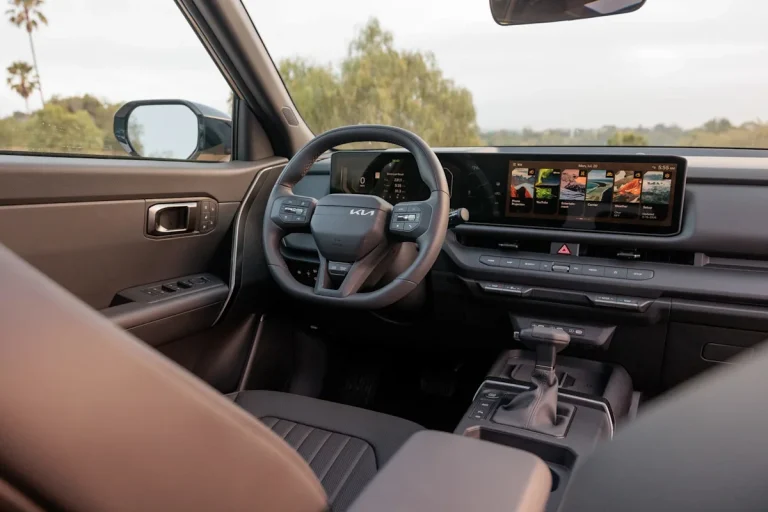
- Digital Cockpit: A massive, configurable digital instrument cluster will likely become standard, paired with an even larger, vertically or horizontally oriented central touchscreen. Ford’s SYNC infotainment system, now in its latest iteration, will be lightning-fast and highly intuitive, with seamless smartphone integration (wireless Apple CarPlay and Android Auto) and over-the-air (OTA) update capabilities.
- Premium Materials: A focus on elevated materials, soft-touch surfaces, and sophisticated trim options will be key. Sustainable materials, recycled plastics, and perhaps even vegan leather options could be offered, reflecting growing consumer demand.
- Enhanced Comfort & Versatility: Expect improved seating ergonomics across all three rows, with greater adjustability and potential for captain’s chairs in the second row. Smart storage solutions, more USB-C ports, and an available panoramic sunroof will continue to enhance passenger comfort.
- Ambient Lighting: Customizable ambient lighting will create a more inviting and premium cabin atmosphere.
2. Powertrain Prowess: The Electrification Imperative
This is perhaps the most critical aspect of the 2026 Explorer. Ford has committed heavily to electrification, and the next-gen Explorer will undoubtedly reflect this strategy.
- Internal Combustion Engine (ICE): While a fully electric Explorer is a strong possibility, Ford isn’t likely to abandon its traditional powertrains entirely, especially for a volume seller. An updated 2.3-liter EcoBoost four-cylinder (turbocharged) will likely serve as the base engine, offering a balance of power and efficiency. A more potent V6 EcoBoost (possibly a 3.0-liter twin-turbo) could power the sportier ST variant. Both would be paired with Ford’s smooth 10-speed automatic transmission.
- Hybrid Options: A more advanced hybrid powertrain is almost a certainty. The current Explorer Hybrid is competitive, but the 2026 version could see a more powerful, more efficient system, possibly incorporating a plug-in hybrid (PHEV) variant. A PHEV Explorer would offer a significant electric-only range (perhaps 30-50 miles), appealing to eco-conscious buyers and those seeking tax incentives.
- Full Electric (BEV) Explorer: This is the big question mark, but a highly probable one for a 2026 redesign. Ford’s new EV platforms (like the one underpinning the Mustang Mach-E or F-150 Lightning) could be adapted for the Explorer. A dedicated EV Explorer would offer instant torque, silent operation, and potentially impressive range (300+ miles), positioning it directly against upcoming electric SUVs from rivals. It would also differentiate itself visually and technologically from its ICE/hybrid siblings. This would be a game-changer for the Explorer lineup.
3. Technological Leap: Safety, Connectivity, and Autonomous Capabilities
The 2026 Explorer will be a technological showcase.
- Ford Co-Pilot360™ Suite: This comprehensive safety suite will be expanded and refined. Expect advanced features like enhanced adaptive cruise control with lane centering, evasive steering assist, reverse brake assist, and improved blind-spot monitoring.
- BlueCruise: Ford’s hands-free highway driving system, BlueCruise, is a strong candidate for inclusion, offering a truly premium semi-autonomous driving experience on approved highways. This technology would likely be available on higher trims or as an option.
- Connectivity: 5G connectivity, over-the-air updates for vehicle systems, and seamless integration with smart home devices are all on the horizon. Expect a comprehensive suite of connected services, including remote start, vehicle health reports, and location tracking via the FordPass app.
- Advanced Driver-Assistance Systems (ADAS): New sensor arrays, including potentially LiDAR, could enable even more sophisticated ADAS features, paving the way for future levels of autonomous driving.
4. Platform & Dynamics: Refinement and Ride Quality
The current Explorer utilizes a rear-wheel-drive biased platform (CD6). The 2026 model will likely continue with an evolution of this platform, or a new, highly flexible architecture designed to accommodate multiple powertrains, including a dedicated EV variant. This means:
- Improved Ride Quality: Expect even greater refinement in ride comfort, absorbing road imperfections with greater poise.
- Sharper Handling: Despite its size, the Explorer has always aimed for a confident driving feel. The new platform, combined with potential advancements in suspension technology (e.g., adaptive dampers), could deliver a more engaging and precise driving experience.
- Enhanced AWD: Ford’s intelligent all-wheel-drive (AWD) system will be further optimized for various terrains and conditions, offering greater confidence in adverse weather.
Part 2: The Anticipated Launch – 2026 Ford Explorer Release Date
Predicting exact release dates in the automotive industry is always challenging, especially with ongoing global supply chain fluctuations and component shortages. However, based on Ford’s typical product cycles and the 2025 refresh, we can make an educated guess.
- Official Reveal: Expect the 2026 Ford Explorer to be officially revealed in late 2025, possibly at a major auto show (like the Los Angeles Auto Show in November) or a dedicated online event. Ford often prefers to generate buzz with a standalone reveal.
- Production Start: Production for the 2026 model year would typically commence in late 2025 or very early 2026.
- Dealership Arrival: The first units are likely to hit dealership lots in Spring 2026, with broader availability throughout the summer of 2026. This allows Ford to build up inventory and generate excitement.
- Pre-Orders: For highly anticipated models, Ford often opens up pre-orders shortly after the official reveal. If a full EV variant is offered, expect pre-orders to be crucial for securing an early build slot.
Factors That Could Influence the Timeline:
- Supply Chain: Lingering chip shortages or other component supply issues could push the timeline back.
- Software Development: The complexity of new infotainment and ADAS systems can sometimes lead to delays if software isn’t fully optimized.
- Competitive Pressure: If a key rival unveils a compelling new product, Ford might accelerate or adjust its plans.
- Regulatory Changes: Evolving emissions or safety regulations could also impact development and release.
Part 3: Your Ultimate Buying Guide for the 2026 Ford Explorer
Preparing for a major vehicle purchase requires diligence and strategy. Here’s a comprehensive guide to navigate the acquisition of the 2026 Ford Explorer.
1. Define Your Needs and Budget:
Before you even think about trims, answer these fundamental questions:
- Capacity: How many passengers do you regularly carry? Do you need third-row access frequently?
- Cargo: What kind of gear do you haul? Does it need to be large, bulky, or heavy?
- Performance: Do you prioritize fuel economy, spirited acceleration, or off-road capability?
- Technology: What are your must-have tech features (e.g., specific screen size, hands-free driving, advanced safety)?
- Fuel Type: Are you committed to gasoline, interested in hybrid efficiency, or ready to jump to full electric?
- Budget: Be realistic about your maximum monthly payment (financing or leasing), insurance costs, and potential charging/fuel costs. Remember to factor in sales tax, registration, and potential dealer fees.
2. Understanding Trim Levels (Speculative for 2026):
Ford typically offers a range of trims, each catering to different preferences and price points. While specific names and features may shift, here’s an educated guess for the 2026 Explorer:
- Base Explorer: The entry point. Expect core features like a standard touchscreen, essential safety tech, cloth upholstery, and basic connectivity. Likely to be the ICE 2.3L EcoBoost. Target Buyer: Budget-conscious families needing space and utility without all the bells and whistles.
- Explorer XLT: A significant step up in value. Adds more comfort and convenience features like power-adjustable seats, upgraded infotainment, roof rails, and perhaps nicer interior trim. Target Buyer: Families seeking a good balance of features and affordability.
- Explorer Limited: The first foray into luxury. Expect leather upholstery, larger infotainment screen, premium audio, advanced driver aids, heated/ventilated seats, and more refined interior accents. Hybrid powertrain likely to be available or standard here. Target Buyer: Those who appreciate comfort, convenience, and a touch of luxury.
- Explorer ST-Line: Focuses on sporty aesthetics without the full performance upgrade. Think unique exterior styling, blacked-out trim, sport-tuned suspension (possibly), and a sportier interior theme. Target Buyer: Drivers who want the look and feel of performance without the higher price tag of the full ST model.
- Explorer ST: The performance variant. Likely to feature a potent V6 EcoBoost engine, sport-tuned suspension, larger brakes, aggressive exterior styling, and a performance-oriented interior. Target Buyer: Enthusiasts who want a true performance SUV capable of thrilling drives.
- Explorer Platinum: The pinnacle of luxury and technology. All the features of the Limited, plus unique exterior chrome, premium leather, advanced massaging seats, head-up display, and potentially BlueCruise as standard. Target Buyer: Discerning buyers who want the absolute best in comfort, technology, and prestige.
- Explorer EV (Hypothetical): If a dedicated electric model launches, it might have its own unique trim structure, possibly mirroring Ford’s current EV naming conventions (e.g., Select, Premium, GT). It would boast impressive range, fast charging, and unique EV-specific features. Target Buyer: Early adopters, eco-conscious buyers, and those prioritizing silent operation and lower running costs.
3. Pricing & Options (Speculative):
- MSRP: Expect a slight increase over the current generation, reflecting the significant redesign and technological upgrades.
- Base: ~$38,000 – $42,000
- XLT: ~$43,000 – $48,000
- Limited: ~$50,000 – $55,000
- ST-Line: ~$52,000 – $57,000
- ST: ~$58,000 – $63,000
- Platinum: ~$65,000 – $70,000+
- Explorer EV (if launched): ~$50,000 – $75,000 (highly dependent on battery size and performance).
- Options & Packages: Ford typically offers various packages (e.g., Technology Package, Towing Package, Co-Pilot360 Assist+ Package) that bundle popular features at a discount. Individual options like panoramic sunroofs, premium paint colors, and specific wheel designs will also be available. These can add several thousand dollars to the final price.
- Destination Charge: Don’t forget the non-negotiable destination charge (typically $1,200-$1,800), which is added to all new vehicles.
4. Financing vs. Leasing:
- Financing (Buying):
- Pros: You own the vehicle outright after payments, build equity, no mileage restrictions, can customize it, can sell/trade it whenever you want.
- Cons: Higher monthly payments, responsible for all maintenance and repairs after warranty, vehicle depreciates over time.
- Best for: Those who drive many miles, plan to keep the vehicle for 5+ years, or want to customize their vehicle.
- Leasing:
- Pros: Lower monthly payments, always driving a new car, typically covered by warranty for the lease term, no hassle of selling/trading.
- Cons: Mileage restrictions (overage fees), no equity, wear and tear charges, difficult to customize, tied to a contract.
- Best for: Those who prefer new cars every few years, drive predictable mileage, or want lower monthly payments.
5. The Dealership Experience & Negotiation:
- Research: Arm yourself with knowledge. Know the MSRP, invoice price (if available), and what similar models are selling for in your area. Websites like Edmunds, Kelley Blue Book, and TrueCar are invaluable.
- Test Drive: This is non-negotiable. Test drive the exact trim and powertrain configuration you’re considering. Pay attention to ride quality, acceleration, braking, visibility, infotainment usability, and comfort for all passengers. If possible, test drive it on various road types.
- Negotiation:
- Focus on the "Out-the-Door" Price: This includes the vehicle price, taxes, fees, and any add-ons. Don’t just focus on the monthly payment.
- Be Prepared to Walk Away: This is your most powerful negotiating tool.
- Trade-in: Get an independent appraisal for your trade-in before going to the dealer. Consider selling it privately if you can get more.
- Financing: Get pre-approved for a loan from your bank or credit union before visiting the dealership. This gives you leverage and a comparison point for the dealer’s financing offers.
- Avoid Unnecessary Add-ons: Resist pressure to buy extended warranties, paint protection, or VIN etching unless you’ve researched them and truly want them.
- Pre-Orders: For the 2026 Explorer, especially if it’s a revolutionary redesign or includes an EV variant, pre-ordering might be necessary to secure an early model. Be clear on deposit terms and expected delivery windows.
6. When to Buy:
- Early Adopter: If you want the latest tech and design, are willing to pay closer to MSRP, and potentially deal with initial production quirks, buy soon after release.
- Waiting for Deals: If you’re patient, incentives typically start appearing a few months after launch, and then again towards the end of the model year (late 2026/early 2027) when Ford wants to clear inventory for the 2027 models. Black Friday, year-end sales, and holiday events are also good times for potential deals.
7. Post-Purchase Considerations:
- Warranty: Understand Ford’s basic (3-year/36,000-mile) and powertrain (5-year/60,000-mile) warranties. EV components typically have longer warranties.
- Maintenance: Familiarize yourself with the recommended service schedule. Modern Fords often have longer intervals, but regular oil changes, tire rotations, and fluid checks are crucial.
- Insurance: Get insurance quotes before buying. A brand-new, technologically advanced SUV will likely have higher premiums.
- FordPass App: Download and utilize the FordPass app for remote start, vehicle status, service scheduling, and potentially charging network access for EV models.
Part 4: The Competitive Landscape
The 2026 Ford Explorer will face fierce competition in the mid-size SUV segment. Key rivals include:
- Toyota Grand Highlander / Highlander: Known for reliability, strong hybrid options, and now the Grand Highlander offering even more space.
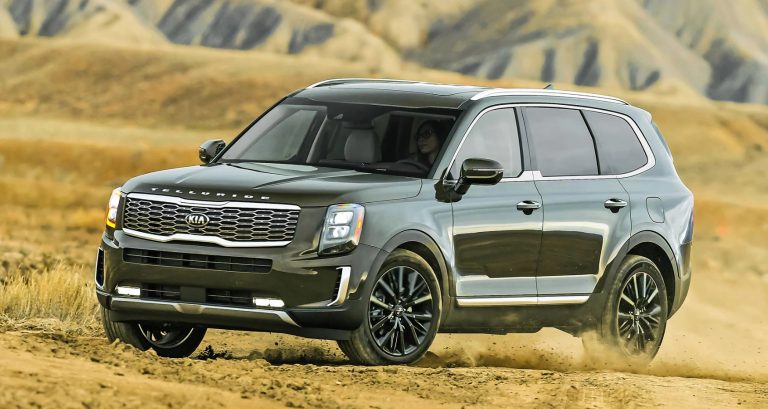
- Kia Telluride / Hyundai Palisade: These Korean twins are celebrated for their upscale interiors, distinctive styling, and excellent value.
- Honda Pilot: A practical, family-friendly choice with a reputation for dependability and smart packaging.
- Chevrolet Traverse / GMC Acadia: GM’s entries offer spacious interiors and strong V6 power, with the Acadia leaning more upscale.
- Volkswagen Atlas: A spacious and straightforward SUV with German engineering.
- Jeep Grand Cherokee L: Offers more rugged capability and a premium feel, especially in higher trims.
- Upcoming EV Rivals: The landscape for electric three-row SUVs will grow rapidly by 2026, with potential entries from brands like Hyundai, Kia, Chevrolet, and even new startups.
The 2026 Explorer will need to differentiate itself with a compelling blend of design, technology, performance (especially its hybrid and potential EV offerings), and overall value to stand out in this crowded field.
Conclusion: A New Chapter for an American Icon
The 2026 Ford Explorer isn’t just a new model year; it’s anticipated to be a pivotal moment for an automotive legend. With a comprehensive redesign, a focus on cutting-edge technology, and a clear path towards electrification, it aims to redefine what a family SUV can be in the modern era.
As the wraps slowly come off and official details emerge, the excitement will only build. By following this guide, understanding the likely changes, and planning your purchase strategically, you’ll be well-prepared to welcome the next chapter of the Ford Explorer – a vehicle poised to once again lead the charge into the future of family adventure. Get ready, because the horizon for the Explorer looks brighter than ever.