The mid-size sedan segment, while facing intense competition from the surging popularity of SUVs and crossovers, remains a vital battleground for manufacturers committed to delivering style, efficiency, and driving dynamics in a traditional package. Among the contenders, the Hyundai Sonata has consistently carved out a niche, evolving from a value-oriented choice to a design-forward, tech-laden offering. As we look ahead, the 2026 Hyundai Sonata is poised to continue this evolution, building on recent dramatic facelifts and technological advancements to deliver a compelling option for discerning buyers.
This comprehensive article offers a full review of the anticipated 2026 Hyundai Sonata, delving into its expected design, interior comforts, cutting-edge technology, powertrain options, safety features, and a projected look at its pricing and trim levels. Whether you’re a long-time Sonata enthusiast, considering a switch from an SUV back to a sedan, or simply exploring your next vehicle purchase, this guide aims to provide you with all the information you need to understand what the 2026 Hyundai Sonata might bring to the automotive landscape.
Overview / Key Highlights
The 2026 Hyundai Sonata is expected to represent a mature iteration of the current generation, which received a significant design overhaul in 2024. This mid-cycle refresh dramatically reshaped the Sonata’s exterior, giving it a sharper, more aggressive, and undeniably futuristic appearance that aligns with Hyundai’s latest design philosophy seen across models like the Kona and Santa Fe. For 2026, we anticipate a refinement of this bold aesthetic, coupled with incremental but impactful upgrades to its interior, technology suite, and potentially its powertrain offerings.
Key highlights of the anticipated 2026 Hyundai Sonata are likely to include:
- Striking Exterior Design: Further refinement of the "seamless horizon lamp" LED daytime running lights and a sleek, coupe-like silhouette.
- Upscale and Ergonomic Interior: A driver-focused cockpit featuring premium materials and an intuitive layout.
- Advanced Infotainment System: Dual integrated displays, wireless connectivity, and over-the-air (OTA) update capabilities.
- Efficient Powertrains: A range of gasoline and highly efficient hybrid options designed for both performance and fuel economy.
- Comprehensive Safety Suite: An enhanced Hyundai SmartSense package with leading driver-assistance technologies.
- Competitive Pricing: Continuing Hyundai’s tradition of offering exceptional value for money in its segment.
The 2026 Hyundai Sonata aims to appeal to a wide array of buyers, from young professionals seeking a stylish and technologically advanced daily driver to families looking for a spacious, safe, and efficient sedan.
Exterior Design and Styling
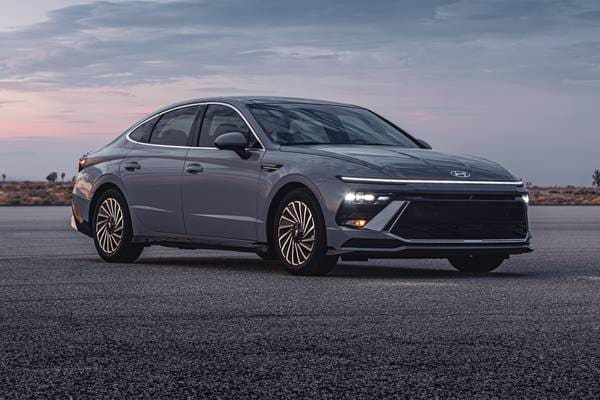
Building on the dramatic visual statement made by the 2024 facelift, the 2026 Hyundai Sonata is expected to maintain its head-turning presence while potentially introducing subtle enhancements. The overarching theme will remain "Sensuous Sportiness," with a focus on clean lines, dynamic proportions, and distinctive lighting signatures.
At the front, the signature full-width "seamless horizon lamp" LED light bar, which seamlessly integrates into the hood line, is expected to remain a defining feature, giving the Sonata an unmistakable and futuristic face, especially at night. The main headlamps will likely remain cleverly integrated into the lower, wider grille, contributing to a low, wide stance that exudes sportiness. Minor revisions to the grille pattern or bumper inserts might be introduced to refresh the look without a complete overhaul.
The side profile of the 2026 Hyundai Sonata will continue its sleek, coupe-like silhouette, characterized by a fastback roofline that elegantly slopes towards the rear. Dynamic character lines will likely flow from the front fenders to the taillights, creating a sense of motion even when stationary. New wheel designs, possibly ranging from 17 to 19 inches, are a common update for subsequent model years, offering fresh aesthetic appeal and potentially improved aerodynamics.
At the rear, the full-width H-shaped LED taillights are anticipated to carry over, reinforcing the car’s broad and stable posture. These taillights are a key part of the Sonata’s modern identity, providing excellent visibility and a premium look. Exhaust outlets might see minor stylistic tweaks, especially on sportier N Line variants, to further emphasize performance. Overall, the 2026 Hyundai Sonata will likely continue to be one of the most visually distinctive vehicles in its class, challenging traditional notions of sedan design.
Interior, Space, and Comfort
Stepping inside the 2026 Hyundai Sonata, you can expect an interior that harmonizes modern aesthetics with practical ergonomics and luxurious comfort. The cabin is designed to be driver-centric, yet equally accommodating for passengers, offering a spacious and inviting environment.
The layout is anticipated to feature a horizontal design language, enhancing the perception of width and openness. Premium materials, including soft-touch surfaces, refined upholstery options (cloth, leatherette, and genuine leather), and sophisticated trim accents, will likely be standard or available across different trim levels. The steering wheel, a crucial point of interaction, is expected to be ergonomically designed, possibly with an updated look, integrating essential controls for audio, cruise control, and infotainment.
Front occupants will benefit from supportive seats with ample adjustability, potentially including power adjustments, heating, and ventilation on higher trims. The driving position is expected to be excellent, offering a clear view of the road and intuitive access to all controls. Rear seat passengers will appreciate the generous legroom and headroom, which are often a strong suit of the Sonata, making it suitable for adult passengers on longer journeys. The fastback roofline, despite its sporty appearance, does not significantly compromise rear passenger comfort.
Storage solutions are expected to be plentiful and well-thought-out, including a spacious center console, door pockets, and a sizable glove compartment. The trunk capacity, which is already competitive, should remain generous, easily accommodating luggage for family trips or large grocery hauls. Noise, vibration, and harshness (NVH) levels are expected to be well-managed, providing a quiet and serene cabin experience, a hallmark of modern Hyundai vehicles.
Technology and Infotainment
The 2026 Hyundai Sonata will undoubtedly push the boundaries of in-car technology, offering a suite of features designed to enhance connectivity, convenience, and entertainment. Central to the interior’s tech appeal will be the integrated display system.
We expect a panoramic curved display housing two 12.3-inch screens: one for the digital instrument cluster and another for the infotainment touchscreen. This seamless integration provides a sleek, high-tech look and excellent readability. The infotainment system is anticipated to run on Hyundai’s latest software, offering intuitive menus, crisp graphics, and rapid response times.
Key infotainment features for the 2026 Hyundai Sonata will likely include:
- Wireless Apple CarPlay and Android Auto: Seamless smartphone integration without the need for cables.
- Navigation System: Integrated, turn-by-turn navigation with real-time traffic updates.
- Voice Recognition: Advanced voice commands for various vehicle functions.
- Bluelink® Connected Car Services: A suite of subscription-based services offering remote start, remote lock/unlock, vehicle locator, roadside assistance, and more.
- Over-the-Air (OTA) Updates: Ability to update vehicle software, including infotainment and potentially other systems, remotely.
- Premium Audio System: An available Bose® premium audio system for an immersive listening experience.
- Wireless Charging Pad: Convenient charging for compatible smartphones.
- USB-C Ports: Multiple ports for charging and data connectivity throughout the cabin.
Further enhancing convenience, the 2026 Sonata could feature Hyundai Digital Key 2, allowing owners to use their smartphone as a car key, and potentially a head-up display (HUD) on higher trims, projecting crucial driving information onto the windshield. The overall technological package will be comprehensive, designed to keep you connected, informed, and entertained on every journey.
Engine / Powertrain, Performance, and Fuel Economy
While official specifications for the 2026 model are pending, we expect the Hyundai Sonata to continue offering a range of efficient and capable powertrains, prioritizing a balance of performance and fuel economy. Hyundai’s Smartstream engine family will likely be at the core of these offerings.
The base engine is anticipated to be a naturally aspirated 2.5-liter GDI (Gasoline Direct Injection) four-cylinder engine, producing around 191 horsepower and 181 lb-ft of torque. This engine, paired with an 8-speed automatic transmission, offers smooth power delivery and excellent reliability for daily driving, with estimated fuel economy figures in the high 20s to low 30s MPG combined.
For those seeking a sportier experience, the N Line variant of the 2026 Hyundai Sonata is expected to feature a more potent turbocharged 2.5-liter GDI four-cylinder engine. This powerhouse is likely to produce approximately 290 horsepower and 311 lb-ft of torque, coupled with an 8-speed wet dual-clutch transmission (DCT). The N Line will offer significantly more exhilarating acceleration and sharper handling, appealing to driving enthusiasts without sacrificing too much on practicality.
Given the industry’s shift towards electrification, a refined hybrid variant of the 2026 Hyundai Sonata is a near certainty. This system will likely combine a 2.0-liter GDI four-cylinder engine with an electric motor, delivering a combined output that offers robust acceleration while achieving impressive fuel efficiency, potentially in the mid-40s MPG combined. The hybrid model will emphasize seamless transitions between electric and gasoline power, offering a smooth and quiet ride, especially in urban environments. All Sonata models are expected to remain front-wheel drive, with no current indications of an all-wheel-drive option for the sedan.
Safety and Driver-Assistance Features
Safety is a paramount concern for Hyundai, and the 2026 Sonata is expected to come equipped with an extensive array of passive and active safety features, anchored by the comprehensive Hyundai SmartSense suite. This integrated system of advanced driver-assistance systems (ADAS) is designed to protect occupants and help prevent accidents.
Standard safety features across the 2026 Hyundai Sonata lineup will likely include:
- Forward Collision-Avoidance Assist (FCA): Detects vehicles, pedestrians, and cyclists, and can apply emergency braking if a collision is imminent.
- Lane Keeping Assist (LKA) & Lane Following Assist (LFA): Helps keep the vehicle centered in its lane.
- Blind-Spot Collision-Avoidance Assist (BCA): Provides visual and audible warnings, and can apply brake force to help prevent collisions when changing lanes.
- Rear Cross-Traffic Collision-Avoidance Assist (RCCA): Warns the driver and can apply braking if cross-traffic is detected while backing up.
- Smart Cruise Control (SCC) with Stop & Go: Maintains a set distance from the vehicle ahead and can bring the car to a complete stop and restart.
- Driver Attention Warning (DAW): Monitors driving patterns and provides alerts if signs of drowsy or inattentive driving are detected.
- High Beam Assist (HBA): Automatically switches between high and low beams.
- Rear Occupant Alert (ROA): Reminds drivers to check the rear seats for children or pets.
Higher trims of the 2026 Hyundai Sonata are anticipated to offer even more advanced features, such as:
- Highway Driving Assist (HDA): A semi-autonomous driving feature that combines Smart Cruise Control with Lane Following Assist for easier highway driving.
- Remote Smart Parking Assist (RSPA): Allows the vehicle to park itself in and out of tight spots while the driver stands outside.
- Surround View Monitor (SVM): Provides a 360-degree bird’s-eye view of the vehicle for easier parking and maneuvering.
- Blind-Spot View Monitor (BVM): Displays a live video feed of the blind spots in the instrument cluster when the turn signal is activated.
With these features, the 2026 Hyundai Sonata aims to achieve top safety ratings, providing peace of mind for you and your passengers.
Trims, Pricing, and Value for Money
The 2026 Hyundai Sonata is expected to continue its tradition of offering a well-defined trim structure, providing options for various budgets and preferences, all while maintaining Hyundai’s reputation for exceptional value. While specific pricing will only be revealed closer to its launch, we can project a range based on current models and anticipated market adjustments.
Expected trim levels for the 2026 Hyundai Sonata will likely include:
- SE: The entry-level model, offering a strong foundation of standard features, including the 2.5L engine, essential SmartSense safety features, and the integrated display screens.
- SEL: A popular mid-range trim that adds more comfort and convenience features, such as power-adjustable driver’s seat, heated front seats, wireless phone charging, and potentially larger wheels.
- N Line: The performance-oriented trim, featuring the turbocharged 2.5L engine, sport-tuned suspension, unique exterior styling cues, and a more aggressive interior.
- Limited: The top-tier luxury trim, packing all available features, including leather upholstery, ventilated front seats, premium audio, advanced SmartSense features like Highway Driving Assist, and a panoramic sunroof.
- Hybrid (Blue/SEL/Limited equivalent): Dedicated hybrid trims that mirror the feature sets of their gasoline counterparts but with the fuel-efficient hybrid powertrain.
Projected Pricing:
Given the current market trends and the anticipated enhancements, the 2026 Hyundai Sonata is expected to have a starting MSRP in the mid-$20,000s for the base SE model. The popular SEL trim might fall in the high-$20,000s to low-$30,000s. The performance-focused N Line could be priced in the mid-$30,000s, while the fully loaded Limited trim and the top-tier Hybrid models could reach into the high-$30,000s to low-$40,000s.
These prices represent highly competitive offerings in the mid-size sedan segment, especially when considering the generous standard features and advanced technology that Hyundai typically provides. The 2026 Hyundai Sonata will continue to offer excellent value for money, making premium features accessible to a broader audience.
Pros and Cons
Like any vehicle, the 2026 Hyundai Sonata will have its strengths and potential drawbacks. Understanding these can help you determine if it’s the right fit for your needs.
Pros:
- Striking and Modern Design: One of the most visually distinctive sedans on the market, standing out from the crowd.
- Feature-Rich Interior: Offers an abundance of standard and available technology, comfort, and convenience features.
- Comprehensive Safety Suite: Hyundai SmartSense provides a high level of active and passive safety.
- Strong Powertrain Options: From efficient naturally aspirated to powerful turbocharged and highly economical hybrid choices.
- Spacious and Comfortable Cabin: Ample room for passengers and cargo, making it practical for families.
- Excellent Value for Money: Provides a premium experience at a competitive price point.
- Long Warranty: Hyundai’s industry-leading warranty offers peace of mind.
Cons:
- No All-Wheel Drive Option: Unlike some rivals, the Sonata is expected to remain front-wheel drive only, which might be a drawback for those in snowy climates.
- Fastback Design Impacts Rear Headroom (Slightly): While generally spacious, the sloping roofline can slightly impinge on headroom for very tall rear passengers.
- Ride Comfort (N Line): The sportier N Line’s stiffer suspension might be less comfortable for some over rougher roads compared to standard trims.
- Market Preference for SUVs: Sedans, in general, face an uphill battle against the popularity of SUVs, potentially impacting resale value compared to some crossovers.
- Infotainment Learning Curve: While advanced, the extensive features might require a short learning period for some users.
Rivals and Alternatives / Comparisons
The mid-size sedan segment, while shrinking, remains fiercely competitive. The 2026 Hyundai Sonata will go head-to-head with several established and formidable rivals, each offering its own blend of strengths.
- Toyota Camry: The segment sales leader, known for its bulletproof reliability, strong hybrid options, and available AWD. The Camry typically offers a more conservative design but excels in practicality and fuel efficiency.
- Honda Accord: Renowned for its refined driving dynamics, spacious interior, and excellent fuel economy, particularly with its hybrid powertrain. The Accord generally strikes a balance between sportiness and comfort.
- Kia K5: The Sonata’s corporate cousin, sharing many underlying components but offering a distinctively aggressive design and a slightly different driving feel. The K5 often appeals to buyers looking for a sportier aesthetic.
- Nissan Altima: Offers comfortable seating, a capable VC-Turbo engine option, and available AWD. The Altima focuses on comfort and ease of driving.
- Subaru Legacy: The only sedan in the segment to offer standard AWD across all trims, making it a strong choice for those in regions with harsh winters. Its design is more understated, and it emphasizes safety and reliability.
When comparing the 2026 Hyundai Sonata to these rivals, you’ll find that the Sonata often stands out with its bold design, cutting-edge technology integration, and generous standard features for the price. While some rivals might offer AWD or a slightly more conservative appeal, the Sonata’s futuristic styling and comprehensive tech suite often give it an edge for buyers looking for something truly modern.
Buying Tips and Who This Car Is Best For
If you’re considering the 2026 Hyundai Sonata, here are some buying tips and an idea of who this car is best suited for:
Buying Tips:
- Stay Updated: Since it’s a future model, keep an eye on official Hyundai announcements closer to the release date for confirmed specifications, features, and pricing.
- Test Drive Different Trims: Once available, drive both the standard gasoline and hybrid models to experience the differences in power delivery and fuel economy. If you’re considering the N Line, make sure its sportier ride suits your preferences.
- Evaluate Your Needs: If AWD is a must-have due to your climate, you might need to look at alternatives like the Toyota Camry AWD, Nissan Altima AWD, or Subaru Legacy.
- Consider the Warranty: Hyundai’s 10-year/100,000-mile powertrain warranty is a significant advantage and offers long-term peace of mind.
- Explore Financing Options: Hyundai often offers competitive financing and lease deals. Research these thoroughly or work with your dealer to find the best option for your budget.
- Don’t Forget Dealer Options/Packages: Be clear on what optional packages or accessories you want and factor them into your overall budget.
Who This Car Is Best For:
- Design-Conscious Buyers: If you want a sedan that truly stands out from the crowd with a futuristic and sporty aesthetic, the Sonata is an excellent choice.
- Tech Enthusiasts: With its dual integrated displays, wireless connectivity, and comprehensive SmartSense suite, it caters to those who appreciate cutting-edge in-car technology.
- Families and Commuters: The spacious interior, comfortable ride, and excellent safety features make it a practical and safe choice for daily commutes and family trips.
- Value Seekers: The 2026 Hyundai Sonata is expected to continue offering a high level of features and refinement at a competitive price, providing significant bang for your buck.
- Hybrid Advocates: For those prioritizing fuel efficiency and lower emissions without sacrificing style or space, the anticipated Sonata Hybrid will be a compelling option.
- Performance Enthusiasts (N Line): If you desire a mid-size sedan with surprising power and engaging driving dynamics, the N Line trim will likely hit the mark.
Final Verdict / Conclusion
The 2026 Hyundai Sonata is poised to solidify its position as a highly attractive and formidable contender in the mid-size sedan segment. By building on its recent dramatic design overhaul and Hyundai’s relentless pursuit of technological advancement, it promises to deliver a vehicle that is not only visually stunning but also incredibly smart, safe, and satisfying to drive.
With its anticipated refined exterior, upscale and tech-laden interior, diverse and efficient powertrain options, and a comprehensive suite of safety features, the 2026 Hyundai Sonata offers a compelling package for a wide range of buyers. Whether you prioritize style, technology, efficiency, or value, the Sonata is designed to exceed expectations. While SUVs may dominate the market, the 2026 Hyundai Sonata stands as a testament to the enduring appeal and innovation possible within the sedan category, proving that style, substance, and cutting-edge features can still come in a sleek, four-door package. If you’re in the market for a new mid-size sedan, keeping the 2026 Hyundai Sonata on your radar is an absolute must.