In an automotive landscape increasingly dominated by SUVs and crossovers, the mid-size sedan segment continues to hold a vital place for many discerning buyers. These vehicles offer a compelling blend of practicality, fuel efficiency, comfortable rides, and increasingly sophisticated technology, often at a more accessible price point than their SUV counterparts. Among the stalwarts of this segment, the Hyundai Sonata has consistently stood out for its distinctive design, generous feature set, and strong value proposition.
As we look ahead to the 2026 model year, the Hyundai Sonata is poised to further refine its offering, building on its reputation for innovation and style. The burning question for many prospective car buyers is: with a host of formidable rivals, can the 2026 Hyundai Sonata truly claim the title of the best sedan for the money? This comprehensive article will delve deep into what the 2026 Sonata is expected to offer, how it stacks up against its key competitors, and ultimately help you decide if it’s the right choice for your garage.
Overview / Key Highlights of the 2026 Hyundai Sonata
The 2026 Hyundai Sonata is anticipated to carry forward the brand’s commitment to bold design and cutting-edge technology, likely with incremental refinements based on its most recent major refresh. Expect a vehicle that continues to push boundaries in styling while offering a refined and feature-rich interior. Hyundai has consistently impressed with its value-for-money proposition, and the 2026 Sonata is expected to uphold this tradition, packing a wealth of standard features and advanced safety technologies across its trim levels. Its comprehensive warranty program also remains a significant draw, offering peace of mind that few competitors can match.
Exterior Design and Styling
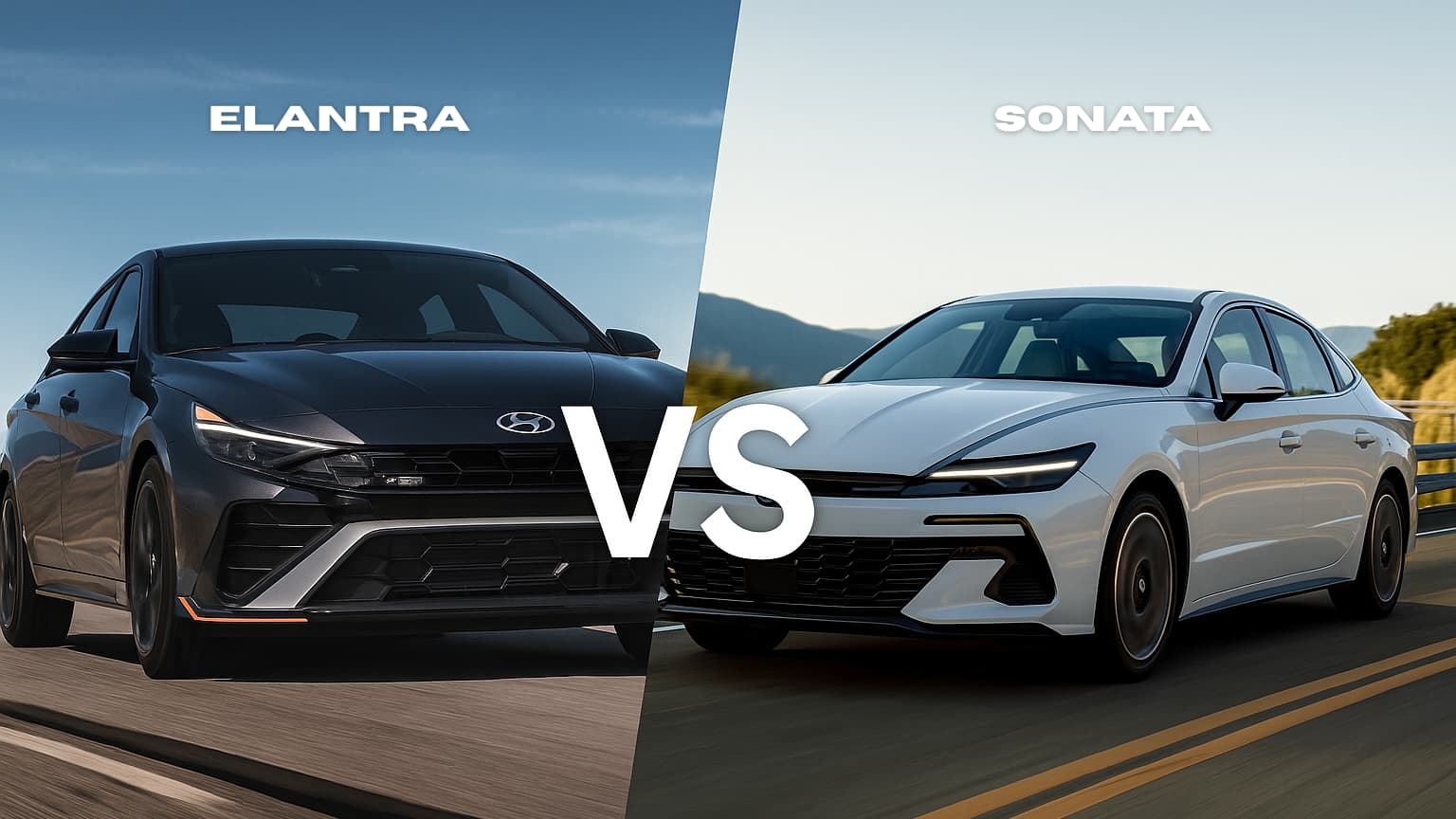
Hyundai’s "Sensuous Sportiness" design philosophy has given the Sonata a unique and often polarizing aesthetic, but one that undeniably stands out from the crowd. For 2026, we anticipate the Sonata to maintain its sleek, coupe-like silhouette, characterized by a low roofline and a fastback-style rear. Signature elements such as the sharp, integrated daytime running lights that blend into the chrome trim along the hood are likely to continue, creating a distinctive front fascia. The wide, aggressive grille, possibly with new patterns or finishes, will dominate the front, flanked by slim, futuristic LED headlights.
Around the side, character lines will flow dynamically, emphasizing its length and athleticism. The rear design is expected to be equally distinctive, featuring a full-width LED light bar that accentuates the car’s width and gives it a premium, modern look. Wheel designs are likely to be updated, offering more contemporary and stylish options across different trims. Overall, the 2026 Sonata is expected to be a head-turner, appealing to buyers who want a mid-size sedan that doesn’t blend into the background.
Interior, Space, and Comfort
Step inside the 2026 Hyundai Sonata, and you’re likely to be greeted by a cabin that prioritizes both modern aesthetics and passenger comfort. Hyundai has a knack for creating interiors that feel more upscale than their price point suggests, and the Sonata is no exception. We expect high-quality materials, soft-touch surfaces, and thoughtful design details throughout.
Space is a strong suit for the Sonata. Both front and rear passengers will enjoy ample head- and legroom, making it a comfortable choice for long journeys or for carrying adults in the back seat. The ergonomic design of the dashboard places controls intuitively within reach, while the seats themselves are expected to offer excellent support and adjustability. Higher trims will undoubtedly feature luxurious touches like leather upholstery, heated and ventilated front seats, heated rear seats, and a panoramic sunroof, enhancing the overall sense of comfort and refinement. The trunk space is also competitive for the segment, offering enough room for groceries, luggage, or sports equipment, further cementing its practicality for families and individuals alike.
Technology and Infotainment
Technology is a cornerstone of the modern automotive experience, and the 2026 Hyundai Sonata is expected to be a tech-forward vehicle. The centerpiece of the cabin will likely be a large, horizontally oriented infotainment touchscreen, seamlessly integrated into the dashboard. Expect crisp graphics, intuitive menus, and rapid response times. Standard features will almost certainly include wireless Apple CarPlay and Android Auto, a must-have for seamless smartphone integration.
Higher trims will likely offer a larger screen, built-in navigation, a premium audio system (such as Bose), and a fully digital instrument cluster that can be customized to display various driving information. Other anticipated tech features include multiple USB-C ports, wireless charging pad, Hyundai Digital Key (allowing you to use your smartphone as a car key), and over-the-air (OTA) software updates, ensuring your vehicle’s systems stay current. This comprehensive tech suite significantly boosts the Sonata’s appeal, especially for tech-savvy buyers.
Engine / Powertrain, Performance, and Fuel Economy
The 2026 Hyundai Sonata is expected to offer a range of powertrain options designed to balance performance and fuel efficiency. We anticipate a standard naturally aspirated 2.5-liter four-cylinder engine, providing a good balance of power for daily driving and respectable fuel economy. For those seeking more zest, a turbocharged 2.5-liter four-cylinder engine, potentially carried over from the N Line variant, would deliver significantly more horsepower and torque, transforming the Sonata into a genuinely sporty sedan.
Hybrid options are also a given, catering to eco-conscious buyers. A conventional hybrid model, combining a smaller gasoline engine with an electric motor, will offer impressive fuel economy figures, particularly in city driving. Hyundai’s hybrid systems are known for their smooth transitions between electric and gasoline power, contributing to a refined driving experience. All powertrains are expected to be paired with smooth-shifting automatic transmissions, with the N Line potentially offering a more performance-oriented dual-clutch transmission.
In terms of driving dynamics, the Sonata generally strikes a good balance between a comfortable, composed ride and confident handling. While not a dedicated sports sedan (unless in N Line trim), it feels stable and secure on the highway, with well-weighted steering. Fuel economy figures for the hybrid variants are expected to be class-leading, while the gasoline engines will offer competitive MPG for the segment.
Safety and Driver-Assistance Features
Hyundai has made significant strides in standardizing advanced safety features, and the 2026 Sonata will likely come equipped with a comprehensive suite of driver-assistance technologies under the Hyundai SmartSense umbrella. This suite typically includes:
- Forward Collision-Avoidance Assist (FCA) with Pedestrian, Cyclist, and Junction Turning Detection
- Lane Keeping Assist (LKA) and Lane Following Assist (LFA)
- Blind-Spot Collision-Avoidance Assist (BCA)
- Rear Cross-Traffic Collision-Avoidance Assist (RCCA)
- Smart Cruise Control (SCC) with Stop & Go
- Highway Driving Assist (HDA)
- Driver Attention Warning (DAW)
- Safe Exit Warning (SEW)
Higher trims may add features like Remote Smart Parking Assist, a Surround View Monitor, and a Blind-Spot View Monitor, which displays a live video feed of your blind spot in the digital instrument cluster. Combined with a robust chassis and multiple airbags, the 2026 Sonata is expected to earn top safety ratings from organizations like the IIHS and NHTSA, providing peace of mind for you and your passengers.
Trims, Pricing, and Value for Money
The 2026 Hyundai Sonata is expected to follow a familiar trim structure, likely including SE, SEL, N Line, and Limited variants. Pricing will be a critical factor in determining if it’s the best sedan for the money.
- SE: The base trim will likely offer an attractive starting price, packed with essential features like an 8-inch infotainment screen, wireless Apple CarPlay/Android Auto, and a comprehensive set of SmartSense safety features. It’s designed to offer incredible value right from the entry level.
- SEL: Moving up, the SEL will add more comfort and convenience features such as larger alloy wheels, heated front seats, a power-adjustable driver’s seat, and possibly a larger digital gauge cluster.
- N Line: This sporty trim focuses on performance and aggressive styling, featuring the turbocharged engine, unique exterior accents, sport-tuned suspension, and a more driver-focused interior.
- Limited: The top-tier Limited trim will offer the full luxury experience, with premium leather upholstery, ventilated front seats, a panoramic sunroof, the larger infotainment screen with navigation, premium audio, and all available advanced driver-assistance systems.
Hyundai’s pricing strategy typically undercuts many competitors while offering a richer standard feature set. Coupled with its industry-leading 10-year/100,000-mile powertrain warranty (5-year/60,000-mile limited warranty), the 2026 Sonata presents an undeniable value proposition. When you factor in the extensive warranty, the amount of technology and safety features included for the price, and the stylish design, the Sonata consistently punches above its weight.
Pros and Cons
To provide a balanced perspective, let’s look at the anticipated strengths and weaknesses of the 2026 Hyundai Sonata:
Pros:
- Distinctive Styling: Stands out with a bold, modern design.
- Excellent Value: Generous standard features and competitive pricing across all trims.
- Comprehensive Warranty: Hyundai’s 10-year/100,000-mile powertrain warranty is segment-leading.
- Spacious and Comfortable Interior: Ample room for passengers and luggage.
- Advanced Technology: Feature-rich infotainment and a robust suite of safety aids.
- Strong Hybrid Option: Offers impressive fuel efficiency for eco-conscious buyers.
Cons:
- Subjective Styling: While bold, the design might not appeal to everyone.
- Driving Dynamics (Non-N Line): While comfortable, it may not be as engaging to drive as some sportier rivals in its standard trims.
- Resale Value: Historically, some competitors have held their value slightly better, though Hyundai has been improving significantly.
Rivals and Alternatives / Comparisons
The mid-size sedan segment is fiercely competitive, and the 2026 Hyundai Sonata faces a lineup of well-established and highly capable adversaries. Here’s how it stacks up against its primary rivals:
- Toyota Camry: The perennial bestseller, known for its bulletproof reliability, strong resale value, and a wide range of powertrains, including an excellent hybrid. The Camry often feels more conservative in design and driving dynamics but offers unmatched peace of mind. The Sonata counters with bolder styling, more standard tech for the money, and a superior warranty.
- Honda Accord: Praised for its refined driving dynamics, spacious and upscale interior, and efficient powertrains. The Accord often feels a bit more premium and engaging to drive than the Sonata. However, the Sonata often offers a slightly more aggressive price point and a longer warranty, making it a stronger value play for some.
- Kia K5: As a platform mate to the Sonata, the K5 shares many mechanical components but carves out its own niche with an even sportier, more aggressive design and a slightly different interior aesthetic. Both offer similar value, tech, and powertrains, so the choice often comes down to styling preference and subtle interior differences.
- Nissan Altima: The Altima offers comfortable seating, a capable AWD option (a rarity in the segment), and Nissan’s ProPILOT Assist driver-assistance system. While competitive, its CVT transmission might not appeal to all drivers, and its interior can feel less premium than the Sonata’s. The Sonata generally offers a more compelling overall package in terms of tech and interior refinement.
- Mazda 6 (if reimagined/reintroduced): If Mazda were to re-enter the segment with a rear-wheel-drive platform as rumored, it would be a formidable contender, focusing on premium driving dynamics and upscale interior materials. Currently, however, it’s not a direct competitor.
Compared to these rivals, the 2026 Hyundai Sonata consistently distinguishes itself with its avant-garde design, a longer list of standard features for the price, and an industry-leading warranty. While others might excel in specific areas like resale value or outright driving engagement, the Sonata’s holistic package of style, tech, space, and peace of mind makes a very strong case.
Buying Tips and Who This Car/SUV Is Best For
When considering the 2026 Hyundai Sonata, here are some buying tips and who it might be best suited for:
- Prioritize a Test Drive: Its distinctive styling and driving dynamics are best experienced firsthand. Drive it back-to-back with its key rivals to truly feel the differences.
- Evaluate Your Needs: If you prioritize bold styling, cutting-edge technology, a spacious interior, and a fantastic warranty, the Sonata should be at the top of your list.
- Consider the N Line: If you desire more engaging performance and sportier aesthetics without jumping to a full-blown sports sedan, the N Line trim is an excellent option.
- Look at the Hybrid: For exceptional fuel economy and lower running costs, the Sonata Hybrid is a highly competitive and efficient choice.
- Understand the Value: Hyundai’s standard features often mean you get more for your money compared to similarly priced base models from competitors.
The 2026 Hyundai Sonata is an ideal vehicle for:
- Families: Offering ample passenger and cargo space, along with a comprehensive suite of safety features.
- Tech-Savvy Buyers: Those who appreciate modern infotainment, digital displays, and advanced driver-assistance systems.
- Value Seekers: Buyers looking for a feature-rich sedan at a competitive price point, backed by an outstanding warranty.
- Style-Conscious Individuals: People who want a car that stands out from the crowd and makes a statement.
- Commuters: The comfortable ride and efficient powertrain options make it great for daily drives.
Final Verdict / Conclusion
So, after a thorough examination of its expected features, capabilities, and competitive landscape, is the 2026 Hyundai Sonata the best sedan for the money? The answer, while nuanced, leans heavily towards a resounding "yes" for a significant portion of the market.
The 2026 Hyundai Sonata is poised to continue its legacy of offering a compelling blend of audacious design, a feature-packed interior, advanced technology, and a segment-leading warranty, all at a price point that consistently undercuts many of its rivals when comparing standard equipment. It delivers a comfortable ride, practical space, and efficient powertrain options, including a highly competitive hybrid.
While competitors like the Toyota Camry might offer slightly better resale value or the Honda Accord a marginally more engaging standard driving experience, the Sonata’s overall value proposition, backed by its unparalleled warranty and distinctive personality, makes it an incredibly strong contender. For buyers who prioritize a modern aesthetic, a wealth of technology, spacious comfort, and the peace of mind that comes with Hyundai’s comprehensive warranty, the 2026 Hyundai Sonata doesn’t just compete – it sets a new benchmark for what the best sedan for the money can be. It’s a smart, stylish, and highly practical choice that deserves serious consideration.
For more detailed reviews and comparisons of the latest SUVs, sedans, and other vehicles, be sure to visit SpeedSUVs.com.