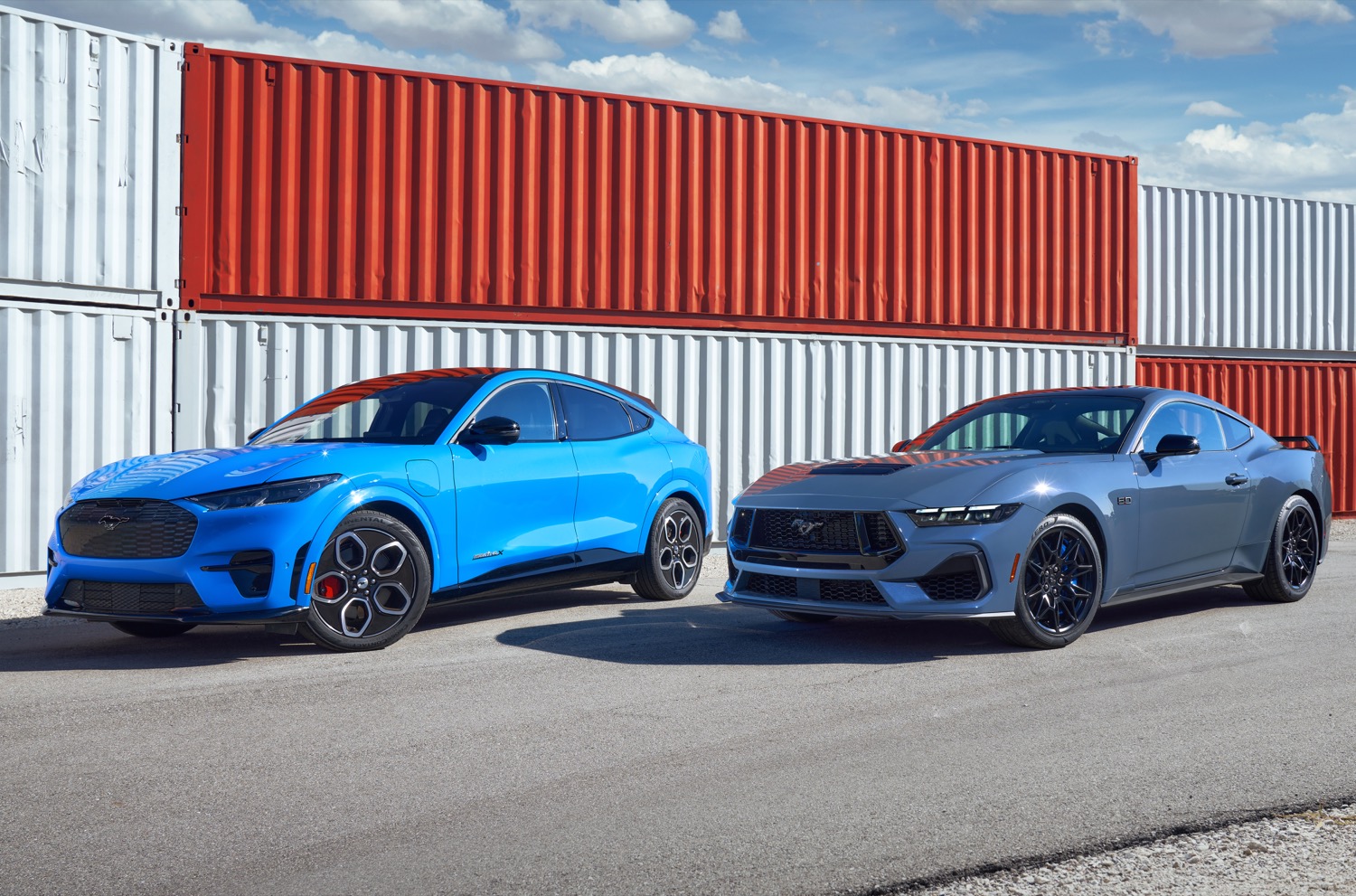
The automotive industry is in the midst of a monumental shift towards electrification, and Ford has emerged as a formidable player with its Mustang Mach-E. By leveraging the iconic Mustang nameplate for an all-electric SUV, Ford boldly signaled its commitment to performance-oriented EVs that don’t compromise on style or practicality. As we look towards the 2026 model year, the Mach-E is expected to have further refined its offerings, facing an increasingly crowded and competitive electric vehicle market. The burning question for many prospective buyers is: Will the 2026 Ford Mustang Mach-E stand out as the best electric vehicle for the money when pitted against its formidable rivals?
This comprehensive article will delve into the anticipated strengths of the 2026 Mach-E, compare it against its key competitors across critical metrics like performance, range, technology, interior, and, crucially, value proposition, to help you determine if it’s the right electric SUV for your budget and lifestyle.
The 2026 Ford Mustang Mach-E: Anticipated Evolution
While specific details for the 2026 Mach-E are still under wraps, we can project its likely trajectory based on Ford’s current EV strategy and the rapid pace of technological advancement. Ford has consistently updated the Mach-E since its 2020 debut, bringing improvements in range, charging speed, and software.
What to Expect from the 2026 Mach-E:
- Refined Performance: Expect continued optimization of motor efficiency and battery management, potentially leading to slight increases in horsepower and torque across the lineup, from the standard models to the GT Performance variants. Faster 0-60 mph times might be a focus for the sportier trims.
- Enhanced Range: Battery technology is constantly improving. The 2026 Mach-E will likely offer incremental range improvements, possibly pushing some trims well past the 300-mile mark, further alleviating range anxiety for many buyers.
- Faster Charging: Ford is committed to improving charging speeds. With the industry moving towards higher voltage architectures and more efficient charging protocols, the 2026 Mach-E could see reduced charging times, particularly for DC fast charging sessions. The adoption of the North American Charging Standard (NACS) connector will also open up access to Tesla’s Supercharger network, a significant advantage.
- Advanced Technology & Infotainment: The large vertical touchscreen will likely remain, but anticipate a more powerful processor for snappier responses, updated software with new features, and potentially enhanced voice recognition. Ford’s BlueCruise hands-free driving system is also expected to evolve, offering expanded road coverage and more advanced capabilities.
- Subtle Design Tweaks: While the overall Mustang-inspired design language will persist, minor exterior refreshes (new wheel designs, updated lighting signatures, revised grille treatments) and interior material upgrades are plausible.
- Competitive Pricing Strategy: Ford understands the need to offer value. While inflation is a factor, the 2026 Mach-E will aim to maintain a competitive starting price, with various trims offering different levels of features and performance to cater to a broad market.
The Competitive Landscape: Who Are the Challengers?
The 2026 Mach-E will face a gauntlet of impressive electric SUVs and crossovers. Its primary rivals will include:
- Tesla Model Y: The segment sales leader, known for its minimalist interior, strong performance, excellent range, and access to the Supercharger network.
- Hyundai Ioniq 5 / Kia EV6: These E-GMP platform siblings offer distinctive styling, ultra-fast charging capabilities (800V architecture), comfortable rides, and innovative interiors.
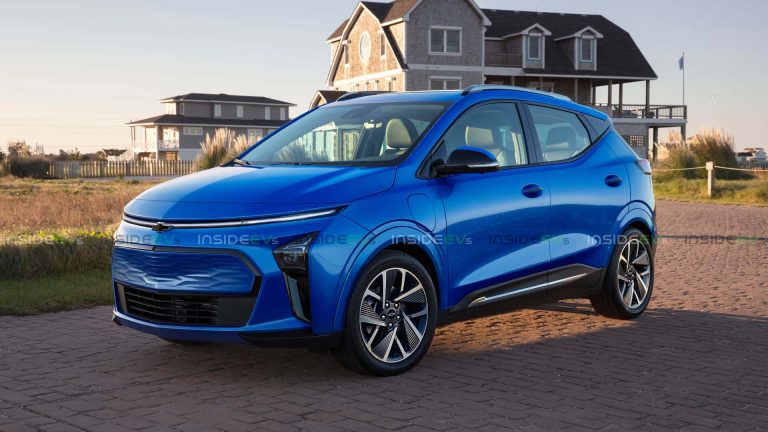
- Chevrolet Blazer EV: A direct domestic competitor, the Blazer EV aims to capture a significant share of the mid-size electric SUV market with its diverse powertrain options, range, and aggressive styling.
- Volkswagen ID.4: VW’s accessible electric SUV offers a more conventional approach, focusing on spaciousness, comfort, and a user-friendly experience at a competitive price.
- Nissan Ariya: A stylish and comfortable entry from Nissan, emphasizing a premium feel, good range, and advanced driver-assist features.
Head-to-Head Battle: Mach-E vs. The Rivals
Let’s dissect how the 2026 Mach-E is likely to stack up against these key competitors across vital categories.
1. Performance & Range
- 2026 Mach-E: Ford has already proven the Mach-E can deliver exhilarating performance, especially with the GT Performance models offering rapid acceleration (sub-4-second 0-60 mph). Standard models provide ample power for daily driving. Range is strong, with current models reaching over 300 miles in certain configurations. Expect these figures to hold steady or slightly improve.
- Tesla Model Y: The benchmark for performance and range. Its dual-motor variants offer blistering acceleration and class-leading range (currently well over 300 miles). Tesla’s efficiency is hard to beat.
- Hyundai Ioniq 5 / Kia EV6: These twins offer a range of power outputs, with the performance variants (e.g., EV6 GT) capable of incredible speed. Range is competitive, typically in the 250-310 mile ballpark, and their 800V architecture allows for incredibly fast DC charging (10-80% in under 20 minutes).
- Chevrolet Blazer EV: With multiple powertrain options, the Blazer EV will offer strong performance figures, especially in its SS trim. Range is projected to be competitive, potentially exceeding 300 miles in some configurations.
- VW ID.4: Generally offers more modest performance compared to the Mach-E GT or Model Y Performance, prioritizing comfort and efficiency. Range is competitive, typically around 250-275 miles.
- Nissan Ariya: Offers smooth, refined performance. Range is competitive, often in the 280-300 mile range for longer-range variants.
Verdict on Performance & Range: The Mach-E will remain a strong contender, particularly for those seeking a blend of performance and everyday usability. While the Model Y might still edge it out slightly on pure efficiency and range, the Mach-E GT will offer comparable thrills to the Model Y Performance. The Ioniq 5/EV6 will challenge with their ultra-fast charging and strong performance.
2. Design & Interior
- 2026 Mach-E: The Mach-E’s design is a deliberate fusion of Mustang heritage and modern EV aesthetics. It’s sleek, sporty, and instantly recognizable. The interior features a prominent 15.5-inch vertical touchscreen, comfortable seating, and a generally driver-focused layout. Material quality is good, though not overtly luxurious in lower trims. Cargo space is respectable.
- Tesla Model Y: Characterized by its minimalist, almost stark interior design dominated by a single central screen. Its panoramic glass roof adds to the airy feel. Cargo space is excellent thanks to its hatchback design and frunk.
- Hyundai Ioniq 5 / Kia EV6: Both boast truly unique and futuristic designs. The Ioniq 5 leans into retro-futurism with its pixelated lighting and lounge-like interior. The EV6 is sleeker and more aggressive. Both offer innovative interior features, good material quality, and comfortable cabins, though their cargo space might be slightly less than the Mach-E or Model Y.
- Chevrolet Blazer EV: Features a bold, muscular exterior design that aligns with its ICE counterpart. The interior is modern with large screens, aiming for a sporty yet practical feel. Expect good passenger and cargo volume.
- VW ID.4: Adopts a more conventional, approachable design. Its interior is spacious and airy, prioritizing comfort and ease of use over overt flashiness. Material quality is solid, and cargo space is good.
- Nissan Ariya: Offers a very lounge-like, elegant interior with premium materials and a dual-screen setup. Its exterior is sleek and sophisticated. Prioritizes comfort and a serene driving experience.
Verdict on Design & Interior: The Mach-E offers a compelling blend of sporty design and practical interior. Buyers looking for a more traditional, driver-centric feel with a dash of performance DNA will appreciate it. Tesla offers minimalism, while Hyundai/Kia and Nissan push the boundaries of futuristic and lounge-like interiors, respectively. The Blazer EV will appeal to those who like a more rugged, aggressive look.
3. Technology & Safety
- 2026 Mach-E: Ford’s SYNC 4A infotainment system is intuitive, and over-the-air updates ensure it stays current. The standout tech feature is BlueCruise, Ford’s hands-free highway driving system, which is continually expanding its compatible road network and capabilities. A comprehensive suite of advanced driver-assistance systems (ADAS) is standard.
- Tesla Model Y: Tesla’s technology is deeply integrated, with the central screen controlling almost all functions. Its Autopilot and Full Self-Driving (FSD) Beta systems are at the forefront of autonomous driving (though FSD is still in beta and controversial). Over-the-air updates are frequent and extensive.
- Hyundai Ioniq 5 / Kia EV6: Feature modern dual-screen setups with excellent graphics and responsiveness. Their Highway Driving Assist 2 (HDA2) offers sophisticated adaptive cruise control and lane-keeping, though not fully hands-free like BlueCruise or FSD Beta.
- Chevrolet Blazer EV: Will feature GM’s Ultium Platform and software, likely including Google built-in and GM’s Super Cruise hands-free driving system (a direct competitor to BlueCruise), which is highly regarded.
- VW ID.4: Its infotainment system has received updates to improve responsiveness, and it offers a good suite of driver-assist features, though not hands-free driving.
- Nissan Ariya: Equipped with NissanConnect services and ProPILOT Assist 2.0, which offers hands-on-wheel partial automation and can assist with lane changes.
Verdict on Technology & Safety: The Mach-E, with its evolving BlueCruise, offers a strong tech package that balances innovation with user-friendliness. Tesla leads on sheer integration and aspirational autonomy. GM’s Super Cruise in the Blazer EV will be a strong rival for hands-free driving.
4. Charging Infrastructure
- 2026 Mach-E: Ford’s adoption of NACS means the 2026 Mach-E will have access to Tesla’s extensive Supercharger network, a massive boost to charging convenience. Coupled with Ford’s own BlueOval Charge Network (comprising various third-party chargers), the Mach-E will offer one of the most comprehensive charging experiences outside of Tesla itself.
- Tesla Model Y: Still benefits from the proprietary Supercharger network, which is widely regarded as the most reliable and extensive fast-charging network globally.
- Hyundai Ioniq 5 / Kia EV6: Primarily rely on the CCS network (Electrify America, EVgo, ChargePoint). While good, it’s not as universally reliable or expansive as Superchargers. Their 800V architecture makes them incredibly fast on compatible chargers.
- Chevrolet Blazer EV: Will also adopt NACS, giving it access to the Supercharger network, in addition to the broader CCS network.
- VW ID.4: Relies on the CCS network, often bundled with free charging promotions from Electrify America.
- Nissan Ariya: Uses the CCS network.
Verdict on Charging: The 2026 Mach-E’s adoption of NACS is a game-changer, leveling the playing field significantly with Tesla and giving it a distinct advantage over non-NACS competitors.
5. Pricing & Value Proposition: Is it the Best EV for the Money?
This is where the "best for the money" question truly comes into play. Value isn’t just the sticker price; it encompasses total cost of ownership (TCO), residual value, features for the price, and available incentives.
- 2026 Mach-E: Ford typically offers a good balance of features for its price points. The Mach-E’s pricing strategy aims to be competitive with direct rivals. With potential federal tax credits (if eligible) and state incentives, the net cost can be very attractive. Ford’s extensive dealer network also means easier servicing and potentially lower insurance costs due to repairability.
- Tesla Model Y: Often has a higher starting price, but its strong residual value and low running costs (due to efficiency and Supercharger access) contribute to a good TCO. However, its minimalist interior and feature-packaging might not appeal to everyone at its price point.
- Hyundai Ioniq 5 / Kia EV6: These offer excellent value, especially considering their advanced 800V charging architecture and premium interior features. Their starting prices are often competitive with the Mach-E, and they frequently qualify for incentives.
- Chevrolet Blazer EV: Expected to offer a wide range of trims and pricing, from more affordable options to performance-oriented SS models. It aims to deliver significant range and tech at a competitive price, making it a strong value proposition, especially for those looking for a domestic alternative to the Mach-E.
- VW ID.4: Often positioned as a value leader, offering decent range and space at a lower starting price than many competitors. It’s a strong contender for those prioritizing affordability and practicality.
- Nissan Ariya: Often priced slightly above the ID.4, aiming for a more premium feel and advanced features for the money.
Overall Value Analysis:
The "best EV for the money" is subjective and depends heavily on individual priorities:
- For the Performance Enthusiast on a Budget: The Mach-E GT offers exhilarating performance that rivals vehicles costing significantly more, making it a strong value.
- For the Tech-Savvy Early Adopter: While Tesla still leads, the Mach-E with BlueCruise and the Blazer EV with Super Cruise offer compelling hands-free driving tech that adds significant value.
- For the Practical Family Buyer: The Mach-E offers a good balance of space, range, and everyday usability. The ID.4 and Blazer EV also present strong cases here with their generous interiors and competitive pricing.
- For the Charging Speed Priority: The Ioniq 5/EV6’s 800V system is unparalleled for raw charging speed, which can be a huge value for those who frequently road trip.
- For the Brand Loyalist: Ford’s established dealer network and brand trust add inherent value for many.
The 2026 Mach-E’s enhanced range, faster charging (especially with NACS access), and continually improving BlueCruise system will solidify its position as a top-tier electric SUV. Its blend of Mustang-inspired design, engaging driving dynamics, and user-friendly technology makes it incredibly appealing. When factoring in potential tax credits and Ford’s commitment to competitive pricing, the Mach-E will undoubtedly present a compelling value proposition.
Conclusion: A Strong Contender for the Title
The 2026 Ford Mustang Mach-E is poised to be an even more formidable player in the rapidly evolving electric vehicle landscape. While the Tesla Model Y will continue to be a sales leader, and the Hyundai Ioniq 5/Kia EV6 will impress with their charging speeds and unique designs, the Mach-E carves out its own niche.
For buyers seeking a sporty, stylish, technologically advanced electric SUV with genuine performance credentials, a comprehensive charging solution (thanks to NACS), and the backing of an established brand, the 2026 Ford Mustang Mach-E will be an exceptionally strong contender for the title of "best electric vehicle for the money." It may not be the cheapest EV, but its blend of features, performance, and overall ownership experience will offer outstanding value, making it a highly recommended option for a wide range of consumers. As the market continues to electrify, the Mach-E stands as a testament to Ford’s ability to innovate and compete at the highest level.