The electric vehicle (EV) market is a battlefield of innovation, and in the luxury SUV segment, the stakes are higher than ever. For years, the Tesla Model X stood as a beacon of performance, technology, and electric luxury. As we look towards 2026, the landscape has transformed, with established automotive giants and ambitious newcomers launching compelling contenders. The question on many prospective buyers’ minds is: will the 2026 Tesla Model X still represent the best value – the "best for your money" – in a fiercely competitive arena?
This comprehensive article will delve into the anticipated features of the 2026 Tesla Model X, pit it against its formidable rivals, and meticulously analyze what "best for the money" truly means in the premium electric SUV space, considering factors beyond just the sticker price.
The Evolving Icon: The 2026 Tesla Model X
By 2026, the Tesla Model X will have undergone several years of iterative refinements since its last major refresh. While Tesla rarely adheres to traditional model year updates, we can anticipate a continuous evolution focusing on enhanced performance, increased efficiency, and refined user experience.
Expected Enhancements for 2026:
- Battery Technology & Range: Tesla’s focus on 4680 battery cells and structural battery packs is likely to yield even greater energy density. This translates to either significantly longer ranges (potentially exceeding 400 miles for the Long Range variant) or a more compact, lighter battery pack for improved handling and efficiency, or a combination of both.
- Powertrain Optimizations: Expect further efficiencies in the electric motors, leading to slightly quicker acceleration times (if possible, given the already blistering Plaid) and better energy consumption. The Plaid variant will likely retain its hypercar-rivaling 0-60 mph sprint, while the Long Range will offer a more than adequate blend of power and practicality.
- Interior Refinements: While Tesla’s minimalist interior design is a hallmark, customer feedback often points to a desire for more premium materials and traditional luxury touches. By 2026, we might see subtle upgrades in material quality, improved sound deadening, and perhaps more customizable ambient lighting or upholstery options to better compete with European luxury brands.
- Autonomy & Software: Full Self-Driving (FSD) will undoubtedly be more advanced, potentially closer to Level 3 or even Level 4 capabilities in certain geofenced areas. Over-the-air (OTA) updates will continue to deliver new features, bug fixes, and performance enhancements, keeping the Model X perpetually fresh.
- Charging Infrastructure: Tesla’s Supercharger network remains a colossal advantage. By 2026, it will be even more expansive and reliable, though increasingly open to other EV brands, which could subtly diminish its exclusivity for Tesla owners.
- Design Tweaks: While the iconic Falcon Wing doors are here to stay, minor exterior aerodynamic enhancements and new wheel designs are probable.
Core Strengths of the 2026 Model X:
- Unmatched Performance: Especially the Plaid variant.
- Exceptional Range: Among the best in its class.
- Superior Charging Network: The Supercharger experience is still a benchmark.
- Cutting-Edge Technology: Infotainment, FSD, and OTA updates.
- Practicality: Seven-seater configuration, ample cargo space, impressive towing capacity.
- Brand Cachet & Resale Value: Tesla continues to hold strong appeal.
Defining "Best for Your Money" in the Luxury EV Segment
"Best for your money" isn’t merely about the lowest sticker price. In the luxury EV segment, it encompasses a holistic view of ownership, including:
- Initial Purchase Price: The upfront cost of the vehicle.
- Total Cost of Ownership (TCO):
- Charging Costs: Efficiency of the vehicle, cost of electricity (home vs. public).
- Maintenance: EVs generally have lower maintenance needs, but specific parts can be expensive.
- Insurance: Can vary significantly based on vehicle, driver, and location.
- Depreciation/Resale Value: How well the vehicle holds its value over time.
- Government Incentives: Tax credits or rebates.
- Features & Technology: The level of innovation, safety, and convenience features included.
- Performance & Range: How well the vehicle meets expectations for power and driving distance.
- Build Quality & Reliability: Long-term durability and freedom from issues.
- Brand Experience: Customer service, charging infrastructure, and overall ownership satisfaction.
- Intangibles: Design appeal, driving dynamics, and the feeling of luxury.
The Contenders: 2026 Tesla Model X vs. Its Rivals
By 2026, the luxury electric SUV market will be bustling with sophisticated alternatives. Here are some of the key competitors the Tesla Model X will face:
1. Mercedes-Benz EQS SUV
- Anticipated 2026 Status: Likely to have undergone its first significant refresh, enhancing range, charging speeds, and interior technology.
- Strengths: Unparalleled luxury and comfort, exquisite interior materials, quiet cabin, advanced MBUX infotainment, strong brand prestige, sophisticated ride.
- Weaknesses: Less performance-oriented than Model X Plaid, potentially higher starting price than base Model X, charging network less integrated than Tesla’s.
- "For the Money" Angle: If traditional luxury, comfort, and an opulent cabin are paramount, the EQS SUV might offer a more luxurious experience for the money, even if its performance doesn’t match the Plaid. Its refined engineering and build quality contribute to a sense of long-term value.
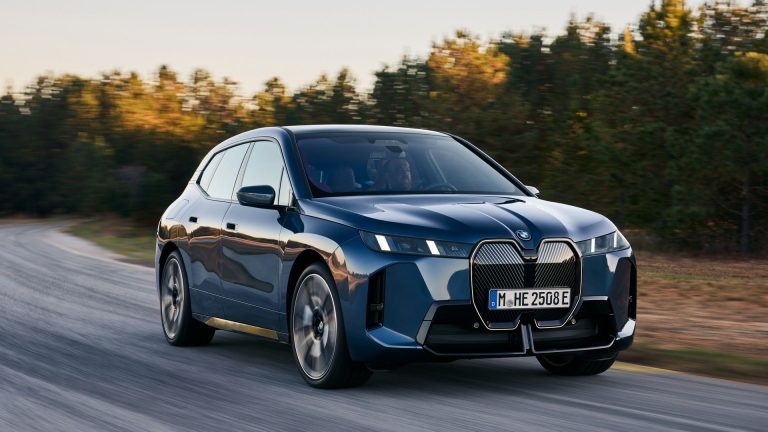
2. BMW iX
- Anticipated 2026 Status: Also likely to see updates improving battery density, range, and refining its controversial exterior design while maintaining its unique interior.
- Strengths: Engaging driving dynamics (for an SUV), futuristic and spacious interior, high-quality materials, innovative technology (e.g., Shy Tech), strong performance from M60 variant.
- Weaknesses: Polarizing exterior design, potentially less range than Model X, not as many seating configurations.
- "For the Money" Angle: The iX offers a compelling blend of BMW’s signature driving pleasure with a cutting-edge electric platform. For those who prioritize a dynamic driving experience and a uniquely modern interior, the iX could be a strong value proposition, especially if its pricing remains competitive with the Model X Long Range.
3. Audi Q8 e-tron (or Successor)
- Anticipated 2026 Status: Audi’s e-tron lineup will have expanded significantly, possibly with a dedicated platform for larger SUVs like a next-gen Q8 e-tron offering improved range and 800V architecture.
- Strengths: Understated elegance, high-quality interior finishes, refined ride comfort, excellent build quality, strong reputation for safety.
- Weaknesses: Historically less range than Tesla, charging speeds may lag, performance not as extreme as Plaid.
- "For the Money" Angle: Audi appeals to buyers who value understated luxury and meticulous engineering. If the 2026 model significantly boosts range and charging, it could offer a very balanced and reliable package for the money, appealing to those who prefer substance over flash.
4. Rivian R1S
- Anticipated 2026 Status: Rivian will have matured its production and likely introduced new battery options or trim levels, refining its adventure-focused design and technology.
- Strengths: Exceptional off-road capability, unique adventure-ready features (e.g., Gear Tunnel), strong performance, practical design, innovative software.
- Weaknesses: Less established charging network than Tesla, potentially less refined on-road ride than European luxury SUVs, newer brand with evolving service infrastructure.
- "For the Money" Angle: For buyers seeking a rugged, adventure-capable electric SUV that can truly go off-road while still offering premium features and performance, the R1S is arguably the best value. Its versatility and unique positioning make it an exceptional choice for those with an active lifestyle, offering capabilities the Model X simply doesn’t.
5. Lucid Gravity
- Anticipated 2026 Status: Having launched a few years prior, the Gravity will be establishing itself as an ultra-luxury, ultra-long-range competitor.
- Strengths: Potentially segment-leading range, luxurious interior design, incredible performance (similar to Air sedan), advanced technology.
- Weaknesses: Likely very high price point, newer brand with limited service network, unproven long-term reliability compared to established players.
- "For the Money" Angle: If "best for the money" includes maximizing range and cutting-edge ultra-luxury, the Gravity could be a contender for those with a substantial budget. However, its premium pricing means it targets a different subset of buyers than those looking for optimal value.
Head-to-Head Analysis: 2026 Model X vs. Key Competitors
Let’s break down how the 2026 Model X might stack up against these rivals on key "value" metrics:
| Feature/Metric | 2026 Tesla Model X | Mercedes-Benz EQS SUV | BMW iX | Rivian R1S |
|---|---|---|---|---|
| Anticipated Range | 360-400+ miles (Long Range) | 300-350 miles (estimated) | 300-340 miles (estimated) | 300-340 miles (estimated) |
| 0-60 mph (Performance) | 2.5s (Plaid), 3.8s (Long Range) | 4.5-5.5s | 3.6-4.5s (M60) | 3.0-4.0s (Quad Motor) |
| Seating Capacity | 5, 6, 7 | 5, 7 | 5 | 5, 7 |
| Interior Quality | Modern, minimalist, improved materials | Opulent, luxurious, high-end materials | Futuristic, high-quality, unique | Premium, robust, adventure-focused |
| Tech & Infotainment | Large central screen, FSD, OTA updates, gaming | Hyperscreen, MBUX, advanced driver aids | iDrive 8/9, Shy Tech, advanced driver aids | Large screens, intuitive UI, off-road tech |
| Charging Network | Supercharger (best), expanding | Electrify America, third-party networks | Electrify America, third-party networks | Rivian Adventure Network (growing), third-party |
| Unique Selling Points | Falcon Wing doors, Plaid performance, FSD lead | Ultimate comfort, traditional luxury experience | Driving dynamics, unique interior aesthetic | Off-road capability, adventure features, utility |
| TCO (General Trend) | Generally strong resale, lower maintenance | Higher initial cost, higher maintenance (dealer) | Strong resale, moderate maintenance | Potentially good resale, newer service costs |
The "Best for Your Money" Verdict: It Depends on Your Money
After a thorough examination, it’s clear there’s no single "best electric luxury SUV for the money" for everyone. The 2026 Tesla Model X will remain an incredibly strong contender, but its "value" depends heavily on individual priorities:
-
For the Tech Enthusiast & Performance Seeker (with a budget): The 2026 Tesla Model X (especially the Long Range) offers an unmatched combination of blistering performance, segment-leading range, and cutting-edge technology, all underpinned by the superior Supercharger network. For those who prioritize these aspects and value Tesla’s unique software-driven approach and strong resale value, the Model X will likely continue to represent the best holistic value. The Plaid, while exhilarating, pushes into a price bracket where "value" becomes more about extreme performance than cost-efficiency.
-
For the Traditional Luxury Buyer: The Mercedes-Benz EQS SUV will be the undisputed champion for those who equate "luxury" with plush interiors, whisper-quiet rides, and a sense of traditional automotive craftsmanship. While it might cost more initially and have higher service costs, the experience it provides could be seen as a superior value for its target audience.
-
For the Driver’s Car Enthusiast: The BMW iX will continue to appeal to those who prioritize driving dynamics and a modern, driver-centric cabin. It offers a more engaging ride than the EQS SUV and a unique design that stands out. Its blend of performance and luxury could be the perfect sweet spot for many.
-
For the Adventurer & Outdoors Enthusiast: The Rivian R1S is in a league of its own. For buyers who need genuine off-road capability, robust utility, and an innovative, adventure-ready design, the R1S provides unmatched value. No other luxury electric SUV offers its combination of performance and trail prowess.
-
For the Understated Elegance Seeker: The Audi Q8 e-tron (or successor) will offer a refined, sophisticated, and impeccably built electric SUV experience. For those who prefer a less flamboyant approach to luxury and appreciate meticulous engineering, Audi’s offering will represent solid, dependable value.
Conclusion
By 2026, the Tesla Model X will still be a benchmark in the luxury electric SUV segment, celebrated for its performance, range, technology, and charging infrastructure. However, the competition will be more formidable than ever, each rival carving out its own niche of "value."
Ultimately, the "best electric vehicle for the money" isn’t a universal truth; it’s a personal equation. Prospective buyers must weigh their priorities: Is it raw performance, ultimate luxury, off-road capability, cutting-edge tech, or understated elegance? The 2026 Tesla Model X will continue to be a top-tier choice, particularly for those who value its unique blend of innovation and exhilarating performance. But the burgeoning market ensures that for every buyer, there will be a luxury electric SUV that perfectly aligns with their definition of "best for the money." The future of luxury EVs is diverse, exciting, and full of compelling options.