The mid-size, three-row SUV segment is a battleground of epic proportions, a veritable arms race where manufacturers vie for the hearts, minds, and wallets of American families. For 2026, the venerable Ford Explorer, fresh off a significant 2025 refresh, once again finds itself in the thick of this automotive maelstrom. The question isn’t just whether the Explorer is good, but rather: does it represent the "best SUV for the money" when pitted against a cohort of equally ambitious and capable rivals?
To answer that, we must dive deep into what the 2026 Ford Explorer brings to the table, dissect its competitive landscape, and ultimately, define what "best for the money" truly means in a market saturated with choice.
The Refreshed Challenger: The 2026 Ford Explorer
Ford didn’t just give the Explorer a nip and tuck for 2025; they delivered a substantial refresh that carries directly into the 2026 model year, ensuring it remains competitive and appealing. Built on its robust rear-wheel-drive (RWD) architecture (with available all-wheel-drive, of course), the Explorer offers a distinct driving dynamic in a segment often dominated by front-wheel-drive (FWD) based crossovers.
Design & Interior:
The exterior tweaks are subtle but effective. A redesigned grille, updated headlamps, and fresh wheel designs give it a more modern, commanding presence. However, the real transformation is inside. Ford listened to customer feedback, ditching the polarizing tablet-style screen in favor of a new, expansive 13.2-inch infotainment touchscreen gracefully integrated into the dashboard. This isn’t just about size; it’s about the software. The 2026 Explorer features the latest SYNC 4A system with available Google built-in, offering seamless navigation, voice commands, and app integration. The digital gauge cluster also receives an upgrade, providing crisp, customizable information.
Beyond the tech, material quality has seen an uplift, particularly in the upper trims. Soft-touch surfaces are more prevalent, and new color schemes inject a fresh dose of sophistication. The comfortable seats, ample storage, and thoughtful family-friendly features remain. Third-row access is decent, though still a squeeze for larger adults, typical of the segment.
Powertrain & Performance:
The heart of the Explorer continues to beat with two potent EcoBoost engine options. The standard 2.3-liter turbocharged four-cylinder delivers a healthy 300 horsepower and 310 lb-ft of torque, providing brisk acceleration and respectable towing capabilities (up to 5,000 lbs). For those craving more muscle, the 3.0-liter twin-turbo V6, available in the ST and Platinum trims, unleashes a formidable 400 horsepower and 415 lb-ft of torque. Paired with a smooth 10-speed automatic transmission, the V6-powered Explorer ST is a genuine performance SUV, capable of hustling with surprising athleticism.
Ford has consistently hinted at a hybrid option for the Explorer, and while it wasn’t part of the initial 2025 refresh, its reintroduction or a new plug-in hybrid (PHEV) variant for 2026 would significantly bolster its "best for the money" argument, especially concerning fuel economy. For now, the standard engines offer a good balance of power and efficiency for their class.
Technology & Safety:
Beyond the improved infotainment, the Explorer continues to offer a comprehensive suite of Ford Co-Pilot360 driver-assist features. This includes adaptive cruise control, lane-keeping assist, blind-spot monitoring, and automatic emergency braking. Available features like Active Park Assist 2.0 and a 360-degree camera system further enhance convenience and safety, making the Explorer a well-equipped proposition for the modern family.
Pricing & Value Proposition:
Ford traditionally prices the Explorer competitively, offering a wide range of trims from the well-equipped Active to the sporty ST and luxurious Platinum. The 2025 refresh brought minor price adjustments, and we expect 2026 pricing to remain largely stable. Its value proposition often lies in its blend of performance, technology, and American brand appeal.
The Competitive Gauntlet: Who Dares Challenge?
The 2026 Explorer doesn’t operate in a vacuum. It faces a formidable array of rivals, each with its own compelling arguments for being the "best SUV for the money."
-
Chevrolet Traverse (Recently Redesigned):
- Strengths: Also new for 2024 (carrying into 2026), the Traverse boasts a massive interior, particularly in the third row, making it arguably the most spacious in the segment. Its new 2.5-liter turbocharged four-cylinder engine (328 hp, 326 lb-ft) offers strong performance. Styling is rugged, and technology is up-to-date.
- Explorer Comparison: The Traverse excels in sheer interior volume, often feeling more like a full-size SUV. However, the Explorer’s RWD platform often provides a more balanced and engaging driving experience, especially in ST trim. The Explorer’s interior materials, post-refresh, feel a touch more refined in higher trims.
- Who it’s for: Families prioritizing maximum passenger and cargo space above all else.
-
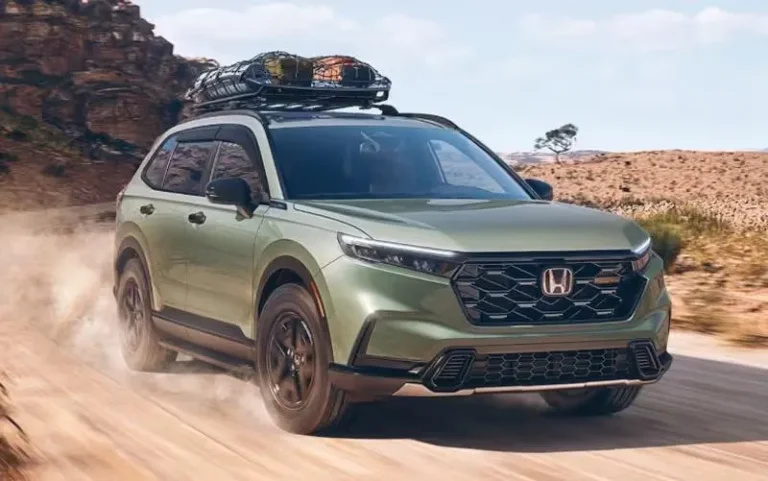
Honda Pilot:
- Strengths: Renowned for its bulletproof reliability, strong resale value, and practical, family-friendly features. The V6 engine is smooth, and the TrailSport trim adds legitimate off-road capability.
- Explorer Comparison: The Pilot’s V6 offers consistent, linear power, but it can’t match the Explorer ST’s outright performance. While practical, the Pilot’s interior, though well-appointed, might not feel as technologically cutting-edge as the Explorer’s new SYNC 4A setup. The Explorer’s RWD bias gives it a sportier feel.
- Who it’s for: Buyers prioritizing legendary reliability, ease of ownership, and proven practicality.
-
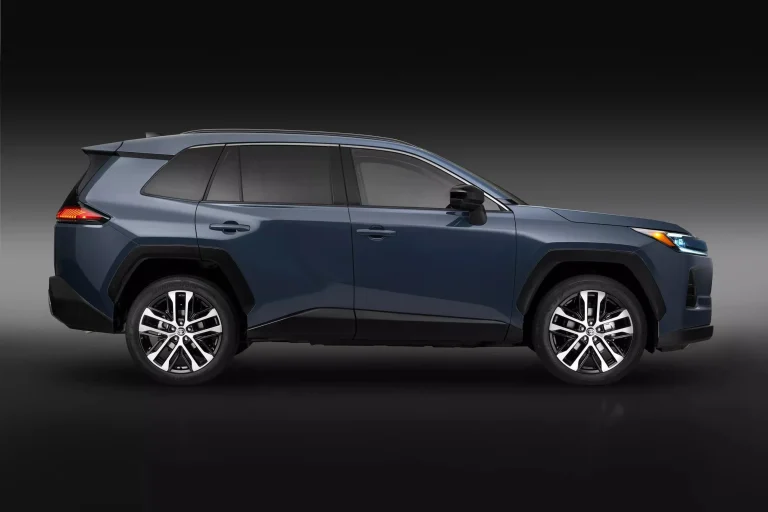
Toyota Highlander (and Grand Highlander):
- Strengths: The Highlander is a reliability icon, boasting excellent fuel economy, especially with its hybrid powertrain. The new Grand Highlander addresses the regular Highlander’s historically cramped third row, offering significantly more space.
- Explorer Comparison: The standard Highlander’s third row and cargo space lag behind the Explorer. While the Highlander Hybrid is a fuel efficiency champion, the Explorer offers more powerful standard engines. The Grand Highlander competes more directly on space, but the Explorer still offers a more dynamic driving experience with its RWD platform and higher-output engines.
- Who it’s for: Fuel-economy fanatics, those who prioritize long-term reliability and low cost of ownership. The Grand Highlander is for those who want Toyota reliability with maximum space.
-
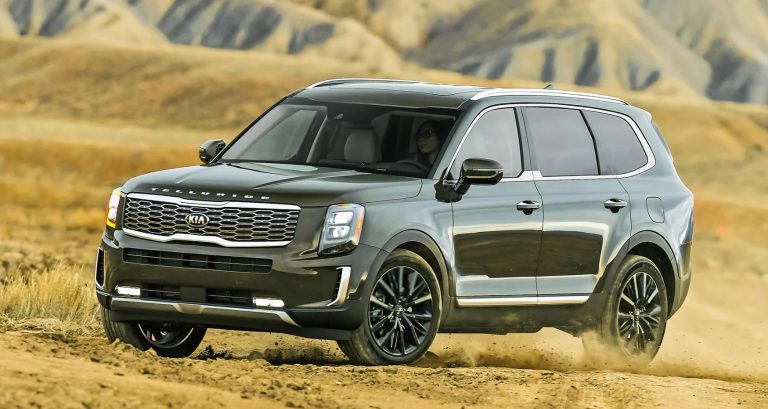
Hyundai Palisade / Kia Telluride:
- Strengths: These Korean twins redefined value in the segment, offering near-luxury interiors, striking designs, generous standard features, and a class-leading warranty, all at a competitive price point.
- Explorer Comparison: The Palisade and Telluride often feel more upscale inside, even in lower trims, and offer excellent value. Their V6 engine is smooth but doesn’t quite match the Explorer’s EcoBoost V6 for raw power. The Explorer, especially in ST trim, offers a more performance-oriented driving experience, while the Korean duo leans more into comfortable cruising.
- Who it’s for: Buyers seeking premium features, head-turning design, and outstanding warranty coverage without breaking the bank.
-
Volkswagen Atlas:
- Strengths: Unrivaled third-row and cargo space, easy access, and a straightforward, user-friendly cabin. A recent refresh brought a more powerful 2.0-liter turbo-four as the sole engine.
- Explorer Comparison: The Atlas is the undisputed king of interior volume, particularly the third row, making it ideal for larger families. However, its driving dynamics are less engaging than the Explorer’s, and its interior, while practical, isn’t as luxurious or technologically advanced as the Explorer’s post-refresh cabin.
- Who it’s for: Families needing the absolute most space and easy third-row access.
-
Mazda CX-90:
- Strengths: The newcomer to the segment, the CX-90 offers a premium driving experience, exquisite interior materials, and sophisticated inline-six engines (including a mild-hybrid and a PHEV). It drives like a more expensive luxury SUV.
- Explorer Comparison: The CX-90 targets a slightly more premium buyer, emphasizing driving dynamics and interior refinement akin to European luxury brands. While the Explorer ST offers impressive performance, the CX-90’s base engines are more refined, and its PHEV offers superior efficiency. The Explorer maintains its traditional rugged American SUV appeal and potentially more versatile cargo space.
- Who it’s for: Drivers who prioritize luxury feel, engaging dynamics, and efficiency in a three-row package, even if it means a slightly higher price point.
Defining "Best for the Money": A Subjective Equation
The phrase "best SUV for the money" is inherently personal. What constitutes value for one buyer might be irrelevant to another. Let’s break it down by common buyer profiles:
-
The Performance-Oriented Family Head: For this buyer, the 2026 Ford Explorer ST is a compelling choice. Its 400-hp V6 and RWD-based platform deliver a thrilling, engaging drive that few rivals can match, all while offering ample family utility. The Mazda CX-90’s inline-six also makes a strong case for refined performance.
-
The Tech Aficionado: The 2026 Ford Explorer, with its new 13.2-inch SYNC 4A screen and available Google built-in, is a strong contender. The Hyundai Palisade/Kia Telluride also impress with their large screens and comprehensive tech suites, often at a lower price point.
-
The Pragmatist / Budget-Conscious: Here, the Hyundai Palisade / Kia Telluride often win on sheer feature-per-dollar value, offering a luxurious experience at a mainstream price. The base Chevrolet Traverse and Honda Pilot also provide excellent utility and proven reliability for the money.
-
The Eco-Warrior / Reliability Seeker: The Toyota Highlander Hybrid remains the undisputed champion for fuel efficiency and bulletproof long-term reliability. If Ford introduces a robust hybrid or PHEV Explorer, it could become a serious challenger in this niche.
-
The Space Czar: For maximum passenger and cargo volume, the Volkswagen Atlas and the Chevrolet Traverse are the clear winners, offering truly adult-friendly third rows. The Explorer is good, but these two are exceptional in this regard.
-
The Traditional American SUV Buyer: For those who appreciate rugged capability, strong towing, and a sense of heritage, the 2026 Ford Explorer offers a classic American SUV experience with modern refinements. Its RWD platform gives it a distinctive feel.
Conclusion: A Segment of Excellence, Not a Single King
The 2026 Ford Explorer, with its significant refresh, is undoubtedly a strong contender in the mid-size three-row SUV segment. It offers a potent blend of performance, technology, and classic American SUV appeal, making it a very good "SUV for the money" for a broad range of buyers. Its RWD architecture and powerful EcoBoost engines give it a distinct personality, especially in the sporty ST trim.
However, the notion of "best for the money" remains elusive, as it hinges entirely on individual priorities. If you prioritize raw space, the Traverse or Atlas might be your king. If reliability and fuel economy are paramount, the Highlander reigns supreme. For those seeking luxury features at a mainstream price, the Palisade/Telluride are tough to beat. And for a truly premium driving experience, the Mazda CX-90 carves out its own niche.
Ultimately, the 2026 Ford Explorer stands tall as a formidable, well-rounded choice. It’s an SUV that successfully blends family practicality with a dash of performance and cutting-edge tech. Is it the absolute best for everyone’s money? Probably not, because no single vehicle can be. But for many, especially those who appreciate its driving dynamics, refreshed interior, and robust powertrain options, the 2026 Explorer represents an outstanding value and a highly competitive entry in a segment brimming with excellence. The best advice remains: define your priorities, then test drive the contenders – including the impressive 2026 Ford Explorer – to find your personal "best for the money."