The automotive landscape is constantly evolving, but few stories are as compelling as a comeback. After a brief hiatus that left many EV enthusiasts and budget-conscious buyers feeling a void, the Chevrolet Bolt is set to return for the 2026 model year, reborn on GM’s revolutionary Ultium platform. This isn’t just a re-release; it’s a strategic re-entry designed to reclaim its crown as a leading affordable, practical, and technologically advanced electric vehicle.
The 2026 Chevrolet Bolt EUV promises to deliver the winning formula that made its predecessor a sales success – accessible electric mobility – but with significant upgrades in range, charging speed, performance, and overall refinement, all while maintaining an eye on affordability. In this comprehensive review, we’ll dive deep into what makes the upcoming Bolt EUV a game-changer, exploring its anticipated design, cutting-edge features, competitive pricing, and how it stacks up against a rapidly expanding EV market.
The Bolt’s Phoenix Moment: A Legacy Reimagined
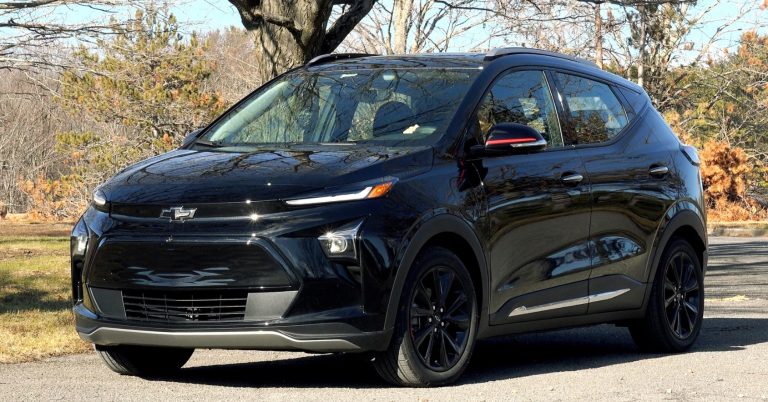
Before we look forward, it’s essential to understand the Bolt’s past. The original Chevrolet Bolt EV, launched in 2017, was a trailblazer, offering over 200 miles of range at a sub-$40,000 price point, a feat few competitors could match at the time. Its slightly larger, more SUV-like sibling, the Bolt EUV, arrived in 2022, building on that success with enhanced styling and more rear passenger room. Both models were praised for their nimble driving dynamics, surprisingly spacious interiors, and compelling value proposition.
However, a battery recall incident and GM’s pivot to focus on its new, modular Ultium platform led to the discontinuation of the original Bolt line in late 2023. This left a significant gap in GM’s EV lineup, especially in the crucial affordable segment. Recognizing the enduring demand for a compact, budget-friendly EV, GM swiftly announced the Bolt’s return, leveraging the cost-efficiencies and performance benefits of the Ultium platform. This decision underscores GM’s commitment to making electric vehicles accessible to a broader audience, and the 2026 Chevrolet Bolt EUV is poised to be a cornerstone of that strategy.
Design & Exterior: A Familiar Yet Freshened Aesthetic
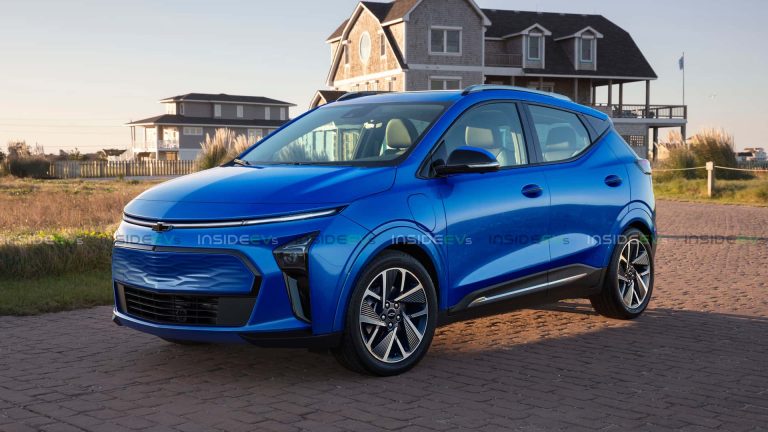
While specific details remain under wraps, the 2026 Chevrolet Bolt EUV is expected to retain the practical, urban-friendly proportions that defined its predecessor, but with a clear infusion of GM’s modern Ultium design language. Expect a more sculpted, contemporary look that aligns with newer GM EVs like the Blazer EV and Equinox EV, rather than a radical departure.
Key design elements will likely include:
- Refined Front Fascia: A sleek, grille-less or minimalist grille design, common among EVs, will house advanced LED lighting signatures, potentially with daytime running lights that stretch across the width of the vehicle, emphasizing its futuristic appeal.
- Aerodynamic Enhancements: Expect subtle yet effective aerodynamic improvements, such as optimized wheel designs, a smoother underbody, and sculpted body lines, all contributing to improved efficiency and range.
- Distinctive Lighting: Modern LED headlamps and taillamps will not only enhance visibility but also contribute to a premium, high-tech aesthetic, giving the Bolt EUV a confident road presence.
- Compact SUV Stance: The EUV’s slightly elevated ride height and rugged cladding will likely carry over, providing a confident stance and easier ingress/egress than a traditional hatchback, appealing to buyers looking for SUV practicality in a smaller footprint.
- New Wheel Options: A fresh set of alloy wheel designs, ranging from 17 to 19 inches, will offer both style and efficiency.
The aim is to make the 2026 Bolt EUV immediately recognizable as a Bolt, but unequivocally a new Bolt – one that looks at home alongside its larger Ultium siblings.
Interior & Comfort: Smartly Designed for Everyday Living
The previous Bolt EUV was praised for its clever packaging, offering surprising interior space despite its compact exterior dimensions. The 2026 Chevrolet Bolt EUV will undoubtedly build on this strength, leveraging the inherent advantages of the Ultium platform’s flat floor design.
Anticipated interior highlights include:
- Enhanced Space and Versatility: The Ultium platform’s modularity allows for maximized interior volume, potentially offering even more legroom, headroom, and shoulder room than before, particularly for rear passengers. Cargo capacity behind the rear seats and with them folded down should remain competitive, making it a practical choice for small families or active individuals.
- Modernized Dashboard & Infotainment: A centerpiece will be a significantly upgraded infotainment system, likely featuring a larger, more responsive touchscreen (perhaps 11-inch or larger) powered by Google Built-in. This will offer seamless integration of navigation, music, and apps, along with wireless Apple CarPlay and Android Auto. A fully digital instrument cluster will complement the central display, providing customizable driver information.
- Improved Materials and Finish: While still targeting affordability, GM is expected to elevate the perceived quality of interior materials. This could include more soft-touch surfaces, updated trim accents, and improved seat upholstery options, creating a more refined and comfortable cabin experience.
- Thoughtful Storage Solutions: Expect an array of clever storage compartments, cupholders, and charging ports throughout the cabin, catering to the needs of modern drivers and passengers.
- Comfortable Seating: Redesigned seats with better ergonomics and support will ensure comfort on both short commutes and longer journeys. Heated and ventilated seats could be available on higher trims.
The interior of the 2026 Bolt EUV will aim to be a welcoming, technologically advanced, and highly functional space, proving that an affordable EV doesn’t have to compromise on comfort or convenience.
Performance & Powertrain: The Ultium Advantage
This is where the 2026 Chevrolet Bolt EUV truly shines and differentiates itself from its predecessor. Moving to the Ultium platform is a monumental leap, bringing a host of benefits that were simply not possible with the older architecture.
Key performance aspects include:
- Ultium Platform Power: The modular Ultium battery and motor system will underpin the new Bolt EUV. While specific power outputs are yet to be revealed, we can anticipate a single-motor, front-wheel-drive configuration as standard, with the potential for an all-wheel-drive option using a second motor for enhanced traction and performance.
- Increased Horsepower & Torque: Expect a noticeable bump in power compared to the previous model’s 200 hp. Outputs in the range of 200-250 horsepower are plausible, providing brisk acceleration (0-60 mph in the 6-7 second range) suitable for urban driving and highway merging.
- Refined Driving Dynamics: The Ultium platform’s lower center of gravity, stiffer structure, and advanced suspension tuning will contribute to a more composed and refined ride quality, while still retaining the agile handling characteristic of the Bolt.
- One-Pedal Driving & Regenerative Braking: These highly popular features will undoubtedly carry over, allowing drivers to modulate speed using only the accelerator pedal and maximizing energy recovery to extend range.
The Ultium platform promises not just more power, but a more sophisticated, quieter, and ultimately more enjoyable driving experience for the 2026 Bolt EUV.
Range & Charging: Conquering Range Anxiety
Range and charging capabilities are paramount for EV success, and the 2026 Chevrolet Bolt EUV is expected to deliver significant improvements in both areas, directly addressing potential concerns of EV ownership.
- Substantial Range Boost: The previous Bolt EUV offered an EPA-estimated 247 miles. With the efficiency of the Ultium platform and improved battery chemistry, the 2026 model is expected to push this figure significantly higher, likely targeting a competitive EPA-estimated range of 280-320 miles on a single charge. This would place it firmly among the top contenders in its segment, making longer trips more feasible.
- Faster DC Fast Charging: This is perhaps the most critical upgrade. The outgoing Bolt’s DC fast charging speeds were respectable but not class-leading. The Ultium platform is designed for much higher charging rates. While full specifications are pending, we can expect the 2026 Bolt EUV to support DC fast charging speeds in the range of 100-150 kW or more, enabling a 0-80% charge in well under an hour – a vast improvement that significantly reduces road trip charging times.
- Efficient Level 2 Home Charging: The onboard charger will support standard Level 2 (240V) home charging, allowing owners to fully replenish the battery overnight. Expect charging rates that add 25-35 miles of range per hour, ensuring a full battery every morning.
- NACS Charging Port: GM has committed to adopting the North American Charging Standard (NACS) for its EVs starting in 2025. This means the 2026 Bolt EUV will likely feature a NACS port, granting seamless access to Tesla’s vast Supercharger network, in addition to existing public charging infrastructure. This significantly expands charging convenience and eliminates range anxiety for many potential buyers.
Technology & Infotainment: Seamlessly Connected
The 2026 Chevrolet Bolt EUV will be a hub of modern technology, designed to keep occupants connected, entertained, and informed.
- Google Built-in: As mentioned, GM’s partnership with Google will likely bring Google Built-in to the forefront, integrating Google Maps, Google Assistant, and Google Play directly into the vehicle’s infotainment system. This provides a highly intuitive and familiar user experience.
- Large, Responsive Touchscreen: A prominent, high-resolution touchscreen will serve as the command center for infotainment, climate control, and vehicle settings.
- Wireless Connectivity: Wireless Apple CarPlay and Android Auto will be standard, allowing smartphone integration without cumbersome cables.
- Over-the-Air (OTA) Updates: The Ultium platform enables OTA updates, meaning the vehicle’s software can be improved and new features added remotely, ensuring the Bolt EUV remains current and capable throughout its lifespan.
- MyChevrolet App Integration: Owners will be able to remotely monitor charging status, precondition the cabin, locate charging stations, and more, all from their smartphone.
- Advanced Voice Control: Enhanced voice recognition will allow drivers to control various vehicle functions, navigation, and media with natural language commands.
Safety & Driver-Assistance Features: Confidence on the Road
Safety is a top priority for Chevrolet, and the 2026 Bolt EUV will come equipped with a comprehensive suite of safety and driver-assistance technologies.
- Standard Chevy Safety Assist: This package will likely include Automatic Emergency Braking, Front Pedestrian Braking, Lane Keep Assist with Lane Departure Warning, Forward Collision Alert, IntelliBeam auto high beams, and a Following Distance Indicator.
- Optional Advanced Driver-Assistance Systems (ADAS): Higher trims will offer more sophisticated features such as Adaptive Cruise Control, Blind Zone Steering Assist, Rear Cross Traffic Alert, Rear Park Assist, and an HD Surround Vision camera system.
- Super Cruise Availability: A significant differentiator in the affordable EV segment, the 2026 Bolt EUV is highly anticipated to offer GM’s acclaimed Super Cruise hands-free driving technology. Leveraging advanced mapping and precise GPS, Super Cruise allows for hands-free driving on compatible highways, offering a truly revolutionary driving experience for its price point.
- Robust Structure: The Ultium platform is designed with passenger protection in mind, featuring a strong body structure and multiple airbags to mitigate impact forces.
The combination of passive and active safety features will make the 2026 Chevrolet Bolt EUV a secure and reassuring vehicle for drivers and passengers alike.
Pricing & Trim Levels: The Affordability Angle
The previous Bolt’s compelling price point was a major draw, and GM has explicitly stated its intention to keep the new Bolt affordable. This will be critical for its success, especially with rising EV prices across the industry.
- Estimated Starting Price: While official pricing is still some time away, industry analysts and GM’s statements suggest the 2026 Chevrolet Bolt EUV could start in the mid-$20,000s (before any potential federal tax credits). This would make it one of the most competitively priced electric SUVs on the market.
- Trim Levels: Chevrolet typically offers a range of trims to cater to different budgets and feature preferences. Expect familiar designations like LT, Premier, and potentially an RS trim with sportier styling cues.
- Feature Progression: As with other Chevy models, the base LT trim will offer a strong foundation of essential features, while higher trims will add more premium materials, advanced technology, and comfort amenities.
- EV Tax Credit Eligibility: A key factor in the Bolt EUV’s affordability will be its eligibility for the federal clean vehicle tax credit (currently up to $7,500). Given GM’s domestic manufacturing and battery sourcing strategies for Ultium vehicles, the Bolt EUV is highly likely to qualify, making its effective purchase price incredibly attractive.
The Competitive Landscape: Who’s the Bolt EUV Up Against?
The market for compact electric SUVs is heating up, and the 2026 Chevrolet Bolt EUV will face stiff competition.
- Hyundai Kona Electric: A perennial rival, the Kona Electric offers good range, a stylish design, and a strong warranty.
- Kia Niro EV: Another strong contender from Korea, the Niro EV provides a spacious interior and impressive efficiency.
- Volvo EX30: This upcoming compact EV from Volvo promises premium features and performance in a small package, though likely at a higher price point.
- Nissan Leaf: While older, the Leaf still offers an affordable entry into EV ownership, though its range and charging speeds are generally less competitive.
- Future Entrants: The segment is rapidly expanding, with new models from various automakers expected to emerge by 2026.
The 2026 Bolt EUV will distinguish itself with its Ultium platform benefits, potential Super Cruise availability at its price point, and GM’s commitment to a robust charging ecosystem. Its blend of affordability, practicality, and advanced technology positions it as a formidable competitor.
Release Date & Availability: When Can You Get One?
The 2026 Chevrolet Bolt EUV is slated to begin production in late 2025, with sales expected to commence in early to mid-2026. Chevrolet will likely begin accepting reservations or pre-orders closer to the production start date. Production is anticipated at GM’s Orion Assembly plant in Michigan, alongside other Ultium-based EVs, further cementing its domestic manufacturing credentials.
The Verdict: Is the 2026 Bolt EUV the Right EV for You?
The return of the Chevrolet Bolt EUV is more than just a model refresh; it’s a statement. By leveraging the advanced Ultium platform, GM is poised to re-establish the Bolt EUV as a benchmark for affordable, practical, and technologically advanced electric mobility.
For first-time EV buyers, budget-conscious consumers, and those seeking a versatile daily driver with zero emissions, the 2026 Chevrolet Bolt EUV presents a compelling package. Its anticipated improvements in range, charging speed, performance, and the potential inclusion of Super Cruise, all while maintaining a highly competitive price point (especially after tax credits), make it an incredibly attractive proposition.
If you’re in the market for an electric SUV that balances value with cutting-edge technology and real-world usability, the 2026 Chevrolet Bolt EUV is undoubtedly one to watch. It represents a significant step forward in making sustainable transportation accessible to the masses, proving that you don’t need to break the bank to go electric.
Stay tuned for official announcements from Chevrolet as more details, images, and specifications for the 2026 Chevrolet Bolt EUV emerge. The future of affordable electric driving looks brighter than ever.