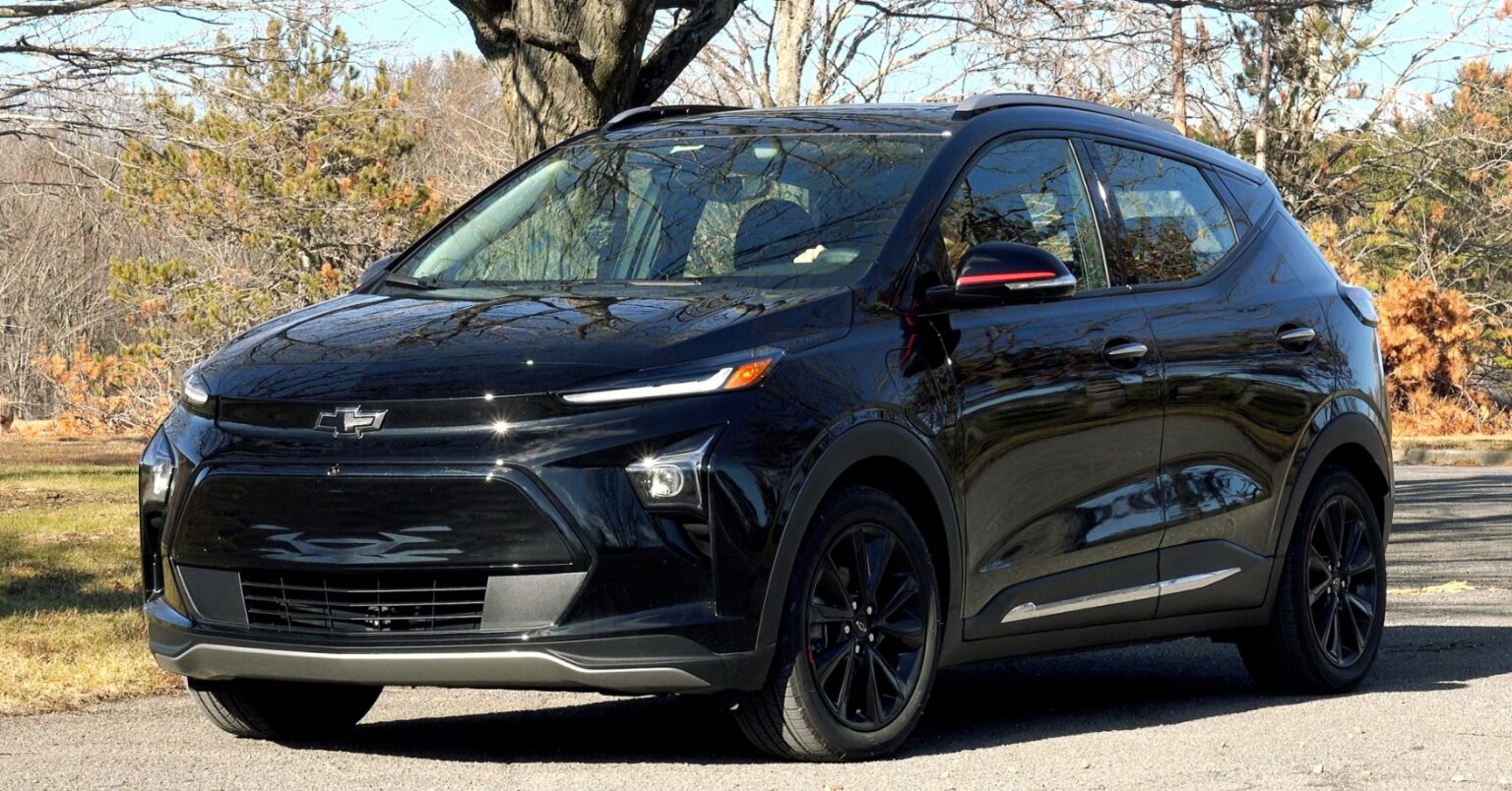
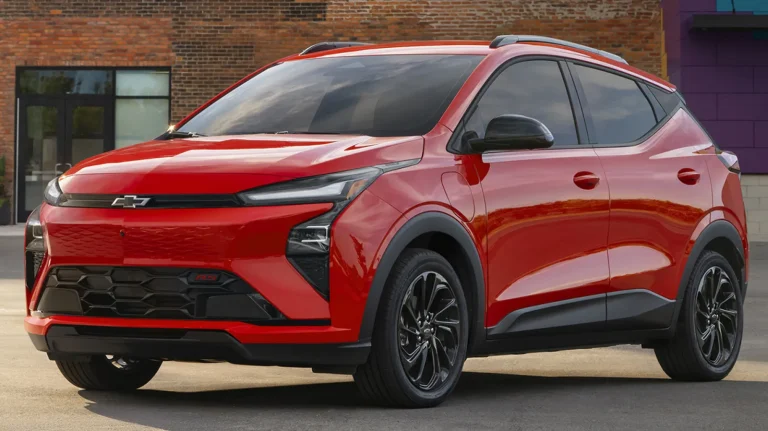
The automotive world is buzzing with anticipation as Chevrolet prepares for the triumphant return of its beloved electric workhorse. After a brief hiatus that left many EV enthusiasts longing, the Chevrolet Bolt EUV is set to re-enter the market in 2026, promising a fresh start built on General Motors’ revolutionary Ultium platform. This isn’t just a re-release; it’s a re-imagination, poised to redefine the affordable and practical electric vehicle segment.
For those who championed the original Bolt EUV for its blend of utility, efficiency, and accessible pricing, the news of its revival is a beacon of hope. This comprehensive article delves into everything we know and can anticipate about the 2026 Chevrolet Bolt EUV, from its projected release date and groundbreaking features to an in-depth buying guide designed to equip prospective owners with all the necessary information for a seamless transition into electric ownership.
The Grand Return: What to Expect from the 2026 Bolt EUV
The decision to bring back the Bolt EUV, especially on the advanced Ultium platform, signals GM’s unwavering commitment to an all-electric future, with a particular focus on making EVs attainable for the masses. This new iteration isn’t just a facelift; it’s a fundamental overhaul that promises significant improvements across the board.
1. Release Date & Availability: When Can You Get Your Hands on One?
While Chevrolet has officially confirmed the 2026 model year, specific dates are still under wraps. However, based on typical automotive production cycles and GM’s announcement timeline, we can make an educated projection:
- Production Start: Late 2025. This would allow for initial builds, quality checks, and logistics before official sales commence.
- Official Launch & Deliveries: Early to Mid-2026. Expect a phased rollout, with initial deliveries likely starting in key EV markets before expanding nationwide.
- Pre-Orders: Chevrolet might open pre-orders sometime in late 2024 or early 2025, allowing eager customers to secure their spot in line. Keeping an eye on Chevrolet’s official announcements and local dealership communications will be crucial.
The anticipation is high, and early indications suggest that demand for an affordable, Ultium-based electric SUV will be robust. Planning ahead and staying informed will be key to being among the first owners.
2. The Ultium Advantage: A Game-Changer for the Bolt EUV
The single most significant upgrade for the 2026 Bolt EUV is its migration to GM’s Ultium battery and motor architecture. This isn’t merely an upgrade; it’s a paradigm shift that unlocks a host of benefits:
- Scalability & Flexibility: Ultium is a modular platform, meaning it can be adapted to various vehicle types and sizes. For the Bolt EUV, this likely translates to optimized packaging, potentially offering more interior space despite similar exterior dimensions.
- Enhanced Range: While the previous Bolt EUV offered a respectable range, Ultium is designed for greater efficiency. We can expect a substantial boost, potentially pushing the estimated range well beyond 250 miles, possibly even approaching 300 miles on a single charge, making longer trips more feasible.
- Faster Charging Speeds: One of the key criticisms of the previous Bolt was its relatively slow DC fast-charging rate. Ultium dramatically improves this, enabling significantly quicker charging times at compatible DC fast chargers. Expect competitive charging speeds that bring the Bolt EUV in line with, or even surpass, many rivals.
- Improved Performance: Ultium allows for more powerful and efficient electric motors. This could mean zippier acceleration, smoother power delivery, and potentially the option for an all-wheel-drive (AWD) variant, a feature absent from the previous generation.
- Advanced Battery Management: Ultium batteries are designed for longevity and thermal management, which can contribute to better long-term performance and battery health.
3. Design & Aesthetics: Modernized & Refined
While specific design details are yet to be revealed, we can anticipate a significant refresh for the 2026 Bolt EUV, drawing inspiration from GM’s newer EV concepts and production models like the Blazer EV and Equinox EV.
- Exterior: Expect a sleeker, more modern aesthetic. This could include sharper lines, a more pronounced SUV stance, updated lighting signatures (LED daytime running lights and taillights are almost guaranteed), and a revised grille-less or pseudo-grille front fascia. Aerodynamic efficiency will likely be a key design driver to maximize range.
- Interior: The cabin is where the previous Bolt EUV truly shined in terms of practicality, but perhaps less so in terms of premium feel. The Ultium platform’s flexible packaging should allow for an even more spacious and versatile interior. Expect higher-quality materials, a more contemporary dashboard layout, and improved ergonomics. The focus will likely remain on functionality and comfort, with thoughtful storage solutions.
4. Technology & Features: Connectivity and Convenience at the Forefront
The 2026 Bolt EUV will undoubtedly be packed with the latest in automotive technology, enhancing both convenience and safety.
- Infotainment System: A larger, more responsive touchscreen infotainment system is a given, likely running on GM’s latest software, possibly Google Built-in, offering seamless integration with Google Maps, Google Assistant, and Google Play. Wireless Apple CarPlay and Android Auto will be standard.
- Digital Instrument Cluster: A fully digital, customizable instrument cluster will provide drivers with essential information clearly and concisely.
- Advanced Driver-Assistance Systems (ADAS): Expect a comprehensive suite of safety features, including adaptive cruise control, lane-keeping assist, automatic emergency braking, blind-spot monitoring, rear cross-traffic alert, and potentially a 360-degree camera system.
- Super Cruise (Potential): While typically reserved for higher-end GM EVs, the possibility of Super Cruise (GM’s hands-free driving assistance technology) making its way to a top-tier Bolt EUV trim would be a significant differentiator in its segment.
- Comfort & Convenience: Features like heated and ventilated seats, a heated steering wheel, a panoramic sunroof, and a premium sound system will likely be available on higher trims, enhancing the overall driving experience.
- Over-the-Air (OTA) Updates: The Ultium platform supports OTA updates, meaning your Bolt EUV can receive software enhancements and new features throughout its lifespan, keeping it fresh and up-to-date.
The Ultimate 2026 Chevrolet Bolt EUV Buying Guide
Purchasing an electric vehicle, especially a brand-new generation, involves a different set of considerations than a traditional gasoline car. This buying guide will walk you through the essential steps and factors to consider for the 2026 Chevrolet Bolt EUV.
1. Understanding Your Needs & Budget
Before you even start dreaming about specific features, honestly assess your lifestyle and financial situation.
- Daily Commute & Range: How far do you typically drive in a day? The expected 250-300+ mile range of the new Bolt EUV will cover most daily needs and even weekend trips comfortably.
- Charging Habits: Do you have access to home charging (Level 2)? This is crucial for EV ownership. If you primarily rely on public charging, map out available stations in your area.
- Passenger & Cargo Needs: The EUV’s crossover stature makes it ideal for small families or individuals needing versatile cargo space.
- Budget: While the Bolt EUV is positioned as an affordable EV, "affordable" is relative. Factor in the purchase price, potential interest on loans, insurance, and the cost of installing a home charger.
2. Trim Levels & Options (Speculative)
Based on Chevrolet’s current EV offerings, we can anticipate a few distinct trim levels for the 2026 Bolt EUV, each offering a different balance of features and price:
- LS (Entry-Level): Focus on essential EV functionality, a good range, and core safety features. Likely the most attractive price point.
- LT (Mid-Range): Adds more comfort and convenience features, such as larger infotainment screen, upgraded interior materials, heated seats, and more advanced driver-assistance systems. This will likely be the sweet spot for many buyers.
- Premier/RS (Top-Tier): Offers all the bells and whistles, including premium upholstery, ventilated seats, panoramic sunroof, Super Cruise (if available), premium sound system, and unique styling elements.
Key Options/Packages to Consider:
- Driver Confidence Package: Enhances safety with additional ADAS features.
- Infotainment Package: Upgrades the display, adds navigation, and potentially a premium audio system.
- Comfort Package: Adds heated/ventilated seats, heated steering wheel, etc.
- AWD Option: If available, this would be a significant upgrade for those in snowy climates or who desire improved traction.
3. Pricing & Value Proposition
The original Bolt’s strength was its affordability. Chevrolet has explicitly stated the new Bolt EUV will maintain its position as a value-oriented EV.
- Estimated Starting MSRP: Speculation suggests the 2026 Bolt EUV could start in the low-to-mid $30,000 range, possibly even targeting under $30,000 for the base model, making it one of the most competitively priced electric SUVs on the market.
- Cost of Ownership: EVs generally boast lower running costs.
- Fuel Savings: Electricity is typically cheaper per mile than gasoline, especially when charging at home during off-peak hours.
- Lower Maintenance: EVs have fewer moving parts than ICE vehicles, leading to reduced maintenance needs (no oil changes, spark plugs, etc.).
- Resale Value: While new EVs haven’t established long-term resale patterns like ICE cars, the demand for affordable, practical EVs suggests strong retention.
4. Incentives & Tax Credits: Maximizing Your Savings
This is a critical area for EV buyers, as incentives can significantly reduce the effective purchase price.
- Federal Tax Credit: As the 2026 Bolt EUV will be built in North America (likely at GM’s Orion Assembly plant in Michigan), it will almost certainly qualify for the full $7,500 federal clean vehicle tax credit, provided it meets battery component sourcing requirements and adheres to MSRP caps. Always verify eligibility with the IRS or your tax professional.
- State & Local Incentives: Many states offer additional rebates, tax credits, or non-monetary benefits (e.g., HOV lane access) for EV purchases. Check your state’s energy department or environmental agency websites.
- Utility Rebates: Your local electric utility company might offer rebates for installing a Level 2 home charger or for EV purchases themselves.
5. Financing & Leasing Options
- Buying (Loan): If you plan to keep the vehicle for an extended period (5+ years), buying with a loan is usually the most cost-effective. You build equity and aren’t restricted by mileage limits.
- Leasing: For those who prefer lower monthly payments, want to drive a new car every few years, or are concerned about long-term battery degradation/technology advancements, leasing can be attractive. However, be mindful of mileage restrictions and potential wear-and-tear charges.
Shop around for the best interest rates from banks, credit unions, and GM Financial.
6. The Dealership Experience & Test Drive
- Pre-Orders: If available, consider pre-ordering to secure an early build slot, especially if you have specific configurations in mind.
- Dealer Selection: Research dealerships known for good customer service and EV expertise. They should be knowledgeable about charging, incentives, and EV-specific maintenance.
- The Test Drive: This is non-negotiable.
- Drive Route: Choose a route that mimics your daily commute – city, highway, hills.
- Charging Demo: Ask for a demonstration of Level 2 and ideally, a quick DC fast-charging session if possible.
- Features: Test out the infotainment, ADAS features, and ensure comfort.
- Space: Check cargo capacity and passenger room, especially if you have car seats or frequent passengers.
7. Home Charging Installation: A Must-Have
For most EV owners, home charging is the cornerstone of convenience.
- Level 1 (120V Standard Outlet): Comes with the car, but is very slow (3-5 miles of range per hour). Only suitable for very low daily mileage.
- Level 2 (240V Charger): Highly recommended. Requires a dedicated 240V circuit (like for a clothes dryer).
- Installation: You’ll need a qualified electrician to install a 240V outlet or hardwire the charger. Costs can vary ($500-$2,000+) depending on your home’s electrical panel capacity and wiring complexity.
- Charger Unit: Many brands offer Level 2 chargers. Chevrolet might offer a branded unit or recommend partners. Look for a unit with sufficient power output (e.g., 32-48 amps) and smart features (scheduling, app control).
- Electrical Panel Upgrade: In older homes, you might need an electrical panel upgrade to accommodate the new circuit, which can add significant cost. Get multiple quotes from electricians.
8. Insurance & Maintenance
- Insurance: EV insurance rates can sometimes be slightly higher due to the cost of battery replacement in an accident, but this varies greatly by insurer and location. Get quotes before purchasing.
- Maintenance: EVs require less routine maintenance.
- Regular Checks: Tires, brakes (which last longer due to regenerative braking), wiper fluid, cabin air filter.
- Battery Warranty: GM typically offers an 8-year/100,000-mile warranty on the battery and electric propulsion components, providing peace of mind.
9. Competitors & Alternatives
While the 2026 Bolt EUV aims for a unique blend of affordability and utility, it will face competition:
- Hyundai Kona Electric: A direct rival in the compact electric SUV segment, known for good range and features.
- Kia Niro EV: Another strong competitor, offering a practical package and competitive range.
- Nissan Leaf: One of the original affordable EVs, though its range and charging tech may lag behind newer rivals.
- Tesla Model 3 (Base Model): While a sedan, its lower-end variant could cross-shop with top-tier Bolt EUV trims for those prioritizing range and charging network access.
- Upcoming Smaller EVs: As the market matures, more compact and affordable EVs from various manufacturers are expected.
The Bolt EUV’s competitive edge will lie in its Ultium platform benefits, Chevrolet’s extensive dealer network, and its aggressive pricing strategy.
The Future is Electric: Why the 2026 Bolt EUV Matters
The return of the Chevrolet Bolt EUV is more than just another vehicle launch; it’s a strategic move by General Motors to solidify its position in the rapidly expanding EV market, particularly in the crucial affordable segment. By leveraging the advanced Ultium platform, Chevrolet is poised to deliver a highly competitive, practical, and efficient electric SUV that addresses many of the criticisms leveled against earlier EVs, particularly concerning range anxiety and charging speeds.
For consumers, the 2026 Bolt EUV represents an exciting opportunity to embrace sustainable transportation without breaking the bank. It promises to be a reliable daily driver, a capable family vehicle, and a smart investment in the electric future. Its re-introduction underscores the fact that the electric revolution isn’t just for luxury buyers; it’s for everyone.
Conclusion: Ready for the Electric Road Ahead
The 2026 Chevrolet Bolt EUV is shaping up to be a true contender in the next wave of electric vehicles. With the potent combination of the Ultium platform, a refreshed design, enhanced technology, and a commitment to affordability, it’s set to pick up exactly where its predecessor left off – and then some.
As the release date approaches in early to mid-2026, staying informed about official announcements, pre-order windows, and incentive programs will be paramount. By following this comprehensive buying guide, you’ll be well-prepared to navigate the exciting journey of acquiring your very own 2026 Chevrolet Bolt EUV, marking your step into a cleaner, more efficient, and electrifying future. The wait may be a little longer, but for what promises to be a revolutionary affordable EV, it will undoubtedly be worth it.
Frequently Asked Questions (FAQs)
Q1: When is the 2026 Chevrolet Bolt EUV expected to be released?
A1: While official dates are not yet set, the 2026 Chevrolet Bolt EUV is expected to begin production in late 2025, with official launch and deliveries commencing in early to mid-2026.
Q2: How much will the 2026 Chevrolet Bolt EUV cost?
A2: Chevrolet aims for the 2026 Bolt EUV to be an affordable EV. Speculation suggests a starting MSRP in the low-to-mid $30,000 range, potentially even under $30,000 for the base model.
Q3: What kind of range can I expect from the 2026 Bolt EUV?
A3: Thanks to the Ultium platform, the 2026 Bolt EUV is expected to offer significantly improved range, likely well beyond 250 miles and possibly approaching 300 miles on a single charge.
Q4: Will the 2026 Bolt EUV qualify for the federal tax credit?
A4: As it will be built in North America on the Ultium platform, the 2026 Bolt EUV is highly likely to qualify for the full $7,500 federal clean vehicle tax credit, provided it meets all battery component sourcing requirements and MSRP caps. Always verify eligibility with the IRS.
Q5: What are the main improvements of the new Ultium platform for the Bolt EUV?
A5: The Ultium platform will bring enhanced range, significantly faster DC fast-charging speeds, potentially more powerful motors (and possibly AWD), improved packaging for interior space, and advanced battery management for longevity.
Q6: Will the 2026 Bolt EUV offer Super Cruise?
A6: While Super Cruise is typically found on higher-end GM EVs, there’s a possibility it could be offered as an option on a top-tier trim of the 2026 Bolt EUV, which would be a significant feature for its segment.
Q7: Is home charging essential for the 2026 Bolt EUV?
A7: While not strictly essential if you have reliable public charging access, home charging (especially Level 2) is highly recommended for convenience and cost savings, making EV ownership much more practical for most users.