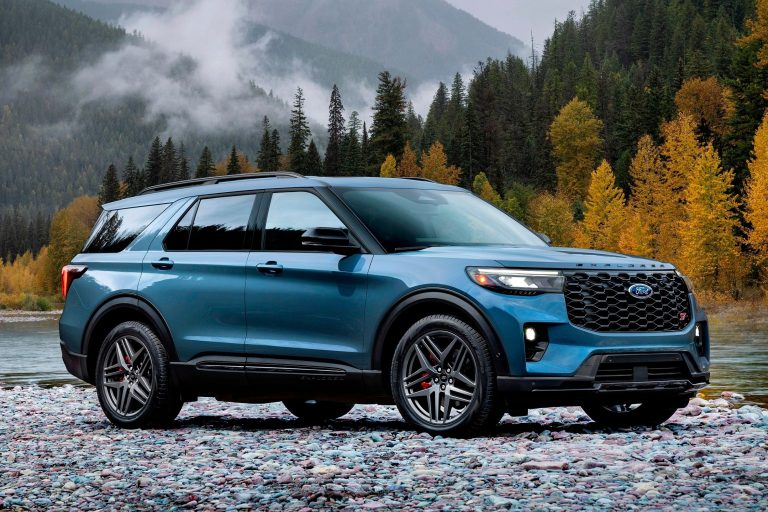
The mid-size, three-row SUV segment is a true automotive battleground, a crucible where practicality, technology, comfort, and value collide. For many American families, these versatile machines represent the ultimate do-it-all vehicle – daily commuter, weekend adventure rig, and long-haul vacation chariot. At the heart of this enduring contest stands a venerable nameplate: the Ford Explorer. As we look ahead to the 2026 model year, following its significant refresh for 2025, the Explorer continues its bid to dominate, but the competition has never been fiercer.
The question on every savvy buyer’s mind isn’t just "Which SUV is best?" but rather, "Which SUV offers the best value for the money?" This isn’t merely about the lowest sticker price; it encompasses everything from fuel economy and standard features to long-term reliability, resale value, and the overall ownership experience. Let’s pit the anticipated 2026 Ford Explorer against its most formidable rivals to determine if Dearborn’s stalwart truly represents the pinnacle of SUV value.
The Contender: The 2026 Ford Explorer – Refined, Recharged, Ready?
Ford understands the importance of the Explorer. It’s a cornerstone of their lineup, a name synonymous with family adventures for decades. Building on the comprehensive 2025 refresh, which brought a significantly updated interior, a larger infotainment screen with Google built-in, and revised exterior styling, the 2026 Explorer is expected to solidify these improvements.
What the Explorer Brings to the Table:
- Powertrain Versatility: The Explorer is unique in offering a strong blend of performance and efficiency. The standard 2.3-liter EcoBoost four-cylinder engine delivers a robust 300 horsepower, ample for most families. For those craving more grunt, the ST and Platinum models offer a potent 3.0-liter twin-turbo V6 with 400 horsepower. Crucially, Ford is committed to electrification, and the hybrid option, which offers a compelling balance of power and impressive fuel economy, is a key value proposition for many.
- Technology & Connectivity: The 2025 refresh finally gave the Explorer an interior worthy of its price point. A prominent 13.2-inch touchscreen with Google built-in (Google Maps, Google Assistant, Google Play) offers a modern, intuitive user experience. Wireless Apple CarPlay and Android Auto are standard, along with plenty of USB ports. This suite of tech makes the Explorer feel contemporary and connected, minimizing the need for expensive upgrades.
- Space & Practicality: The Explorer’s rear-wheel-drive-based platform (though AWD is available) allows for a spacious interior, particularly in the first two rows. While the third row is typical for the segment (best for kids or short trips for adults), cargo space behind the third row is competitive, and it expands significantly with seats folded flat.
- Trim Level Variety: From the budget-friendly Active to the off-road-oriented Timberline, the sporty ST, and the luxurious Platinum, the Explorer offers a trim for nearly every taste and budget. This allows buyers to tailor their purchase precisely to their needs, potentially finding a sweet spot for value.
- Driving Dynamics: The Explorer generally offers a comfortable, composed ride, with precise steering that belies its size. The ST trim, in particular, transforms the Explorer into a genuinely engaging performer, something few rivals can match.
Potential Downsides for Value:
- While the interior has improved, some rivals still offer a more premium feel in certain touchpoints.
- The hybrid, while efficient, might not quite match the class-leading efficiency of some dedicated hybrid platforms.
- Ford’s resale value, while solid, sometimes lags slightly behind Japanese rivals.
The Competition: A Gauntlet of Formidable Foes
To truly assess the Explorer’s value, we must hold it against the best the segment has to offer.
1. Honda Pilot: The Unflappable Family Hauler
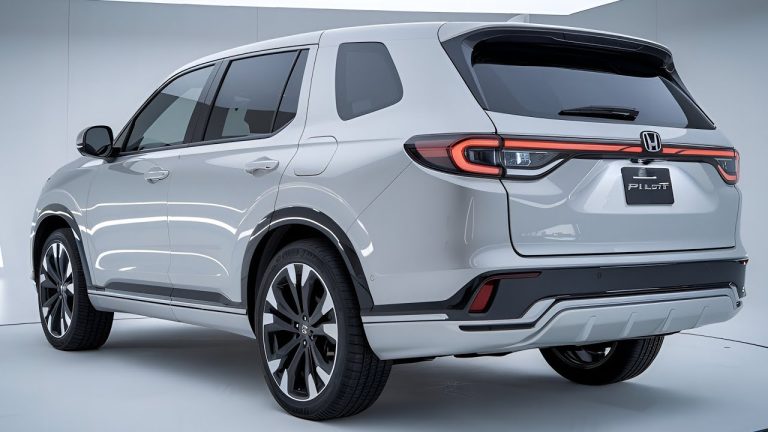
The Pilot has long been the benchmark for practicality, reliability, and family-friendly design. Its recent redesign brought a more rugged aesthetic, a much-improved interior, and a strong V6 engine.
- Strengths: Cavernous interior space, especially the third row. Honda’s reputation for bulletproof reliability and strong resale value. Intuitive infotainment system. Standard V6 power.
- Weaknesses: No hybrid option (a significant omission in today’s market). Less engaging to drive than some rivals. Styling, while improved, can still be a bit conservative for some.
- Value Proposition: The Pilot’s long-term ownership costs are incredibly low due to its reliability and high resale. It might not be the cheapest upfront, but its endurance makes it a sound investment.
2. Toyota Highlander: The Hybrid King
The Highlander has carved out a niche as the sensible, efficient choice, especially with its dominant hybrid powertrain. It prioritizes fuel economy and a serene driving experience.
- Strengths: Class-leading hybrid fuel economy. Toyota’s legendary reliability and sky-high resale value. Smooth, comfortable ride. Comprehensive standard safety features (Toyota Safety Sense).
- Weaknesses: Tighter third row and less cargo space than many rivals. Less powerful standard engine (turbo-four) than the Explorer or Pilot. Styling is generally conservative.
- Value Proposition: For those prioritizing fuel economy and peace of mind through long-term reliability and excellent resale, the Highlander Hybrid is arguably the segment’s value leader. Its ownership costs are remarkably low.
3. Kia Telluride / Hyundai Palisade: The Premium Value Disruptors
These Korean twins burst onto the scene and redefined expectations for the segment, offering luxury-level features and design at a mainstream price.
- Strengths: Stunning design (especially Telluride), upscale interiors with premium materials. Generous standard features, even on base models. Comfortable ride. Outstanding warranty (10-year/100,000-mile powertrain). Powerful standard V6 engine.
- Weaknesses: No hybrid option. Fuel economy is merely average. Some find the driving dynamics a bit less engaging.
- Value Proposition: The Telluride and Palisade offer an unparalleled blend of style, features, and luxury for the price. Their long warranty further enhances their value, making them incredibly attractive for buyers who want "more for less."
4. Chevrolet Traverse / Buick Enclave: The Space Cadets
GM’s entries prioritize sheer interior volume, offering expansive cabins that can genuinely accommodate larger families and their gear. The Traverse focuses on mainstream appeal, while the Enclave adds a touch of near-luxury.
- Strengths: Best-in-class passenger and cargo space. Powerful standard V6 engine (Traverse, though the 2024 model year introduced a turbo-four, so 2026 will likely continue that). Comfortable ride.
- Weaknesses: Less refined interiors than some rivals (especially Traverse). Fuel economy is not a strong suit. Resale value can be a bit more volatile.
- Value Proposition: For buyers whose absolute top priority is maximum space without stepping up to a full-size SUV, the Traverse offers immense practicality for the money.
5. Jeep Grand Cherokee L: The Adventurous Premium Play
While perhaps a step more premium than some core competitors, the Grand Cherokee L offers a unique blend of rugged capability and upscale amenities, often at a competitive price point for its offerings.
- Strengths: Iconic Jeep styling. Exceptional off-road capability (especially with optional air suspension and AWD systems). Upscale interior, particularly in higher trims. Available V8 power.
- Weaknesses: Fuel economy is generally lower. Higher starting price than many competitors. Third row is tighter than the Pilot or Traverse.
- Value Proposition: For those who crave genuine off-road prowess combined with a more luxurious and distinctive experience, the Grand Cherokee L offers a strong package, though it might stretch the definition of "best for the money" compared to pure value plays.
Head-to-Head: The Battle for Your Dollar
Let’s break down the key battlegrounds where value truly matters.
1. Initial Price vs. Standard Features:
The Explorer typically starts competitively, with its base "Active" trim offering a good array of standard features, including the new infotainment system and Co-Pilot360 safety suite. However, the Kia Telluride and Hyundai Palisade are hard to beat here, often providing features like synthetic leather, larger screens, and more advanced driver aids at lower trim levels than their competitors. The Highlander and Pilot also offer solid standard packages.
2. Powertrains & Fuel Economy (Long-Term Running Costs):
This is where the Explorer’s hybrid option truly shines against many rivals. While the Highlander Hybrid remains the efficiency king, the Explorer Hybrid offers a more powerful, engaging driving experience with excellent MPG. The Pilot, Telluride, and Palisade, with their V6 engines, offer strong performance but lag significantly in fuel economy. For families logging serious miles, the hybrid options (Explorer, Highlander) offer substantial long-term savings at the pump, making them strong value plays despite potentially higher initial hybrid premiums.
3. Interior Quality & Technology:
The 2025/2026 Explorer’s updated interior and Google Built-in system significantly elevate its game. It now stands toe-to-toe with the best, offering intuitive tech and a more premium feel. However, the Kia Telluride and Hyundai Palisade still offer a "wow" factor with their designs and material choices that can make them feel a class above. Honda and Toyota have caught up significantly but might lack the same level of visual flair or cutting-edge infotainment integration as the Explorer or Koreans.
4. Safety & Driver-Assist Systems:
All major players in this segment offer comprehensive standard safety suites (Ford Co-Pilot360, Honda Sensing, Toyota Safety Sense, Hyundai SmartSense, etc.). They generally include adaptive cruise control, lane-keeping assist, automatic emergency braking, and blind-spot monitoring. Where value comes into play is how many advanced features are standard versus optional. Ford, Toyota, and Honda typically offer a robust suite as standard, with Kia/Hyundai also being very competitive.
5. Reliability & Resale Value:
This is often the deciding factor for "best for the money." Toyota and Honda consistently lead the pack here, with their vehicles commanding excellent resale values and boasting reputations for bulletproof reliability. The Explorer has improved its standing in recent years, and Ford’s commitment to quality is evident, but it typically trails its Japanese rivals in these metrics. Kia and Hyundai have made significant strides, and their long warranties are a huge confidence booster, helping to shore up their resale value.
6. Driving Dynamics & Comfort:
The Explorer, particularly with its rear-wheel-drive architecture, offers a more engaging driving experience than many front-wheel-drive-based competitors. It feels more agile and planted. The ST trim is in a class of its own for performance. However, for sheer ride comfort, the Highlander and Pilot are excellent, soaking up road imperfections with ease. The Telluride and Palisade strike a nice balance between comfort and composure.
The Verdict: Is the 2026 Ford Explorer the Best SUV for Your Money?
The answer, as with most things in life, is nuanced. There is no single "best" SUV for everyone’s money, as individual priorities vary wildly.
The 2026 Ford Explorer is an incredibly strong contender for the money if:
- You value powertrain choice and versatility: From the potent EcoBoost to the engaging hybrid and the performance-oriented ST, the Explorer offers options for every driving style.
- You appreciate modern technology and connectivity: The Google Built-in infotainment system and updated interior are significant upgrades that provide a cutting-edge experience.
- You seek a more engaging driving experience: Its RWD-based platform gives it an edge in handling and feel.
- You appreciate a wide range of trims: You can truly tailor the Explorer to your specific needs and budget.
However, you might find better "value for the money" in competitors if:
- Absolute long-term reliability and resale value are paramount: The Toyota Highlander (especially the Hybrid) and Honda Pilot still hold the crown here.
- You want the most luxurious features and design for your dollar: The Kia Telluride and Hyundai Palisade continue to deliver an unmatched premium feel at a mainstream price, backed by an industry-leading warranty.
- Maximum interior space is your non-negotiable priority: The Chevrolet Traverse remains the king of cavernous interiors.
- Unparalleled fuel economy is your primary driver: The Toyota Highlander Hybrid likely still edges out the Explorer Hybrid slightly.
In conclusion, the 2026 Ford Explorer, with its thoughtful refresh and compelling blend of technology, power, and practicality, has cemented its place as a top-tier contender in the mid-size SUV segment. It offers a well-rounded package that delivers significant value. But in a market brimming with such excellent alternatives, the "best for your money" truly comes down to your specific needs, your driving style, and your long-term priorities. The best advice remains to test drive the Explorer alongside its closest rivals. Only then can you truly discover which one feels like the perfect fit for your family and your wallet. The battle for the family dollar rages on, and the consumer is the ultimate winner.