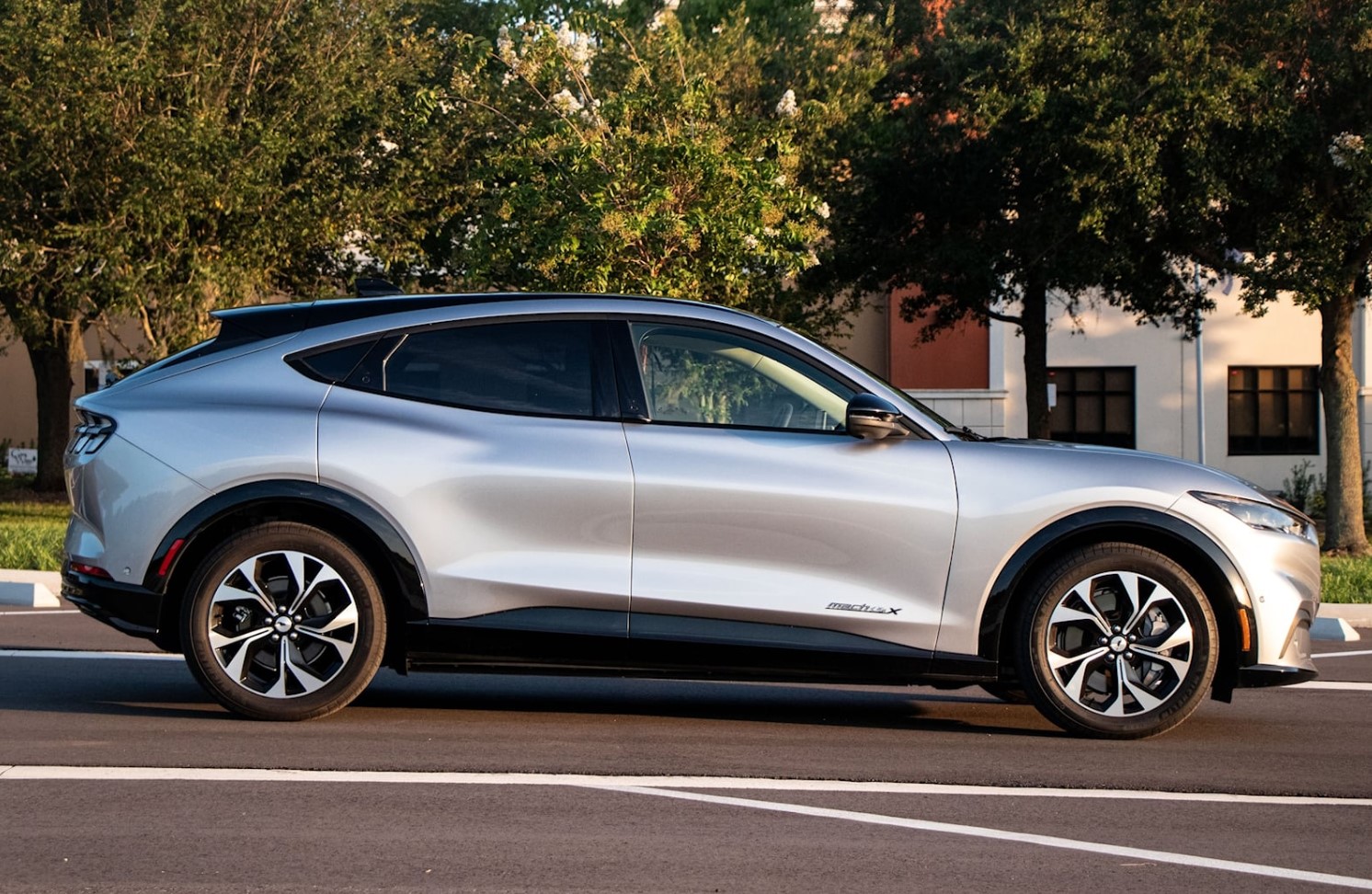
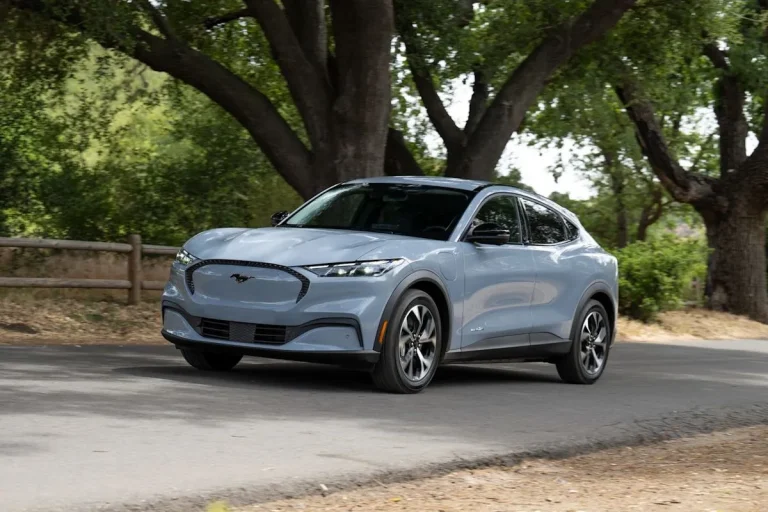
The Ford Mustang Mach-E burst onto the scene as a groundbreaking vehicle, successfully blending the iconic Mustang spirit with the practicality and innovation of an all-electric SUV. It challenged perceptions, sparked debates, and ultimately carved out a significant niche in the rapidly expanding EV market. As automotive technology continues its breakneck pace of evolution, anticipation is already building for what the future holds for this trailblazing electric pony – specifically, the potential 2026 Ford Mustang Mach-E.
While Ford has not yet officially confirmed a specific "2026" model year major refresh or full redesign, the automotive industry operates on predictable cycles. This article will delve into the speculative release date, what potential enhancements we might see, and provide a comprehensive buying guide for anyone considering the Ford Mustang Mach-E, whether they’re eyeing a current model or patiently waiting for the future.
Part 1: The Anticipated 2026 Ford Mustang Mach-E – Release Date and Speculation
The current generation of the Mustang Mach-E debuted for the 2021 model year. Typically, automakers introduce a "mid-cycle refresh" (or facelift) around three to four years into a model’s lifecycle, followed by a complete redesign after six to seven years. Given this pattern, a significant update or a full next-generation Mach-E could indeed be on the horizon for the 2026 model year, or at least a notable refresh.
Understanding Ford’s Product Cycle:
- 2021: Launch of the first-generation Mustang Mach-E.
- 2022-2024: Incremental updates (e.g., range boosts, software enhancements, new trim levels like the Mach-E Rally).
- Late 2024 / Early 2025 (Potential): A mid-cycle refresh for the 2025 model year could bring cosmetic tweaks, interior updates, and minor performance improvements.
- Late 2025 / Early 2026 (Stronger Possibility): This timeline aligns with either a significant refresh for the 2026 model year or even the debut of a next-generation platform if Ford accelerates its EV development.
Speculative Release Date:
If Ford opts for a significant refresh or a new generation for the 2026 model year, we would likely see official announcements and concept reveals in late 2024 or throughout 2025. Production would then typically commence in late 2025, with vehicles arriving at dealerships in early to mid-2026. This, however, remains speculative until Ford’s official statements.
What to Expect from a Future Mach-E (2026 and Beyond):
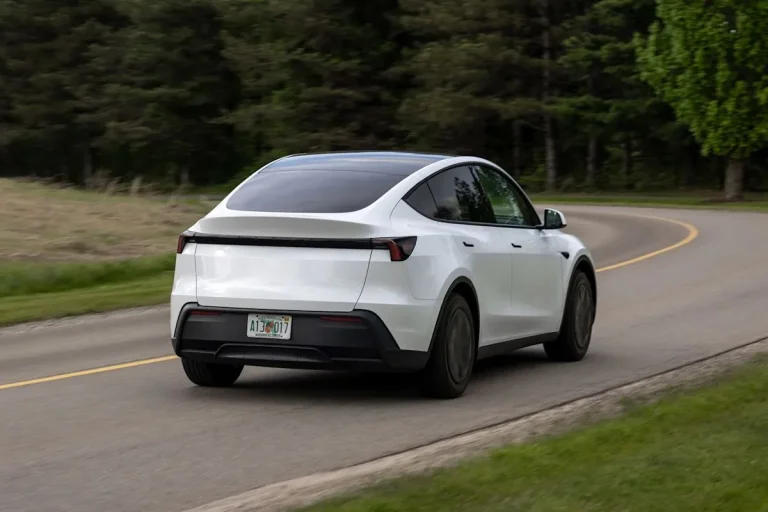
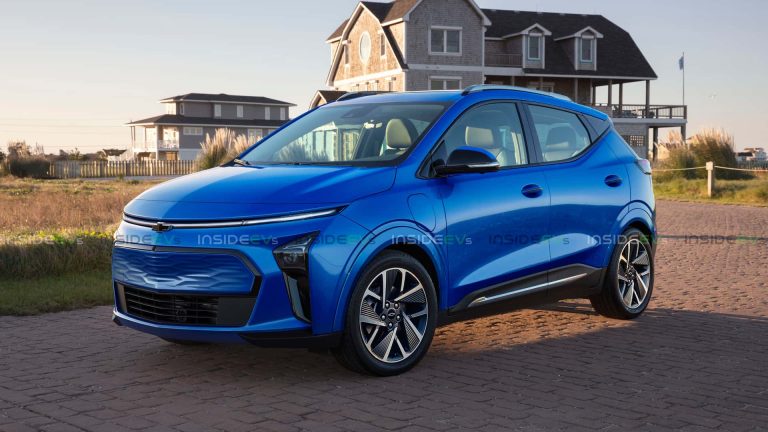
The automotive landscape is intensely competitive, especially in the EV segment. Ford will undoubtedly be looking to enhance the Mach-E to stay ahead of rivals like the Tesla Model Y, Hyundai Ioniq 5, Kia EV6, and Chevrolet Blazer EV.
-
Design Evolution:
- Exterior: Expect subtle but impactful styling updates. Sharper lines, revised front and rear fascias (grille, headlights, taillights), new wheel designs, and potentially more aerodynamic elements to boost efficiency. The core Mustang-inspired silhouette is likely to remain, but with a more modern, perhaps even aggressive, stance.
- Interior: The current Mach-E’s interior is dominated by its large vertical touchscreen. Future iterations could refine this, integrate more premium materials, introduce new color palettes, and enhance ambient lighting. Ergonomics might be tweaked, and perhaps a more customizable digital gauge cluster.
-
Performance & Powertrain Advancements:
- Increased Range: Battery technology is improving rapidly. We could see higher energy density batteries, potentially offering extended ranges beyond the current 310 miles (for the California Route 1). LFP (Lithium Iron Phosphate) batteries might be introduced for standard range models, offering cost savings and better long-term durability, while NCM (Nickel Cobalt Manganese) batteries could continue to power extended range and performance variants.
- Faster Charging: The Mach-E already supports decent DC fast charging speeds, but future models could push closer to 200-250 kW peaks, significantly reducing charging times on the go.
- More Power & Efficiency: Incremental gains in motor efficiency and power output are common with refreshes, potentially leading to even quicker 0-60 mph times, especially for GT variants.
- Software Optimization: Over-the-air (OTA) updates will continue to refine power delivery, range management, and overall driving dynamics.
-
Technology & Connectivity:
- Next-Gen Infotainment: While SYNC 4A is robust, future versions could offer faster processors, higher-resolution displays, more seamless smartphone integration, and new apps.
- Advanced Driver-Assistance Systems (ADAS): BlueCruise, Ford’s hands-free highway driving system, will undoubtedly see significant upgrades. Expect expanded road compatibility, more sophisticated lane changes, and potentially even urban hands-free driving capabilities. Other ADAS features like enhanced parking assist, cross-traffic alerts, and evasive steering assist will likely become standard or more advanced.
- Vehicle-to-Grid (V2G) / Vehicle-to-Load (V2L): As EVs become more integrated into smart homes and energy grids, the Mach-E could gain V2G capabilities, allowing it to feed power back into a home or grid during peak demand, or V2L to power external devices.
- NACS Charging Port: Ford has committed to adopting the North American Charging Standard (NACS) connector (Tesla’s standard) starting in 2025. While current Mach-E owners will get an adapter, the 2026 model would likely feature a native NACS port, simplifying charging at Tesla Superchargers.
-
New Trims & Special Editions:
- Ford could introduce new trim levels, perhaps an even more luxurious variant or a specialized off-road version building on the Mach-E Rally’s success. Limited-edition models with unique styling and performance enhancements are also a possibility.
Part 2: The Comprehensive Buying Guide for the Ford Mustang Mach-E
Whether you’re eyeing a current model or patiently waiting for potential 2026 enhancements, a well-informed decision is crucial. Here’s what to consider when buying a Ford Mustang Mach-E.
1. Performance and Range: Tailoring to Your Needs
The Mach-E offers a diverse lineup, each with distinct performance and range characteristics.
- Battery Options:
- Standard Range (SR): Typically around 70 kWh usable capacity. Good for daily commuting and shorter trips.
- Extended Range (ER): Approximately 91 kWh usable capacity. Provides significantly more range, ideal for longer commutes or road trips.
- Drivetrain:
- Rear-Wheel Drive (RWD): Offers slightly better range and a purer driving feel, reminiscent of traditional Mustangs.
- All-Wheel Drive (AWD): Utilizes dual motors for improved traction, quicker acceleration, and enhanced handling, especially in adverse weather conditions. AWD typically results in a small range penalty.
- Trim Levels (Current/Recent Models, likely similar structure for future):
- Select: The entry-level, often with SR battery and RWD as standard, AWD optional. Good value for money.
- Premium: A popular choice, offering ER battery option, more luxury features, and AWD availability. Balances range, features, and price.
- California Route 1 (RWD only): Focused on maximizing range, typically with the ER battery and RWD. A great option for range anxiety.
- GT & GT Performance Edition: The performance kings. Come standard with ER battery and AWD, delivering blistering acceleration (0-60 mph in mid-3-second range for GTPE). Sacrifices some range for raw power.
- Rally: A new addition for 2024, focusing on light off-road capability and unique styling, also with ER and AWD.
Key Consideration: Evaluate your daily driving habits. Do you commute long distances? Take frequent road trips? The Extended Range battery is often worth the upgrade for peace of mind, but the Standard Range might suffice for urban dwellers with predictable charging access.
2. Charging Infrastructure: Powering Your EV Life
This is perhaps the most critical aspect of EV ownership.
- Home Charging (Level 2 – 240V):
- Absolute Must-Have: Installing a 240V outlet (like for a clothes dryer) and a Level 2 home charger (often called an EVSE) is highly recommended. This allows you to fully recharge overnight, waking up to a "full tank" every day.
- Installation Cost: Varies (typically $500 – $2,000) depending on your electrical panel and wiring needs.
- Charging Speed: Adds 20-30 miles of range per hour, depending on the charger and your home’s electrical capacity.
- Public Charging:
- DC Fast Charging (DCFC): Essential for road trips. The Mach-E uses the CCS (Combined Charging System) standard, but will adopt NACS. DCFC can add hundreds of miles of range in under an hour (e.g., 10-80% in 30-45 minutes).
- Level 2 Public Chargers: Useful for topping off while shopping or at work.
- Charging Networks: Familiarize yourself with networks like Electrify America, EVgo, ChargePoint, and soon, Tesla’s Supercharger network.
- NACS Adoption: Ford’s commitment to NACS means future Mach-E models will natively support Tesla’s Supercharger network, significantly expanding fast-charging options. Current Mach-E owners will receive an adapter to access Superchargers.
Key Consideration: Plan your charging strategy. Can you reliably charge at home? Are there sufficient public chargers on your frequent routes?
3. Interior, Technology, and Comfort
The Mach-E’s cabin is a modern, tech-forward space.
- Infotainment: Dominated by a large 15.5-inch vertical touchscreen running Ford’s SYNC 4A system. It’s generally intuitive, supports Apple CarPlay and Android Auto (wireless), and receives over-the-air updates.
- Driver-Assist Features: Ford Co-Pilot360 suite is standard, including adaptive cruise control, lane-keeping assist, blind-spot monitoring, and automatic emergency braking.
- BlueCruise: Ford’s hands-free driving system for compatible highways. Available as an option or subscription, it significantly reduces driver fatigue on long trips.
- Cargo Space: With 29.7 cubic feet behind the rear seats and up to 59.7 cubic feet with them folded, plus a generous 4.7 cubic feet "frunk" (front trunk), the Mach-E offers ample practicality for luggage, groceries, or gear.
- Materials & Comfort: Quality varies by trim, from durable cloth in the Select to premium ActiveX synthetic leather in higher trims. Seats are generally supportive and comfortable for long drives.
Key Consideration: Spend time with the infotainment system during a test drive. Does BlueCruise appeal to you? Is the cargo space adequate for your lifestyle?
4. Pricing and Trims: Navigating Your Budget
EVs often have a higher upfront cost than comparable gasoline vehicles, but incentives and lower running costs can offset this.
- MSRP: Starting prices for the Mach-E typically range from the low $40,000s for a base Select model to over $60,000 for a fully loaded GT Performance Edition (prices subject to change with model years and inflation).
- Options & Packages: Look out for comfort packages, technology upgrades, enhanced audio systems (like the B&O Sound System), and specialized wheel options.
- Resale Value: While historically volatile for EVs, the Mach-E has shown strong demand, suggesting decent resale value compared to some competitors.
Key Consideration: Set a realistic budget. Consider both the initial purchase price and potential long-term savings.
5. Ownership Costs: Beyond the Sticker Price
- Electricity vs. Gasoline: Charging at home is significantly cheaper than buying gasoline. Public fast charging can be comparable or slightly more expensive per mile, but still often cheaper than premium gas.
- Maintenance: EVs have fewer moving parts than ICE vehicles, leading to lower scheduled maintenance costs (no oil changes, spark plugs, etc.). Tire wear can be higher due to the weight and instant torque.
- Insurance: EV insurance rates can sometimes be higher due to the advanced technology and higher repair costs for specialized components like batteries.
- Battery Warranty: Ford offers an 8-year/100,000-mile warranty on the Mach-E’s battery and electric drivetrain components, providing peace of mind.
Key Consideration: Calculate your estimated annual fuel savings. Factor in potential insurance differences.
6. Incentives and Tax Credits: Saving Money
- Federal Tax Credit: The Mach-E has historically qualified for some federal tax credits, which can significantly reduce the effective purchase price. Eligibility criteria often change (e.g., battery component sourcing, MSRP limits), so always check the latest IRS guidelines.
- State & Local Incentives: Many states offer additional rebates, tax credits, or perks like HOV lane access for EV owners. Check your local government websites.
- Leasing vs. Buying: Leasing an EV can sometimes allow you to indirectly benefit from federal tax credits that you might not qualify for directly, as the leasing company often passes on the savings.
Key Consideration: Research all applicable incentives before making a purchase decision. They can literally save you thousands of dollars.
7. The Competition: A Crowded Arena
The Mach-E competes in a fiercely contested segment. Consider alternatives to ensure you’re getting the best fit:
- Tesla Model Y: Known for its extensive Supercharger network, minimalist interior, and impressive performance.
- Hyundai Ioniq 5 / Kia EV6: Distinctive styling, ultra-fast charging, and comfortable interiors.
- Chevrolet Blazer EV: GM’s entry, offering various trims and a competitive range.
- Volkswagen ID.4: A more understated option, focusing on practicality and comfort.
Key Consideration: Test drive a few competitors to truly understand the Mach-E’s strengths and weaknesses relative to the market.
8. The Test Drive: Your Ultimate Decision Maker
No amount of research can replace firsthand experience.
- Drive Multiple Trims: If possible, test drive both RWD and AWD, and perhaps a Standard Range vs. Extended Range to feel the differences.
- Simulate Your Commute: Pay attention to how the car handles city traffic, highway cruising, and parking.
- Evaluate BlueCruise: If considering, test it on a compatible highway.
- Check Visibility & Ergonomics: Ensure the driving position is comfortable and all controls are easily accessible.
- Ask Questions: Don’t hesitate to grill the dealership staff about charging, features, and ownership.
Conclusion: Embracing the Electric Future with the Mustang Mach-E
The Ford Mustang Mach-E represents a bold step into the electric future, successfully marrying heritage-inspired design with cutting-edge EV technology. While the specifics of the 2026 model year remain a subject of exciting speculation, the current Mach-E already offers a compelling package of performance, range, and technology.
For those eager to embrace electric driving, the Mach-E stands as a formidable contender. By thoroughly researching its capabilities, understanding the EV charging ecosystem, and carefully evaluating your personal needs and budget, you can make an informed decision that will bring you years of exhilarating, emission-free driving. Whether you choose to jump into a current model or patiently await the potential innovations of the 2026 Ford Mustang Mach-E, you’re investing in a future where power, style, and sustainability ride hand-in-hand. Stay tuned for official announcements, as the electric pony continues to evolve and redefine what a Mustang can be.