The automotive landscape is an ever-shifting battleground, and perhaps nowhere is the competition more intense than in the mid-size, three-row SUV segment. These vehicles are the workhorses of American families, the go-to choice for weekend adventures, daily commutes, and everything in between. They must blend practicality with comfort, safety with technology, and critically, offer compelling value for money.
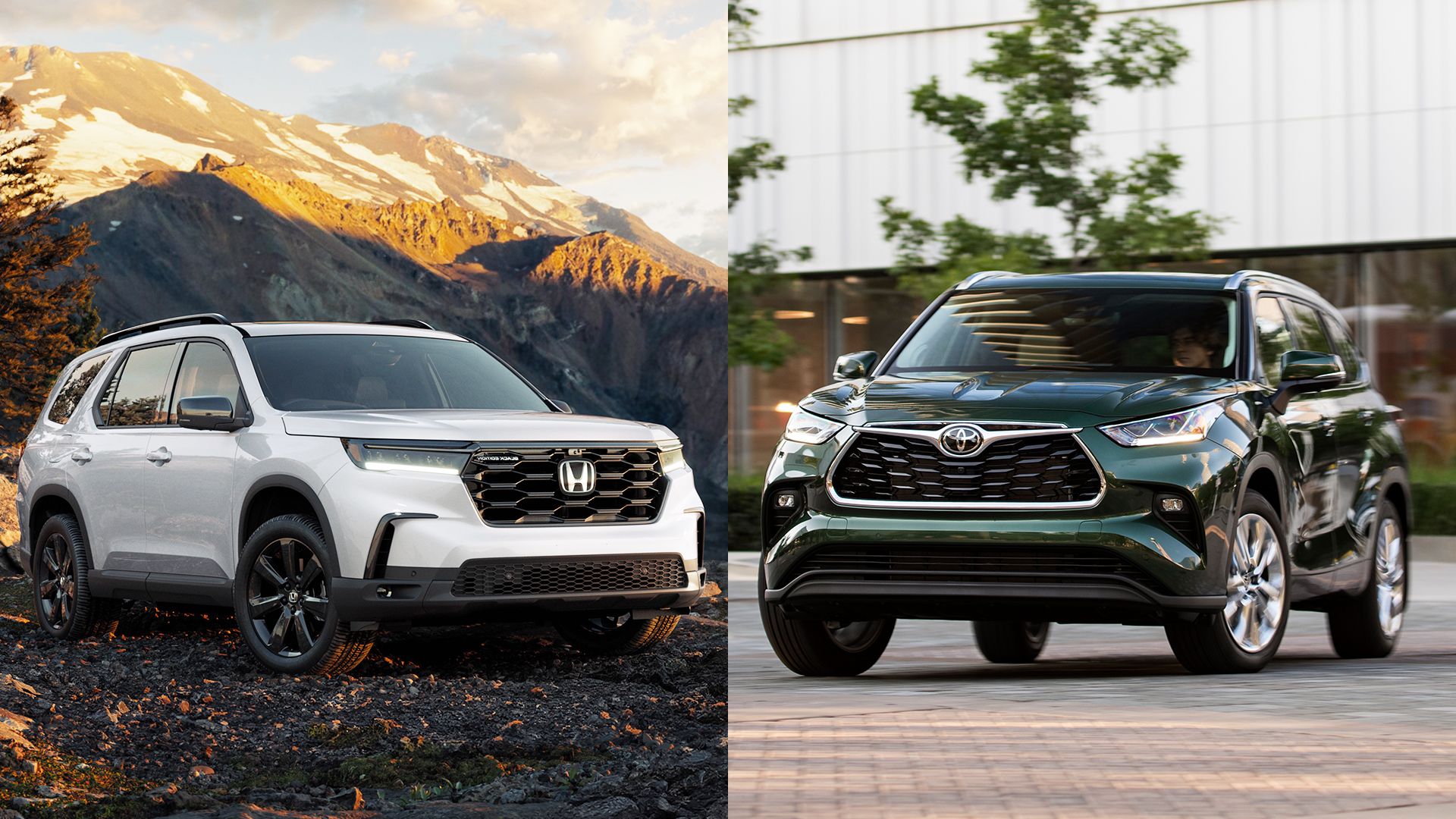
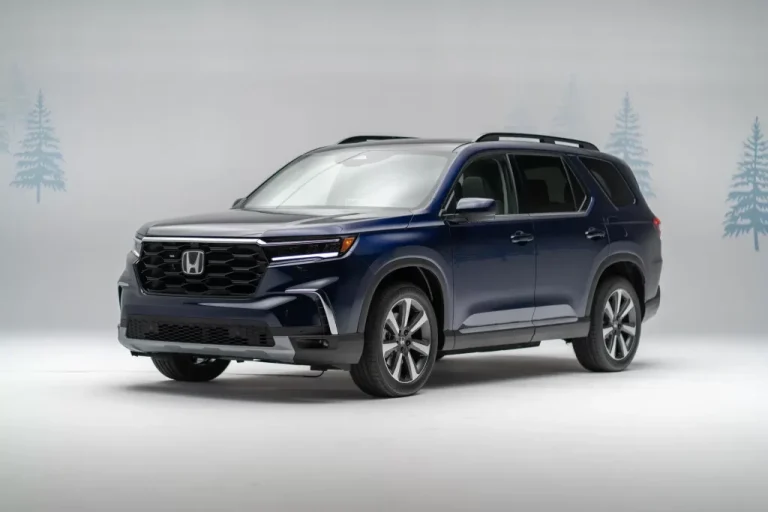
Enter the anticipated 2026 Honda Pilot. While still a few years out, the current generation, introduced for 2023, has already set a strong precedent. As we look towards its next evolutionary step, the question looms large: can the 2026 Pilot not only hold its own but truly distinguish itself as the "best SUV for the money" against a formidable roster of rivals? To answer this, we must don our automotive analyst hats, speculate on Honda’s likely trajectory, and meticulously dissect the value propositions of its key competitors.
The Current Contender: A Foundation for the Future
Before we peer into the crystal ball for the 2026 model, it’s essential to understand the strengths and areas for improvement of the current Pilot. The fourth-generation Pilot, launched in 2023, brought a much-needed injection of ruggedness and sophistication. It shed some of its minivan-esque curves for a more upright, traditional SUV stance, particularly evident in the TrailSport trim.
Under the hood, Honda maintained its venerable 3.5-liter V6 engine, refined for 2023 to produce 285 horsepower, paired with a smooth 10-speed automatic transmission. While some rivals have embraced turbo-fours or hybrid-only powertrains, Honda has stuck with a proven formula, offering robust, naturally aspirated power. Inside, the current Pilot offers impressive space, particularly in the third row, and thoughtful storage solutions. The infotainment system, while improved, still trails some competitors in terms of sheer screen size and interface fluidity. Honda Sensing, the suite of advanced driver-assistance systems, is comprehensive and standard, reinforcing Honda’s commitment to safety.
Anticipating the 2026 Honda Pilot: Evolutionary Refinement or Revolutionary Leap?
Given Honda’s typical product cycles, the 2026 Pilot will likely represent a mid-cycle refresh rather than an entirely new generation. This means we can expect evolutionary improvements building upon the current model’s solid foundation.
- Design and Aesthetics: Expect subtle tweaks to the exterior styling. Honda might refine the grille, update headlight and taillight signatures with more advanced LED technology, and introduce new wheel designs. The overall rugged yet refined aesthetic is likely to remain, perhaps with further differentiation between trims (e.g., a more luxurious Elite/Black Edition, a more off-road-capable TrailSport).
- Powertrain Evolution: This is a crucial area for "value." While the 3.5L V6 is reliable and potent, market trends heavily favor fuel efficiency and electrification. For 2026, it’s highly probable that Honda will introduce some form of hybrid powertrain. This could be a full hybrid system, perhaps borrowed from the CR-V or Accord, or a mild-hybrid setup to boost efficiency and low-end torque. A plug-in hybrid (PHEV) option, while less likely for a mid-cycle refresh, would be a game-changer for overall value, offering significant fuel savings and potentially EV range for daily commutes. The existing V6 will likely receive further minor efficiency improvements and calibration tweaks for the 10-speed transmission.
- Interior and Technology: This is where the Pilot needs to make significant strides to stay competitive. We anticipate:
- Enhanced Infotainment: Larger, higher-resolution touchscreens (perhaps a 10.2-inch or 12.3-inch option), wireless Apple CarPlay and Android Auto as standard across more trims, and a more intuitive, customizable user interface.
- Digital Gauge Cluster: A fully digital instrument cluster, standard on higher trims, offering more customization and integration with navigation and ADAS.
- Premium Materials: An uplift in soft-touch materials, improved switchgear quality, and potentially more ambient lighting options to elevate the cabin’s perceived luxury.
- Connectivity: Further integration of connected services, potentially with 5G capability, enhanced voice control, and over-the-air (OTA) update capabilities for key vehicle systems.
- Comfort: Refined seating, perhaps with more massage functions or advanced climate control options for rear passengers.
- Safety and Driver-Assistance: Honda Sensing will undoubtedly see enhancements. This could include improved radar and camera resolution, leading to more sophisticated adaptive cruise control (with traffic jam assist), lane-keeping assist, and potentially hands-free driving capabilities on certain highways (similar to GM’s Super Cruise or Ford’s BlueCruise, though Honda tends to be more conservative). Enhanced parking aids and a 360-degree camera system with higher resolution are also expected.
The Competitors: A Gauntlet of Value and Innovation
To truly assess the 2026 Pilot’s "best for the money" claim, we must stack it against its most formidable rivals, each bringing its own unique blend of features, performance, and price point.
1. Hyundai Palisade / Kia Telluride (The Value-Luxury Twins):
- Strengths: These Korean siblings redefined the segment by offering near-luxury interiors, stunning design, and a plethora of standard features at competitive prices. Their infotainment systems are among the best, and they boast a class-leading 10-year/100,000-mile powertrain warranty. Space is generous, and the V6 engines are smooth.
- Value Proposition: Exceptional features-per-dollar, premium feel without the premium price tag, and outstanding warranty coverage significantly reduce long-term ownership anxieties.
- Challenge for Pilot: The Pilot needs to elevate its interior design and tech substantially to match the Palisade/Telluride’s "wow" factor and perceived luxury.
2. Toyota Grand Highlander (The Space & Efficiency Champion):
- Strengths: New for 2024, the Grand Highlander addresses the regular Highlander’s cramped third row, offering cavernous space. Crucially, it comes with multiple hybrid options, including the powerful Hybrid MAX, delivering impressive fuel economy and performance. Toyota’s legendary reliability and strong resale value are inherent.
- Value Proposition: Unbeatable combination of space, fuel efficiency (especially the hybrids), and peace of mind through reliability and high resale.
- Challenge for Pilot: The Grand Highlander sets a new benchmark for family practicality and hybrid efficiency. If the 2026 Pilot doesn’t offer a compelling hybrid, it will struggle on fuel cost metrics.
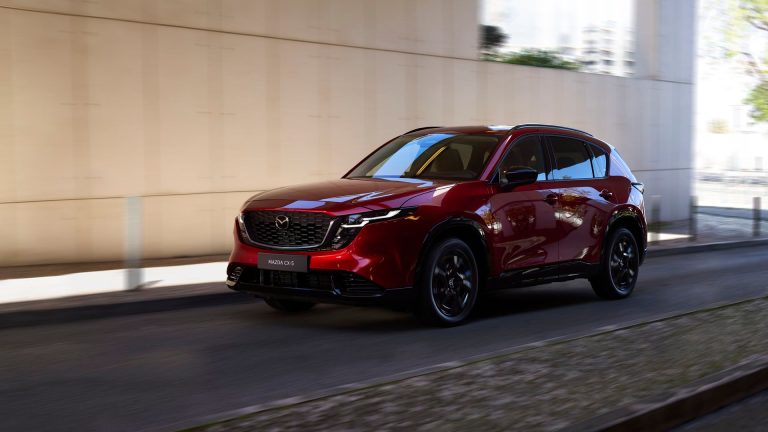
3. Mazda CX-90 (The Premium Driving Experience):
- Strengths: Mazda has been pushing upmarket, and the CX-90 is a testament to this. It offers sophisticated styling, a truly premium interior, and engaging driving dynamics. Its inline-six turbocharged engine (with mild-hybrid tech) and available PHEV powertrain are unique in the segment, offering both power and efficiency.
- Value Proposition: A more luxurious, driver-focused experience at a price point below true luxury brands. The PHEV option offers significant long-term fuel savings for those who can charge regularly.
- Challenge for Pilot: The CX-90 offers a distinct premium feel and driving enjoyment that the Pilot, traditionally more utilitarian, might struggle to match without a significant philosophical shift.
4. Chevrolet Traverse / GMC Acadia (The American Workhorses):
- Strengths: These GM offerings typically boast vast interior space, straightforward functionality, and often attractive incentives. The Traverse, in particular, is known for its cavernous cargo capacity. The new generation for 2024 features updated styling and a new turbocharged four-cylinder engine.
- Value Proposition: Excellent space for the money, often good for larger families who prioritize sheer volume, and competitive pricing.
- Challenge for Pilot: While the Pilot might offer more refinement and a stronger reputation for reliability, the Traverse often wins on pure cubic footage and accessible pricing.
5. Subaru Ascent (The AWD & Safety Specialist):
- Strengths: Standard Symmetrical All-Wheel Drive across all trims, a strong focus on safety (EyeSight suite is excellent), and a comfortable, practical interior. Its turbocharged four-cylinder offers decent power and efficiency.
- Value Proposition: Unbeatable for those who prioritize AWD capability and top-tier safety features as standard. Often positioned at a slightly lower entry price than some rivals.
- Challenge for Pilot: The Pilot offers AWD, but it’s not standard. Subaru’s reputation for rugged, all-weather capability is deeply ingrained, making it a strong contender for specific buyers.
Defining "Best for the Money": A Multifaceted Equation
"Best for the money" is rarely about the lowest sticker price. It’s a holistic assessment of:
- Initial Purchase Price vs. Standard Features: What do you get at each trim level without having to add expensive options?
- Fuel Economy: A major long-term cost factor. Hybrid options significantly enhance this.
- Reliability and Maintenance Costs: Honda has a strong reputation here, leading to fewer unexpected repair bills.
- Resale Value: How much of your initial investment do you get back when you sell or trade in? Honda and Toyota typically excel here.
- Warranty: Peace of mind against unexpected defects.
- Safety Features: Are advanced driver aids standard or costly options?
- Practicality and Versatility: Cargo space, passenger comfort, ease of use for families.
- Technology and Connectivity: Does the infotainment system feel modern and intuitive?
- Perceived Value/Premium Feel: Does the interior and driving experience feel more expensive than it is?
The 2026 Honda Pilot’s Value Proposition Reassessed
Given the anticipated enhancements and the competitive landscape, how might the 2026 Honda Pilot stack up as the "best SUV for the money"?
-
Strengths (Likely to Endure/Improve):
- Reliability: Honda’s reputation is a cornerstone of its value proposition. Lower long-term maintenance costs and fewer headaches.
- Resale Value: A consistently strong performer, mitigating the overall cost of ownership.
- Safety: Honda Sensing will remain comprehensive and standard, a key value driver.
- Practicality: Excellent interior space, smart storage, and family-friendly features will continue to be a hallmark.
- Refinement: The V6, even if not hybridized, offers smooth power, and Honda’s general build quality is high.
-
Areas for Crucial Improvement (to be "Best for the Money"):
- Hybrid Option: Without a competitive hybrid powertrain, the Pilot will lag behind the Grand Highlander and CX-90 PHEV in fuel economy, significantly impacting long-term running costs. This is arguably the most critical enhancement for value.
- Infotainment and Digital Experience: The 2026 Pilot must offer larger, more responsive screens and a truly modern, intuitive interface to compete with Hyundai/Kia and even the Grand Highlander.
- Standard Features at Entry Level: Honda needs to ensure that even base and mid-tier trims offer a compelling array of features (e.g., wireless CarPlay, larger screen, certain comfort features) to justify its price against the value-packed Koreans.
- Premium Interior Feel: While practicality is key, a slight uplift in material quality and design flair would help it punch above its weight against Mazda and even some higher trims of the Palisade/Telluride.
Conclusion: The Quest for the Crown
The 2026 Honda Pilot enters a segment that demands excellence on multiple fronts. Its legacy of reliability, safety, and practicality provides a strong foundation. However, the definition of "best for the money" has evolved beyond just initial price and basic functionality. It now encompasses long-term ownership costs (fuel, maintenance, resale), cutting-edge technology, and a premium experience, even at a mainstream price point.
If Honda plays its cards right, introducing a compelling hybrid powertrain, significantly upgrading its interior tech, and maintaining its stellar reputation for reliability and resale, the 2026 Pilot has every chance of being a top contender for the "best SUV for the money" crown. It won’t be an easy fight, with the value-luxury twins from Korea, the efficient and spacious Grand Highlander, and the premium-driving CX-90 all vying for supremacy.
Ultimately, the "best" will always depend on individual priorities. For those who prioritize unwavering reliability, strong resale, and robust family practicality, the 2026 Pilot, especially with an anticipated hybrid option, will remain an incredibly compelling choice. But to truly dominate the value conversation, Honda must demonstrate that it can offer cutting-edge technology and enhanced efficiency without sacrificing the core tenets that have made the Pilot a household name for decades. The stage is set for a fascinating battle of value, and we eagerly await Honda’s next move.