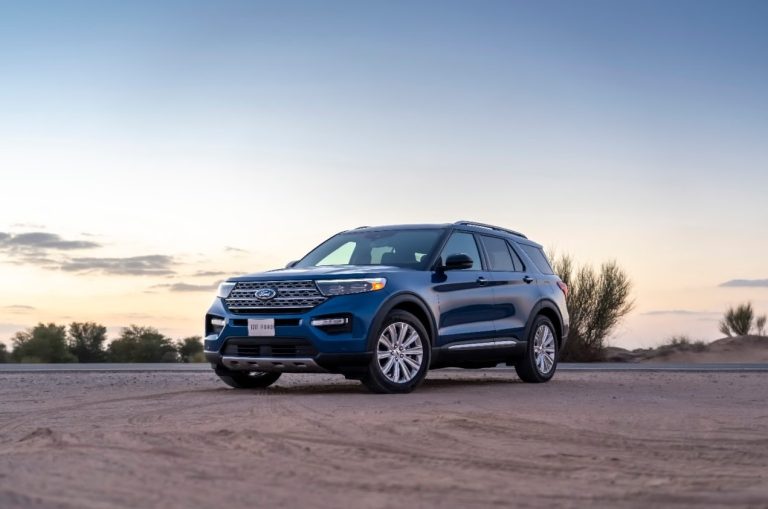
The automotive landscape is a constantly shifting terrain, but certain vehicles remain pillars, defining their segments for decades. The Ford Explorer is undeniably one of them. Since its revolutionary debut in 1990, the Explorer has been synonymous with family adventure, rugged capability, and American versatility. As we look towards the middle of the decade, whispers from Dearborn and industry insiders suggest a monumental shift is on the horizon: a potentially fully redesigned or at least significantly refreshed 2026 Ford Explorer.
This isn’t just another model year update; this is an opportunity for Ford to redefine what a three-row mid-size SUV can be in an era dominated by electrification, advanced connectivity, and discerning consumer expectations. For families, adventurers, and technology enthusiasts alike, the prospect of a new Explorer is thrilling. But with speculation swirling, how do you navigate the excitement and prepare for a potential purchase?
This comprehensive guide will delve into everything we anticipate for the 2026 Ford Explorer, from its likely release timeline and expected innovations to a detailed buying guide designed to help you make an informed decision when it finally arrives.
The Evolution of an Icon: Why the 2026 Explorer Matters
The current sixth-generation Explorer, launched for the 2020 model year, moved to a rear-wheel-drive biased platform (CD6), a significant departure that brought improved driving dynamics and a more premium feel. While it received a significant refresh for the 2025 model year in North America, primarily focusing on interior tech and minor exterior tweaks, a full redesign for 2026 would align with typical automotive product cycles, which often see a new generation every 5-7 years.
A 2026 redesign or substantial refresh isn’t just about keeping up; it’s about setting the pace. The competition in the three-row SUV segment is fiercer than ever, with formidable contenders like the Kia Telluride, Hyundai Palisade, Toyota Grand Highlander, Honda Pilot, and Chevrolet Traverse all vying for market share. Ford needs the 2026 Explorer to be not just competitive, but class-leading in key areas to maintain its formidable position.
This next iteration will likely double down on Ford’s commitment to technology, efficiency, and smart design, while retaining the core values of durability and utility that have made the Explorer a household name.
The Unveiling: 2026 Ford Explorer Release Date Speculation
Pinpointing an exact release date this far out is challenging, as automotive manufacturers are notoriously tight-lipped about future product plans. However, we can make educated guesses based on industry patterns and recent Ford announcements.
- Anticipated Unveiling: If the 2026 Explorer is a full redesign, expect a concept or pre-production model to be teased or revealed in late 2024 or early 2025. Major auto shows (like the Detroit Auto Show, Chicago Auto Show, or LA Auto Show) are traditional venues for such unveilings, but Ford has increasingly opted for standalone digital events or targeted press conferences.
- Production Start: Following an official reveal, production typically begins several months later. For a 2026 model year vehicle, mass production would likely commence in late 2025.
- Arrival on Dealer Lots: The earliest customers could expect to see the 2026 Explorer arriving at dealerships would be late 2025 or early 2026. This timeline allows for initial production ramps, shipping, and dealer training.
- Pre-Orders: Many dealerships will likely open order books or take reservations once the vehicle is officially unveiled and pricing details become clearer. If you’re keen to be an early adopter, staying in close contact with your local Ford dealer and signing up for Ford’s official email updates will be crucial.
The 2025 refresh might give Ford some breathing room, potentially pushing a full redesign to the 2027 model year if supply chain issues or strategic planning dictate. However, given the pace of competition, a significant update for 2026 remains highly probable.
Anticipated Innovations: What to Expect from the 2026 Explorer
A new generation of the Explorer will undoubtedly bring a host of improvements and cutting-edge features. Here’s what we expect to see:
1. Exterior Design: Bolder Yet Refined
While the 2025 refresh brought a new grille and updated lighting signatures, a full 2026 redesign would allow for a more dramatic aesthetic evolution.
- Modern Proportions: Expect a sleeker, more aerodynamic profile while retaining the Explorer’s robust stance. Ford might push the boundaries of SUV design, integrating elements seen in their recent electric vehicles like the Mustang Mach-E, particularly in the lighting signatures and front fascia.
- Signature Lighting: Full LED lighting, front and rear, will be standard or widely available, possibly with dynamic turn signals and animated welcome sequences.
- Aerodynamic Enhancements: Expect design cues that improve fuel efficiency, such as active grille shutters, optimized underbody panels, and sculpted body lines.
- Wheel Designs: A fresh array of wheel options, from practical 18-inch alloys to dramatic 21-inch performance-oriented wheels, will further differentiate trim levels.
2. Interior: A Digital Oasis of Comfort and Connectivity
The 2025 refresh brought a larger 13.2-inch touchscreen and an available 12.3-inch digital instrument cluster. For 2026, expect Ford to elevate this experience further.
- Panoramic Digital Cockpit: Seamless integration of the instrument cluster and infotainment screen into one cohesive, customizable display, perhaps even wider than the current setup.
- Advanced SYNC System: The latest iteration of Ford’s SYNC infotainment system, potentially SYNC 5, offering even faster processing, more intuitive voice commands, enhanced over-the-air (OTA) update capabilities, and seamless integration with wireless Apple CarPlay and Android Auto.
- Premium Materials and Ergonomics: Higher-quality soft-touch materials, improved switchgear, and potentially more adventurous interior color schemes. Expect enhanced ergonomics for all controls and more flexible storage solutions.
- Enhanced Seating: More comfortable and supportive seats across all three rows, with potential for advanced massage functions, heating/ventilation in more positions, and easier third-row access.
- Ambience Lighting: Customizable multi-color ambient lighting to enhance the cabin atmosphere.
- Connectivity: Multiple USB-C ports throughout the cabin, wireless charging pads, and an available 5G Wi-Fi hotspot.
3. Powertrains: Electrification Takes Center Stage
This is arguably where the most significant changes will occur. Ford has committed heavily to electrification, and the Explorer is a prime candidate for further hybridization and potentially even a full battery-electric (BEV) variant.
- Refined EcoBoost Engines: The existing 2.3-liter turbocharged four-cylinder and 3.0-liter twin-turbocharged V6 EcoBoost engines will likely be carried over, but with further refinements for improved efficiency and possibly slight power bumps.
- Next-Generation Hybrid: The current hybrid system is good, but expect a more powerful and more efficient version for 2026, potentially offering a greater all-electric range if it becomes a plug-in hybrid (PHEV). A PHEV Explorer would be a game-changer, appealing to eco-conscious buyers and offering significant fuel savings.
- Potential Full EV Explorer: While less likely for the initial 2026 launch of a redesigned ICE/hybrid model, a fully electric Explorer on a dedicated platform is certainly in Ford’s long-term plans. If not at launch, it could follow a year or two later, mirroring strategies seen with other manufacturers.
- Transmission: Ford’s smooth 10-speed automatic transmission will almost certainly remain standard across the lineup.
4. Safety and Driver-Assistance Technologies: Co-Pilot360+ Evolution
Ford’s Co-Pilot360 suite is already comprehensive, but the 2026 Explorer will undoubtedly push the boundaries.
- Enhanced BlueCruise: Expect the next evolution of Ford’s hands-free highway driving system, BlueCruise, potentially with expanded road network compatibility, more sophisticated lane changes, and improved predictive capabilities.
- Advanced Parking Assist: Fully automated parking systems that can handle parallel and perpendicular parking with minimal driver intervention.
- Improved Sensor Suite: More cameras, radar, and ultrasonic sensors for more robust adaptive cruise control, lane-keeping assist, blind-spot monitoring, and emergency braking systems.
- Intersection Assist: Technology to help prevent collisions when turning left at intersections.
5. Platform and Dynamics: Refined Ride and Handling
The CD6 platform is already a strong foundation. For 2026, expect further refinements:
- Increased Rigidity: Potentially more use of high-strength steel and advanced adhesives to improve structural rigidity, leading to better ride quality, handling, and crash performance.
- Refined Suspension Tuning: A focus on balancing comfort for long family trips with the sporty dynamics expected from an Explorer, especially in ST trims. Adaptive dampers might become more widely available.
- Improved NVH (Noise, Vibration, Harshness): Enhanced sound deadening and acoustic glass to create an even quieter and more serene cabin experience.
The 2026 Ford Explorer Buying Guide: Preparing for Your Purchase
Once the 2026 Explorer is officially unveiled and you’ve decided it’s the SUV for you, the real planning begins. Here’s a detailed buying guide to help you navigate the process.
1. Define Your Needs and Budget
Before you even look at trim levels, be honest about what you need.
- Passenger Capacity: Do you regularly need seating for six or seven? How often will the third row be used?
- Cargo Space: What kind of gear do you typically haul? Groceries, sports equipment, camping gear?
- Performance: Do you prioritize fuel economy, spirited acceleration, or towing capability?
- Driving Conditions: Will you primarily be on highways, city streets, or venturing off-road? Do you need AWD?
- Technology & Features: Are advanced safety features, a premium sound system, or a panoramic sunroof "must-haves" or "nice-to-haves"?
- Budget: Establish a realistic price range, including not just the sticker price but also insurance, fuel, and maintenance costs. The 2026 Explorer’s starting MSRP will likely be slightly higher than the current generation, potentially beginning in the low $40,000s for base models and climbing well into the high $60,000s or even $70,000s for fully loaded Platinum or ST trims.
2. Understanding the Trim Levels (Anticipated)
Ford typically offers a well-structured trim lineup. While specifics might change, expect a similar hierarchy for 2026, each designed for a different buyer:
- Explorer (Base): The entry point, offering essential features, a solid foundation, and the most accessible price. Expect the standard turbo-four engine, a decent infotainment screen, and key safety features. Ideal for budget-conscious buyers who need the space and capability without all the frills.
- XLT: The popular mid-range option, adding more comfort and convenience features like power-adjustable front seats, roof rails, upgraded interior materials, and potentially larger wheels. The sweet spot for many families seeking a balance of features and value.
- Limited: Stepping into the premium realm, the Limited would offer leather upholstery, heated steering wheel, advanced climate control, more sophisticated infotainment, and additional driver-assist features. The hybrid powertrain might become standard or easily accessible here. For buyers who appreciate comfort, technology, and a touch of luxury.
- ST-Line: Offering the sporty aesthetics of the ST without its higher performance engine. Expect unique exterior styling, sport-tuned suspension (possibly), and a performance-themed interior. For those who love the look of the ST but prefer the efficiency of the standard engines.
- ST: The performance flagship. Expect the powerful twin-turbo V6 engine, a sport-tuned suspension, larger brakes, unique performance styling cues, and a driver-focused interior. The choice for enthusiasts who want exhilarating acceleration and dynamic handling from their family SUV.
- Platinum: The epitome of luxury and technology. This trim would include the most powerful engine (likely the twin-turbo V6 or a potent hybrid), premium leather, wood or metal accents, all available advanced tech, a panoramic sunroof, and potentially unique exterior trim. For buyers who demand the absolute best in comfort, luxury, and features.
3. Powertrain Choices and Recommendations
- 2.3L EcoBoost (Turbo-Four): Likely the standard engine. Offers a great balance of power and efficiency for most daily driving and light towing. Recommended for value-oriented buyers and those who prioritize fuel economy.
- 3.0L EcoBoost (Twin-Turbo V6): Standard on ST and Platinum. Provides robust acceleration and significant towing capability. Recommended for performance enthusiasts and those who frequently tow heavier loads.
- Hybrid/PHEV: Offers the best fuel economy and potentially an all-electric range. Recommended for eco-conscious buyers, city dwellers, and those looking to minimize fuel costs.
4. Key Features to Prioritize
- Safety: Ensure you’re comfortable with the level of Co-Pilot360 features. BlueCruise, if available, is a significant convenience.
- Infotainment: If connectivity is key, ensure the SYNC system, screen size, and smartphone integration meet your expectations.
- Comfort: Test the seats, consider ventilated/heated options, and check third-row accessibility if it will be used often. A panoramic sunroof can dramatically improve the cabin feel.
- Utility: Power liftgate, roof rails, and cargo management systems are important for active families.
- Drivetrain: Decide if standard RWD is sufficient or if AWD is necessary for your climate and driving conditions.
5. Financing and Leasing Options
- Financing: Be prepared with your credit score and research current interest rates. Get pre-approved by your bank or credit union before visiting the dealership to compare against dealer offers.
- Leasing: If you prefer lower monthly payments, drive fewer miles, and like to upgrade to a new vehicle every few years, leasing might be an option. Understand the mileage limits and wear-and-tear clauses.
- Trade-in: Research the value of your current vehicle using sites like Kelley Blue Book or Edmunds. Have this information ready for negotiation.
6. The Test Drive Checklist
Once the 2026 Explorer arrives, don’t rush the test drive.
- Drive Your Route: If possible, drive a route similar to your daily commute – city, highway, some turns.
- Assess Ride Quality: Pay attention to how the suspension handles bumps and road imperfections.
- Evaluate Handling: Note steering feel, body roll, and overall agility.
- Test Powertrain: Accelerate hard, brake firmly, and feel the transmission shifts.
- Interior Ergonomics: Reach for all controls, test the infotainment, and check visibility.
- Third-Row Access: If applicable, try getting in and out of the third row.
- Cargo Space: Fold seats down to understand the maximum cargo capacity.
- Noise Levels: Listen for road noise, wind noise, and engine drone.
7. Consider the Competition
Before committing, cross-shop the Explorer against its main rivals:
- Kia Telluride / Hyundai Palisade: Known for their premium interiors, value, and strong standard features.
- Toyota Grand Highlander: Offers a compelling hybrid option and Toyota’s reputation for reliability.
- Honda Pilot: Renowned for its practicality, spacious interior, and refined driving dynamics.
- Chevrolet Traverse: A larger option with significant cargo space.
8. Dealership Experience and Negotiation
- Research Dealers: Look for dealerships with good reputations for customer service and fair pricing.
- Be Prepared to Negotiate: Understand the MSRP, invoice price (if available), and any current incentives. Don’t be afraid to walk away if you’re not getting a fair deal.
- Optional Packages and Accessories: Be aware of what’s included in packages and if any dealer-added accessories are negotiable.
Conclusion: The Future is Bright for the Explorer
The 2026 Ford Explorer stands poised to continue its legacy as a segment leader, blending advanced technology, robust performance, and family-friendly utility. With a potential redesign bringing significant upgrades in design, powertrain options, and digital integration, it promises to be a compelling choice for a wide array of buyers.
While the exact release date and full specifications remain shrouded in the tantalizing veil of anticipation, one thing is clear: the next chapter for the Ford Explorer is set to be its most exciting yet. By staying informed, defining your needs, and methodically navigating the buying process, you’ll be well-prepared to welcome this innovative SUV into your driveway when it finally makes its grand debut. Keep your eyes peeled and your ears to the ground; the future of family adventure is just around the corner.