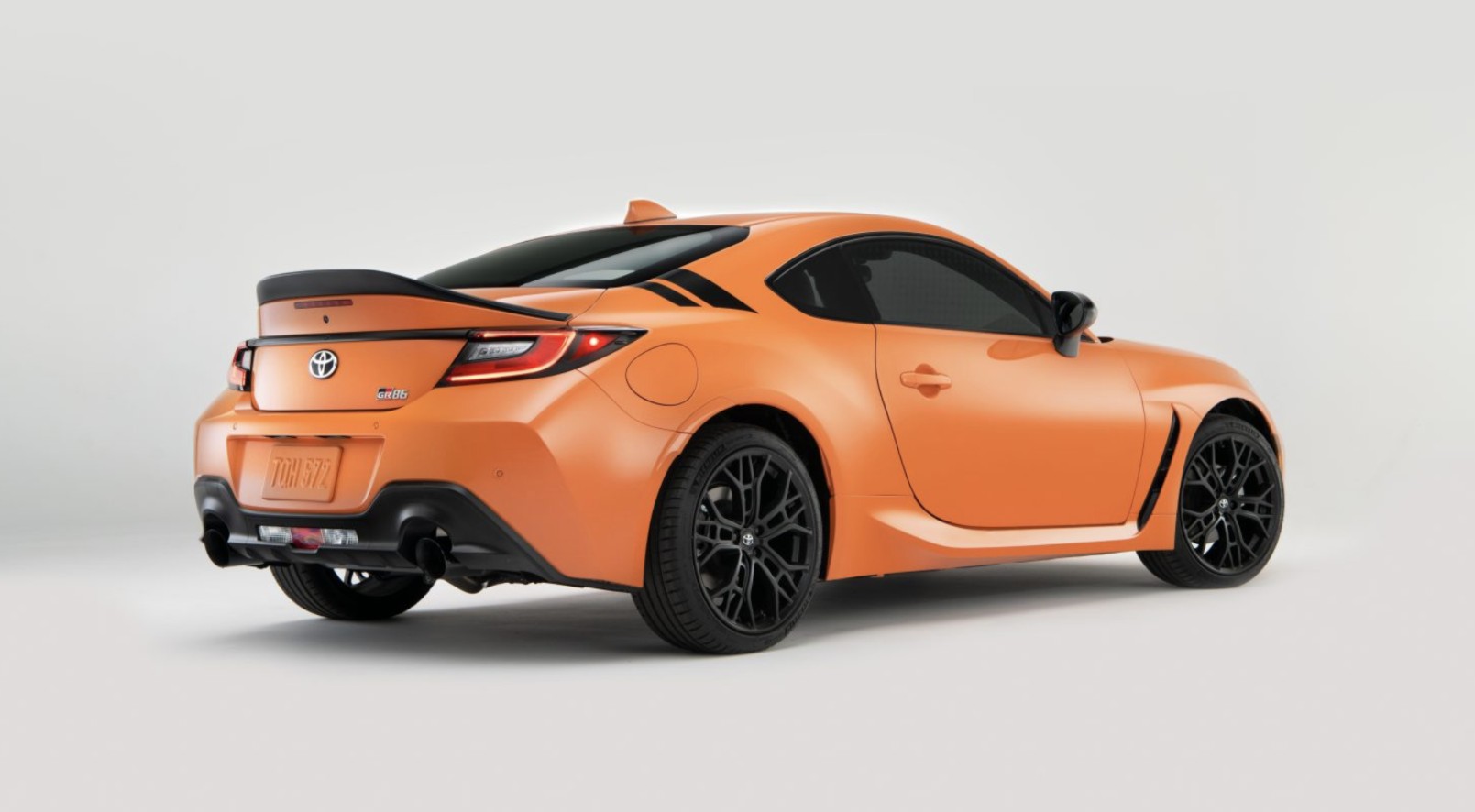
The automotive world thrives on anticipation, and few cars generate as much fervent speculation among enthusiasts as Toyota’s purebred, driver-focused machines. Among them, the GR86 stands as a beacon of accessible performance, a rare gem in an increasingly electrified and SUV-dominated landscape. As the current generation, launched for the 2022 model year, continues to win accolades, whispers of its successor, potentially a 2026 model, have begun to circulate.
While Toyota has remained characteristically tight-lipped about future product plans, the automotive industry operates on predictable cycles. This article delves into the potential release timeline for a next-generation GR86, examines what changes and improvements we might expect, and provides an in-depth buying guide for those eager to park this future icon in their garage.
The Lifecycle of a Legend: Projecting the 2026 GR86 Release Date
Understanding when a new GR86 might arrive requires looking at typical product cycles and the unique partnership between Toyota and Subaru that underpins the GR86/BRZ twins.
Current Generation’s Trajectory:
The second-generation GR86 (and its Subaru BRZ sibling) debuted for the 2022 model year. This means it’s still relatively fresh, having only been on sale for a couple of years. Typically, a vehicle generation lasts anywhere from five to seven years, sometimes stretching to eight or nine for specialty vehicles or those with strong sales performance.
- Initial Launch: MY2022 (late 2021)
- Expected Mid-Cycle Refresh (LCI): Given the 5-7 year cycle, a significant refresh (often called a "facelift" or "LCI – Life Cycle Impulse") would likely occur around MY2025 or MY2026. This would involve minor exterior tweaks, interior updates, and potentially some powertrain enhancements.
- Full Redesign (Next Generation): If the current generation follows a standard 6-7 year lifespan, a completely new GR86 would logically emerge around the 2028-2029 model years.
Why 2026 Speculation?
The notion of a "2026 GR86" as a fully redesigned model is therefore a bit ambitious if we adhere strictly to typical cycles. However, the automotive landscape is anything but typical right now. Factors that could accelerate a redesign or make a "2026 GR86" a more substantial update than a mere refresh include:
- Stricter Emissions Regulations: Global emissions standards are constantly tightening, especially in Europe and California. A completely new platform or powertrain might be necessary sooner rather than later to comply, particularly for a naturally aspirated engine.
- Platform Modernization: The current GR86/BRZ utilizes a modified version of Subaru’s previous-generation Impreza platform. While excellent for driving dynamics, a move to a more modern, modular platform (like Toyota’s TNGA or Subaru’s SGP) could offer significant advantages in terms of safety, technology integration, and manufacturing efficiency. This would likely necessitate a full redesign.
- Competitive Pressure: While the GR86 largely exists in its own niche, the market is always evolving. New entrants or significant updates from competitors could push Toyota to accelerate its timeline.
- Toyota’s GR Brand Strategy: Toyota is heavily invested in its Gazoo Racing (GR) performance division. Keeping the GR86 at the cutting edge of technology and performance is crucial for maintaining the brand’s credibility.
Conclusion on Release Date:
Based on industry trends and typical lifecycles, a 2026 Toyota GR86 is most likely to represent a significant mid-cycle refresh (LCI) rather than a completely new, third-generation model. This refresh would bring meaningful updates to maintain its competitive edge and address consumer feedback. A full redesign is more probable towards the late 2020s.
However, for the sake of this guide, we will explore the possibilities of both a substantial refresh and, hypothetically, a full redesign, as the buying considerations remain largely similar.
What to Expect: The Potential 2026 GR86
Whether a refresh or a full redesign, the core tenets of the GR86 – lightweight, front-engine, rear-wheel-drive, naturally aspirated (likely), and driver-focused – are expected to remain intact.
1. Design and Aesthetics:
- Refresh: Expect subtle but effective changes. A revised front fascia with new bumper designs, updated LED lighting signatures (headlights and taillights), and perhaps new wheel designs. The overall silhouette will remain largely the same, preserving its classic sports car proportions.
- Redesign (Hypothetical): A full redesign would allow for more dramatic changes, potentially adopting more aggressive styling cues from other GR models like the GR Supra or GR Corolla. However, given its accessible price point, it’s unlikely to deviate too wildly from its recognizable form. Aerodynamic improvements would be a focus.
2. Performance and Powertrain:
This is where speculation runs wild.
- Current Engine: The 2.4-liter naturally aspirated Boxer-four (Subaru’s FA24) producing 228 horsepower and 184 lb-ft of torque is a significant improvement over the first generation. It offers a much-needed boost in mid-range torque.
- Refresh Enhancements: For a 2026 refresh, modest power bumps are possible through ECU tuning, intake/exhaust revisions, or minor internal upgrades. Perhaps a slight increase to around 235-240 hp and a flatter torque curve.
- Redesign Possibilities (More Speculative):
- Turbocharging: The perpetual rumor. While it would significantly boost power, it would also increase cost, weight, and potentially alter the car’s balanced, naturally aspirated character. Subaru has turbocharged versions of the FA24 in other models, so the technology exists. If implemented, it would likely be a lower-boost application to maintain reliability and linear power delivery, perhaps pushing output to 270-300 hp.
- Hybridization: Toyota’s expertise in hybrids is unmatched. A mild-hybrid system could offer a small power boost, improved low-end torque, and better fuel economy, while also helping meet emissions targets. This is a strong possibility for the future.
- Continued NA Excellence: Given the GR86’s philosophy, Toyota and Subaru might double down on natural aspiration, perhaps optimizing the FA24 further or developing a new, larger displacement NA engine (though less likely due to emissions).
- Transmission: A six-speed manual transmission is non-negotiable for the GR86’s identity and will almost certainly return. An updated six-speed automatic with faster shifts and improved programming would also be offered.
3. Chassis and Handling:
The GR86 is celebrated for its sublime handling.
- Refresh: Expect minor tuning revisions to the suspension (spring rates, damper valving), potentially stiffer bushings, and subtle chassis reinforcements to further refine its already excellent balance and responsiveness.
- Redesign: A new platform (TNGA or SGP) would offer significant advancements in rigidity, lower center of gravity, and improved crash structures. This would allow engineers to push the handling envelope even further, while maintaining its playful, controllable nature.
4. Interior and Technology:
The current GR86’s interior, while functional, is a clear area for improvement.
- Refresh: Expect an updated infotainment system (larger screen, wireless Apple CarPlay/Android Auto, improved user interface), a fully digital gauge cluster (if not already present), better quality materials in key touchpoints, and updated trim options. More USB-C ports are a given.
- Redesign: A completely new interior would offer a more modern design, better ergonomics, and potentially more storage solutions. Integration of advanced driver-assistance systems (ADAS) will be seamless.
- Safety: Toyota Safety Sense (TSS) suite will be standard on automatic transmission models, likely evolving to TSS 3.0 or beyond, offering features like adaptive cruise control, lane departure alert, pre-collision system, and blind-spot monitoring. Manual transmission models might get a slightly pared-down version.
The Comprehensive Buying Guide: Preparing for Your 2026 GR86 Purchase
Acquiring a highly anticipated sports car like the GR86 requires strategy and patience. Here’s a step-by-step guide to navigate the process:
1. Determine if the GR86 is Right for You:
- Pros: Pure driving experience, engaging manual transmission, excellent handling, relatively affordable, Toyota reliability, strong aftermarket support.
- Cons: Small back seats (best for cargo/kids), limited trunk space, interior isn’t luxurious, not a powerhouse straight-line performer (it’s about cornering), can be loud on long trips.
- Driver Profile: Ideal for enthusiasts who prioritize driving dynamics, feedback, and engagement over raw horsepower or luxury. It’s a fantastic daily driver for many, but truly shines on twisty roads or track days.
2. Research, Research, Research:
- Stay Informed: Follow automotive news outlets, enthusiast forums (like GR86.org), and official Toyota channels for the latest rumors, spy shots, and official announcements.
- Understand Trims: The current GR86 typically comes in Base and Premium trims.
- Base: Essential performance, cloth seats, smaller wheels.
- Premium: Adds larger wheels, Michelin Pilot Sport 4 tires, heated leather/Alcantara seats, premium audio, spoiler.
- Special Editions: Toyota often releases limited-run special editions (e.g., TRUENO Edition). Be prepared to act fast if one catches your eye.
- Options and Packages: Familiarize yourself with available standalone options like performance exhausts, specific interior accents, or advanced tech packages.
3. Budget and Financing:
- Anticipated Price: The current GR86 starts around $30,000 for the Base and $32,000 for the Premium. Expect a 2026 model (even a refresh) to see a price increase, likely starting in the $32,000 – $38,000 range, depending on the extent of the updates and general market inflation. A full redesign with significant powertrain changes could push it closer to $40,000.
- Total Cost of Ownership: Beyond the MSRP, factor in:
- Taxes and Fees: Sales tax, registration, documentation fees.
- Insurance: Sports cars generally cost more to insure. Get quotes before buying.
- Fuel: Premium unleaded is recommended/required for performance.
- Maintenance: While Toyotas are reliable, performance tires, brakes, and fluids can add up.
- Modifications: If you plan on aftermarket upgrades, budget for them.
- Financing Options:
- Cash: Best for avoiding interest, but ties up capital.
- Loan: Shop around for the best interest rates from banks, credit unions, and Toyota Financial Services. Get pre-approved.
- Lease: Offers lower monthly payments and the ability to drive a new car more often, but you don’t build equity. Less ideal for those who plan to heavily modify or keep the car long-term.
4. The Dealership Experience:
- Pre-Orders and Deposits: For highly anticipated models, pre-orders are common. Be prepared to put down a refundable deposit to secure an early allocation. Confirm the refund policy in writing.
- Allocation vs. Order: Understand the difference. You might be putting a deposit on an "allocation" (a car the dealer expects to receive) rather than a specific, custom-ordered vehicle.
- Negotiation (or lack thereof): Due to high demand, GR86s often sell at or above MSRP. Be wary of significant dealer markups ("market adjustments"). If you encounter excessive markups, be prepared to walk away or broaden your search to other dealerships.
- Test Drive: Absolutely crucial for a sports car. Don’t just drive it around the block. Find a route with some curves, check visibility, ergonomics, and how the car communicates. Test both manual and automatic if unsure. Pay attention to steering feel, brake response, and clutch engagement.
- Trade-in: Have your current car appraised beforehand, both by the dealer and independent sources (like Kelley Blue Book or Edmunds), to ensure you’re getting a fair value.
- Warranty and Service Plans: Understand the standard warranty. Dealers will offer extended warranties and service plans; evaluate if they’re worth the cost for your driving habits.
5. Post-Purchase Considerations:
- Break-in Period: Follow the manufacturer’s recommendations for the break-in period (typically 1,000 miles) to ensure engine longevity. Avoid high RPMs, hard acceleration, and sudden braking.
- Community: Join GR86 owner clubs and online forums. These are invaluable resources for tips, troubleshooting, and connecting with fellow enthusiasts.
- Aftermarket: The GR86 has a massive aftermarket. From exhaust systems and suspension upgrades to forced induction kits, the possibilities for personalization are endless. Research reputable brands and installers.
- Track Days: The GR86 is built for spirited driving. Consider taking it to a local track day or autocross event to truly explore its capabilities in a safe environment.
Conclusion: The Thrill of the Chase
The prospect of a 2026 Toyota GR86, whether a refined evolution or a bold new chapter, is undeniably exciting for driving enthusiasts worldwide. While official details remain elusive, the anticipation builds on the current model’s success and Toyota’s commitment to building engaging performance cars. By understanding the likely timeline, potential advancements, and preparing strategically for your purchase, you can ensure you’re ready to secure your slice of automotive purity when the next GR86 finally arrives. Keep your eyes peeled, your ears open, and your budget ready – the next thrill from Toyota’s GR division is on the horizon.