The automotive landscape is a relentless battleground, nowhere more fiercely contested than in the mid-size, three-row SUV segment. For decades, the Honda Pilot has been a standard-bearer, a sensible, reliable, and supremely practical choice for families seeking a spacious and safe hauler. But as we look ahead to the 2026 model year, the competition has never been tougher, with rivals offering everything from segment-redefining luxury to cutting-edge technology and audacious styling.
The question isn’t just "Is the 2026 Honda Pilot a good SUV?" It’s "Is the 2026 Honda Pilot still the best SUV for your money?" To answer that, we must dissect Honda’s offering and pit it against the formidable contenders vying for the hearts and wallets of discerning buyers.
The 2026 Honda Pilot: Building on a Solid Foundation
Having undergone a comprehensive redesign for the 2023 model year, the 2026 Honda Pilot is expected to carry forward largely unchanged, or perhaps with minor cosmetic tweaks, new trim-specific features, or updated infotainment software. This is not a disadvantage; rather, it speaks to the strength and foresight of the current generation.
What to Expect from the 2026 Pilot:
- Robust Powertrain: The Pilot is likely to continue with its proven 3.5-liter naturally aspirated V6 engine, producing around 285 horsepower and 262 lb-ft of torque, paired with a smooth 10-speed automatic transmission. This combination delivers confident acceleration and respectable towing capacity (up to 5,000 pounds when properly equipped). While some rivals offer turbo-fours or hybrids, Honda’s V6 is a tried-and-true workhorse known for its longevity.
- Spacious and Versatile Interior: This has always been the Pilot’s trump card. Expect best-in-class passenger volume, particularly in the third row, which is genuinely usable for adults on shorter trips. Cargo space is generous, and the ability to remove the middle seat in the second row (on certain trims) offers unparalleled flexibility for passenger and cargo configurations.
- Refined Ride and Handling: The latest Pilot generation brought improved chassis dynamics, offering a comfortable and composed ride that shrugs off road imperfections. While not a sports car, it handles predictably, instilling confidence in the driver.
- Comprehensive Safety Suite: Honda Sensing, Honda’s suite of advanced driver-assistance systems, will be standard across the lineup. This includes adaptive cruise control, lane-keeping assist, road departure mitigation, and forward collision warning with automatic emergency braking. Honda’s commitment to safety is a core part of its "value for money" proposition.
- Modern, Rugged Styling: The current Pilot shed some of its minivan-esque curves for a more upright, rugged, and adventurous aesthetic, especially in the TrailSport trim, which offers increased ground clearance, all-terrain tires, and skid plates. This appeals to buyers who want a vehicle that looks as capable as it is practical.
- Expected "Money" Strengths: Honda’s legendary reliability, low cost of ownership (relative to luxury brands), and segment-leading resale values are integral to its long-term value proposition.
Potential Areas for Improvement (for 2026 and beyond):
- Fuel Economy: While competitive for a V6, the Pilot lacks a hybrid option, a glaring omission when rivals like the Toyota Highlander Hybrid offer significantly better MPG.
- Infotainment: While functional, Honda’s infotainment system, though improved, still lags behind some competitors in terms of screen size, processing speed, and intuitive user experience. Wireless Apple CarPlay and Android Auto are becoming standard, but the overall presentation could be more cutting-edge.
- Interior Premium Feel: While well-built, some competitors offer more upscale materials and design flourishes in their upper trims, making the Pilot feel a touch more utilitarian.
The Competitive Arena: A Den of Lions
The mid-size SUV segment is awash with excellent choices, each presenting a compelling alternative to the Pilot. Let’s pit it against its fiercest rivals:
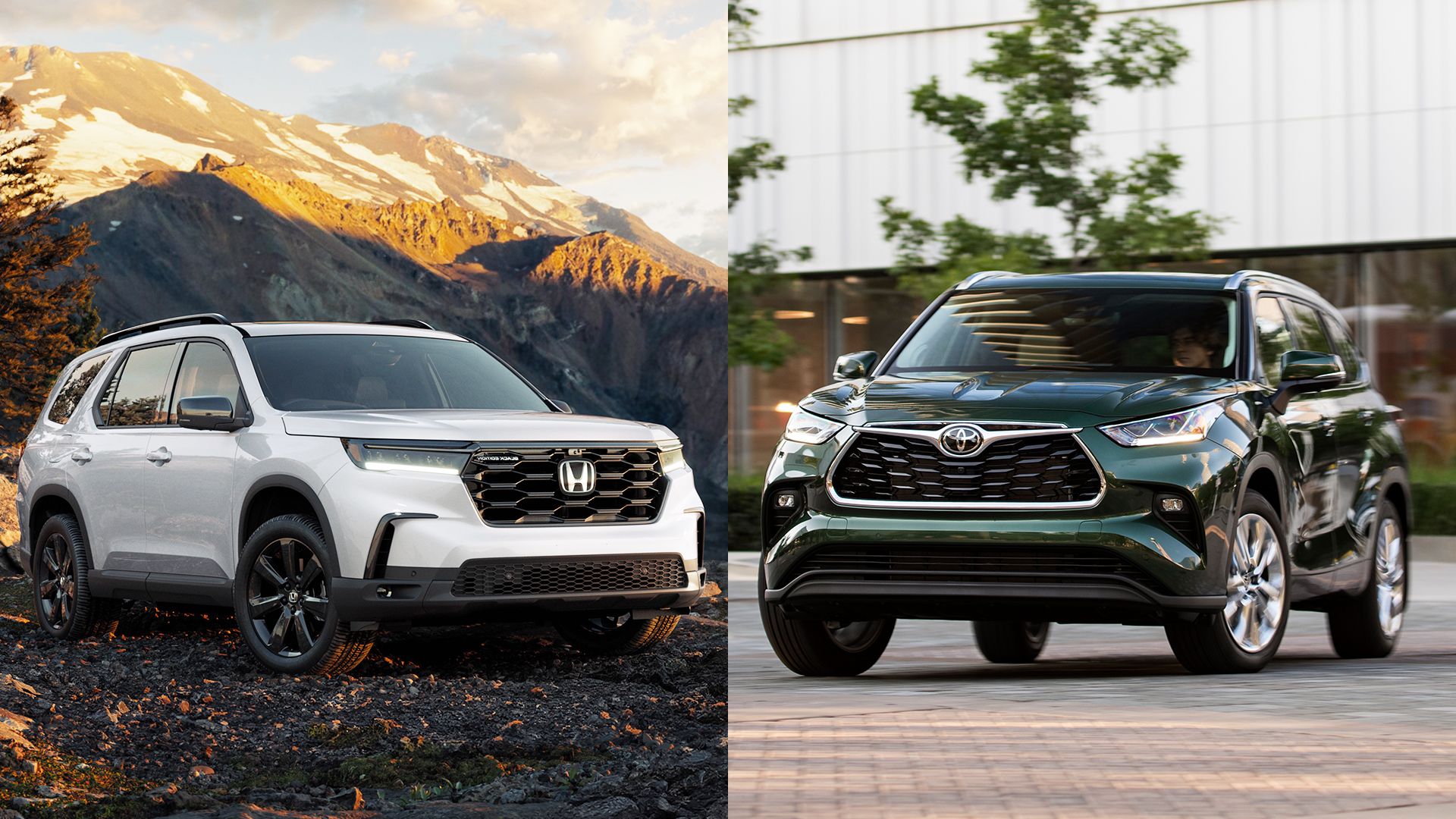
1. Toyota Highlander: The Pilot’s Eternal Nemesis
The Highlander has always been the Pilot’s most direct rival, and for good reason. Toyota offers similar virtues: bulletproof reliability, strong resale value, and a family-friendly ethos.
- Highlander’s Edge: The availability of a highly efficient hybrid powertrain is its trump card, offering fuel economy numbers the Pilot can only dream of. Its interior, while perhaps a bit tighter in the third row, feels well-appointed and ergonomically sound. Toyota’s new turbocharged 2.4-liter engine provides ample power.
- Where Pilot Wins: The Pilot’s third row is undeniably more spacious, and its overall passenger and cargo volume are superior. The Pilot’s more traditional V6 (if that continues) might appeal to those wary of turbos or smaller engines.
- Best for the Money? For long-term reliability and fuel efficiency (with the hybrid), the Highlander is incredibly strong. However, if third-row space and overall interior flexibility are paramount, the Pilot offers more "bang for your buck" in sheer utility.
2. Hyundai Palisade / Kia Telluride: The Korean Disruptors
These corporate cousins have redefined expectations in the segment, offering luxury-level styling, feature content, and interior ambiance at a mainstream price.
- Palisade/Telluride’s Edge: Their design is arguably more audacious and upscale, both inside and out. The interiors are replete with premium materials, larger infotainment screens, and innovative tech features (like the blind-spot view monitor). The standard 3.8-liter V6 offers slightly more power than the Pilot, and their warranties are industry-leading (10-year/100,000-mile powertrain).
- Where Pilot Wins: While the Korean twins offer good space, the Pilot still edges them out in absolute third-row comfort and cargo versatility. Honda’s long-term resale value traditionally holds a slight edge over Hyundai/Kia, though the gap is narrowing.
- Best for the Money? If "for your money" means getting the most luxurious feel, cutting-edge tech, and longest warranty for the initial purchase price, the Palisade/Telluride are incredibly compelling. They offer a premium experience without the premium badge.
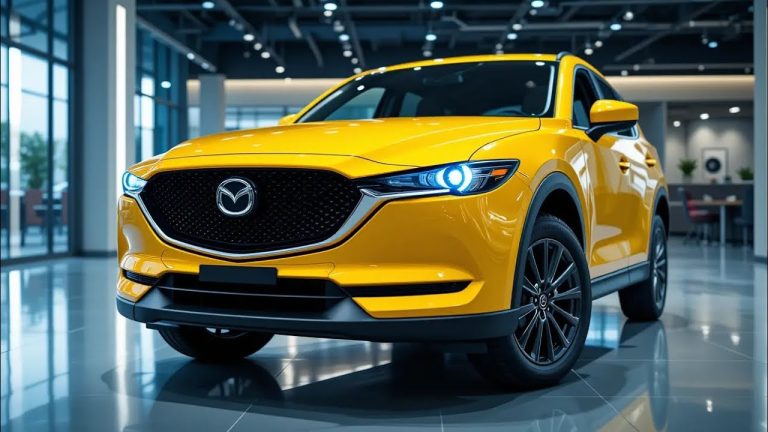
3. Mazda CX-90: The Driving Enthusiast’s Choice
The CX-90 is a relative newcomer, replacing the CX-9, and immediately announced itself as a serious contender with a focus on driving dynamics and a near-luxury feel.
- CX-90’s Edge: Powered by an inline-six mild-hybrid engine (in two states of tune) or a plug-in hybrid option, the CX-90 offers sophisticated powertrains and engaging handling that no other vehicle in the segment can match. Its interior quality and design are arguably the most premium of the non-luxury brands.
- Where Pilot Wins: The CX-90’s third row is tighter than the Pilot’s, and its overall cargo capacity is not as generous. The Pilot’s more traditional V6 might appeal to those less interested in new engine technologies, and its ride is perhaps more comfort-oriented than the CX-90’s sportier tuning.
- Best for the Money? For buyers who prioritize driving pleasure, premium feel, and sophisticated powertrains, the CX-90 offers immense value, punching well above its price class. However, for sheer family utility and space, the Pilot remains superior.
4. Subaru Ascent: The All-Weather Adventurer
Subaru’s three-row offering brings standard all-wheel drive, robust safety, and a practical, if somewhat less exciting, package.
- Ascent’s Edge: Standard Symmetrical All-Wheel Drive provides excellent all-weather capability, a major selling point for buyers in colder climates or those who venture off paved roads. Subaru’s EyeSight safety suite is highly regarded, and the Ascent offers a comfortable ride.
- Where Pilot Wins: The Pilot’s V6 engine is more powerful and refined than the Ascent’s turbocharged flat-four, and its 10-speed automatic is generally preferred over Subaru’s CVT. The Pilot’s interior feels more upscale, and its third row is more accommodating.
- Best for the Money? For buyers who absolutely need standard AWD and prioritize safety and ruggedness at a competitive price point, the Ascent is a strong value. But for overall refinement, power, and interior space, the Pilot offers more for the money.
5. Chevrolet Traverse / GMC Acadia: The American Stalwarts
The Traverse (and its slightly smaller sibling, the Acadia) has traditionally been known for its cavernous interior and strong V6 power. A redesigned Traverse is expected for 2024, which means the 2026 model will be fresh and highly competitive.
- Traverse’s Edge (Anticipated 2026): The redesigned Traverse will likely feature an even more imposing presence, a significantly upgraded interior with larger screens, and a new 2.5-liter turbocharged engine making 328 horsepower. Its sheer interior volume, especially cargo space, often surpasses the Pilot.
- Where Pilot Wins: Honda’s reputation for long-term reliability and resale value often edges out GM products. The Pilot’s V6 offers a different power delivery, and its overall ride and interior quality might feel a touch more refined in certain trims.
- Best for the Money? If the redesigned Traverse lives up to expectations, it could be a massive value proposition for those prioritizing maximum interior space, strong power, and a bold American aesthetic at a competitive price. The Pilot might still hold an edge in long-term ownership costs.
The "Best for Your Money" Equation: It’s Complicated
The phrase "best for your money" is inherently subjective, but it generally encompasses several key factors:
- Initial Purchase Price: How much car do you get for your dollar upfront?
- Features and Technology: What standard and available features are included at various price points?
- Fuel Economy: How much will it cost to fill up over the vehicle’s lifespan?
- Reliability and Maintenance: How often will it break, and how much will repairs cost?
- Insurance Costs: How expensive is it to insure?
- Resale Value/Depreciation: How much will it be worth when you sell or trade it in?
Where the 2026 Honda Pilot Shines for "Money":
- Long-Term Value: Honda’s reputation for reliability and consistently high resale values means your initial investment depreciates less over time. This is a massive component of "for your money" that often gets overlooked in favor of sticker price.
- Balanced Proposition: The Pilot strikes an excellent balance of space, comfort, safety, and a proven powertrain. You’re not paying extra for features you don’t need, nor are you sacrificing core necessities.
- Utility: For families who genuinely need generous and flexible third-row seating and ample cargo space, the Pilot delivers this utility better than almost any other non-minivan.
Where Rivals Might Offer More "Money" in Specific Areas:
- Initial Feature-Per-Dollar: Hyundai Palisade and Kia Telluride often pack more premium features and cutting-edge tech into their price points, especially in mid-to-upper trims.
- Fuel Economy: The Toyota Highlander Hybrid is the undisputed champion here. Mazda CX-90’s mild-hybrid and PHEV options also offer efficiency advantages.
- Driving Dynamics: The Mazda CX-90 provides a driving experience that feels far more upscale and engaging for its price.
- Warranty: Hyundai and Kia’s 10-year/100,000-mile powertrain warranty is unmatched.
Conclusion: The Pilot’s Enduring Appeal
As we look to 2026, the Honda Pilot remains an exceptionally strong contender in the mid-size SUV segment. It may not boast the flashiest infotainment, the most groundbreaking styling, or the segment’s best fuel economy figures. However, its strength lies in its unwavering commitment to core family values: class-leading interior space and versatility, a proven and reliable powertrain, top-tier safety, and a driving experience that prioritizes comfort and predictability.
When considering "best SUV for your money," the Pilot makes a compelling case not just on initial price and features, but on the crucial long-term factors: reliability, low cost of ownership, and outstanding resale value. For many families, these practical considerations far outweigh fleeting trends or marginal gains in luxury.
While the Hyundai/Kia twins offer a more premium initial feel, the Mazda CX-90 brings driving exhilaration, and the Toyota Highlander provides hybrid efficiency, the 2026 Honda Pilot continues to occupy a sweet spot. It’s the sensible, dependable choice that consistently delivers on its promises, making it not just a good SUV, but very likely still one of the absolute best SUVs for your hard-earned money when considering the full lifecycle of ownership. The competition is fierce, but the Pilot’s foundation of balanced excellence continues to hold strong.