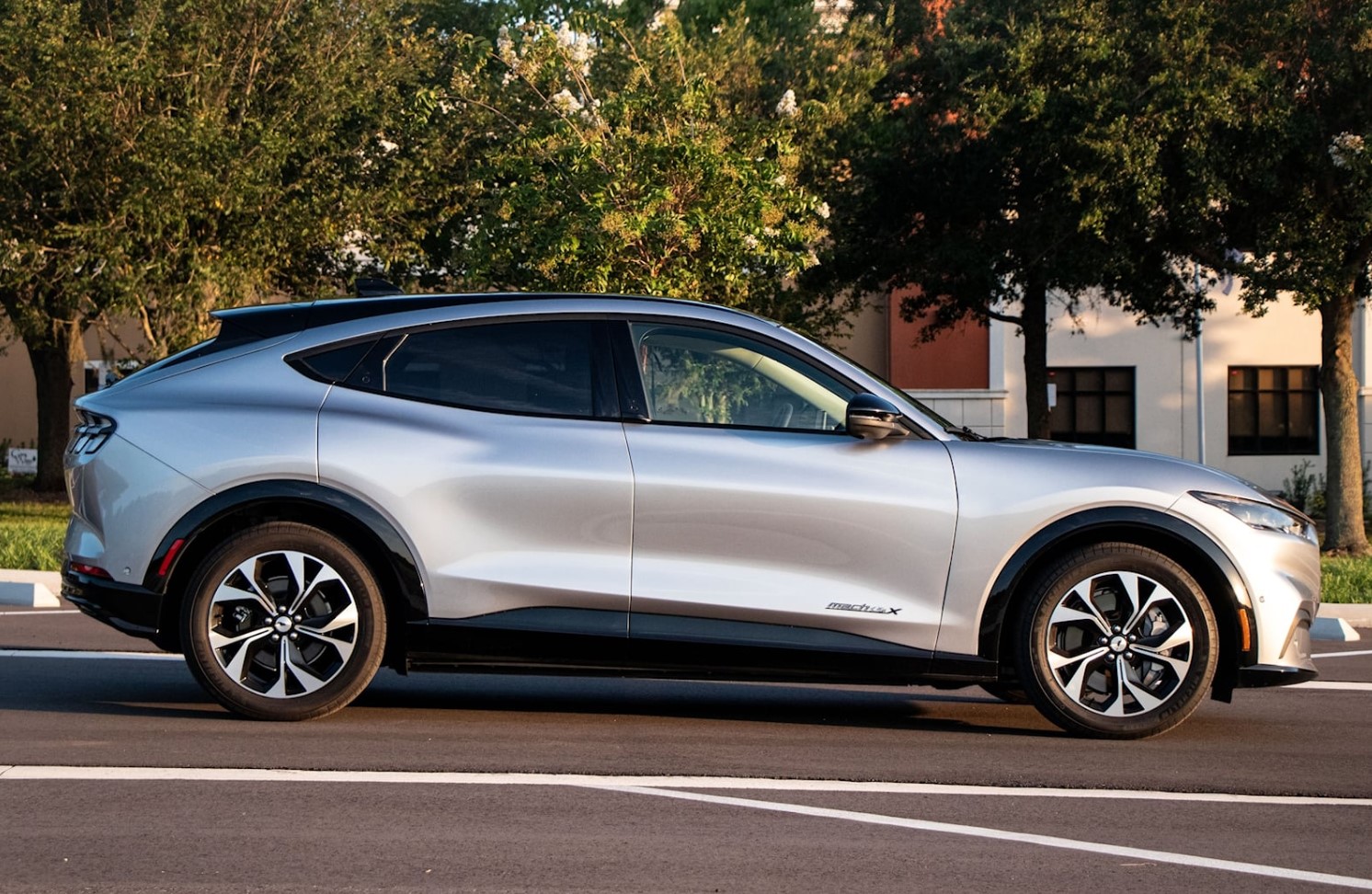
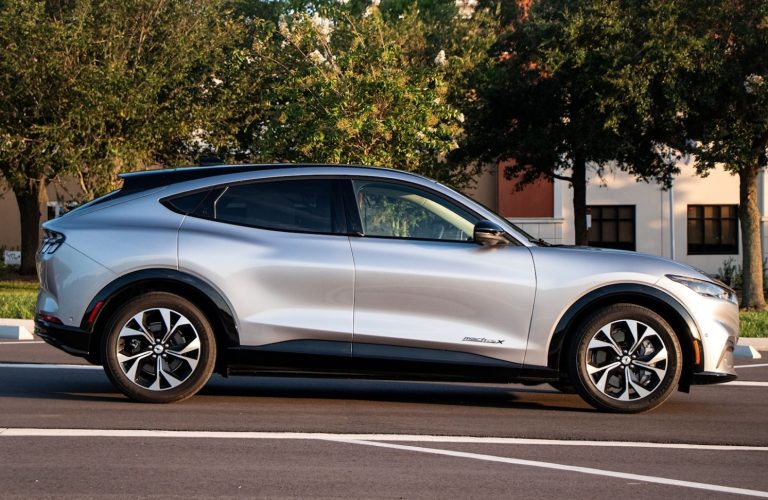
The automotive landscape is undergoing a monumental shift, and at the forefront of this electric revolution stands the Ford Mustang Mach-E. A bold reimagining of the iconic Mustang spirit for the electric age, the Mach-E has captivated enthusiasts and practical drivers alike since its debut. As we look ahead, anticipation is building for the 2026 model year, which promises to bring further refinements, technological advancements, and an even more compelling ownership experience.
For anyone considering making the leap into an electric vehicle, or those looking to upgrade their current EV, the 2026 Ford Mustang Mach-E represents a pivotal moment. This comprehensive article will delve into everything we know and can expect regarding its release date, potential features, and provide an invaluable buying guide to help you navigate the exciting journey of acquiring this groundbreaking electric SUV.
The 2026 Ford Mustang Mach-E: What to Expect from the Next Evolution
While official details for the 2026 model year are still under wraps, based on industry trends, Ford’s typical product cycles, and recent updates to the Mach-E lineup, we can make educated predictions about what enhancements prospective buyers can look forward to. The 2026 Mach-E is likely to be a refined iteration, building upon its successful foundation rather than a complete overhaul, focusing on performance, efficiency, and integrated technology.
1. Design Evolution: Subtle Yet Significant
Expect the 2026 Mustang Mach-E to retain its distinctive, athletic silhouette that cleverly blends Mustang heritage cues with modern SUV practicality. However, subtle design refinements are highly probable:
- Refreshed Front and Rear Fascias: Minor tweaks to the grille, headlights, and taillights could give it a fresher, more aggressive or sophisticated look. These often include updated LED lighting signatures.
- Aerodynamic Enhancements: With every model year, manufacturers strive for better efficiency. Expect subtle aerodynamic improvements, such as revised wheel designs, active grille shutters, or underbody paneling, to eke out more range.
- New Color Palettes and Wheel Options: Ford will likely introduce new exterior paint colors and a wider array of wheel designs to keep the Mach-E’s aesthetic appealing and customizable.
2. Performance & Powertrain Advancements: More Power, More Range
Performance is central to the Mustang Mach-E’s identity, and the 2026 model is expected to push these boundaries further.
- Increased Range: This is almost a certainty. Battery technology is constantly improving, and Ford will aim to offer competitive or class-leading range figures. Expect improvements across all trim levels, potentially pushing the top-tier models closer to or beyond the 320-330 mile mark on a single charge.
- Enhanced Power Output: While already potent, especially in GT trim, Ford might fine-tune the electric motors for slightly more horsepower and torque, leading to even quicker acceleration times (e.g., a potential sub-3.5 second 0-60 mph for the GT Performance Edition).
- Optimized Charging Speeds: Faster DC fast charging capabilities are crucial. Ford will likely work to reduce charging times, allowing for more miles added in shorter stops, potentially pushing peak charging rates beyond 150 kW, especially with newer battery architectures.
- Potential for New Battery Chemistry: While unconfirmed, advancements in battery chemistry could lead to lighter, more energy-dense batteries, contributing to both range and performance without adding significant weight.
3. Interior & Technology: A Smarter, More Luxurious Cabin
The Mach-E’s tech-forward interior, dominated by its large central touchscreen, is a highlight. The 2026 model will likely refine this experience.
- Updated SYNC Infotainment System: Expect the latest iteration of Ford’s SYNC system, potentially with enhanced processing power, more intuitive interfaces, and new app integrations. Over-the-air updates will continue to be a cornerstone.
- Advanced Driver-Assistance Systems (ADAS): Ford BlueCruise, its hands-free highway driving system, will undoubtedly see further expansion of compatible roads and improved functionality. Other ADAS features like enhanced parking assist, improved adaptive cruise control, and more robust lane-keeping systems are likely.
- Premium Materials and Comfort: Ford might introduce new interior trim options, more sustainable materials, or refined upholstery choices. Enhanced sound deadening and comfort features like improved seating ventilation or massage functions could appear in higher trims.
- Digital Instrument Cluster Refinements: The smaller digital display behind the steering wheel could see graphical updates or expanded information display options.
- Integration with NACS (Tesla Supercharger Network): A monumental change for Ford EVs, starting in 2025, Ford will adopt Tesla’s North American Charging Standard (NACS). The 2026 Mach-E will undoubtedly come with a NACS port, granting seamless access to the vast Tesla Supercharger network, significantly alleviating range anxiety.
4. Safety Features: Pinnacle of Protection
Ford’s Co-Pilot360 suite is already comprehensive. The 2026 Mach-E will likely offer incremental improvements:
- Enhanced Sensor Technology: More precise radar, cameras, and ultrasonic sensors for improved detection and response times for collision avoidance systems.
- New Passive Safety Features: Potential structural reinforcements or advanced airbag designs to further enhance occupant protection.
5. Trim Levels: Refined Offerings
The current trim structure (Select, Premium, California Route 1, GT) has been successful. Ford might refine these, potentially:
- Standardizing More Features: Features that were optional in lower trims might become standard.
- Introducing Special Editions: To maintain excitement, limited-run special editions with unique aesthetic packages or performance tweaks are always a possibility.
The All-Important Release Date: When Can You Expect the 2026 Mach-E?
Pinpointing an exact release date for a model year over a year away is challenging, as manufacturers rarely announce such specifics so far in advance. However, we can outline a typical timeline and how to stay informed.
- Production Cycle: Ford typically begins production of a new model year in the late summer or early fall of the preceding calendar year. So, for the 2026 Mustang Mach-E, production would likely commence around August-October 2025.
- Official Unveiling: Ford would likely officially unveil the 2026 Mach-E with all its new features and specifications sometime between Spring to Summer 2025. This is when details on pricing, range, and specific enhancements would be released.
- Order Banks Opening: Following the official unveiling, order banks typically open within a few weeks or months. This means you could likely place an order for a 2026 Mach-E around Summer to Fall 2025.
- First Deliveries: The first deliveries to customers usually begin shortly after production ramps up, meaning the earliest buyers could receive their 2026 Mach-E models in Late Fall 2025 or Early Winter 2026.
How to Stay Updated:
- Official Ford Website: Regularly check Ford’s official media site and the Mustang Mach-E product page.
- Authorized Ford Dealerships: Maintain contact with a local Ford dealer, especially one with a strong EV sales team. They often receive internal communications and can alert you to pre-order opportunities.
- Automotive News Outlets: Follow reputable automotive news websites and publications that specialize in EV news.
- Social Media: Follow Ford’s official social media channels for announcements.
The Comprehensive 2026 Mach-E Buying Guide: Preparing for Your EV Purchase
Purchasing an electric vehicle, especially one as advanced as the 2026 Mustang Mach-E, involves considerations beyond those of a traditional gasoline car. This guide will walk you through every step, from assessing your needs to optimizing your ownership experience.
Step 1: Assess Your Needs and Lifestyle
Before falling in love with a specific trim or color, honestly evaluate how an EV fits into your daily life.
- Budget: Beyond the purchase price, consider insurance, charging costs, and potential accessory purchases (like a home charger).
- Driving Habits & Range Anxiety: How far do you typically drive in a day? Do you take frequent long trips? The Mach-E offers excellent range, but understanding your habits helps determine if it’s sufficient and if you’ll need to rely on public charging often.
- Charging Infrastructure:
- Home Charging: Is installing a Level 2 charger at home feasible? This is paramount for convenient EV ownership.
- Work Charging: Does your workplace offer EV charging?
- Public Charging: Are there reliable DC fast chargers and Level 2 chargers along your common routes or near your destination?
- Space & Practicality: How much passenger and cargo space do you need? The Mach-E offers generous room for a compact SUV.
- Performance Desires: Do you prioritize maximum range (California Route 1), balanced performance (Premium), or exhilarating acceleration (GT)?
Step 2: Understand Pricing and Costs
While speculative for 2026, we can anticipate pricing based on current models and industry trends.
- MSRP (Manufacturer’s Suggested Retail Price): Expect a slight increase over current model year prices due to inflation and new technology. Current Mach-E models range from approximately $40,000 to over $60,000, so a 2026 Mach-E could start around $42,000 – $45,000 for the Select trim and climb to $68,000 – $72,000 for the GT Performance Edition before options.
- Trim Level Differences: Each trim offers different standard features, battery sizes, and motor configurations, significantly impacting the price.
- Options and Packages: Consider optional extras like panoramic sunroofs, advanced driver-assist packages, or upgraded audio systems.
- Insurance: EVs can sometimes have higher insurance premiums due to repair costs for advanced technology. Get quotes beforehand.
- Charging Costs: Calculate your estimated electricity costs versus gasoline savings. Most home charging is significantly cheaper per mile than gasoline.
- Maintenance: EVs generally have lower maintenance costs due to fewer moving parts (no oil changes, spark plugs, etc.). Tire wear might be slightly higher due to instant torque and vehicle weight.
Step 3: Explore Federal, State, and Local Incentives
EVs are often eligible for substantial financial incentives that can significantly reduce the effective purchase price.
- Federal Tax Credit (IRC 30D): The Inflation Reduction Act (IRA) offers a credit of up to $7,500 for eligible new clean vehicles. Crucially, the 2026 Mach-E will need to meet stringent requirements for battery component sourcing and critical mineral sourcing to qualify. Check the IRS website for the latest vehicle eligibility list and income limitations for the year of purchase.
- State Incentives: Many states offer additional rebates, tax credits, or other perks (e.g., HOV lane access, reduced registration fees). Research your state’s specific EV incentive programs.
- Local & Utility Company Rebates: Some cities or local utility providers offer rebates for EV purchases or for installing home charging equipment.
- Point-of-Sale vs. Tax Credit: The federal tax credit can sometimes be applied at the point of sale by dealerships, making it an immediate discount rather than a tax refund the following year. Confirm this option with your dealer.
Step 4: Master the Charging Ecosystem
Understanding how and where you’ll charge is fundamental to EV ownership.
- Home Charging (Level 1 & Level 2):
- Level 1 (120V): Uses a standard wall outlet. Very slow (2-5 miles of range per hour). Best for occasional top-ups or if you drive very little.
- Level 2 (240V): Requires a dedicated 240V circuit (like for a clothes dryer). Provides 25-45 miles of range per hour. This is highly recommended for daily EV ownership. You’ll need a Wall Connector (Ford Connected Charge Station or a third-party unit like ChargePoint Home Flex) and professional installation.
- Public Charging:
- Level 2 Public Chargers: Found at workplaces, shopping centers, and public parking lots. Good for topping up while running errands.
- DC Fast Chargers (DCFC): The fastest option, capable of adding hundreds of miles of range in under an hour. Essential for long road trips. Networks include Electrify America, ChargePoint, EVgo, and soon, Tesla Superchargers via NACS compatibility.
- Ford BlueOval Charge Network: Ford offers access to a vast network of public chargers through its BlueOval Charge Network, simplifying payment and access via the FordPass app.
- NACS Integration (A Game Changer): The 2026 Mach-E’s native NACS port means you’ll have unparalleled access to Tesla’s reliable Supercharger network, significantly expanding your travel possibilities.
Step 5: The Test Drive and Dealership Experience
- Schedule a Thorough Test Drive: Don’t just drive around the block. Take it on highways, through city streets, and try parking. Pay attention to acceleration, braking (regenerative braking feel), handling, interior quietness, and driver visibility.
- Experience BlueCruise: If available, ensure you test out BlueCruise on a compatible highway section to understand its hands-free driving capabilities.
- Find an EV-Savvy Dealer: Look for a dealership with a dedicated EV sales team and certified EV technicians. They can answer specific questions about charging, incentives, and EV maintenance.
- Negotiation: While high-demand EVs might have less room for negotiation, always be prepared to discuss pricing, trade-in values, and financing options.
Step 6: Financing and Ownership Considerations
- Loans vs. Leases: Evaluate which option best suits your financial situation and driving habits. Leases can be attractive for EVs due to rapidly evolving technology and potential battery degradation concerns (though modern EV batteries are highly durable).
- Warranty: Understand Ford’s comprehensive warranty, especially the specific warranty for the high-voltage battery (typically 8 years/100,000 miles).
- Resale Value: EVs generally hold their value well, but market dynamics can change. The Mach-E’s strong brand recognition and NACS integration should bolster its long-term appeal.
Step 7: Preparing Your Home for an EV
- Electrical Assessment: Consult with a licensed electrician to assess your home’s electrical panel capacity. You might need an upgrade to support a Level 2 charger.
- Charger Installation: Have your Level 2 home charger professionally installed. This ensures safety and optimal charging performance.
- Smart Home Integration: Many home chargers offer smart features, allowing you to schedule charging during off-peak electricity hours to save money.
Why the 2026 Mach-E Might Be Your Next Vehicle
The 2026 Ford Mustang Mach-E is poised to be more than just another electric SUV. It represents:
- A Blend of Heritage and Future: It successfully carries the spirit of the Mustang into the electric age, offering thrilling performance and distinctive styling.
- Cutting-Edge Technology: From its advanced SYNC infotainment to its sophisticated BlueCruise hands-free driving system, it’s packed with innovations.
- Environmental Responsibility: Driving an EV contributes to reduced emissions and a cleaner environment.
- Lower Running Costs: With cheaper "fuel" (electricity) and reduced maintenance, the Mach-E can save you money in the long run.
- Unprecedented Charging Convenience: With native NACS integration, the 2026 model will unlock a vast and reliable charging network, making long-distance travel stress-free.
Conclusion: Embrace the Electric Horizon
The 2026 Ford Mustang Mach-E is shaping up to be an incredibly compelling electric vehicle, offering a potent blend of performance, technology, style, and practicality. While we await official announcements, the trajectory points towards an even more refined and capable EV that addresses many of the common concerns of electric vehicle ownership.
By following this comprehensive buying guide, staying informed about the latest releases, and carefully assessing your individual needs, you’ll be well-prepared to make an informed decision when the 2026 Mach-E arrives. Get ready to experience the electrifying future of driving – the open road, powered by Ford, awaits.