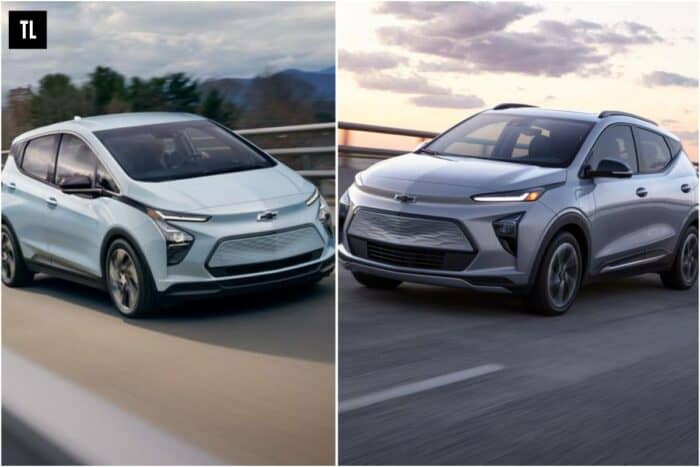
The electric vehicle (EV) market is a battlefield of innovation, range, and increasingly, affordability. For years, the Chevrolet Bolt EUV stood as a beacon of value, offering a practical, long-range EV experience without the premium price tag. However, its journey was temporarily halted, leaving a void in the accessible EV segment. Now, with the highly anticipated return of the Bolt EUV for 2026, built on GM’s revolutionary Ultium platform, the question on every budget-conscious EV buyer’s mind is: Can it reclaim its crown as the best electric vehicle for the money, or has the competition surged too far ahead?
This comprehensive article will delve into the projected strengths of the 2026 Chevrolet Bolt EUV, compare it head-to-head with its likely rivals, and analyze the key metrics that define true value in the rapidly evolving EV landscape.
The Phoenix Rises: A Closer Look at the 2026 Chevrolet Bolt EUV
The original Chevrolet Bolt EUV, alongside its Bolt EV sibling, carved out a significant niche. It offered impressive range (EPA-estimated 247 miles for the EUV) and a spacious, practical interior at a starting price that often undercut the competition, especially after incentives. Its sudden discontinuation, while understandable given GM’s strategic shift to Ultium, left many lamenting the loss of an excellent entry-point EV.
The 2026 return, however, promises a vastly improved and more competitive vehicle. Here’s what we can anticipate:
-
The Ultium Advantage: This is the game-changer. GM’s modular Ultium platform is designed for scalability, efficiency, and cost-effectiveness. For the Bolt EUV, this means:
- Improved Range: While specific figures are speculative, Ultium vehicles typically boast excellent range. We could see the 2026 Bolt EUV pushing well past the 250-mile mark, potentially nearing or exceeding 300 miles on a single charge in some configurations, solidifying its position among top affordable EVs.
- Faster Charging: The previous Bolt’s biggest Achilles’ heel was its relatively slow DC fast charging speeds. Ultium vehicles are built for rapid charging, with 400V architectures capable of adding significant range in short bursts. The 2026 Bolt EUV should see a substantial improvement, making road trips far more convenient and competitive with rivals.
- Enhanced Performance: Ultium allows for versatile powertrain configurations. While the Bolt EUV will likely remain a front-wheel-drive focused vehicle to keep costs down, we might see options for more powerful motors or even an all-wheel-drive variant, enhancing its appeal.
- Cost Efficiency: A core promise of Ultium is cost reduction through standardization and scale. This is crucial for the Bolt EUV to maintain its aggressive pricing strategy.
-
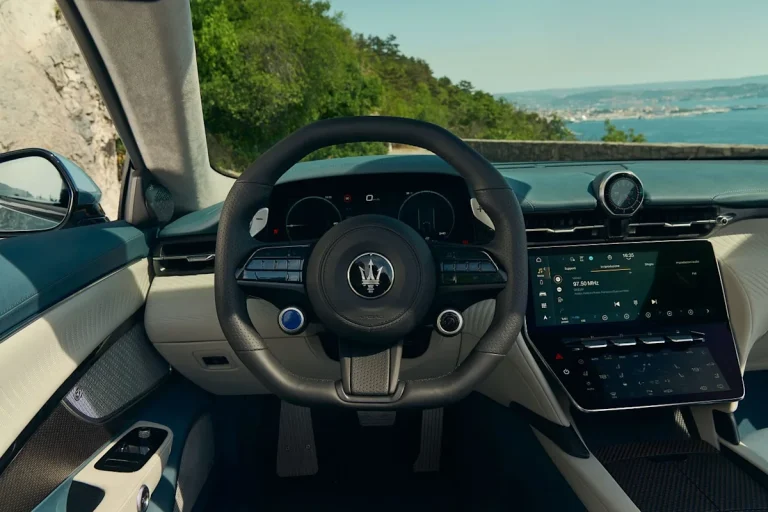
Modernized Design and Interior: Expect a significant refresh. The 2026 Bolt EUV will likely adopt design cues from GM’s newer Ultium-based EVs like the Blazer EV and Equinox EV, offering a more contemporary and premium aesthetic. The interior will almost certainly feature:
- Larger, Integrated Screens: A modern infotainment system with a large central touchscreen and digital instrument cluster is a given, likely running on GM’s intuitive Ultifi software.
- Improved Materials: While still aiming for affordability, GM will likely upgrade interior materials to address past criticisms, offering a more comfortable and upscale feel.
- Enhanced Connectivity and Features: Expect standard wireless Apple CarPlay and Android Auto, more USB-C ports, and potentially over-the-air (OTA) update capabilities.
- Super Cruise Integration: Given GM’s commitment to its advanced hands-free driving system, Super Cruise could be an available option, a significant differentiator in the affordable EV segment.
-
Target Price Point: To truly be the "best EV for the money," the 2026 Bolt EUV must land squarely in the sub-$30,000 to low-$30,000 range before federal tax credits. This aggressive pricing, combined with its Ultium capabilities, would make it an undeniable value proposition.
The Contenders: Who’s Battling the Bolt EUV for Value?
The landscape of affordable EVs has become significantly more crowded and competitive since the original Bolt EUV’s debut. By 2026, several key players will be vying for the same budget-conscious buyers.
1. Hyundai Kona Electric (Next Generation):
- Strengths: The current Kona Electric offers a compelling package of range (261 miles), spirited performance, and a comprehensive warranty. The upcoming generation (already revealed globally) is larger, more stylish, and promises even better tech and potentially more range. Hyundai’s charging speeds are also generally good.
- Challenges for Bolt: The Kona Electric has a strong reputation and will likely continue to offer excellent value. Its design is more SUV-like, appealing to a broader audience.
2. Kia Niro EV (Current Generation, likely refreshed by 2026):
- Strengths: Similar to the Kona, the Niro EV offers a practical, stylish, and efficient package (253 miles range). Its more traditional crossover styling appeals to many. Kia’s infotainment is top-notch, and charging is competitive.
- Challenges for Bolt: The Niro EV is a very well-rounded vehicle, known for its comfortable ride and user-friendly features. It’s a direct competitor in terms of size and target audience.
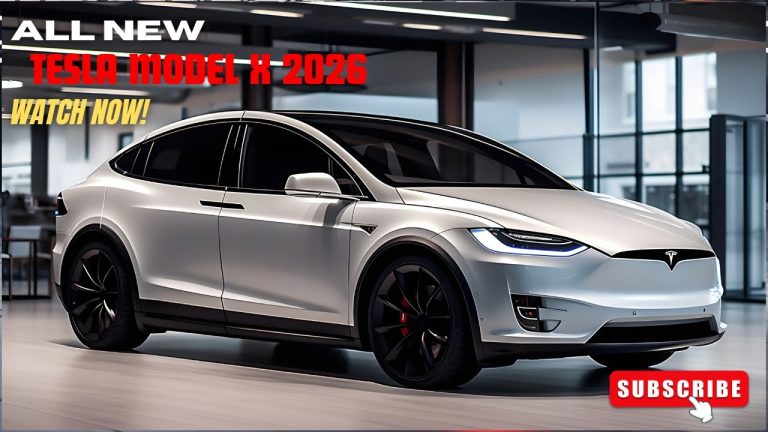
3. Tesla Model 3 / Model Y (Base RWD):
- Strengths: While typically higher priced, Tesla’s continuous price adjustments and the allure of the Supercharger network make its entry-level models a consideration. The Model 3 RWD (272 miles) and Model Y RWD (260 miles) offer strong performance, advanced tech, and brand prestige.
- Challenges for Bolt: Tesla’s brand power and charging network are massive advantages. If base model prices continue to fall, they could directly challenge the Bolt’s value proposition, especially if federal tax credits are factored in.
4. Volkswagen ID.4 (Base Pro RWD):
- Strengths: VW is committed to the US market and aims for an accessible EV. The ID.4 (275 miles for Pro RWD) offers a more traditional SUV feel, spacious interior, and decent charging speeds. Its focus on practicality and comfort resonates with many buyers.
- Challenges for Bolt: The ID.4 is a segment above the Bolt EUV in size, but its base model often competes on price, especially after incentives. Its larger footprint might be a draw for some families.
5. Ford Mustang Mach-E (Base RWD):
- Strengths: While often seen as a premium offering, Ford’s base Mach-E (250 miles for RWD Standard Range) can compete on price with higher trims of the Bolt EUV, especially with incentives. It offers a sporty driving experience and distinctive styling.
- Challenges for Bolt: The Mach-E brings a different flavor – performance and style – to the value equation. If Ford introduces more accessible variants or adjusts pricing, it could be a formidable rival.
6. Nissan Leaf (Next Generation/Successor):
- Strengths: The Leaf pioneered the affordable EV segment. If Nissan introduces a next-generation Leaf (likely a crossover) by 2026, it will undoubtedly target the value market, potentially offering competitive range and features at an attractive price point.
- Challenges for Bolt: Nissan’s experience in EVs is extensive. A new Leaf, especially one on a modern platform, could be a strong contender for affordability.
7. Emerging Players (e.g., Stellantis, other Asian brands):
- Strengths: Brands like Stellantis are rapidly developing new EV platforms and models, with a clear focus on affordability for the mass market. Smaller, compact EVs are expected from various manufacturers, further intensifying competition.
- Challenges for Bolt: The market will be even more saturated by 2026, with new entrants potentially offering disruptive pricing or unique features.
Head-to-Head Comparison: The Metrics That Matter
To determine if the 2026 Bolt EUV can be the "best EV for the money," we must compare it across critical dimensions:
1. Price and Value Proposition:
- Bolt EUV (Projected): GM’s goal with Ultium is cost reduction. If the 2026 Bolt EUV starts under $30,000 before federal tax credits, it will be incredibly compelling. Its practical size and expected range for that price would be hard to beat.
- Competitors: The Kona EV and Niro EV currently hover in the low-to-mid $30,000s. Tesla’s base models are often in the mid-$30,000s, and the ID.4/Mach-E are usually higher. The Bolt’s strength here would be maximizing features and range at the absolute lowest entry price point.
2. Range and Efficiency:
- Bolt EUV (Projected): A 280-300+ mile range would be exceptional for its price point and Ultium’s efficiency should contribute to low operating costs.
- Competitors: Most rivals in this segment offer 250-280 miles. A Bolt EUV pushing past 280 miles would be a significant advantage, reducing range anxiety and enhancing its practicality.
3. Charging Speed and Infrastructure:
- Bolt EUV (Projected): This is where Ultium must shine. Competitive DC fast charging (e.g., 10-80% in 30-40 minutes) will be essential. GM’s commitment to the NACS charging standard (expected for 2025 models and beyond) means the 2026 Bolt EUV should have access to the vast Tesla Supercharger network, a monumental advantage.
- Competitors: Hyundai/Kia offer decent charging speeds but lack Supercharger access (unless they also adopt NACS). Tesla, of course, has its industry-leading network. VW and Ford have been building out their own networks and partnerships. NACS adoption by GM will be a huge boost for the Bolt.
4. Interior, Technology, and Driver Assistance:
- Bolt EUV (Projected): Expected upgrades in screen size, software, and material quality, plus the potential for Super Cruise, would make it a strong contender.
- Competitors: Hyundai/Kia have excellent, user-friendly tech. Tesla is known for its minimalist, screen-centric interface and advanced (though controversial) Autopilot. VW and Ford also offer competitive infotainment and ADAS suites. Super Cruise could give the Bolt a unique edge in hands-free driving capability.
5. Performance and Driving Dynamics:
- Bolt EUV (Projected): While not a performance car, expect spritely acceleration typical of EVs and a comfortable, predictable ride.
- Competitors: Most compact EVs offer brisk acceleration. The Mach-E leans sportier, while the Niro and ID.4 prioritize comfort. The Bolt EUV will likely aim for a balanced, practical driving experience.
6. Practicality and Cargo Space:
- Bolt EUV (Projected): The "EUV" (Electric Utility Vehicle) designation implies practicality. Expect a flexible interior, decent rear passenger space, and competitive cargo volume.
- Competitors: The Niro EV and Kona Electric are strong in this regard, offering good utility. The ID.4 is larger overall, offering more space but at a potentially higher cost.
7. Total Cost of Ownership (TCO):
- Bolt EUV (Projected): Beyond the sticker price, TCO includes electricity costs, maintenance, insurance, and resale value. Ultium’s efficiency and GM’s robust service network will contribute positively.
- Competitors: EVs generally have lower maintenance costs than ICE vehicles. Electricity prices vary, but home charging is always cheaper than gas. Resale value is a factor where Tesla traditionally excels, but the new Ultium Bolt EUV could build a strong reputation.
The "Best Value" Equation: More Than Just the Sticker Price
Defining the "best EV for the money" isn’t solely about the lowest MSRP. It’s a holistic equation:
- Federal Tax Credits: The Bolt EUV, being built in North America with domestic battery components (Ultium’s planned US manufacturing), is highly likely to qualify for the full $7,500 federal tax credit. This is a massive advantage that can significantly drop its effective price. Many foreign competitors may struggle to meet these strict sourcing requirements.
- State and Local Incentives: Additional state rebates, utility company incentives for home charger installation, and HOV lane access can further reduce the cost of ownership and enhance the value proposition.
- Charging Costs: The Bolt EUV’s efficiency, combined with potential access to the Supercharger network (with NACS), will make charging convenient and affordable.
- Maintenance: EVs generally require less maintenance than gasoline cars (no oil changes, fewer moving parts), contributing to lower long-term costs.
- Reliability: The Ultium platform, being a fresh design, has the potential for strong reliability, which will be crucial for buyer confidence. GM’s warranty and dealer network provide peace of mind.
Conclusion: A Strong Contender, But The Race is On
The 2026 Chevrolet Bolt EUV, leveraging the power and flexibility of the Ultium platform, is poised to make a triumphant return. Its anticipated strengths in range, charging speed (especially with NACS access), updated technology, and critically, an aggressive price point, position it as a very strong candidate for the "best electric vehicle for the money."
Will it reclaim the crown?
- Yes, for many buyers: If GM delivers on its promise of an Ultium-powered Bolt EUV starting well under $30,000 (before incentives) with competitive range and charging, it will be an undeniable value leader. Its blend of practicality, modern tech (including potential Super Cruise), and the massive advantage of Supercharger access will appeal to a broad demographic looking for an affordable, no-compromise EV.
- It depends on your priorities: For those prioritizing raw performance or premium brand cachet, a base Tesla Model 3/Y might still hold appeal, even at a higher price. For those who need a slightly larger SUV, the ID.4 or Mach-E might be better fits. The Kona Electric and Niro EV will remain formidable rivals, offering their own compelling blend of features and value.
The 2026 Chevrolet Bolt EUV is not just returning; it’s evolving into a more capable, more connected, and potentially even more compelling package. Its success will ultimately hinge on GM’s execution of its Ultium promise – delivering a reliable, feature-rich, and genuinely affordable EV that once again sets the benchmark for value in the electric vehicle market. The EV landscape is constantly shifting, but the new Bolt EUV is undoubtedly positioned to be a serious contender for the title of the best electric vehicle for the money. The future of affordable electric driving looks brighter than ever.