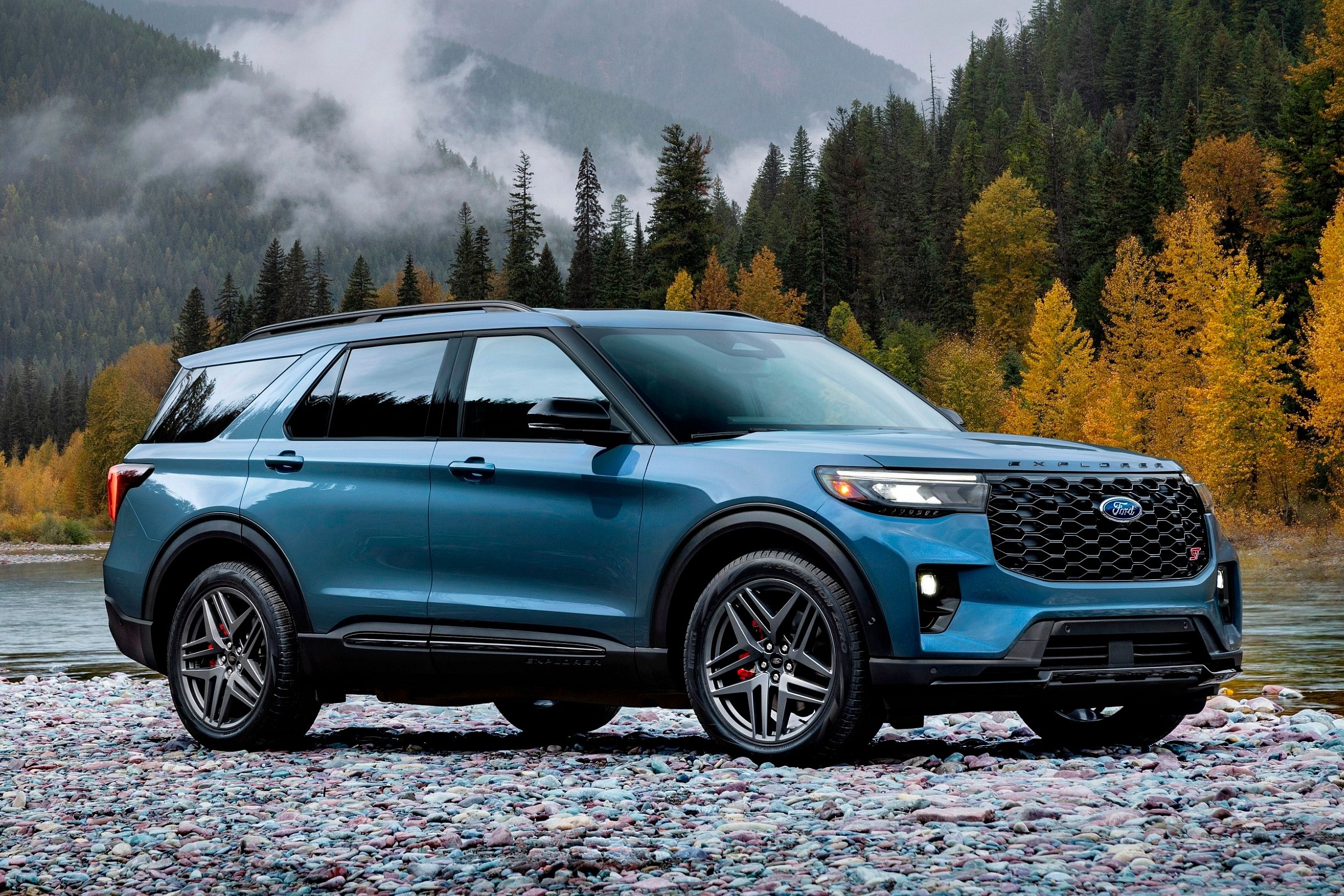
The mid-size, three-row SUV segment is arguably the most fiercely contested battleground in the automotive world. It’s where family dreams meet daily grind, where practicality clashes with aspiration, and where value is measured in everything from cupholders to residual values. At the heart of this perennial struggle stands the Ford Explorer, a name synonymous with American family adventure for over three decades. As we cast our gaze towards the 2026 model year, the Explorer, fresh off its significant 2025 refresh, is poised to continue its formidable challenge against an increasingly sophisticated and diverse field of competitors. The perennial question remains: can the 2026 Ford Explorer truly claim the title of the "best SUV for the money"?
To answer that, we must dissect the Explorer’s anticipated strengths, acknowledge its potential weaknesses, and then meticulously compare it against the segment’s heavy hitters, evaluating not just features and performance, but the holistic value proposition each contender brings to the discerning buyer.
The 2026 Ford Explorer: A Refined Stalwart’s Play
For 2026, the Explorer will largely carry over the significant enhancements introduced with the 2025 model year refresh. This means a vehicle that has sharpened its exterior styling, significantly upgraded its interior, and refined its technological offerings, all while retaining its core identity as a spacious, capable, and quintessentially American family hauler.
Design and Interior: The 2025 refresh brought a more assertive front fascia, with revised grille designs and updated lighting signatures across the trim levels, giving the Explorer a fresh, contemporary look without straying too far from its familiar rugged aesthetic. For 2026, expect these cues to remain, projecting an image of quiet confidence.
However, the most impactful changes, and those most relevant to the "money" equation, reside within. Ford addressed one of the Explorer’s primary criticisms with a thoroughly revised interior. The centerpiece is a new, larger 13.2-inch infotainment touchscreen, now featuring the latest iteration of Ford’s SYNC 4A system. This isn’t just a bigger screen; it’s a gateway to a more intuitive, connected, and customizable user experience, complete with wireless Apple CarPlay and Android Auto, enhanced voice recognition, and over-the-air update capabilities. Below this, redesigned climate controls and a more premium dashboard layout elevate the perceived quality. Higher trim levels benefit from improved materials, stitching, and ambient lighting, giving the cabin a more upscale ambiance that was previously lacking.
Crucially, the Explorer retains its core strength: space. Its rear-wheel-drive biased platform allows for a generous cabin, offering comfortable seating for adults in the first two rows and a usable, if not expansive, third row for children or shorter trips for adults. Cargo capacity remains competitive, making it a practical choice for families with gear.
Powertrains and Driving Dynamics: The 2026 Explorer will likely continue to offer a compelling choice of powertrains. The base 2.3-liter EcoBoost four-cylinder engine, producing around 300 horsepower and 310 lb-ft of torque, offers surprisingly brisk acceleration and commendable fuel efficiency for its class. For those craving more power, the available 3.0-liter EcoBoost V6, pushing out 400 horsepower and 415 lb-ft in ST models, transforms the Explorer into a genuine performance SUV without sacrificing its family duties. Both are paired with a smooth-shifting 10-speed automatic transmission.
What about a hybrid? The Explorer Hybrid, while currently available, wasn’t part of the initial 2025 refresh announcement for all trims. However, given the market’s demand for efficiency and Ford’s commitment to electrification, it’s highly probable that an updated or re-integrated hybrid option will be available for 2026, potentially offering improved range or power. This is a critical component in the "money" discussion, as fuel economy directly impacts long-term ownership costs.
In terms of driving dynamics, the Explorer’s rear-wheel-drive architecture gives it a more athletic feel than many front-wheel-drive biased competitors. It handles confidently, with responsive steering and a generally composed ride, though larger wheels on sportier trims can sometimes introduce a bit more harshness. For 2026, expect minor refinements to suspension tuning to enhance comfort and control.
Technology and Safety: Beyond the updated infotainment, the 2026 Explorer will undoubtedly feature a comprehensive suite of Ford Co-Pilot360 driver-assist technologies as standard or widely available. This includes adaptive cruise control, lane-keeping assist, blind-spot monitoring, and automatic emergency braking. Higher trims could offer advanced features like Ford’s BlueCruise hands-free driving system, further enhancing convenience and safety on compatible highways. These features not only contribute to safety but also to the perceived value and modern appeal of the vehicle.
The Challenger’s Circle: Explorer’s Fiercest Rivals
To truly assess the Explorer’s "best for the money" claim, we must stack it against the segment’s top contenders. Each brings its own unique blend of attributes to the table.
1. Kia Telluride / Hyundai Palisade: These Korean twins remain arguably the biggest disruptors in the segment.
- Strengths: Stunning design (especially the Telluride), near-luxury interiors even on lower trims, intuitive technology, and an industry-leading warranty. They offer incredible feature-per-dollar value, making them extremely attractive from a "money" perspective. Their V6 engine is smooth, and ride quality is generally excellent.
- Weaknesses: No hybrid option (yet), and while competent, their driving dynamics aren’t as sporty as the Explorer’s RWD platform. Their third row, while good, isn’t quite as spacious as the Traverse.
- Value Proposition: They set the benchmark for perceived luxury and features at a competitive price, often feeling like a class above. Their strong resale value further cements their "for the money" appeal.
2. Honda Pilot: The Pilot is the epitome of sensible, reliable family transportation.
- Strengths: Cavernous interior space (particularly in the third row), bulletproof reliability, strong resale value, and a potent V6 engine. The latest generation (introduced in 2023) brought a more rugged design and improved technology. Honda’s reputation for trouble-free ownership is a significant "money" factor.
- Weaknesses: Lacks a hybrid option, and while competent, its driving experience is more focused on comfort than excitement. The interior, while practical, isn’t as visually opulent as the Telluride/Palisade.
- Value Proposition: The Pilot’s long-term ownership costs are among the lowest, thanks to reliability and strong resale. Its practicality and spaciousness deliver excellent utility for the price.
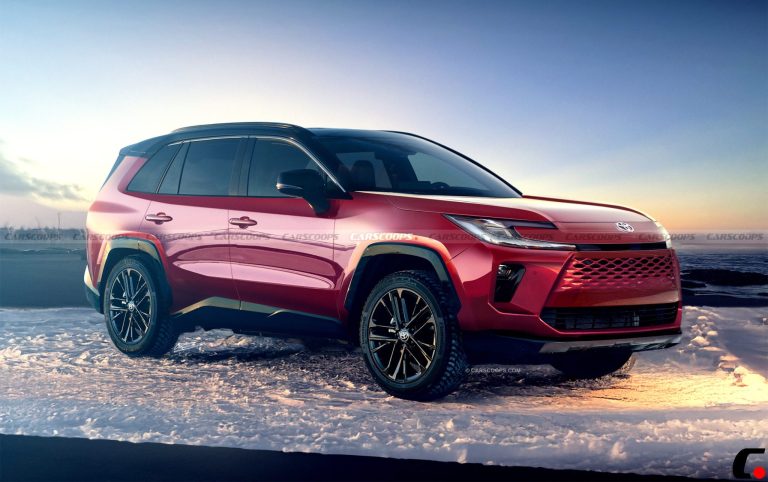
3. Toyota Highlander: The Highlander often flies under the radar but consistently delivers on its promises.
- Strengths: Unmatched reputation for reliability, exceptional fuel economy with its standard hybrid powertrain (a rarity in the segment), smooth and quiet ride, and strong resale value. Its available AWD system is capable.
- Weaknesses: Its third row is among the tightest in the class, making it less ideal for larger families needing regular three-row use. The interior, while functional, can feel a bit dated compared to newer rivals, and its driving dynamics are decidedly un-sporty.
- Value Proposition: For those prioritizing fuel economy and long-term, worry-free ownership, the Highlander Hybrid is a champion for the money. Its resale value is consistently top-tier.
4. Chevrolet Traverse: GM’s entry is a contender focused on sheer interior volume.
- Strengths: Absolutely massive interior, offering the most third-row and cargo space in the segment. The redesigned 2024 model brought a more rugged exterior, significantly upgraded interior tech (including a large 17.7-inch infotainment screen), and a new 2.5-liter turbo-four engine with 328 hp.
- Weaknesses: While improved, interior materials might not quite match the Telluride/Palisade or Explorer on higher trims. Fuel economy for such a large vehicle, even with the new engine, might lag behind hybrid competitors.
- Value Proposition: If your definition of "best for the money" is maximum space and utility for a competitive price, the Traverse is hard to beat. Its new tech suite also adds significant appeal.
5. Jeep Grand Cherokee L: For those seeking a blend of rugged capability and premium comfort.
- Strengths: Genuine off-road capability (especially with higher trims and air suspension), luxurious interior appointments, strong V6 and V8 engine options, and a distinctive American character.
- Weaknesses: Often significantly more expensive than the Explorer and its direct rivals, impacting its "for the money" score. Fuel economy, especially with the V8, can be poor.
- Value Proposition: If you value luxury, heritage, and genuine off-road prowess, and are willing to pay a premium, the Grand Cherokee L offers unique value. However, for sheer family hauling value, it’s often outpriced.
The "Best for the Money" Equation: Dissecting Value
"Best for the money" isn’t just about the lowest sticker price; it’s a complex formula encompassing several key factors:
- Initial Purchase Price vs. Features: Does the Explorer offer a strong array of standard features at its entry-level, or do you need to climb trim ladders to get desirable tech and comfort? The 2025 refresh brought many features down the trim ladder, improving this. The Telluride/Palisade often excel here, providing a lot of "stuff" for the dollar.
- Running Costs: Fuel economy is paramount. If the 2026 Explorer Hybrid returns with competitive MPG figures, it significantly enhances its long-term value. Maintenance costs, insurance rates, and tire replacement also factor in. Toyota and Honda traditionally shine here.
- Resale Value: This is a silent killer of value. A vehicle that holds its value well means you lose less money when you eventually sell or trade it in. Honda, Toyota, and Kia/Hyundai have shown strong resale values recently, and the Explorer, particularly the ST trim, also holds its own.
- Warranty: Kia and Hyundai’s 10-year/100,000-mile powertrain warranty is a significant advantage, offering peace of mind and reducing potential repair costs. Ford’s standard warranty is competitive but not class-leading in this regard.
- Reliability and Durability: A vehicle that spends less time in the shop is unequivocally "better for the money." Toyota and Honda have historically set the bar here, though Ford has made strides in recent years.
- Intangibles: Dealer network accessibility, brand reputation, and personal preference for styling or driving dynamics all contribute to the subjective "value" a buyer perceives. Ford’s extensive dealer network is a strong point.
Conclusion: Is the 2026 Ford Explorer the King of Value?
The 2026 Ford Explorer, building on its recent refresh, emerges as a remarkably strong contender in the mid-size SUV segment. It offers a compelling blend of handsome styling, a significantly upgraded interior with cutting-edge technology, robust powertrain options (including a probable competitive hybrid), and the proven utility that families demand. Its rear-wheel-drive architecture gives it a distinct driving feel that some rivals can’t match.
However, labeling it the absolute "best SUV for the money" requires nuance.
- For the buyer prioritizing perceived luxury, cutting-edge design, and a phenomenal warranty at a competitive price point, the Kia Telluride or Hyundai Palisade might still edge out the Explorer. They deliver an undeniable "wow" factor for the dollar.
- For the buyer who values bulletproof reliability, stellar fuel economy (especially with a hybrid), and unparalleled long-term ownership costs, the Toyota Highlander Hybrid remains a formidable, almost unbeatable choice.
- For those needing maximum interior space and practicality, coupled with Honda’s renowned reliability, the Honda Pilot makes a compelling case. The redesigned Chevrolet Traverse also delivers on space with new tech.
- For the buyer who wants a blend of performance, modern tech, ample space, and a distinctly American flavor, the 2026 Ford Explorer hits a sweet spot. Its recent interior overhaul specifically targets one of its previous weaknesses, propelling its value proposition significantly upward. If the hybrid option is robust and widely available, and pricing remains competitive, the Explorer will be a true force.
Ultimately, the "best SUV for the money" is a personal calculation. But for 2026, the Ford Explorer has truly sharpened its claws. It’s a confident, well-rounded, and technologically advanced package that delivers substantial value. While it might not unilaterally dominate every single metric against every single competitor, it has certainly cemented its place as one of the most compelling and balanced choices in the segment, offering a genuine contender for the hard-earned money of American families. The competition is fierce, but the Explorer is ready for the fight.