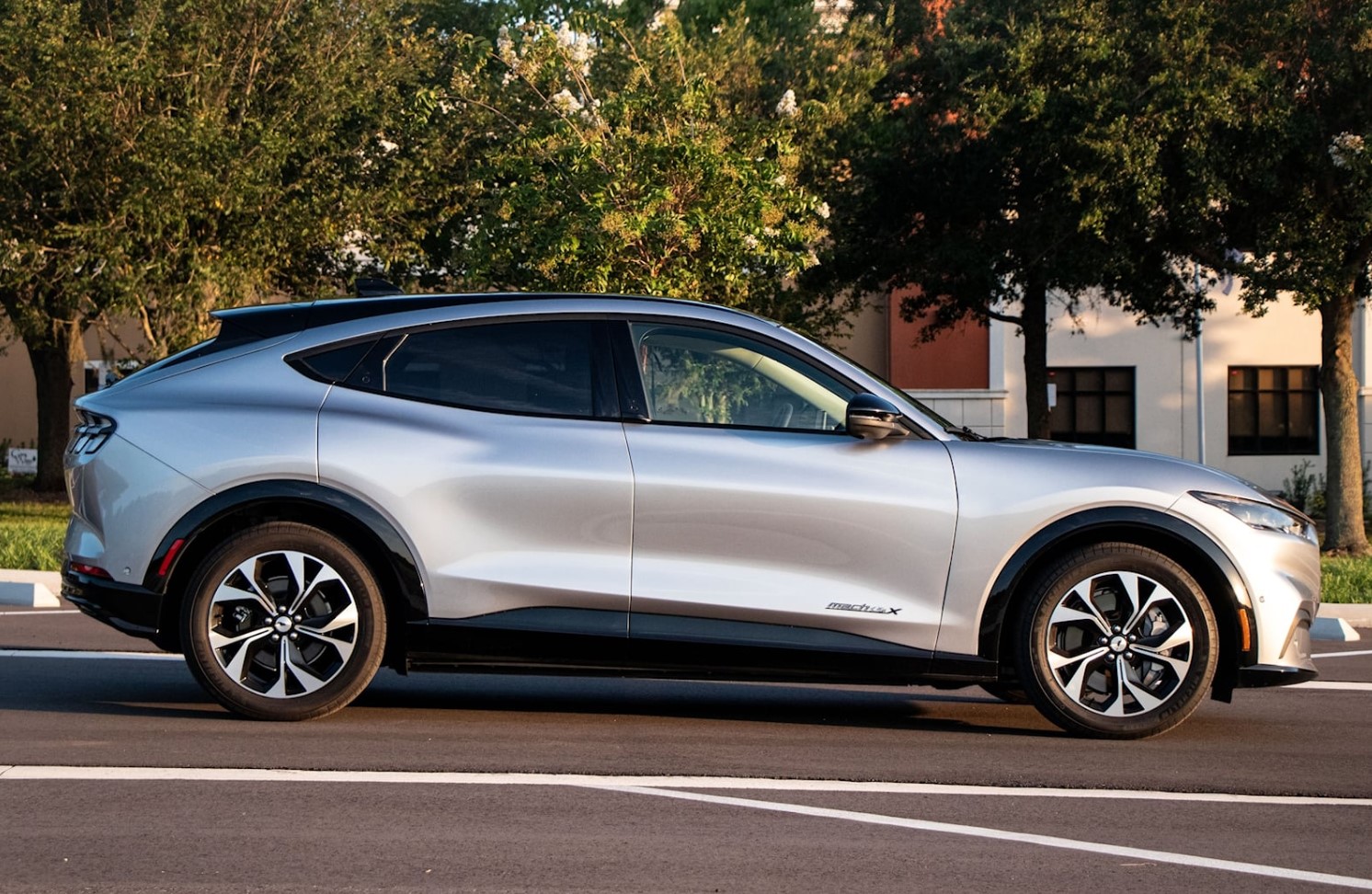
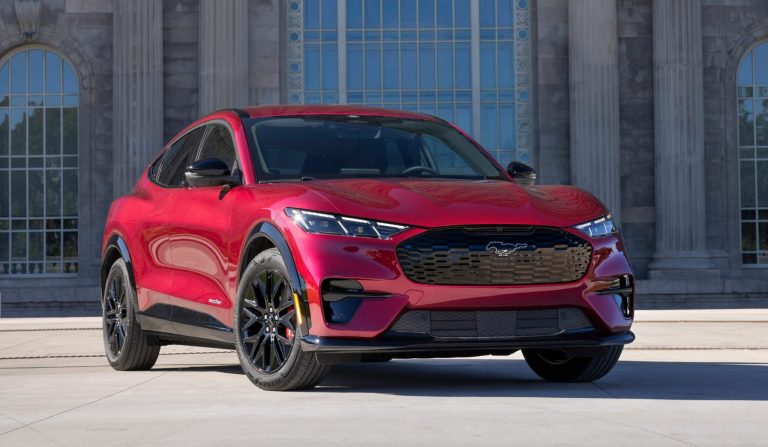
The electric vehicle (EV) revolution is accelerating, and at its forefront stands the Ford Mustang Mach-E – a groundbreaking electric SUV that dared to wear the iconic Mustang badge. As we look towards the horizon, anticipation is building for the 2026 model year, which is widely expected to bring significant updates, refinements, and potentially a mid-cycle refresh to one of Ford’s most important electric offerings. For prospective buyers, understanding the anticipated release timeline and preparing a strategic buying plan is crucial.
This comprehensive guide will delve into the expected release date for the 2026 Ford Mustang Mach-E, dissect the potential upgrades and features, and provide an in-depth buying guide to help you navigate the journey of acquiring this exciting electric vehicle.
The Evolution of an Icon: Why the 2026 Mach-E Matters
Since its debut, the Mustang Mach-E has successfully blended the performance spirit of the Mustang with the practicality of an SUV and the undeniable benefits of electric propulsion. It’s been a critical success, attracting both traditional Ford enthusiasts and new EV adopters. For the 2026 model year, Ford is likely to build on this strong foundation, addressing market feedback, integrating newer technologies, and solidifying its position in an increasingly competitive EV landscape.
A typical automotive product cycle involves a refresh or significant update around the third or fourth year of production. Given the Mach-E launched in late 2020 as a 2021 model, a substantial refresh for the 2025 or, more likely, 2026 model year is highly anticipated. This refresh could encompass everything from exterior styling tweaks and interior material upgrades to significant powertrain and battery improvements.
The All-Important Release Date: Speculation vs. Reality
Pinpointing an exact release date for a vehicle two years out is inherently speculative, as automakers typically guard such information closely until closer to launch. However, based on industry patterns and Ford’s usual production timelines, we can make informed estimations.
1. Official Announcement & Unveiling:
Historically, Ford introduces significant model updates or entirely new vehicles well in advance of their market availability. For a 2026 model year vehicle, we would expect official teasers, concept reveals, or even a full unveiling event to occur sometime in late 2024 or early to mid-2025. Major auto shows (like Detroit, LA, or CES) are common venues for such announcements, or Ford might opt for a standalone digital event to maximize global reach.
2. Order Books Opening:
Following the official unveiling, Ford typically opens order banks for its new models. For the 2026 Mach-E, this could happen anywhere from mid to late 2025. This is when prospective buyers can configure their desired trim, select options, and place a deposit. Early ordering is often crucial, especially for popular EV models, as initial production slots can fill up quickly.
3. Production Commencement & Deliveries:
Actual production of 2026 model year vehicles usually begins a few months before they arrive at dealerships. For the Mach-E, this would likely be in late 2025 or very early 2026. Initial deliveries to customers would then commence shortly after, meaning the first 2026 Mach-E models could reach buyers in the first or second quarter of 2026.
Summary of Anticipated Timeline:
- Official Reveal/Announcement: Late 2024 – Mid 2025
- Order Banks Open: Mid 2025 – Late 2025
- Production Start: Late 2025 – Early 2026
- Customer Deliveries Begin: Q1 – Q2 2026
Key Takeaway: While a specific date isn’t set in stone, interested buyers should keep a close eye on Ford news and automotive publications starting in late 2024 for the most up-to-date information.
What to Expect: Anticipated Updates for the 2026 Mustang Mach-E
A mid-cycle refresh for the Mach-E is likely to bring a host of improvements, enhancing its appeal and keeping it competitive. Here’s what we might see:
1. Exterior Design Evolution:
- Subtle Styling Tweaks: Expect refreshed front and rear fascias, potentially with new headlight and taillight designs (LED signatures). Grille textures might be updated to reflect Ford’s evolving EV design language.
- Aerodynamic Enhancements: Minor bodywork changes could improve aerodynamic efficiency, contributing to better range.
- New Wheel Designs & Color Options: A fresh palette of exterior colors and updated wheel options are almost a certainty.
2. Interior Refinements & Technology Upgrades:
- Improved Materials: Ford may introduce higher-quality soft-touch materials, new trim accents, and potentially more sustainable interior options.
- Infotainment System Updates: While the current SYNC 4A system is robust, the 2026 model could see a faster processor, enhanced graphics, and new software features. Expect improved integration with smartphone mirroring and potentially new app integrations.
- Digital Instrument Cluster Enhancements: A more customizable and visually appealing digital driver display.
- Advanced Driver-Assistance Systems (ADAS): Updates to Ford BlueCruise (hands-free highway driving) with expanded road compatibility and potentially new safety features like enhanced evasive steering assist or improved parking assist.
- Comfort Features: Possible additions like upgraded massaging seats, enhanced ambient lighting, or a more sophisticated climate control system.
3. Performance Enhancements:
- Powertrain Optimizations: While major overhauls are less likely in a refresh, software tuning could yield slight increases in horsepower and torque across the lineup, potentially making the GT even quicker.
- Improved Charging Speeds: Next-generation battery management systems could enable faster DC fast charging rates, reducing downtime on long trips.
- One-Pedal Driving Refinements: Enhanced smoothness and adjustability for the popular one-pedal driving mode.
4. Range and Battery Technology:
- Next-Generation Battery Cells: Ford is continuously working on battery technology. The 2026 Mach-E could benefit from slightly denser battery packs or more efficient chemistry, leading to marginal range increases without significantly altering physical pack size.
- Enhanced Thermal Management: Improvements in battery cooling and heating could optimize performance and longevity in varying climates.
- Increased Efficiency: Overall vehicle efficiency improvements (aerodynamics, tire technology, software) will contribute to better range figures across all trims.
5. Trim Level Adjustments:
- Ford might re-evaluate its trim structure, potentially introducing new variants or consolidating existing ones based on market demand. New optional packages or standalone features are also highly probable.
Comprehensive Buying Guide for the 2026 Ford Mustang Mach-E
Purchasing an EV, especially a highly anticipated model like the 2026 Mach-E, requires a thoughtful and strategic approach. Here’s a step-by-step guide to help you make an informed decision and secure your vehicle.
Step 1: Self-Assessment & Research (Starting Now!)
- Define Your Needs:
- Range: How much range do you truly need for your daily commute and occasional long trips? Consider the extended range options.
- Performance: Are you looking for spirited acceleration (GT trim) or efficient daily driving?
- Cargo & Passenger Space: Does the Mach-E’s SUV form factor meet your family’s needs?
- Budget: Establish a clear budget, including the purchase price, insurance, charging infrastructure, and potential accessories.
- Understand EV Ownership:
- Charging Infrastructure: Assess your home charging capabilities (Level 2 charger installation is highly recommended). Research public charging networks in your area.
- Maintenance: EVs generally require less maintenance than ICE vehicles, but understand the differences.
- Driving Dynamics: EVs offer instant torque and a quiet ride. Are these appealing to you?
- Test Drive Current Models: While the 2026 model isn’t out, test-driving a current Mach-E (or even competitor EVs like the Tesla Model Y, Hyundai Ioniq 5, Kia EV6, or VW ID.4) will give you a feel for EV driving, interior space, and Ford’s infotainment system. This helps refine your expectations.
- Stay Informed: Regularly check automotive news sites, Ford’s official channels, and EV forums for updates on the 2026 Mach-E.
Step 2: Understanding Trim Levels & Options (Anticipated)
Based on current models, the 2026 Mach-E will likely offer several trim levels, each building upon the last with increasing features and performance.
-
Select (Entry-Level): Good standard range, essential features, competitive pricing.
-
Premium (Mid-Range): Extended range option, upgraded audio, panoramic fixed-glass roof, more comfort and tech features.
-
California Route 1 (Range-Focused): Typically comes standard with extended range, often with unique styling cues and lighter wheels for maximum efficiency.
-
GT (Performance-Oriented): Highest performance, all-wheel drive, sportier suspension, unique styling elements, often with extended range as standard. GT Performance Edition offers even more aggressive tuning.
-
Key Considerations:
- Battery Size: Standard Range (SR) vs. Extended Range (ER). ER offers significantly more usable range.
- Drivetrain: Rear-Wheel Drive (RWD) for maximum range/efficiency (on select trims) or All-Wheel Drive (AWD) for better traction and performance.
- Optional Packages: Look for technology packages (e.g., BlueCruise), comfort packages, or specific aesthetic upgrades.
- Future-Proofing: Consider features like advanced connectivity, higher charging speeds, and upgraded driver assistance systems if you plan to keep the vehicle long-term.
Step 3: Pricing & Financial Planning
- Estimated Pricing: Expect a slight price increase over the outgoing model due to inflation and new technology.
- Current Mach-E models range from roughly $40,000 to over $60,000 (before incentives). The 2026 model could start in the mid-$40,000s for the base Select RWD and climb to $70,000+ for a fully loaded GT Performance Edition.
- Total Cost of Ownership (TCO):
- Purchase Price: Base MSRP + options + destination fee + taxes + registration.
- Insurance: EVs can sometimes have higher insurance premiums initially due to repair costs and technology. Get quotes early.
- Charging Costs: Calculate your estimated electricity costs for home charging.
- Maintenance: Generally lower for EVs (no oil changes, fewer moving parts).
- Depreciation: Research projected resale values, though EVs generally hold value well in the current market.
- Financing vs. Leasing:
- Financing: You own the car, build equity, and have no mileage restrictions.
- Leasing: Lower monthly payments, less upfront cost, and easy upgrade path to a new vehicle in a few years. Often a good option for EVs if you want to take advantage of rapidly evolving battery tech.
- Pre-Approval: Get pre-approved for a loan from your bank or credit union before visiting a dealership to ensure you get the best interest rate.
Step 4: Exploring Incentives & Tax Credits
This is a critical step for EV buyers, as incentives can significantly reduce the effective purchase price.
- Federal Tax Credit (IRA): The U.S. federal tax credit (currently up to $7,500) has strict requirements for vehicle MSRP caps, battery component sourcing, and final assembly location.
- Key: The Mach-E has qualified in the past. Verify that the 2026 model, its price, and its battery components will meet the IRS criteria at the time of purchase. Ford has been working to localize its supply chain.
- Income Limits: Be aware of Adjusted Gross Income (AGI) limitations for eligibility.
- State & Local Incentives: Many states offer their own tax credits, rebates, or grants for EV purchases. Some also offer perks like HOV lane access.
- Utility Company Rebates: Check with your local electric utility provider. Many offer rebates for installing home Level 2 charging equipment or for EV purchases.
- Employer Programs: Some employers offer incentives for employees to switch to EVs.
Step 5: The Ordering & Delivery Process
- Pre-Order Strategy:
- Ford Website: Ford typically allows direct online configuration and ordering, which then links to a preferred dealer for delivery and paperwork.
- Dealership: Visit your preferred Ford dealer and express your interest early. Some dealers maintain waiting lists even before official order banks open.
- Deposit: Be prepared to place a refundable deposit to secure your spot in the production queue.
- Patience is Key: Given the high demand for EVs and potential supply chain fluctuations, be prepared for lead times. Ford will likely provide estimated delivery windows.
- Order Tracking: Once your order is placed, you’ll likely receive a production number, allowing you to track the build status of your vehicle.
Step 6: Preparing for EV Ownership
- Home Charging Installation: This is paramount for convenient EV ownership.
- Level 2 Charger (240V): Hire a licensed electrician to install a dedicated 240V circuit and charging station in your garage or driveway. This provides significantly faster charging than a standard wall outlet.
- Smart Charger: Consider a smart charger that can schedule charging for off-peak electricity rates.
- Public Charging:
- Apps: Download and familiarize yourself with public charging network apps (e.g., Electrify America, ChargePoint, EVgo).
- FordPass: Utilize the FordPass app for seamless access to Ford’s charging network partners and to manage your vehicle.
- Understanding Range Anxiety: With proper planning and charging habits, range anxiety becomes a non-issue. The Mach-E’s range is substantial for most daily needs.
- Tires: EVs are heavier and have instant torque, which can wear tires faster. Consider EV-specific tires for optimal performance and efficiency.
Step 7: The Test Drive & Final Inspection (Pre-Delivery)
- Final Test Drive: Even if you’ve driven a current Mach-E, take the exact 2026 model you’re purchasing for a final test drive before signing. Check all features, ensure everything works as expected, and listen for any unusual noises.
- Thorough Inspection: Before taking delivery, meticulously inspect the exterior for any dents, scratches, or paint imperfections. Check the interior for any damage, ensure all electronic features are functional, and confirm all ordered options are present.
- Review Documentation: Carefully read all sales agreements, financing terms, and warranty information. Understand your maintenance schedule and what’s covered.
Why the 2026 Mach-E Continues to Be a Strong Contender
The Ford Mustang Mach-E is more than just an electric SUV; it’s a statement. For 2026, it’s expected to solidify its position through:
- Brand Heritage & Trust: Leveraging the iconic Mustang name and Ford’s reputation for reliability.
- Engaging Driving Dynamics: Offering a balance of sporty handling and comfortable ride.
- Cutting-Edge Technology: With BlueCruise, SYNC 4A, and advanced safety features.
- Practicality: The SUV form factor makes it versatile for families and adventurers.
- Growing EV Ecosystem: Ford’s continuous investment in charging infrastructure and battery technology.
The Competitive Landscape
The 2026 Mach-E will face fierce competition from established players and new entrants:
- Tesla Model Y: Its primary rival, known for its Supercharger network and minimalist interior.
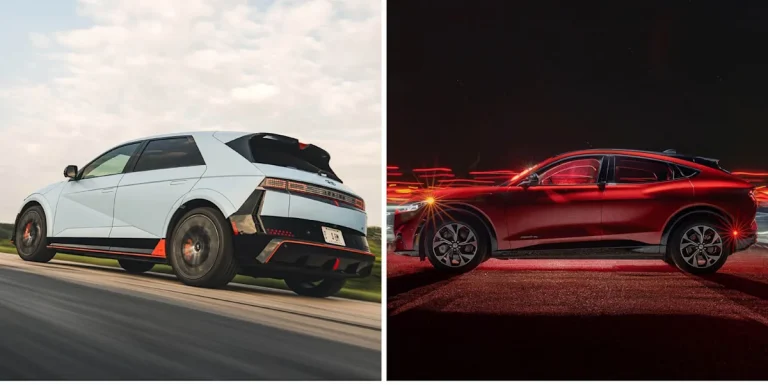
- Hyundai Ioniq 5 & Kia EV6: Distinctive styling, rapid charging, and strong performance.
- Volkswagen ID.4: A more conventional SUV approach with solid range and German engineering.
- Chevrolet Blazer EV & Equinox EV: New domestic competitors from GM entering the market.
- Luxury EVs: Such as the Audi Q4 e-tron, Mercedes-Benz EQB, and BMW iX1 (globally) will also compete for a segment of the market.
Conclusion: Electrifying the Future, One Mustang Mach-E at a Time
The 2026 Ford Mustang Mach-E is poised to be an even more compelling electric vehicle, building on its success with anticipated design refinements, technological advancements, and performance enhancements. While specific release dates remain under wraps, prospective buyers have a clear roadmap for preparation, starting with thorough research and understanding the nuances of EV ownership.
By following this comprehensive buying guide, you can confidently navigate the journey from anticipation to ownership, securing your place behind the wheel of one of the most exciting and important electric vehicles of the coming years. The future of driving is electric, and the 2026 Mach-E promises to make that future exhilarating. Stay tuned, stay informed, and prepare to electrify your drive.