SpeedSUVs.com — The landscape of electric vehicles has evolved significantly over the past several years, transforming from a niche segment into a mainstream reality. The EV of the Year competition serves as a benchmark for this technological progress, highlighting vehicles that prioritize innovation, driving dynamics, and everyday usability. By examining the winners since 2021, one can observe the shift in industry priorities, moving from early accessibility to high-performance engineering and, eventually, to essential budget-friendly transportation.
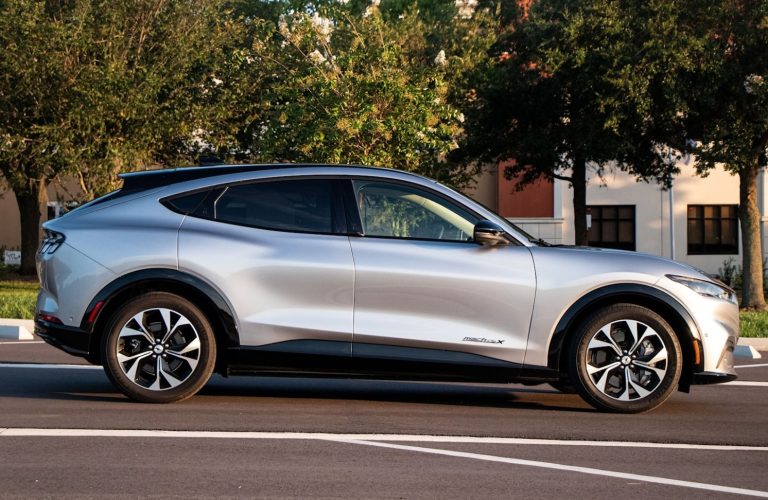
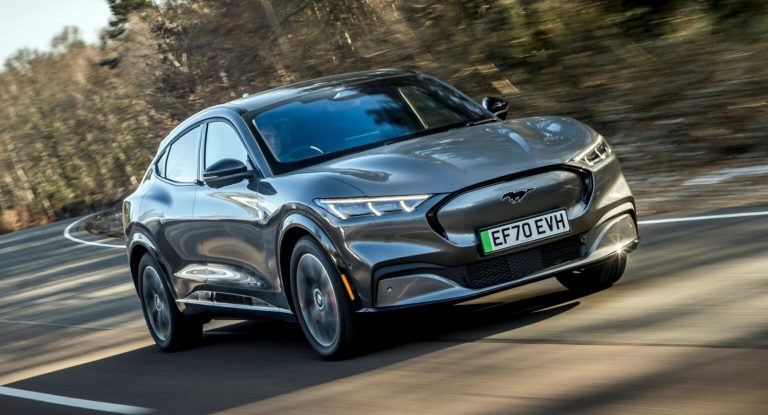
2021: Ford Mustang Mach-E
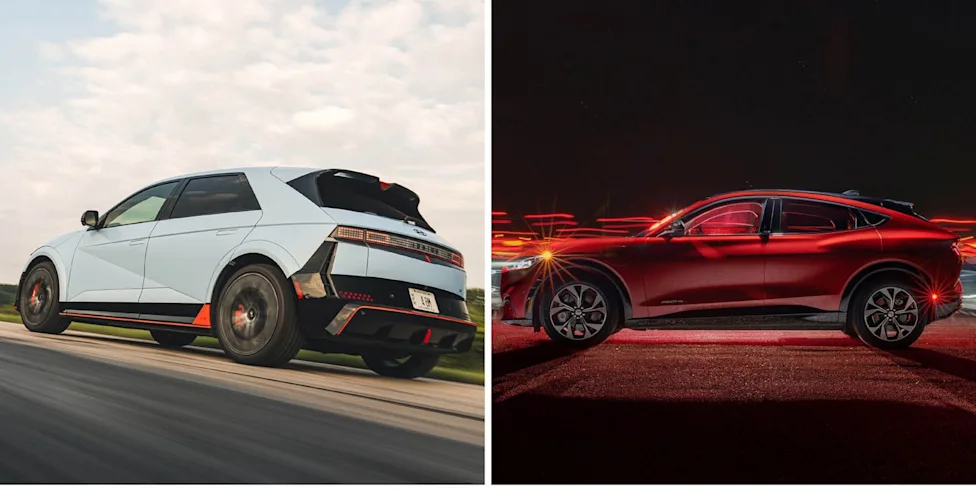
The Ford Mustang Mach-E set the tone for the inaugural award in 2021. It succeeded by successfully balancing the challenging demands of early electric vehicle ownership: competitive range, daily practicality, and engaging performance. While some enthusiasts initially questioned the use of the Mustang nameplate, the vehicle proved its worth through quiet, dynamic confidence and impressive acceleration. It provided an accessible entry point that avoided many of the compromises common in early electric models, offering a superior value proposition compared to high-end alternatives available at the time.
Pros and Cons
- Pros: Excellent balance of range and practicality, accessible pricing, and engaging driving dynamics.
- Cons: Initial skepticism from brand purists regarding the heritage of the Mustang name.
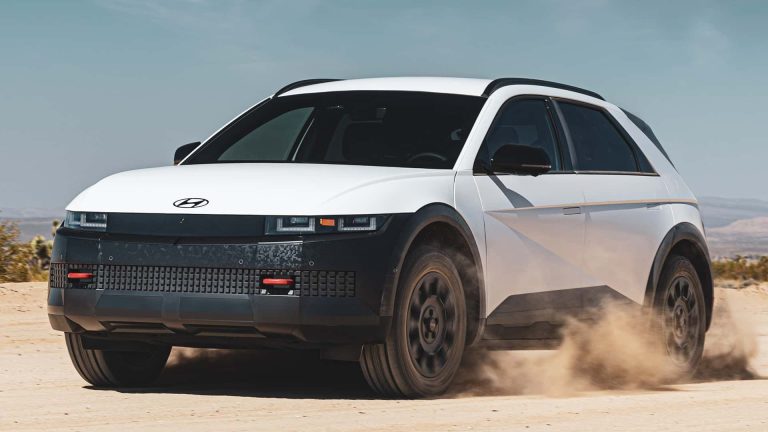
2022: Hyundai Ioniq 5
In 2022, the Hyundai Ioniq 5 captured the top honor, distinguishing itself through its unique character and striking design. Beyond its visual appeal, the Ioniq 5 demonstrated exceptional technical prowess, particularly in its charging infrastructure compatibility. It could charge from 10 to 80 percent in approximately 18 minutes when connected to a 350-kW fast charger, a significant feat that addressed consumer concerns regarding downtime.
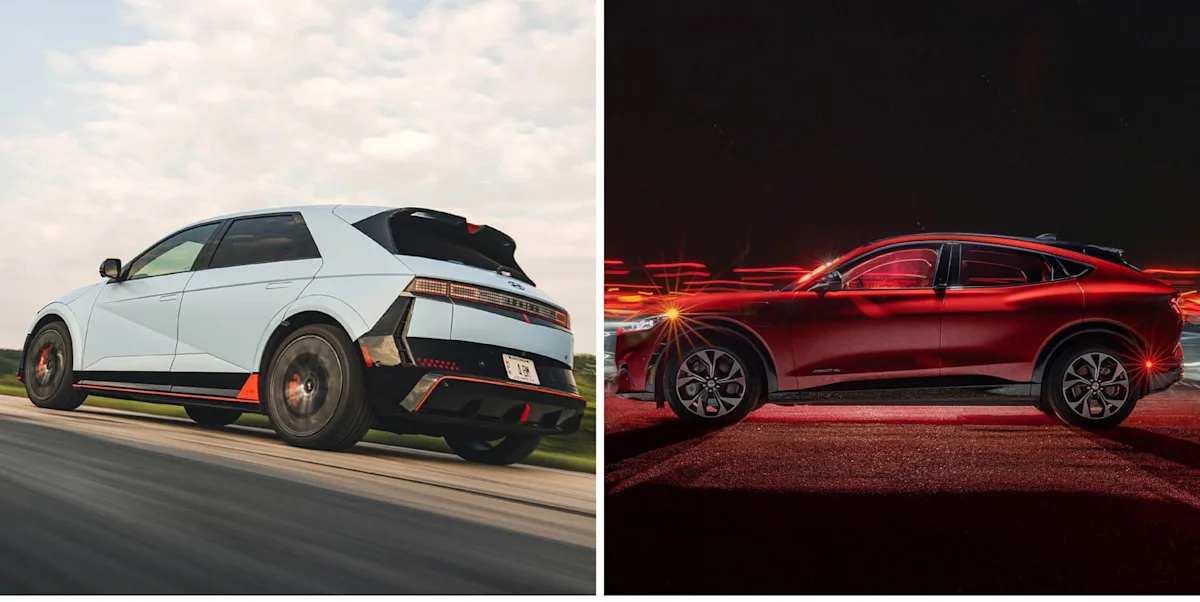
Driving the all-wheel-drive version offered a playful experience, with a 0-60 mph time of 4.5 seconds. Its ability to handle corners with a spirited nature made it a favorite, proving that electric SUVs did not have to be dull appliances.
2024: Hyundai Ioniq 5 N
The Hyundai Ioniq 5 N achieved a rare feat by securing a second win for the model line in 2024. This performance-oriented variant was designed specifically for driving enthusiasts. While it featured simulated engine sounds and gear changes—features some might find kitschy—these elements underscored the focus on emotional engagement. The 3.0-second sprint to 60 mph and exceptional cornering grip confirmed its status as a serious performance machine that maintained the versatility of its predecessor.
2025: Porsche Taycan
The 2025 Porsche Taycan represents a triumph of technological refinement. After missing the top award in 2021 due to efficiency concerns, the updated Taycan returned with a vengeance. The integration of an available 97-kWh battery pack pushed its EPA range estimate to 318 miles, effectively neutralizing previous anxieties about long-distance travel. Furthermore, the introduction of optional Active Ride suspension elevated the driving experience to a standard that few competitors can match, confirming that high-end performance and efficiency can coexist.
2026: Chevrolet Bolt
The 2026 Chevrolet Bolt shifted the focus back to accessibility and mission fulfillment. Priced under $30,000, it delivered significant value without sacrificing essential features. While it utilizes standard hardware, the efficiency with which the manufacturer applied these technologies makes it a standout. Achieving a 230-mile real-world highway range and a 31-minute charge time (10 to 80 percent), the Bolt proves that an affordable electric vehicle can still be highly functional and enjoyable to drive on winding roads.
Pros and Cons
- Pros: Highly affordable entry price, spacious interior, and reliable real-world range.
- Cons: Relies on more conventional technology compared to luxury-segment electric vehicles.
Conclusion
The evolution of these award winners reflects the maturity of the electric vehicle market. From the well-rounded Ford Mustang Mach-E to the high-performance Porsche Taycan and the budget-conscious Chevrolet Bolt, these vehicles have proven that electric propulsion is versatile. When selecting an EV, buyers should consider whether their priority lies in raw performance, advanced charging technology, or overall cost-effectiveness. These winners demonstrate that there is no longer a single template for a successful electric vehicle, allowing for a broader range of consumer choices.