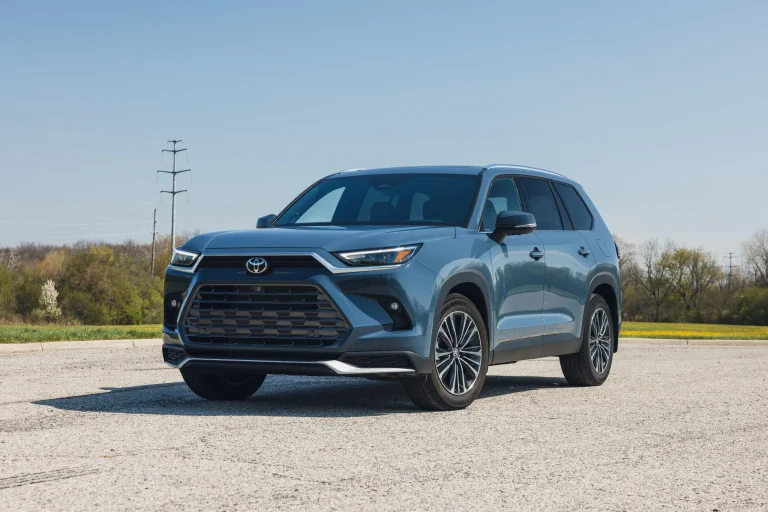
SpeedSUVs.com provides this comprehensive guide to help you navigate the often overwhelming experience of purchasing or leasing a new vehicle. Whether you are seeking a truck, SUV, van, or sedan, understanding the process is key to avoiding common pitfalls and ensuring you drive away satisfied with your decision.

Deciding Between Buying and Leasing
The first major hurdle is choosing between financing a purchase or opting for a lease. If you choose to buy, you will own the vehicle outright once the loan is fully paid. This offers long-term value, as the car remains yours after the final payment. Conversely, leasing allows you to drive a newer vehicle for a set term, typically with lower monthly payments. However, leases come with strict mileage limits and you will return the vehicle at the end of the term, leaving you with no equity to put toward your next car.

Consider your lifestyle needs. If you drive extensively, mileage caps on leases can lead to expensive penalties. If you prefer the latest technology and safety features every three years, a lease might be attractive. If you want to build ownership and avoid the cycle of recurring payments, an auto loan is generally the better route.

Setting a Realistic Budget
Before visiting any showroom, you must conduct a thorough financial audit. Do not just look at the monthly payment; factor in the total cost of ownership, which includes taxes, registration, insurance premiums, fuel, and ongoing maintenance. A safe rule of thumb is to allocate no more than 10 percent of your monthly income toward your car payment, and an additional five to 10 percent for those hidden ownership costs.

If you have a vehicle to trade in, use online valuation tools to estimate its market worth before heading to the dealer. Having a realistic trade-in value helps you negotiate from a position of strength, preventing you from accepting a low-ball offer from a salesperson.

Financing and Pre-Approval
Securing a loan pre-approval from a bank or credit union before visiting a dealership is a crucial strategy. It provides you with a baseline interest rate and loan term, which protects you from predatory lending practices or marked-up interest rates at the dealership. If you are paying cash, ensure your funds are liquid and ready for transfer, whether through a wire or a certified cashier’s check, to keep the transaction smooth and efficient.

Researching Body Styles and Features
Avoid decision paralysis by narrowing your preferences at home. Determine which body style aligns with your daily reality. A two-seat sports car might be impractical for a growing family, while a heavy-duty truck might exceed your actual towing requirements. Make a list of “must-have” features versus “wants.” For example, if you live in a cold climate, heated seats and a heated steering wheel may be essential. If you have a long commute, prioritize fuel economy or consider a plug-in hybrid (PHEV) or electric vehicle (EV) to reduce long-term fuel expenditure.

The Test Drive Strategy
Once you have narrowed your search to a few top contenders, schedule test drives. Call ahead to confirm the specific trim and powertrain you want are available. During the drive, pay attention to visibility, seat comfort, infotainment ease of use, and overall handling. Do not get distracted by the car’s exterior color; focus on how the vehicle performs across different road conditions. It is highly recommended to bring a checklist and even a car seat to ensure your specific cargo and family needs are met before signing any contract.

By following these structured steps—from financial planning to rigorous research and informed test driving—you can remove the stress from the process. Taking the time to prepare yourself effectively turns a potentially daunting purchase into a confident, well-informed investment that serves your lifestyle for years to come.