SpeedSUVs.com — Tesla has expanded its lineup with a new entry-level Model Y, aiming to capture a broader market by significantly lowering the starting price. Priced at $41,630, this variant offers a $5,000 discount compared to the previous base-model, now known as the Model Y Premium RWD. To achieve this lower price point, Tesla has implemented several strategic reductions in both exterior styling and interior amenities, creating a vehicle that prioritizes affordability over luxury.
Design and Exterior Adjustments
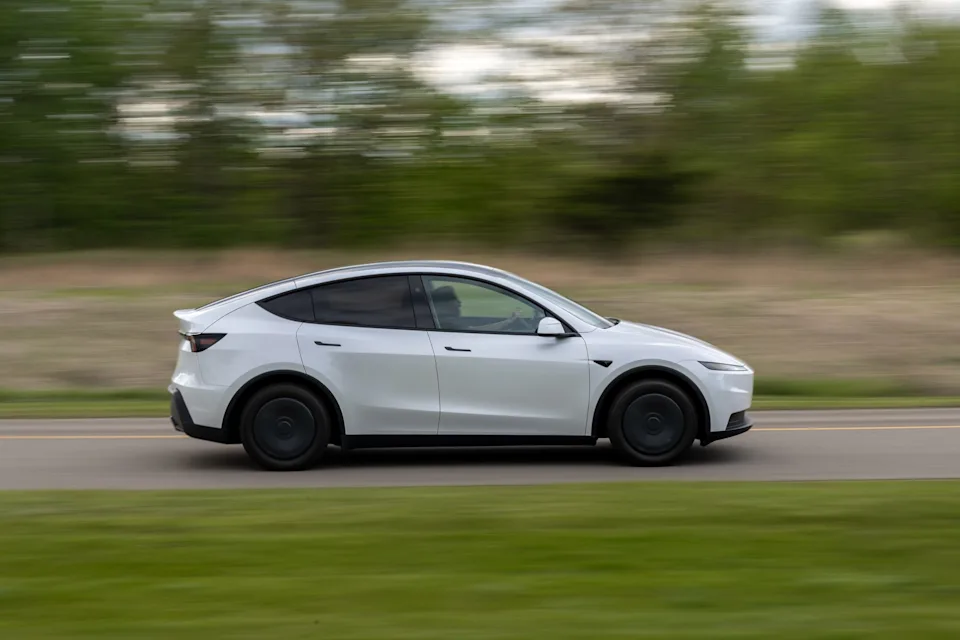
From a distance, the aesthetic changes to the base Model Y are immediately apparent. The signature light bars that previously connected the headlights and taillights have been removed, replaced by more traditional, simplified lighting units. While the front end now features a more muted design, the rear remains consistent with the recognizable Model Y silhouette. The standard wheel configuration is now 18 inches, with 19-inch wheels available as an optional upgrade. Furthermore, paint color options have been restricted to gray, black, or white, reflecting the manufacturer’s effort to streamline production costs.
Battery, Range, and Performance
The cost-cutting measures extend beneath the sheet metal. The battery capacity has been reduced to 70 kWh through a decrease in the number of parallel-connected cells. Consequently, the EPA-estimated range for the rear-wheel-drive base model is 321 miles with the standard 18-inch wheels, dropping to 303 miles with the optional 19-inch wheels. Charging performance sees a slight dip as well, with the peak Supercharger rate reduced from 250 kW to 225 kW.
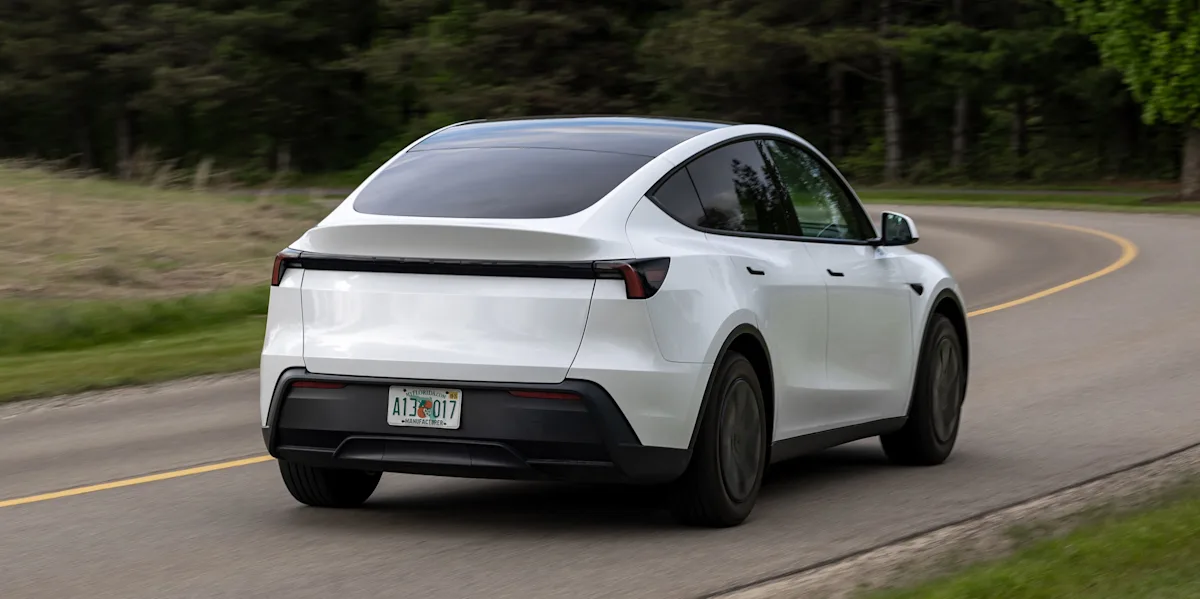
Performance figures remain respectable for an entry-level vehicle. The rear-wheel-drive model achieves a 0-60 mph time of 5.9 seconds, while the all-wheel-drive version is significantly faster, clocking in at 4.4 seconds. On the road, the vehicle benefits from being the lightest in the Model Y family, contributing to agile handling and a surprisingly plush ride quality, even without the adaptive dampers found in higher trims.
Interior and Comfort Trade-offs
The cabin is where the most noticeable changes occur. The front seats now feature textile materials rather than vegan leather, and they lose side-mounted controls and ventilation. Rear passengers lose their dedicated 8.0-inch climate control screen and heated seats. Additionally, the interior sound system has been scaled back from 15 speakers to seven, and the subwoofer has been omitted. Perhaps most uniquely, the panoramic glass roof is now covered by an interior headliner, effectively sealing off the view, though this change allows for extra sound-mitigation materials.
However, not all changes are negative. The center console has been updated with a functional, Cybertruck-inspired design, and the steering wheel now features manual adjustability alongside a tactile turn signal stalk, which many drivers will find more intuitive than previous button-based setups.
Key Advantages
- Competitive entry-level pricing.
- Excellent ride quality and comfort.
- Lightweight architecture leading to nimble handling.
- Retained core technology stack with a responsive 15.4-inch touchscreen.
Key Disadvantages
- Reduced battery capacity and charging speeds.
- Removal of premium features like ventilated seats and rear climate screen.
- Limited exterior color palette.
- Autosteer functionality locked behind a subscription-based FSD requirement.
Conclusion
The entry-level Model Y is a calculated trade-off. By sacrificing premium creature comforts, a portion of the range, and high-end exterior trim, Tesla has successfully created a more accessible entry point into the electric SUV market. While the lack of included autosteer and the removal of certain interior luxuries may deter some buyers, the core driving experience remains strong. For those seeking the Tesla software ecosystem and reliable performance without the premium price tag, this base model offers a balanced and practical solution.