SpeedSUVs.com — Evaluating the performance limits of modern vehicles requires looking beyond simple acceleration. While generating four-figure horsepower outputs has become relatively common, the real challenge lies in bringing a heavy vehicle to a complete stop from extreme speeds. A comprehensive performance test demands exceptional mechanical grip, precise thermal management, and robust structural integrity. To measure this demanding dynamic, a field of 13 performance vehicles was assembled at the Oscoda-Wurtsmith Airport in Michigan. Operating on a 2.2-mile taxiway, each vehicle underwent a continuous zero to 150 miles per hour to zero run to determine which machine could accelerate and decelerate the fastest.
The testing methodology relied on precise telemetry to capture accurate real-world performance. The team recorded data using GPS-based RACELOGIC VBOX meters. To capture the exact moment of driver brake application, a pressure-sensitive ribbon switch was attached to the brake pedal. The results were analyzed as raw, uncorrected single passes, omitting any rolling subtraction or segment splicing. This approach ensured a transparent view of how these high-performance machines handle the extreme physical transition from high-speed acceleration to emergency stopping.
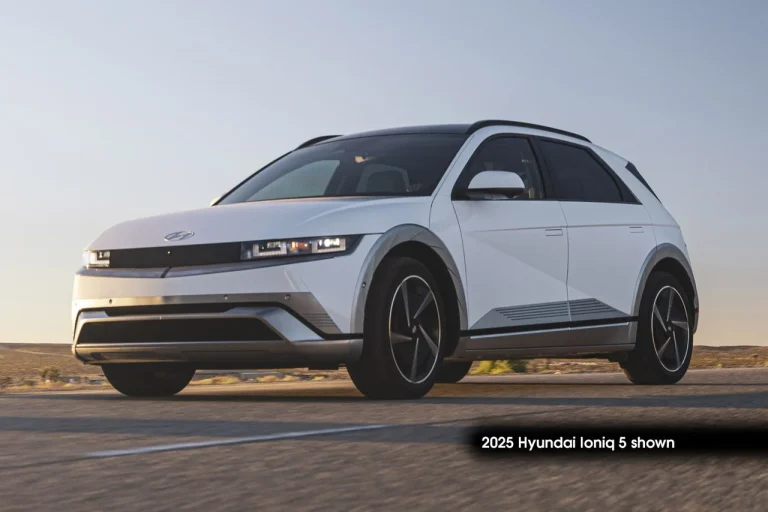
The lower end of the timing sheets highlighted how budget-minded performance models compare to elite supercars. The front-wheel-drive Hyundai Elantra N finished the trial as the slowest vehicle in the group, completing the run in 43.6 seconds. Stepping up in power and traction, the all-wheel-drive Dodge Charger Scat Pack utilized its 3.0-liter Hurricane twin-turbo inline-six engine to finish in 37.2 seconds. Meanwhile, the all-electric Hyundai Ioniq 5 N recorded a much faster time of 27.4 seconds, followed closely by the Audi RS 6 Avant at 24.7 seconds. Bentley’s plug-in hybrid Continental GT S completed its run in 24.1 seconds, demonstrating the challenges of managing heavy luxury vehicles under heavy braking.
The Battle of Engineering Philosophies
BMW fielded two distinct engineering philosophies for this speed trial. The lightweight M2 CS logged a 23.2-second pass, requiring 634 feet to come to a complete stop from 150 mph. In contrast, the heavier BMW M5 relied on its electric motor to offset its curb weight, hitting 150 mph in 16.0 seconds and stopping in 609 feet to achieve a superior overall time of 21.8 seconds. Porsche also presented three highly competitive options. The updated 911 Turbo S, equipped with electrified turbochargers, registered a rapid 17.4-second run with exceptional braking. It was, however, surpassed by the heavy Cayenne Turbo Electric SUV, which managed a total time of 16.4 seconds, reaching 150 mph in just 10.9 seconds.
The mid-engine McLaren 750S proved to be incredibly efficient under braking. Thanks to its lightweight chassis, the McLaren achieved the shortest stopping distance of the entire test, halting in just 502 feet. However, its overall run time of 16.1 seconds was not enough to beat the Porsche Taycan Turbo GT Weissach. The all-electric Taycan sedan required just 14.8 seconds to accelerate to 150 mph and return to a complete stop, showing the incredible stopping and launching capabilities of modern electric platforms.
The Ultimate Podium Clash
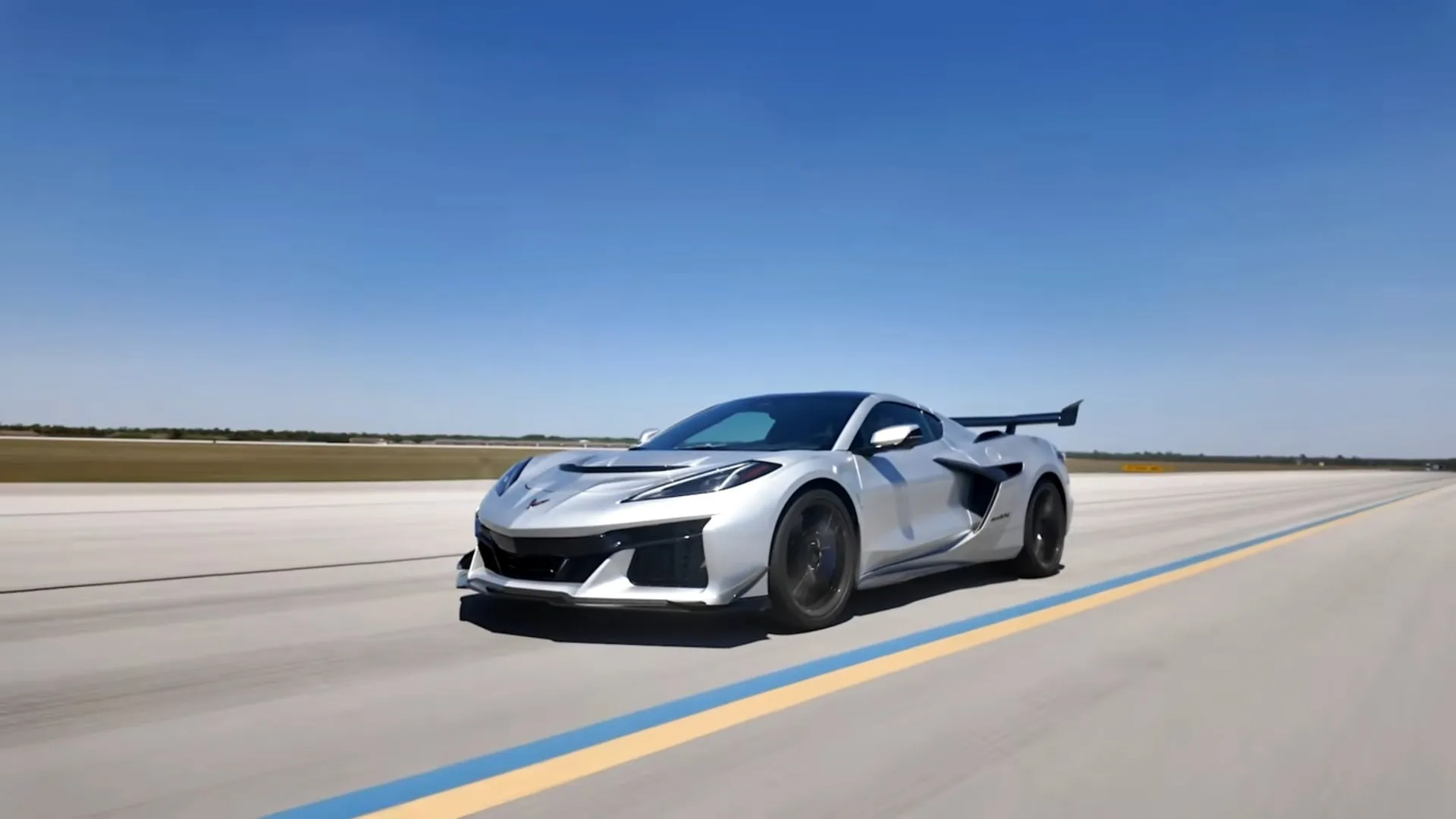
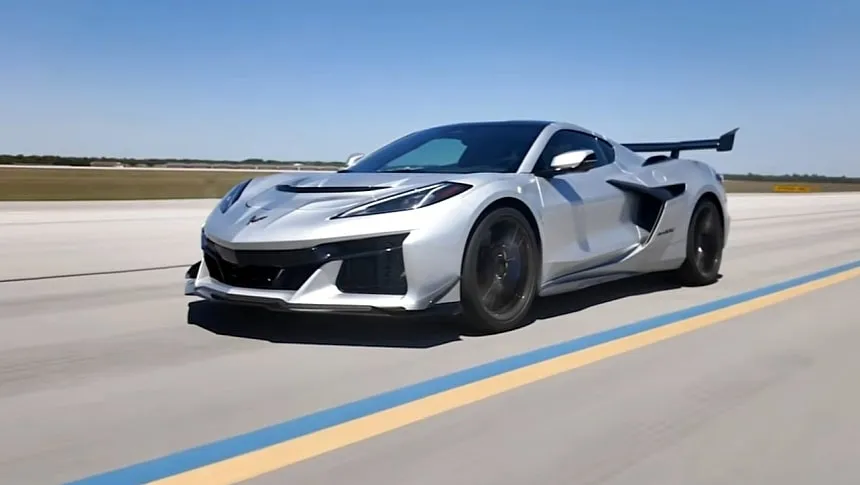
The battle for the podium came down to a head-to-head matchup between advanced electric powertrains and hybrid V8 muscle. The tri-motor Lucid Air Sapphire, boasting 1,234 horsepower, secured second place with an overall time of 14.4 seconds. The electric sedan achieved the fastest single 0-150 mph acceleration time of the day at 8.8 seconds, though it required 622 feet to come to a halt. Taking the ultimate 0-150-0 mph crown was the Chevrolet Corvette ZR1X. This hybrid supercar from Kentucky pairs a twin-turbo flat-plane V8 with a front-axle electric drive unit to produce a massive 1,250 horsepower. The Corvette reached 150 mph in 9.1 seconds and utilized its massive carbon-ceramic brakes and high-downforce aerodynamics to stop in 515 feet, resulting in a winning overall time of 14.0 seconds.
The 0-200-0 MPH Shift
The testing parameters changed significantly when the trial was extended to a 0-200-0 mph run for qualified contenders. Under these extreme conditions, aerodynamic drag and electronic speed limiters reshaped the leaderboard. The Porsche 911 Turbo S was stopped short of the target by a factory governor at 199 mph. Meanwhile, the high-downforce rear wing on the Corvette ZR1X, which aided its braking performance at lower speeds, created significant drag that slowed its high-speed acceleration past 150 mph. This allowed the Lucid Air Sapphire to dominate the extended high-speed test. The zero-emission sedan accelerated to 200 mph and came to a complete stop in just 25.7 seconds, completing the entire run in under a mile.
Pros and Cons of the Top Contenders
Chevrolet Corvette ZR1X
- Pros: Outstanding high-downforce aerodynamics, exceptional carbon-ceramic braking performance (stopping in 515 feet), and a lower starting price of $227,500 for the 2027 model year.
- Cons: The drag-inducing rear wing slows down acceleration performance past the 150 mph threshold.
Lucid Air Sapphire
- Pros: Superior high-speed acceleration (0-150 mph in 8.8 seconds), dominant performance in the extended 0-200-0 mph trial (25.7 seconds total), and massive 1,234 horsepower output.
- Cons: Longer braking distance of 622 feet from 150 mph due to heavy curb weight, and a higher starting price of $249,000.
Conclusion
In conclusion, choosing between these two engineering marvels depends on the driver’s performance priorities. The Chevrolet Corvette ZR1X offers superior braking performance and track-focused aerodynamics, making it the premier choice for sub-150 mph acceleration and stopping. For drivers seeking unmatched high-speed acceleration that extends all the way to 200 mph, the Lucid Air Sapphire stands as the ultimate high-speed cruiser, delivering unmatched luxury and straight-line electric performance.