SpeedSUVs.com — Electric scooters have transformed from a novelty into a legitimate mode of transportation for urban dwellers and commuters alike. As traffic congestion continues to challenge city mobility, these devices offer a nimble, efficient, and often more enjoyable alternative to the traditional automobile for short-distance trips. Testing a wide range of models requires more than just a quick ride around the block; it involves logging hundreds of miles to understand how these machines perform in real-world conditions, including varying rider weights, different road surfaces, and diverse weather environments.
The Best Overall Performer: Segway Ninebot Max G2
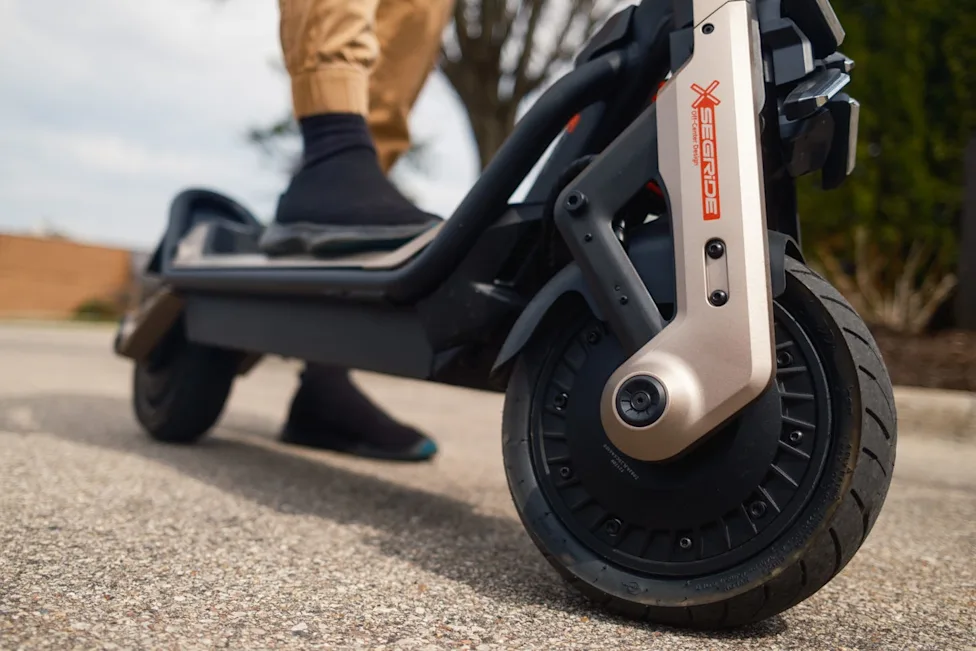
The Segway Ninebot Max G2 stands out as the clear leader in this evaluation, offering a sophisticated balance of power, comfort, and battery efficiency. Its integrated front and rear suspension system significantly improves ride quality, allowing the scooter to handle urban bumps with ease. While the 54-pound frame is relatively heavy, the stability it provides is worth the extra weight. During testing, the scooter demonstrated a 16-mile range in Sport mode, proving its reliability for most daily commutes. Although there is a slight throttle lag and the charging cable is inconveniently short, the overall build quality remains unmatched.
Pros and Cons of the Segway Ninebot Max G2
- Pros: Excellent suspension, robust battery life, and powerful motor performance.
- Cons: Noticeable throttle lag and a short charging cable.
Value and Portability: Segway E3 Pro
For riders prioritizing portability and ease of use, the Segway E3 Pro is a top contender. Weighing just over 40 pounds, it is easy to maneuver and folds compactly for storage. While it lacks the high-speed thrill of larger models, its dual suspension provides a comfortable experience, and the addition of RGB lighting adds a modern touch. It is an ideal entry-level choice for those who do not require extreme speed but want a reliable and stylish commuter.
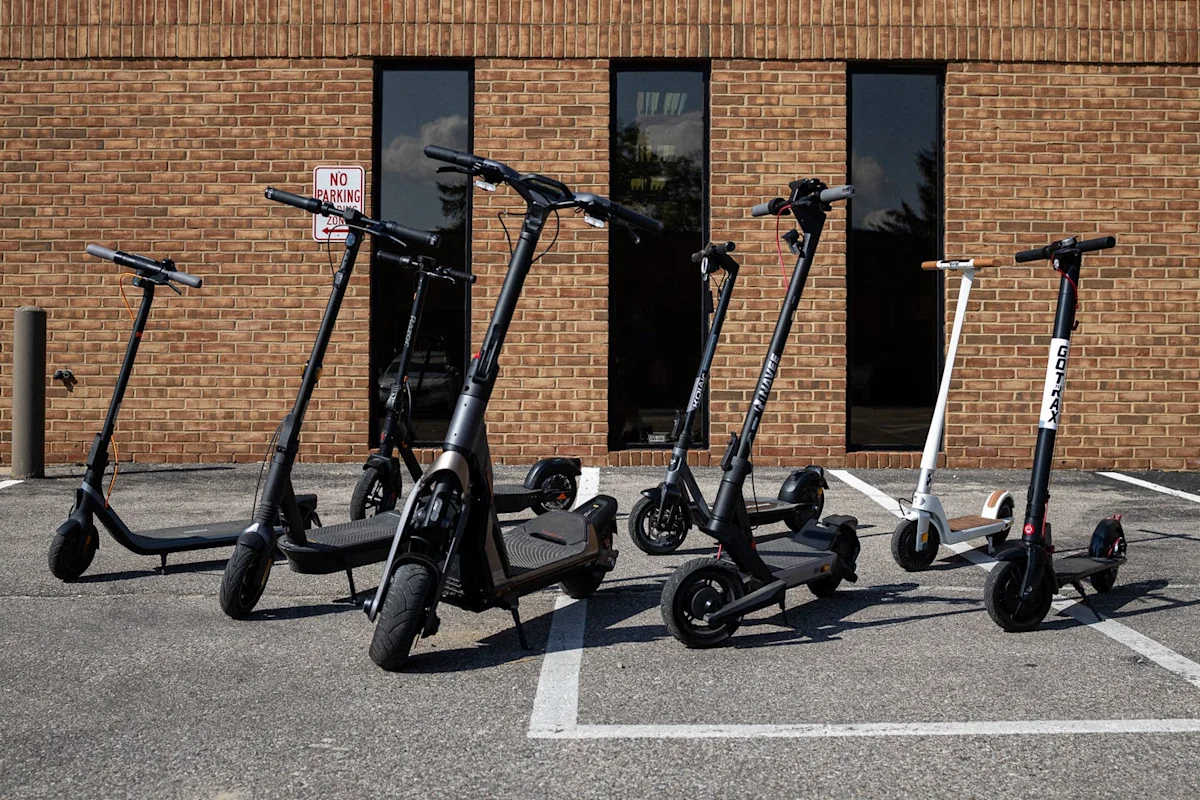
Performance and Precision: Navee UT5 Ultra X
The Navee UT5 Ultra X is designed for riders who appreciate raw performance. It excels in acceleration, boasting the best 0-to-10-mph times in our testing group. Its design is heavily inspired by supercar aesthetics, making it a standout on the road. However, the traction control system can be overly sensitive, cutting power abruptly when hitting bumps at speed. Despite this, it remains one of the few scooters that truly challenges the performance benchmarks set by the elite Segway superscooter series.
Pros and Cons of the Navee UT5 Ultra X
- Pros: Exceptional acceleration and exotic, high-end styling.
- Cons: Intrusive traction control that can disrupt the ride on uneven terrain.
The Superscooter Experience: Segway GT3 Pro
The Segway GT3 Pro represents the pinnacle of current electric scooter engineering. With a top speed reaching 50 mph and massive torque, it functions more like a high-performance vehicle than a commuter scooter. The hydraulic suspension system is incredibly effective, ensuring stability even at higher cornering speeds. However, its significant weight makes it difficult to transport, and the sheer power might be overkill for the average user. It is, undeniably, the top performer in its class.
Midrange Agility: Navee NT5 Ultra X
Serving as the smaller sibling to the UT5, the Navee NT5 Ultra X offers a more approachable riding experience. It is lighter and more nimble, which makes it fun to ride, though it requires more rider input to maintain stability. During testing, we noted that the suspension felt significantly harsher than other models, which may be a drawback for longer commutes on rough pavement. Additionally, the charging time is quite long, and the braking system may require fine-tuning upon purchase.
Budget-Friendly Considerations: Gotrax GXL V2
The Gotrax GXL V2 is a lightweight, budget-conscious option weighing only 27 pounds. It is highly portable, making it suitable for commuters who need to combine scooting with public transit. While it is built solidly for its price point, it lacks essential safety features like turn signals, brake lights, and suspension. Our testing also identified potential issues with the cruise control system failing to disengage, which is a significant safety concern. It remains a viable option for beginners, provided they are aware of its limitations.
Refining the Commuter Choice: Unagi Model One Voyager
The Unagi Model One Voyager is perhaps the most visually striking scooter tested. With a focus on minimalist design and user-friendly technology, it serves as a sophisticated tool for city navigation. It strikes an excellent balance between style and functionality, appealing to riders who want a sleek machine that performs reliably for short trips. The integration with its mobile app enhances the overall experience, making it one of the most intuitive models on the market.
Conclusion: Choosing Your Ideal Scooter
Selecting the right electric scooter depends entirely on your specific needs. If you require a well-rounded machine for daily commuting, the Segway Ninebot Max G2 is the most logical choice due to its durability and comfort. For those who prioritize speed and performance above all else, the Segway GT3 Pro is the industry standard. Conversely, if you are looking for something lightweight and affordable for short, flat commutes, the Segway E3 Pro or similar entry-level models provide the best value. Always prioritize safety features such as reliable brakes and lights when making your final decision, and consider the weight of the device if you need to carry it up stairs or onto a train.”
onto public transport.