SpeedSUVs.com — The automotive landscape is currently experiencing a surge in high-performance machinery where four-digit horsepower figures are becoming the new benchmark for excellence. Among these elite competitors, the Corvette ZR1X stands out as the most powerful and technologically advanced production Corvette ever manufactured by Chevrolet. Featuring a sophisticated combination of a twin-turbocharged 5.5L V8 LT7 gasoline engine and a supplemental electric motor, this vehicle represents a bold step into the future of electrified supercars.
Engineering the ZR1X for Peak Performance
The powertrain of the ZR1X is designed to deliver staggering performance, pushing a total output of 1,250 horsepower. By placing the internal combustion engine behind the cabin and utilizing an electric motor to power the front axle, the vehicle achieves a highly capable all-wheel-drive system. Despite the heavy weight of the hybrid components, which brings the total mass to just under 4,200 pounds, the power-to-weight ratio remains impressive at one horsepower for every 3.3 pounds.
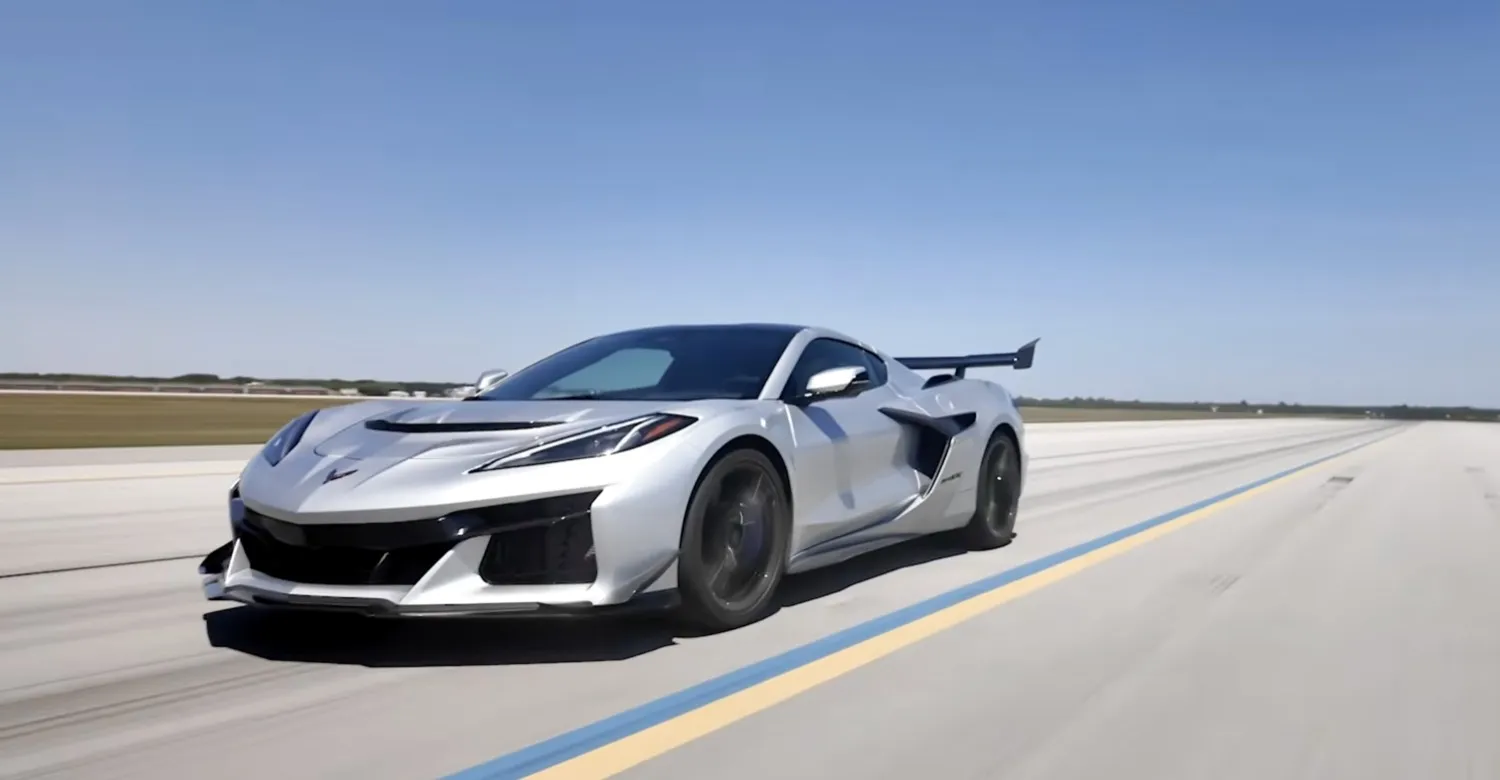
To ensure this power effectively reaches the pavement, the vehicle is equipped with massive 345-mm-wide Michelin Pilot Sport Cup 2 R tires. These specialized tires are essential for translating the high-torque output of the twin-turbo V8 into consistent forward motion, particularly during aggressive acceleration runs.
The 0-150-0 Test Dynamics
In a recent evaluation conducted by Car and Driver on a 2.2-mile airport runway in Michigan, the ZR1X faced off against 12 other top-tier performance vehicles. The test was simple yet brutal: accelerate from a standing start to 150 mph and then decelerate back to a complete stop as quickly as possible. Precise measurements were captured using GPS-based VBOX equipment and pedal-mounted switches to ensure accuracy.
Aerodynamic Considerations and Trade-offs
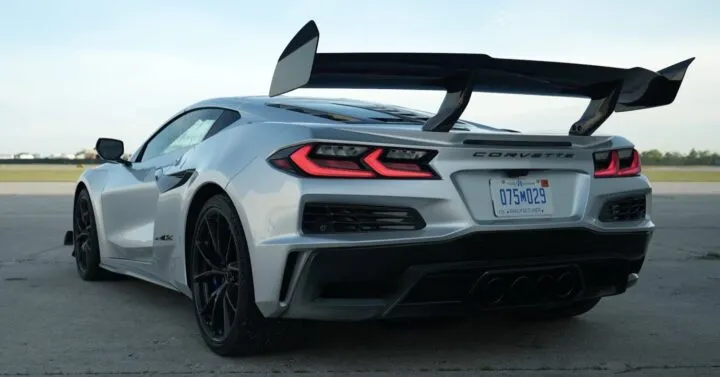
A critical design feature of the test car was its extensive carbon-fiber aerodynamic package, which included a prominent rear wing. Interestingly, the engineering team at Chevrolet debated removing this wing prior to the test to reduce aerodynamic drag during the acceleration phase. However, after careful analysis, they opted to keep it installed. The data confirmed that the significant improvement in braking stability and performance provided by the wing outweighed the time lost while accelerating.
Pros and Cons
- Pros: Exceptional total output of 1,250 hp, superior all-wheel-drive traction, and advanced braking capabilities thanks to tuned aerodynamics.
- Cons: High curb weight (nearly 4,200 lbs) which imposes limits during the initial acceleration phase compared to lighter rivals.
Conclusion
While the Corvette ZR1X did not secure the fastest individual time for either the 0-to-150 mph acceleration or the 150-to-0 mph deceleration phases, its combined performance proved superior. By balancing the raw acceleration of its twin-turbo hybrid engine with the immense stopping power provided by its aerodynamic wing, the ZR1X emerged as the overall winner. This performance confirms that the hybrid setup is not just about raw power, but about the harmonious integration of speed and control in a modern supercar package.