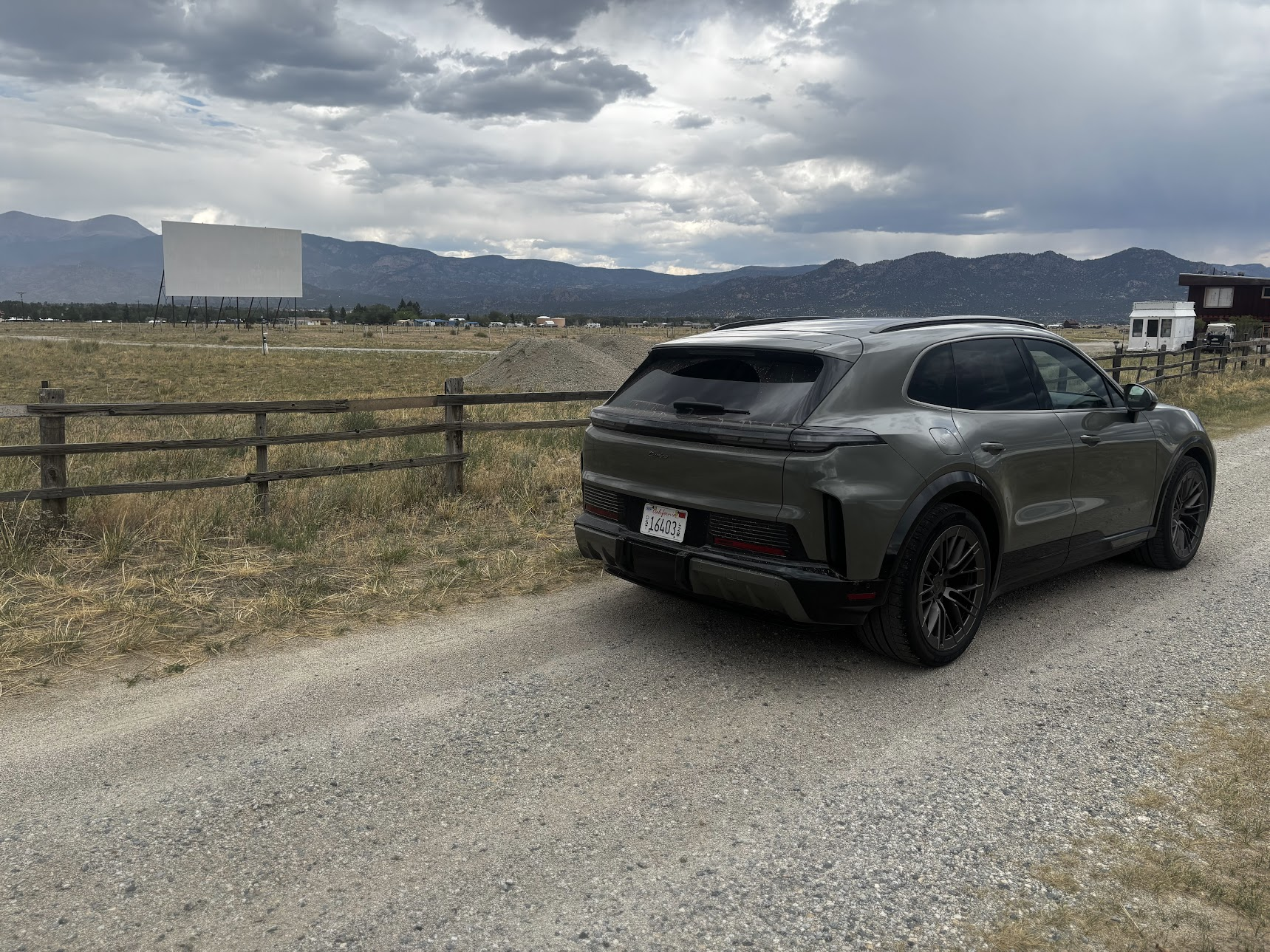
SpeedSUVs.com — The arrival of the Porsche Cayenne Turbo Electric marks a significant milestone in the evolution of high-performance electric vehicles. To truly understand what this flagship SUV is capable of, a rigorous first drive was conducted across a demanding 250-mile mountain and off-road course in Aspen, Colorado. This environment, characterized by steep elevations, dirt trails, and winding asphalt, served as the ultimate testing ground for an electric vehicle carrying a starting price tag of $163,000. The experience revealed an SUV that delivers breathtaking acceleration, exceptional air-supported suspension comfort, and state-of-the-art charging capabilities, though not without several notable compromises that prospective buyers must consider.
Unpacking the Power: Marketing Claims versus Everyday Reality
Porsche has heavily emphasized that the Cayenne Turbo Electric is the most powerful Porsche ever produced. While this claim is technically accurate, it requires a careful look at the fine print to understand how that power is distributed in real-world driving. In standard, everyday driving scenarios, the dual-motor configuration produces a highly capable 844 horsepower. This is more than enough power to handle routine overtaking maneuvers, steep hill climbs, and highway cruising without placing any strain on the electric motors.
To access the headline-grabbing performance figures, drivers must engage specific driving modes. Activating Launch Control unlocks a staggering 1,139 horsepower and 1,106 lb-ft of torque, though this peak output is only sustained for a few seconds. Additionally, a steering-wheel-mounted button activates a Push-to-Pass overboost function, providing an extra 176 horsepower in ten-second bursts. While these features deliver sensational acceleration, they represent temporary performance windows rather than the vehicle’s standard operating state. This setup raises questions about why full power is restricted behind specific controls rather than being instantly accessible whenever the accelerator pedal is fully depressed.
Record-Breaking Performance and Handling Metrics
When those peak power modes are engaged, the performance of the Cayenne Turbo Electric is nothing short of extraordinary. Independent testing by Car and Driver demonstrated that Porsche’s official performance figures are highly conservative. The SUV achieved a 0-60 mph acceleration time of just 2.1 seconds and completed the quarter-mile sprint in 9.5 seconds. To put this in perspective, this heavy family SUV accelerates faster than legendary classic supercars like the Lamborghini Countach, as well as modern high-performance machines such as the Lamborghini Revuelto and the 1,064-horsepower Chevrolet Corvette ZR1.
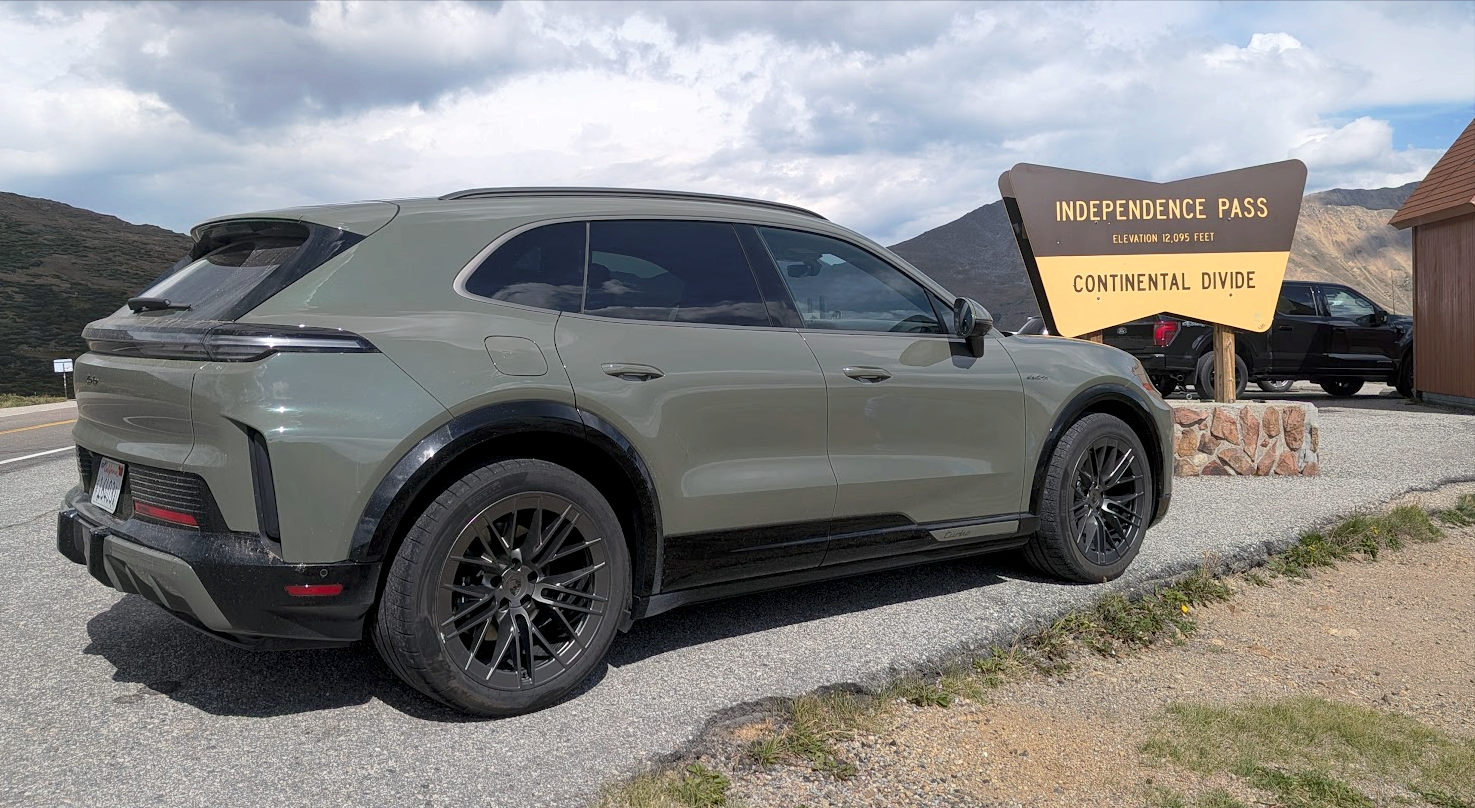
The engineering achievements extend far beyond straight-line speed. The Cayenne Turbo Electric delivers exceptional braking performance for an SUV, stopping from 70 mph in only 140 feet—a figure that matches the track-focused Corvette ZR1. Furthermore, the vehicle recorded a roadholding figure of 1.05 g on the skidpad, which stands as the best lateral grip result for an SUV in Car and Driver history. On dirt roads and mountain passes, the combination of the sophisticated air suspension and the massive power reserves creates an incredibly agile driving experience, making the heavy SUV feel remarkably composed under pressure.
Industry-Leading Charging Architecture
Charging infrastructure and speed remain critical factors for electric vehicle ownership, and Porsche continues to position itself as a leader in this space. The Cayenne Turbo Electric features an advanced 800-volt electrical architecture capable of charging at speeds exceeding 400 kW on compatible high-power DC fast chargers. According to Porsche’s optimal charging curves, the battery can charge from 10% to 80% state of charge (SoC) in less than 16 minutes. However, real-world testing in mountain regions highlights current infrastructure limitations, as drivers may often find themselves limited to 400V, 200 kW chargers that cannot fully exploit the vehicle’s maximum charging speeds.
To improve convenience, the vehicle supports Plug and Charge functionality, allowing seamless authorization and immediate charging at Tesla Superchargers, Electrify America stations, and other compatible fast-charging networks. The physical port layout is highly versatile, featuring a NACS port (equipped with a CCS adapter) on one side of the vehicle and a standard J-1772 port on the opposite side. The system splits duties, directing Level 3 DC fast charging to the NACS side and Level 1 or Level 2 AC charging to the J-1772 side. For home charging, the SUV is equipped with a powerful 19.2 kW on-board AC-to-DC inverter, and Porsche also offers an optional 11 kW inductive wireless charging system that operates at an impressive 90% efficiency.
Areas for Improvement: High Costs and Design Choices
Despite its remarkable engineering, the Porsche Cayenne Turbo Electric is not without its flaws. The most obvious barrier to entry is the pricing structure. Starting at $163,000, the price escalates rapidly once buyers begin selecting options. A fully loaded model featuring high-performance upgrades like the Porsche Active Ride suspension system and carbon-ceramic brakes can easily surpass $250,000. At this price point, the exterior design has drawn criticism for being overly subdued. The styling remains quiet and understated, lacking the visual drama that some buyers might expect when spending the equivalent of a suburban home’s value on a vehicle.
Inside the cabin, the user interface presents some usability challenges. The digital instrument cluster can feel cluttered and overwhelming, requiring a learning curve to navigate efficiently. While the integration of Google’s Android Automotive operating system is a positive step, running it alongside Apple CarPlay projection can sometimes create interface confusion. Additionally, the sheer violence of the vehicle’s acceleration poses practical comfort issues. The sudden surge of torque is intense enough to cause physical discomfort or whiplash for unsuspecting passengers, requiring active communication between the driver and passengers before overtaking other vehicles.
Pros and Cons
Pros
- Breathtaking acceleration with a 0-60 mph time of 2.1 seconds.
- Exceptional handling with a record-setting 1.05 g on the skidpad.
- Outstanding braking performance, stopping from 70 mph in 140 feet.
- Ultra-fast 800V charging architecture supporting speeds over 400 kW.
- Versatile charging options including dual ports, a 19.2 kW AC inverter, and optional inductive charging.
- Highly capable air suspension providing excellent ride comfort both on and off-road.
Cons
- Extremely high starting price of $163,000, reaching over $250,000 with options.
- Subdued exterior styling that may feel too understated for the price class.
- Complex and occasionally overwhelming digital instrument cluster and infotainment setup.
- Peak performance of 1,139 horsepower is restricted to temporary modes rather than standard driving.
- Aggressive acceleration can easily cause physical discomfort and whiplash for passengers.
- Inferior value and range-per-dollar compared to dedicated electric SUV rivals.
Conclusion and Buyer Recommendation
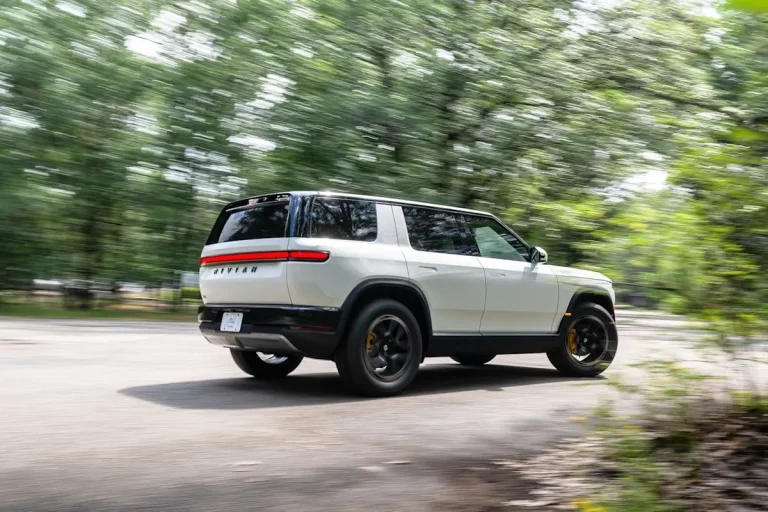
The Porsche Cayenne Turbo Electric represents a triumph of traditional automotive engineering applied to an electric powertrain. It successfully delivers supercar-level performance, advanced charging technology, and remarkable handling in a practical SUV format. However, it is not a vehicle designed to win on typical EV-specific value metrics. Competitors like the Lucid Gravity offer superior driving range for less money, while the Rivian R1S provides vastly better overall value for buyers seeking a utility-focused electric vehicle.
Ultimately, the decision to purchase the Cayenne Turbo Electric depends on what a buyer values most. It is designed specifically for individuals who want the prestige, build quality, and unmatched driving dynamics of a Porsche, and who are willing to pay a premium to get it. If you are looking for the ultimate expression of a Porsche SUV that happens to be electric, this vehicle delivers on that promise completely. For those looking for maximum electric range or value, other market alternatives may prove more practical.