SpeedSUVs.com
Understanding Vehicle Safety Trends
The latest research from the Insurance Institute for Highway Safety (IIHS) provides a sobering look at how vehicle type correlates with occupant safety. By analyzing 2023 models and equivalent earlier designs involved in fatal crashes between 2021 and 2024, the report highlights a clear divide between different segments of the automotive market. Small cars, muscle cars, and high-performance sports cars continue to represent a disproportionate share of driver fatalities on American roads, while larger SUVs frequently occupy the top spots for occupant survival.
High Fatality Rates in Smaller Vehicles
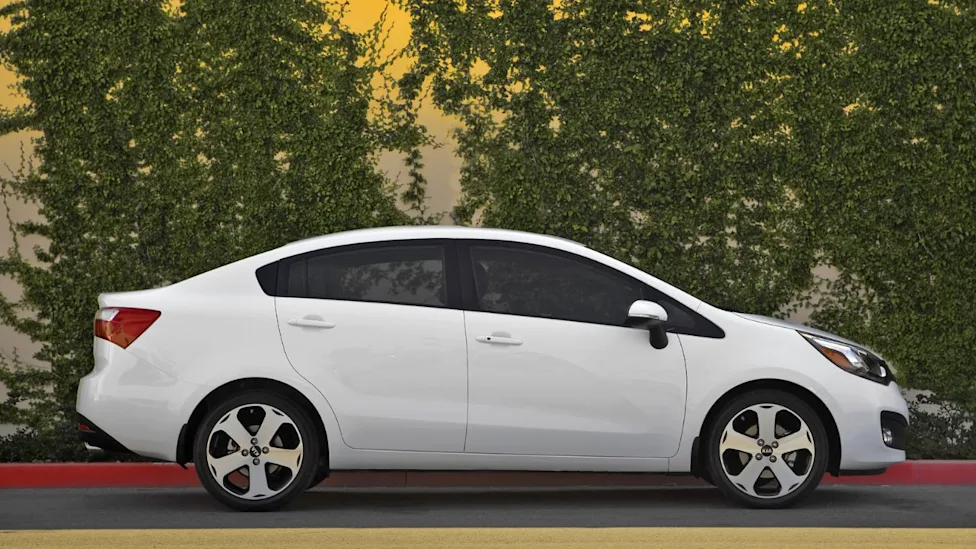
Small cars face a structural disadvantage when involved in collisions, particularly against heavier vehicles like trucks and large SUVs. The data indicates that minicars recorded an average of 158 driver deaths per million registered vehicle years, the highest rate across all categories. The Kia Rio topped the list with 170 deaths, followed by the Nissan Versa at 164. Other compact models, such as the Kia Forte, Subaru Impreza, Nissan Sentra, and Nissan Kicks, also appeared among the twenty models with the highest fatality rates. The lower mass of these vehicles provides less physical protection, making occupants more vulnerable in multi-vehicle accidents.
The Impact of Performance and Design
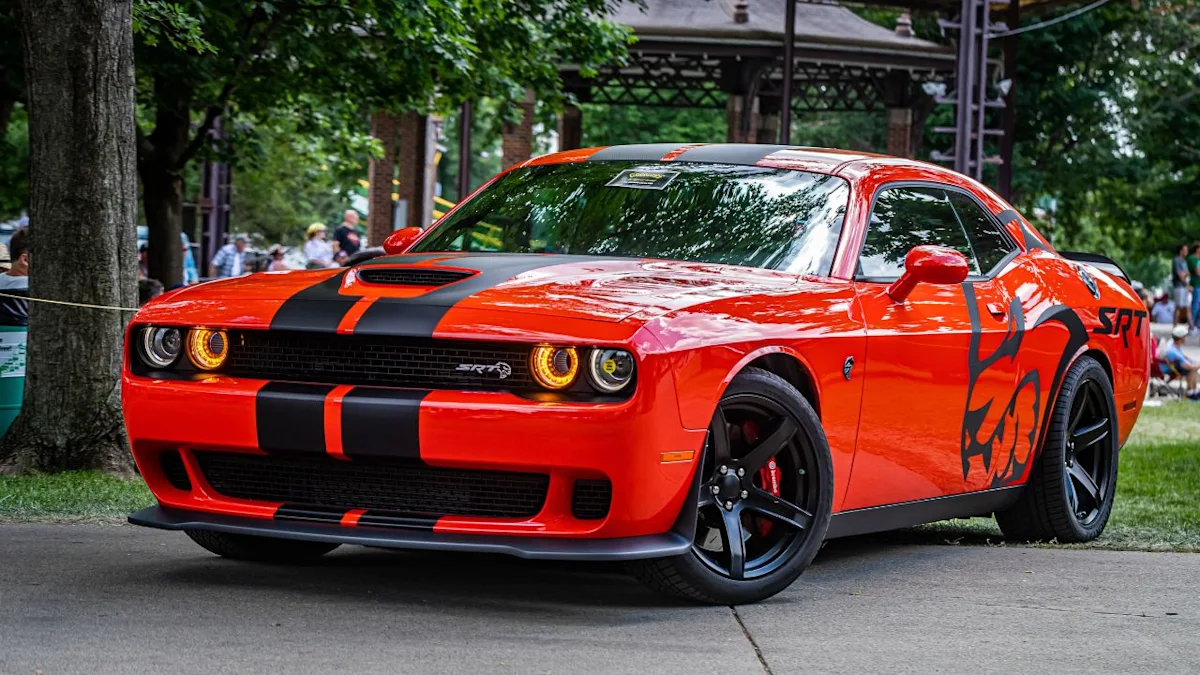
Beyond vehicle size, the IIHS report points to the role of performance and marketing in crash statistics. Muscle cars and sports cars, which are designed for speed and aggressive handling, show elevated death rates. For instance, the Chrysler 300 two-wheel-drive variant recorded 132 deaths per million, while the Dodge Charger HEMI and Dodge Challenger recorded 127 and 125, respectively. The report suggests that powerful engines, coupled with marketing strategies that appeal to performance-oriented buyers, may inadvertently encourage riskier driving habits. This indicates that real-world safety is not just about crash test ratings but also how a vehicle is typically operated on public roads.
SUV Dominance in Safety Rankings
On the opposite end of the spectrum, large SUVs are consistently associated with the lowest driver death rates. In the recent study, six models—including the Audi Q7, BMW X7, Chevrolet Tahoe, Mercedes-Benz GLB-Class, Mercedes-Benz GLE-Class, and Toyota Tundra CrewMax—recorded a driver death rate of zero. Luxury SUVs like the Porsche Macan, Volvo XC90, and BMW X5 also performed exceptionally well, with rates in the single digits. This superior performance is attributed to the combination of large, robust crash structures, advanced collision-avoidance technology, and, potentially, the demographic profiles of the drivers who typically own these premium vehicles.
Considering Other-Driver Risks
The study also sheds light on the danger these vehicles pose to others on the road. Large pickups, while protecting their own occupants well, often record high “other-driver” death rates. The Ram 3500 crew cab, for example, topped this category with 204 deaths per million registered vehicle years. This trend highlights the “arms race” of vehicle size: as vehicles become larger and heavier, they may become safer for their own passengers but significantly more dangerous to those in smaller, lighter cars involved in the same collision.
Contextualizing the Statistics
While these figures provide valuable insights, the IIHS urges caution in how the data is interpreted. The rates are calculated based on registered vehicle years, utilizing data from the Fatality Analysis Reporting System. Although the institute adjusts for variables like driver age and gender, it does not fully account for mileage, speed, specific road types, or individual driving habits. Consequently, the report is best used to identify broad industry trends rather than as a definitive safety rating for a specific vehicle. Individual model estimates can be influenced by small sample sizes, and the presence of a vehicle on a specific list should not be viewed as an absolute predictor of safety or danger.
The Role of Human Behavior
Ultimately, the report reinforces a fundamental truth of road safety: the person behind the wheel is a critical factor. Regardless of how well-engineered a vehicle might be, excessive speed, impaired driving, distraction, and aggressive maneuvering remain primary contributors to fatal accidents. While selecting a larger, well-equipped SUV can provide a significant safety buffer, no amount of engineering can fully mitigate the risks posed by human error. Choosing a vehicle should involve a balance of understanding its structural capabilities and acknowledging the driving style of the operator. By prioritizing defensive driving and maintaining situational awareness, motorists can significantly reduce their risk, regardless of the vehicle class they choose to drive.